
If you’ve already searched “Laikipia to Samburu transfer time,” you’ve probably hit the same wall I did the first time a guest asked me. One site says three hours. Another says four. A third says eight. None of them tell you which camp they’re actually measuring from.
That’s the problem. Laikipia isn’t one place. It’s a patchwork of conservancies spread across roughly 9,500 square kilometers, from Ol Pejeta near Nanyuki to Loisaba on the Ewaso Nyiro. Samburu isn’t one place either. It covers Samburu National Reserve, Buffalo Springs, Shaba, and community conservancies like Namunyak further north. The transfer time depends entirely on which two dots on the map you’re connecting.
I’ve driven this route more times than I can count, dropping guests at Buffalo Springs gate after a morning game drive in Ol Pejeta, or picking up a family flying into Kalama after three nights at Lewa. Here’s what the transfer actually looks like, conservancy by conservancy, plus real numbers on flying instead.
How Far Is It, Really?
As the crow flies, central Laikipia to Samburu National Reserve is about 90 to 100 kilometers. By road, you’re looking at 75 to 150 kilometers depending on your starting camp, because the road network forces you through Nanyuki and Isiolo rather than in a straight line.
That’s the piece the aggregator sites miss. A guest leaving Lewa Wildlife Conservancy has a genuinely short hop north. A guest leaving Loisaba or a private conservancy on the western side of Laikipia has a longer, rougher drive to reach the same gate.
The Drive: What Actually Slows You Down
The standard road route runs from your Laikipia camp to Nanyuki, then north on the A2 highway to Isiolo, then on to Archer’s Post before turning into Samburu National Reserve or Buffalo Springs. The Nanyuki to Isiolo stretch is tarmac and quick. Isiolo to Archer’s Post is also sealed, about 30 kilometers.
The last 10 to 15 kilometers into the reserve gates is where the time adds up. It’s murram and dirt, sometimes washboarded after rain, and it slows even a good driver to 30 or 40 kilometers an hour. You don’t strictly need a 4×4 for the tarmac sections, but you do for the final approach and for anything inside the reserve itself.
There’s also a noticeable drop in elevation. Laikipia sits at 1,800 to 2,000 meters. By the time you reach the Ewaso Nyiro river basin around Samburu, you’re down near 800 to 900 meters. The landscape changes fast, from highland ranch country to dry acacia scrub and doum palms, and the temperature climbs with it. Bring lighter layers for the second half of the drive.
On security, this is a well-traveled tourist corridor with regular police checkpoints at Isiolo and Archer’s Post. Most lodges and tour operators drive it daily without incident, but it’s worth checking current advice with your operator before a self-drive, especially further north toward Namunyak or Shaba.
Laikipia to Samburu Transfer Time by Conservancy
Here’s the comparison that’s missing from most guides. These are drive times for a standard safari vehicle in dry conditions, gate to gate.
| Route | Distance | Drive Time | Road Surface | Notes |
|---|---|---|---|---|
| Ol Pejeta / Sweetwaters → Buffalo Springs gate | ~140 km | 3 to 3.5 hrs | Tarmac to Isiolo, then murram | Most common Laikipia-Samburu pairing |
| Lewa Wildlife Conservancy → Samburu NR gate | ~75 km | 2 to 2.5 hrs | Tarmac, short murram stretch | Shortest of the three pairings |
| Loisaba Conservancy → Namunyak / Sarara area | 90 to 110 km (indicative) | 2.5 to 3.5 hrs (indicative) | Rough murram and dirt | Scenic but slow, 4×4 essential |
Notice Lewa is the outlier. If your itinerary already has you at Lewa, the onward leg to Samburu is genuinely short, closer to two hours than four. That single fact changes how you should plan a combination trip, and it’s exactly the kind of detail the generic 2.5 to 4 hour range on most sites flattens out.
Flying vs Driving: The Honest Trade-Off
Flying between Laikipia and Samburu takes 20 to 35 minutes in the air, against two to four hours on the ground. For a short trip, that’s not a close call. If you only have two or three nights in each region, flying buys you back most of a day of actual game viewing.
Scheduled flights on Safarilink and Air Kenya connect Nanyuki, Lewa, and Samburu’s Kalama airstrip, often with one stop. A one-way seat typically runs USD 200 to 250 per person on the Nairobi-linked routes, and shorter Laikipia-to-Samburu hops on the same network are usually somewhat less, though pricing shifts with season and availability, so treat that as an indicative range rather than a quote. A private charter on a 5 or 6-seat aircraft for the same hop generally costs more per person for a small group but saves the most time and lets you set your own schedule.
Driving has its own case. The road passes through genuine working landscapes, Maasai and Samburu grazing areas, smallholder farms around Timau and Isiolo, and the escarpment views north of Nanyuki are some of the best overland scenery in this part of Kenya. If you’ve got 10 or more days and don’t mind a half-day in the vehicle, the drive adds a layer of context that flying skips entirely. For anything shorter, I’d fly and spend the saved hours in a vehicle actually tracking animals instead of tarmac.
Airstrips Serving Samburu: Which One Do You Want?
Samburu has more than one airstrip, and which one your flight uses affects your final transfer time.
- Kalama is the main scheduled airstrip, closest to camps on the eastern side of the reserve and to Namunyak-area lodges.
- Buffalo Springs sits inside the reserve of the same name, convenient if your camp is on that side of the Ewaso Nyiro.
- Samburu Oryx serves camps clustered near the reserve’s western section.
- Shaba has its own strip for guests staying at camps inside Shaba National Reserve, a quieter option than the main Samburu-Buffalo Springs pairing.
Confirm with your camp which strip they use for pickups. A 15-minute transfer difference between strips is common, and it matters if you’re timing a midday flight around a hot afternoon game drive.
Is Combining Laikipia and Samburu Worth It?
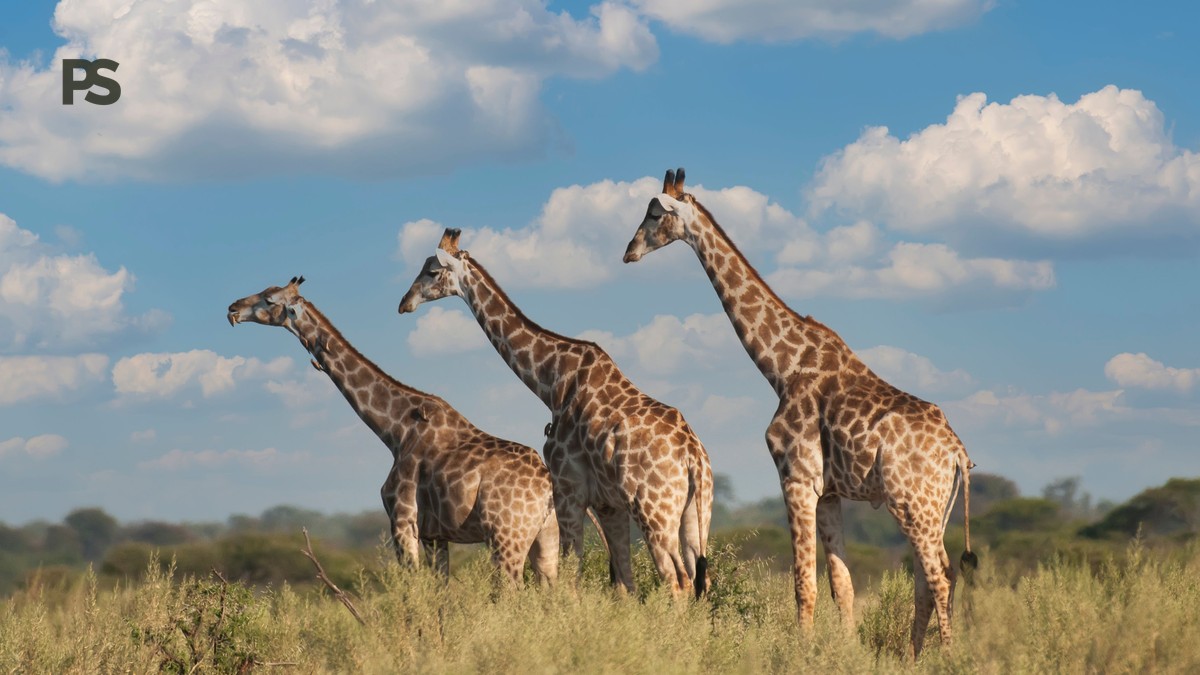
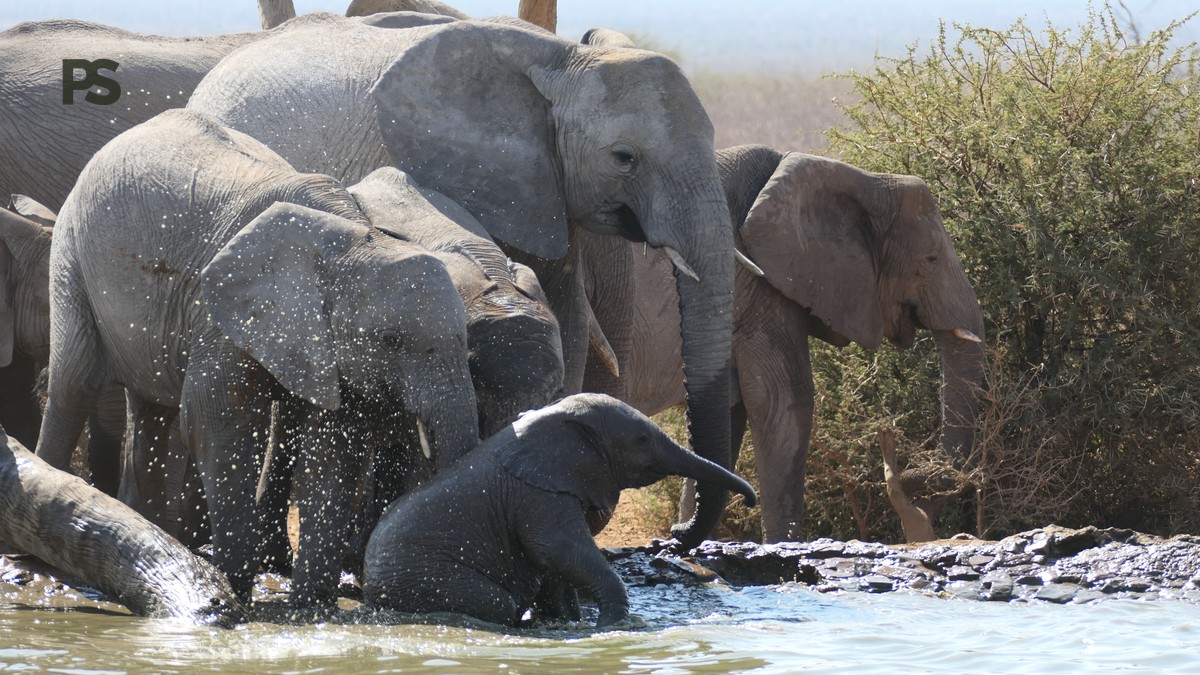
For a repeat visitor who’s already done a standard Mara circuit, yes, this combination makes a lot of sense. Laikipia gives you rhino tracking, horseback and camel safaris, and some of the lowest vehicle density of any Kenyan safari region. Samburu adds species you won’t see further south, Grevy’s zebra, reticulated giraffe, gerenuk, and Somali ostrich, plus the Ewaso Nyiro riverine habitat that draws elephant herds through the dry months.
If you’re traveling with kids, it’s worth reading about Laikipia’s family-friendly conservancies before you lock in a camp, since not every property here suits younger children the same way a Mara lodge might. And if Samburu alone doesn’t feel like enough contrast, Meru National Park sits within reach too. We’ve mapped that leg separately in our Nairobi to Meru transfer time guide.
Sample Itinerary Structure
A workable 8-night combination looks like this:
- Nights 1-3, Laikipia: Ol Pejeta or Lewa, with rhino tracking, a night game drive, and one horseback outing.
- Transfer day: Fly the Kalama route, or drive the Lewa-Samburu leg if you’re staying there, saving the longer Ol Pejeta drive for daylight hours.
- Nights 4-6, Samburu: Buffalo Springs and Samburu National Reserve, focused on the river circuit at dawn and dusk.
- Nights 7-8, optional add-on: Shaba for a quieter finish, or fly back via Nanyuki to connect onward.
Shorter trips work too. A 5-night version with 2 nights Laikipia and 2 nights Samburu, flying both legs, is realistic if your total Kenya time is limited.
Best Time of Year for This Combination
June through October and January through February are the driest windows, which keeps the murram roads in better shape and makes the drive option more comfortable. April and November bring the long and short rains, when that final 10 to 15 kilometer stretch into the Samburu gates can turn slow and slippery. If you’re set on driving rather than flying, aim outside those rainy windows. Wildlife viewing in Samburu stays strong nearly year-round because the river holds animals close even in dry months, unlike some parks that empty out.
The Plain Safaris Difference
We don’t send you a single blended number for a transfer that actually depends on which camp you’re leaving from. When we build a Laikipia-Samburu itinerary, we work backward from your actual chosen conservancies, not a regional average, so the drive or flight time on your route matches the vehicle that shows up at your gate. We also know which stretches of this road are worth doing in daylight for the escarpment views, and which legs are better flown so you’re not losing a game-viewing morning to tarmac.
If you’re weighing the same fly-versus-drive question for a different circuit, we’ve covered it in more detail comparing fly vs drive to the Maasai Mara.
Plan Your Laikipia-Samburu Route With Us
Every itinerary we build gets the real transfer numbers for your specific camps, not a generic range pulled from somewhere else. If you’re ready to work out the Laikipia-Samburu combination that fits your trip length, get in touch through our contact page and we’ll map it out together.