
Most guides to a Kenya safari for serious birders list the same eight hotspots and move on. Rift Valley lakes, Kakamega Forest, Samburu, the Mara, a few sentences on Mount Kenya, and a nod to the coast. That’s fine if you want a species checklist. It’s not enough if you’re actually planning a trip.
We’ve driven these roads for years, and the questions serious birders ask are different from the questions a first-time safari client asks. How many days do I actually need? Does my guide know bird calls, or just mammal behavior? And why does everyone talk about “peak season” like it means one thing, when the best month for flamingos and the best month for the wildebeest migration barely overlap?
This guide answers those questions with real numbers: drive times, entrance fees, and the trade-offs nobody else spells out.
Why Kenya Is a Serious Birding Destination
Kenya has recorded more than 1,100 bird species, one of the highest counts in Africa. That’s roughly a tenth of all bird species on the planet, packed into a country smaller than Texas. The range comes from habitat diversity: alkaline lakes, montane forest, semi-arid scrub, coastal woodland, and savanna, all within a few hours’ drive of each other.
Several Important Bird Areas sit inside or near well-known parks, which means you can combine serious birding with a standard game-viewing itinerary if you plan the route correctly. Kenya also holds true endemics found nowhere else on earth, concentrated in small forest fragments rather than spread across the big reserves. That’s a key planning fact most guides skip: your best endemic birding and your best Big Five viewing usually happen in different places.
Best Regions and Habitats for Birders
Here’s where the encyclopedia-style guides stop short. They’ll tell you Kakamega Forest has turacos. They won’t tell you it’s a 6 to 7 hour drive from Nairobi, or that flying to Kisumu and driving the last hour saves most of a day.
| Region / Site | Distance from Nairobi | Drive time | Non-resident entrance fee | Signature birds |
|---|---|---|---|---|
| Lake Nakuru National Park | 160 km | 2.5-3 hrs | $90/day (KWS) | Lesser flamingo (seasonal), great white pelican, African fish eagle |
| Lake Bogoria National Reserve | 240 km | 3.5-4 hrs | indicative KES 1,000-3,000 ($10-25)/day (Baringo County) | Lesser flamingo in peak flocks, greater flamingo |
| Kakamega Forest | 415 km | 6-7 hrs, or fly to Kisumu plus 1 hr drive | indicative $20-25/day (Kenya Forest Service) | Blue-headed bee-eater, Turner’s eremomela, great blue turaco |
| Samburu National Reserve | 325 km | 5-6 hrs, or 1 hr flight | indicative $70-100/day (Samburu County) | Vulturine guineafowl, Somali ostrich, golden-breasted starling |
| Taita Hills forest fragments | 360 km | 5 hrs, or fly to Voi plus short drive | indicative, mostly community-managed sites, small per-visit fees | Taita thrush, Taita apalis, Taita white-eye |
| Arabuko Sokoke Forest Reserve | 110 km north of Mombasa | 2 hrs from Mombasa | indicative $20-30/day (KWS) | Sokoke scops owl, Amani sunbird, Clarke’s weaver |
| Masai Mara National Reserve | 270 km | 5-6 hrs, or 45 min flight | $100/day Jan-Jun, $200/day Jul-Dec (Narok County) | Rosy-throated longclaw, grey-crested helmetshrike, raptors |
For Taita Hills’ endemic species, you’re working with fragments of cloud forest surrounded by farmland, not a single fenced reserve. Vehicle access is limited and a lot of the best birding happens on foot with a local guide who knows the exact trees.
The Rift Valley lakes deserve their own trip logic. Nakuru, Bogoria, Naivasha, and Elmenteita sit within a few hours of each other, so a birder can string together three lakes in four days without long transfers. We cover the best birdwatching lodges in the Rift Valley separately, since lodge choice around the lakes matters more than most people expect. Some sit right on the shore where you can scope flamingos from the veranda; others are a 20 minute drive from the water.
Best Time of Year: The Trade-Off Nobody Mentions
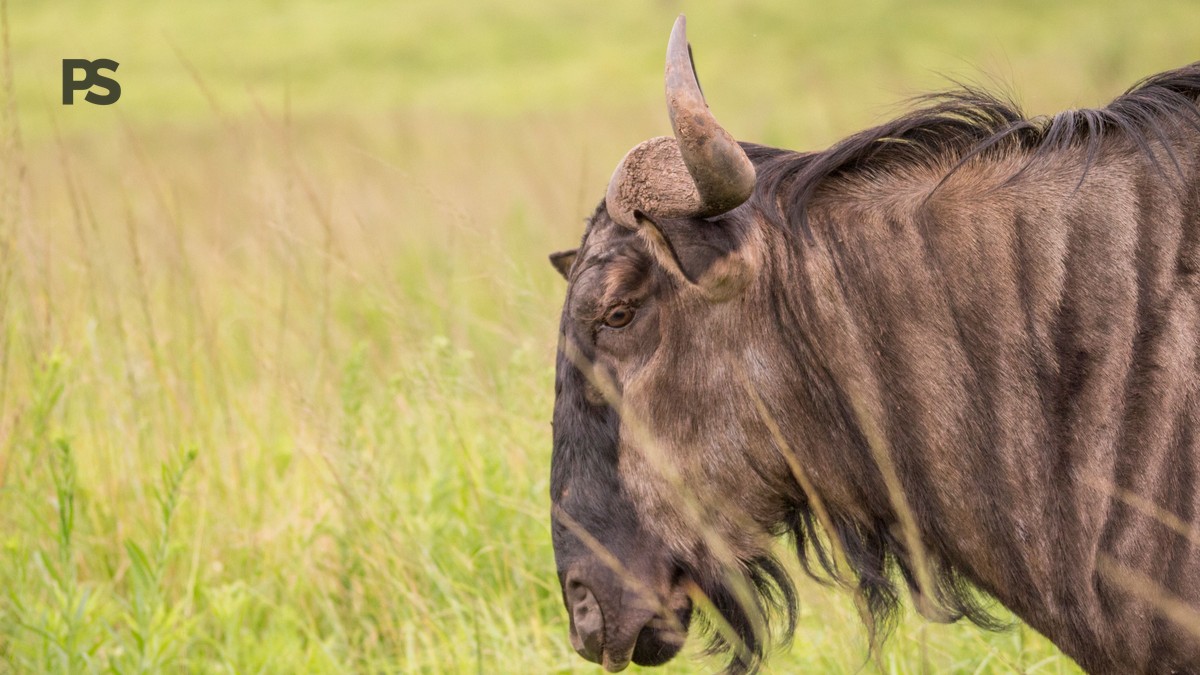
Here’s the honest version. July through October is peak Big Five season, when the wildebeest migration crosses the Mara River and every camp in the Mara Triangle and surrounding conservancies fills up. It’s also when Palearctic migrant birds, the warblers, waders, and raptors that fly down from Europe and Asia, are mostly absent. They arrive from October and stay through April.
So if your priority is migrant species and maximum bird diversity, November through March is stronger than the July migration months. If you want both flamingos and migrants, aim for December through February, when Rift Valley lake numbers are usually good and Palearctic species have settled in.
Flamingo numbers themselves swing year to year based on lake chemistry and rainfall, more than on a fixed calendar month. Bogoria tends to hold birds more consistently than Nakuru, where water levels have shifted a lot over the past decade. We go deeper on this in our piece on flamingo season at Lake Bogoria, including which months gave us the strongest counts on recent trips.
If you’re set on the wildebeest migration and want birds too, plan around it rather than against it. Resident species, storks, herons, raptors, and ground birds like the rosy-throated longclaw, are present in the Mara year-round.
Specialist Bird Guides vs. Standard Safari Guides
This is the single biggest thing serious birders get wrong when booking. A standard safari guide is excellent at finding lions and reading animal behavior. Most can point out an ostrich or a lilac-breasted roller without trouble. But bird calls, quick flight silhouettes, and separating similar cisticolas or warblers by voice takes a different kind of training.
A specialist bird guide typically means someone who has logged serious field hours specifically on birds, often carries a scope, and knows the calls well enough to identify a bird before it’s even visible. For a species list under 200, a good standard guide is fine. For a trip targeting 400-plus species, including skulking forest birds and fast-moving migrants, a specialist guide pays for itself.
Expect specialist bird guides in Kenya to run roughly $80 to $150 per day above a standard guide rate, depending on region and reputation. In dense forest sites like Kakamega or the Taita Hills fragments, a local specialist who works that patch daily is worth more than a general safari guide with broad experience but no forest-specific ear.
How Many Days a Kenya Safari for Serious Birders Actually Needs
Vague habitat lists don’t answer this, so here’s a real range. A rushed birding add-on to a standard safari, two or three sites, gets you 150 to 250 species and feels thin if birds are your main reason for coming.
A serious trip built around birding needs 10 to 14 days. That covers two Rift Valley lakes, Kakamega Forest, one savanna site (Samburu or the Mara), and a coastal forest stop at Arabuko Sokoke if time allows. On a well-planned 12 day circuit with a specialist guide, 400 to 500 species is realistic. Pushing past 550 in two weeks usually means sacrificing sleep and driving hard between sites, which most people regret by day nine.
If you only have a week, pick two regions with strong species turnover, like the Rift Valley lakes plus Samburu, rather than trying to touch five sites and spending half your trip in the vehicle.
Birder-Focused Camps and Lodges
Camp choice changes your birding day more than most travelers expect. Some properties sit inside dense birding habitat with resident guides who know the local specials. Others are built for game drives first, with birding as an afterthought.
In the Mara conservancies, camps in Naboisho and Mara North keep vehicle density low, which matters for patient birding as much as for cat sightings. Conservancy fees generally run $80 to $150 per person per night, bundled into the lodge rate rather than charged separately. Around the Rift Valley lakes, look for properties with lake frontage and staff who can point you to the current flamingo concentrations, since those shift within a season.
Combining Birding with Big Five Game Viewing
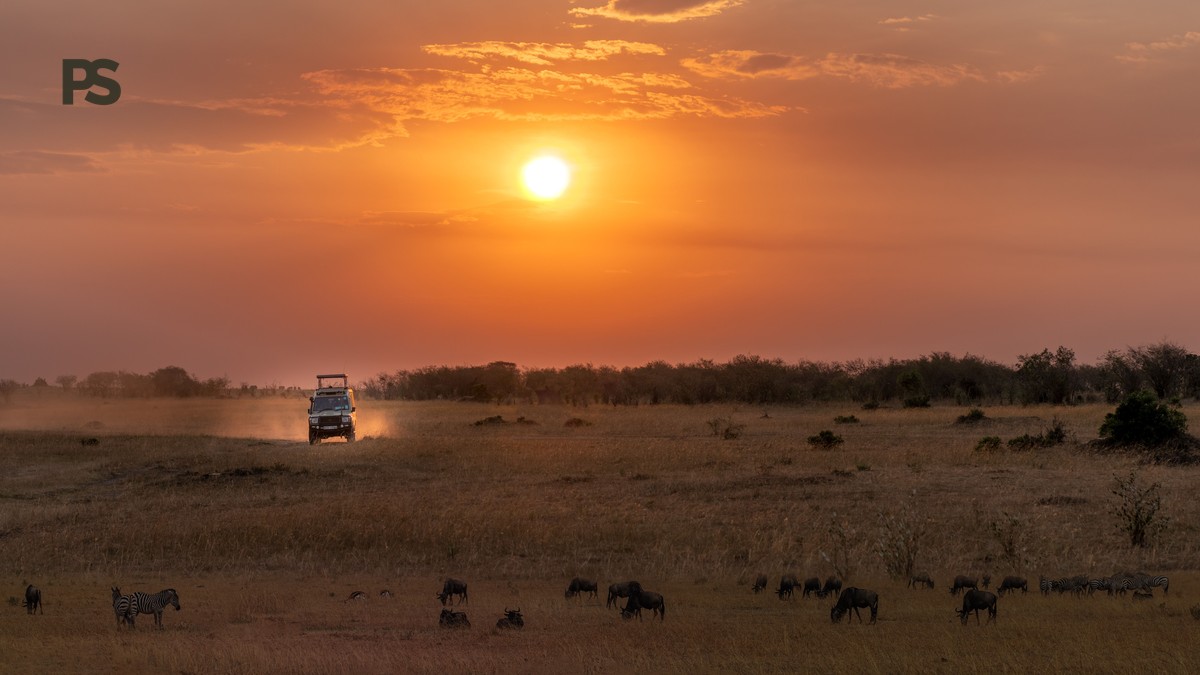
You don’t have to choose one or the other. The trick is sequencing. Start with a lower-key birding phase in the Rift Valley or Samburu, where the pace is slower and vehicle traffic is lighter, then finish with a Big Five-focused stretch in the Mara or a private conservancy. That order lets you build your bird list without competing against a truck full of guests focused only on cats.
Samburu in particular rewards this approach. It has strong dry-country birds, Somali ostrich, vulturine guineafowl, and golden-breasted starling among them, plus healthy predator and elephant populations. It’s genuinely both at once, not a compromise.
Practical Planning: Permits, Checklists, Optics, and Logistics
No special bird-watching permit exists beyond standard park and reserve entrance fees. Bring your own optics. Camps rarely stock quality binoculars for loan, and a shared scope slows down a group significantly. An 8×42 binocular and a compact scope on a car window mount cover most situations.
Pack a regional field guide or an offline app with Kenya-specific range maps, since generic Africa-wide guides miss some subspecies detail that matters for serious listing. Early starts matter more for birding than for game drives. Gates typically open around 6 am, and the first two hours of light are when forest birds are most active and most vocal.
The Plain Safaris Difference
We don’t run birding trips as an add-on to a standard game package. We build the route around your target species list first, then fit game viewing around it, not the other way round. That means naming the actual guide who’ll be with you, not just “a specialist,” and giving you real per-night camp pricing before you commit, not a quote that shows up after you’ve already picked dates.
We’ve walked the Kakamega trails at dawn and sat at Bogoria’s shoreline counting flamingos in changing light. We know which conservancy gates keep vehicle numbers down and which lodges have staff who’ll actually walk the grounds with you before breakfast. That’s the difference between a habitat list and a trip that gets you your species.
Plan Your Birding Safari
If you’re ready to build a Kenya itinerary around real species targets instead of a generic circuit, we’d like to help you plan it. Visit our contact page to start the conversation, or browse our safari packages to see how we structure birding-focused routes.