
This guide to Kenya birdwatching lodges Rift Valley travelers rely on covers five lakes along the Rift Valley floor within a few hours of Nairobi. Naivasha, Elementaita, Nakuru, Bogoria, and Baringo each hold a different mix of birds, and each one rewards a different kind of visit. Nakuru and Elementaita work as easy add-ons to a Nairobi trip. Baringo asks for more time, more heat, and a proper anti-malarial. This guide names real lodges, real prices, and real drive times, so you can build a circuit that fits your pace rather than a fast game-drive itinerary built for someone else.
Which Rift Valley Lake Has the Most Bird Species?
Lake Baringo tops the list, with around 470 species recorded over the decades, more than any other single site in Kenya. Lake Naivasha follows with roughly 400 species thanks to its papyrus swamps and open water. Lake Nakuru National Park has historically recorded over 450 species across its acacia woodland, grassland, and shoreline habitats, though flamingo numbers there swing with water levels. Bogoria and Elementaita carry smaller overall lists but deliver the single best flamingo spectacle when the birds move in.
If you only have one lake in your schedule and species count matters most, Baringo wins. If you want variety without the extra driving, Naivasha or Nakuru make more sense.
Kenya Birdwatching Lodges Rift Valley: How They Compare
| Lake | Distance from Nairobi | Drive Time | Featured Lodge | Indicative Price (per person/night) | Best For |
|---|---|---|---|---|---|
| Naivasha | 90 km | 1.5-2 hrs | Loldia House | USD 250-350, full board | Fish eagles, papyrus endemics, boat trips |
| Elementaita | 120 km | 2 hrs | Sunbird Lodge | USD 150-220, full board | Flamingo overflow, pelicans |
| Nakuru | 160 km | 2.5-3 hrs | Sarova Lion Hill Game Lodge | USD 200-300, full board | Widest species mix in one park |
| Bogoria | 230 km | 3.5-4 hrs | Lake Bogoria Spa Resort | USD 100-160, full board | Reliable flamingo flocks, hot springs |
| Baringo | 280 km | 4.5-5 hrs | Soi Safari Lodge | USD 120-200, full board | Highest species count, night birding |
Prices are indicative and change with season and booking source. Always confirm current rates before you book.
Lake Naivasha: Boats, Papyrus, and Fish Eagles
Naivasha is the closest lake to Nairobi and the most flexible base for a slower birding trip. Loldia House sits on the lake’s western shore on a working farm, with African fish eagles calling from the acacias most mornings. Lake Naivasha Sopa Lodge and the smaller Chui Lodge offer similar shoreline access at lower price points, roughly USD 150-220 per person full board.
Boat safaris here run about USD 40-60 per person for ninety minutes and get you close to malachite kingfishers, African jacanas, and pygmy geese without disturbing the hippos. Naivasha also pairs well with a walking safari on Crescent Island, Naivasha, where there are no predators, so you can walk among giraffe and waterbuck while scanning the shoreline. A cycling safari at nearby Hell’s Gate adds raptors overhead, including Verreaux’s eagles nesting on the cliffs.
Lake Elementaita: The Quiet Flamingo Overflow
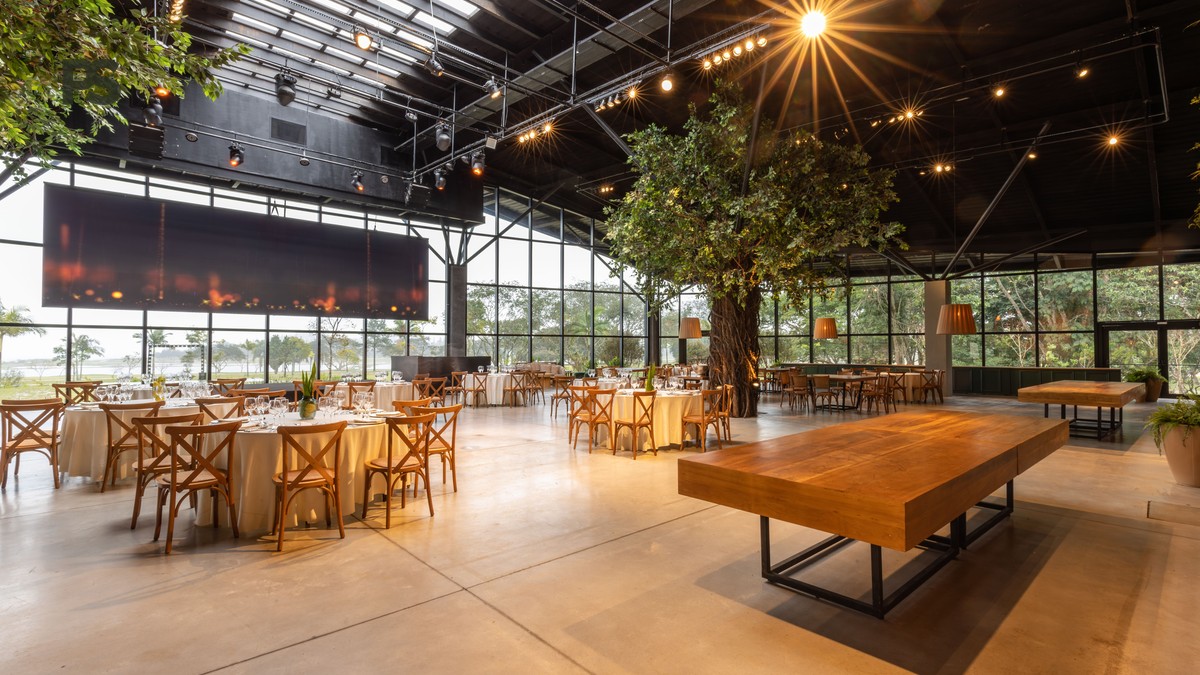
Elementaita rarely gets the crowds that Nakuru does, partly because it has no lodges inside a fenced park and partly because most visitors don’t know it exists. Sunbird Lodge and Lake Elementaita Serena Camp both sit on private land bordering the lake, and their access roads see far less traffic than the Nakuru park gates. When Nakuru’s flamingos shift due to rising water, many move to Elementaita instead, so it’s worth checking current numbers before you commit to one lake over the other.
Lake Nakuru National Park: The Easiest Add-On
Lake Nakuru National Park charges USD 90 per adult per day for non-residents, the standard KWS rate since October 2025. Inside the park, Sarova Lion Hill Game Lodge and Lake Nakuru Sopa Lodge both overlook the water from wooded hillsides, putting you within a short drive of the shoreline at first light. The park still delivers strong numbers of pelicans, cormorants, and birds of prey even in years when the flamingos thin out, plus rhino and giraffe on the drive between viewpoints.
Is Lake Nakuru worth visiting if the flamingos have moved elsewhere? Yes. The park’s broader species list, from Rothschild’s giraffe country to raptor-heavy woodland, holds up even without a pink shoreline.
Lake Bogoria: The Safer Flamingo Bet
Bogoria sits in a hotter, more dramatic rift landscape, with geysers and hot springs along the eastern shore. Lake Bogoria Spa Resort offers full-board rooms from around USD 100-160 per person, making it one of the better-value stays on this list. Because Bogoria’s water chemistry stays consistently alkaline, it holds flamingo flocks more reliably than Nakuru, especially from June through October. If your main goal is guaranteed flamingo numbers rather than the widest species list, Bogoria is often the steadier choice.
Lake Baringo: The Serious Birder’s Lake
Baringo and Naivasha are the two freshwater lakes on this circuit, while Elementaita, Nakuru, and Bogoria are alkaline soda lakes. That freshwater base shows in Baringo’s birdlist. Soi Safari Lodge and the long-running Lake Baringo Club both sit on the shore with resident guides who know individual nesting sites for species like the northern masked weaver and the Verreaux’s eagle owl. Robert’s Camp offers a budget option nearby with simple bandas and camping.
Baringo is also Kenya’s best spot for night birding, with regular sightings of Slender-tailed nightjars and pearl-spotted owlets on evening boat rides. Boat safaris cost roughly USD 50-70 for two hours and are the best way to see African skimmers and crocodiles at close range.
Baringo sits in a malaria risk zone, along with the other four lakes on this list, so pack repellent and start anti-malarials before you travel. The heat here runs higher than at Naivasha or Nakuru, often past 30°C by midday, so plan birding for early morning and late afternoon.
When to Go for Flamingos
Flamingo numbers move between lakes depending on rainfall and algae levels, so no single month guarantees a sighting at any one site. Bogoria tends to hold birds most consistently from June through October. Nakuru and Elementaita can host large flocks any time water conditions suit them, but numbers have been less predictable since 2020 due to fluctuating lake levels. Check recent reports before locking in a date, and build flexibility into a multi-lake circuit so you’re not tied to one site.
Practical Tips and Getting There
All five lakes are reachable by road from Nairobi in under five hours, and a private transfer or self-drive works better than public transport given the early starts birding demands. Bring 8×42 binoculars if you can, since low light at dawn favors a wider field of view. A local guide at each lake sharpens your list considerably, and most lodges can arrange one for USD 20-30 a day. For a full route that links all five lakes in sequence, see our Rift Valley Lakes Birding Circuit route guide.
You can combine this circuit with a Maasai Mara safari by routing back through Narok, though the drive from Nakuru to the Mara adds another four to five hours, so most travelers treat the lakes and the Mara as separate legs rather than one continuous loop.
The Plain Safaris Difference
We’ve driven every one of these lake roads ourselves, not just booked them from a desk. That means we know which Nakuru gate has the shortest queue at 6 a.m., which Baringo boatman actually cuts the engine near the skimmer colonies, and which Naivasha lodge keeps its garden feeders stocked when the rains are light. We build circuits around your pace, not a fixed template, so a slow birder gets slow mornings and a family gets shorter drive days between stops.
Plan Your Rift Valley Birding Trip
Ready to build a lake-by-lake circuit around your own birding pace? Get in touch through our contact page and we’ll put together an itinerary suited to the species and season you care about most.