
You’ve seen the wildebeest crossing. You’ve sat in a line of twelve vehicles watching one leopard yawn. That’s the Mara in July, and it’s worth doing once. But if you’ve already checked that box, Kenya has quieter corners that still deliver serious game viewing, just without the traffic jam.
I’ve driven the roads into Meru, Samburu, and the Laikipia plateau more times than I can count. This guide covers quiet Kenya safari destinations, what those places actually offer, what they cost in 2026, and what you give up by skipping the Mara’s big-cat density for something calmer.
Why Trade the Mara for Somewhere Quieter
The Masai Mara National Reserve now charges non-resident visitors USD 100 a day from January through June, and USD 200 a day from July through December during peak migration months. That’s a lot of money to share a sighting with twenty other trucks.
Quieter parks cost less to enter, put fewer vehicles on the same stretch of road, and often allow activities the Mara reserve doesn’t, like night drives and walking safaris. The trade-off is real: lower predator density in most of these parks, and longer transfer times from Nairobi. This guide is honest about both sides.
Quiet Kenya Safari Destinations Worth Your Time
Meru National Park, Kenya’s quietest park sees a fraction of the Mara’s visitor numbers. It’s where Elsa the lioness lived, made famous by Born Free, and the terrain is wilder and more varied, doum palms, rivers, open plains. Elephant and buffalo numbers are strong, lion and leopard sightings take patience.
Samburu National Reserve and Shaba National Reserve sit north of the equator along the Ewaso Nyiro River. The landscape is dry and dramatic, and you’ll find species you won’t see farther south: Grevy’s zebra, reticulated giraffe, gerenuk, and Somali ostrich. Both reserves are county-run, not KWS, and vehicle numbers stay low even in August.
Laikipia, including Lewa Wildlife Conservancy, is Kenya’s private-conservancy heartland. It borders Samburu country and mixes ranch land with protected wildlife corridors. This is the place for wild dog sightings, which have become rare almost everywhere else in Kenya.
Tsavo East and Tsavo West together form one of the largest protected areas in Kenya, at roughly 22,000 square kilometers combined. Tsavo East’s red-dust elephants and the Yatta Plateau lava flow are unlike anything in the Mara ecosystem. Non-resident entry is USD 80 a day per park.
Private conservancies near the Mara, like Naboisho and Mara North, sit just outside the national reserve boundary. Vehicle numbers are capped by contract, often one vehicle per sighting, and rates run roughly USD 80 to 150 per person per night, usually bundled into the camp’s nightly rate rather than billed separately.
Chyulu Hills, between Amboseli and Tsavo, is a green, rolling volcanic range with views of Kilimanjaro on a clear morning. It’s not a big-game park in the classic sense, but it’s one of the quietest landscapes in southern Kenya. Non-resident entry is USD 40 a day, the lowest fee on this list.
Ruma National Park, near Lake Victoria, and Kakamega Forest, Kenya’s only tropical rainforest, round out the list for travelers who want something completely different: roan antelope at Ruma, and rare birds and primates at Kakamega. Both are far from the standard circuit and require a dedicated trip.
How These Destinations Compare
| Destination | Distance from Nairobi | Drive time (or flight) | Non-resident entry fee | Best for |
|---|---|---|---|---|
| Meru National Park | ~350 km | 5-6 hrs drive / 45 min flight | ~USD 60-75/day (indicative, confirm before booking) | Solitude, Elsa’s story, river scenery |
| Samburu National Reserve | ~325 km | 5-6 hrs drive / ~1 hr flight | ~USD 70/day (indicative, county reserve) | Northern specials, dry-country landscapes |
| Laikipia / Lewa Conservancy | ~200-220 km | 3.5-4 hrs drive / 45 min flight | ~USD 100-140/night (indicative, bundled) | Wild dogs, rhino conservation, walking safaris |
| Tsavo East / West | ~330 km | 4-5 hrs drive | USD 80/day per park | Elephant herds, wide open space |
| Naboisho / Mara North Conservancy | ~270 km | 5-6 hrs drive / 45 min flight | USD 80-150/night (bundled) | Mara game without Mara crowds |
| Chyulu Hills National Park | ~250 km | 4 hrs drive / 45 min flight | USD 40/day | Volcanic landscapes, Kilimanjaro views |
Fees marked indicative should be confirmed with your operator before travel, since county reserves and private conservancies adjust rates independently of KWS.
Best Time to Go for Fewer Crowds
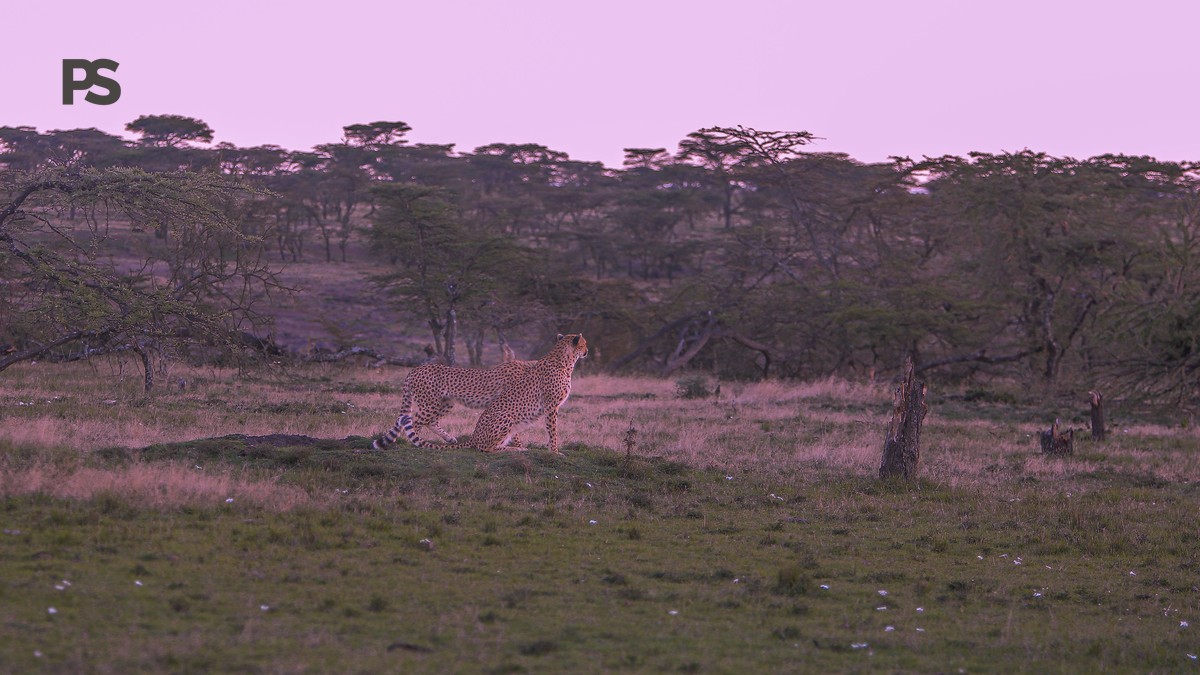
April, May, and November are Kenya’s long and short rains. Roads get muddy, but that’s exactly why these months are quiet everywhere, including the Mara. If you want dry weather and low crowds together, aim for early June or the first two weeks of January, just before or after the busiest school-holiday windows.
For the Mara specifically, going in January through June instead of July through December saves you half the daily entry fee and cuts vehicle numbers noticeably.
Getting There from Nairobi
Most of these parks are reachable by scheduled light aircraft from Wilson Airport, usually 45 minutes to just over an hour. Driving is cheaper but slower: Meru and Samburu both take a full travel day if you’re doing it by road, largely because the last stretch of highway past Nanyuki or Isiolo isn’t fast going. Laikipia is the closest by road, at under four hours, which makes it a good first or last stop on a longer circuit.
Where to Stay: Conservancies vs Tented Camps
Private conservancies like Naboisho and Lewa bundle conservation fees, game drives, and sometimes activities into one nightly rate. National park stays, like those in Meru or Tsavo, usually mean paying park entry separately from your camp bill. Tented camps in these quieter regions tend to be smaller too, often 6 to 12 tents, compared to some Mara lodges that run 30 rooms or more during peak season.
What You Can Do That You Can’t in the Mara
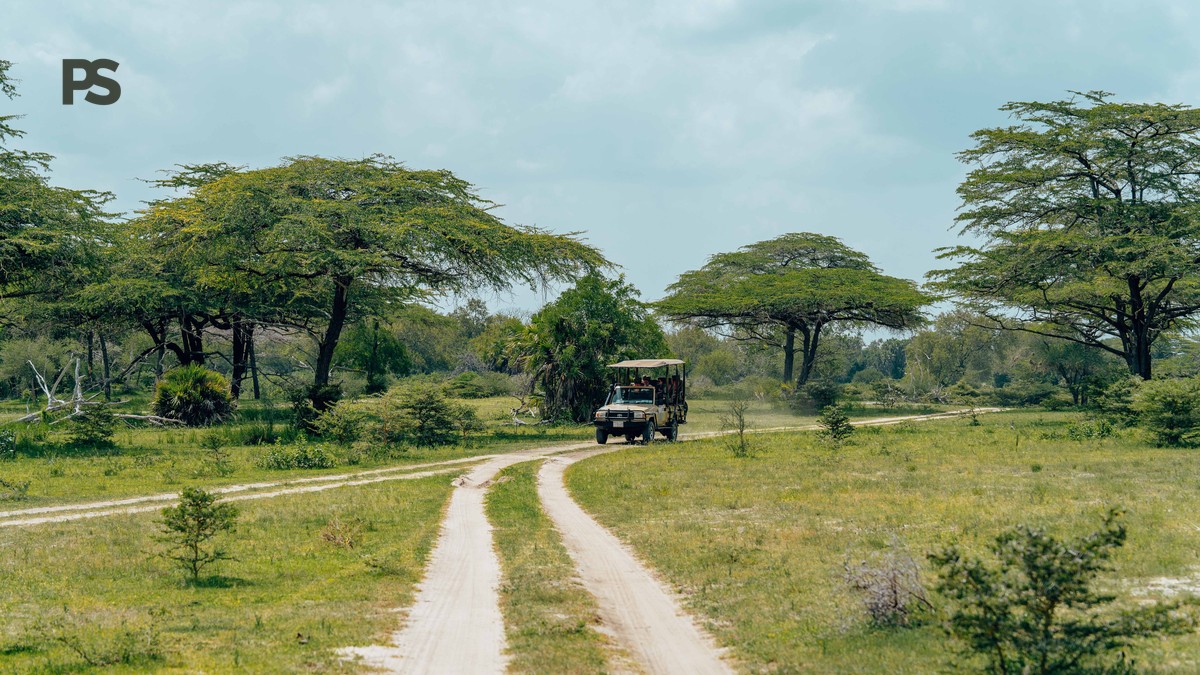
Night game drives and off-road driving are banned inside the Masai Mara National Reserve itself, though some conservancies allow both. Meru, Samburu, and most Laikipia conservancies permit night drives, which means a real shot at seeing leopard, genet, and aardvark after dark. Walking safaris are also common in Laikipia and around Meru, something you generally can’t do inside the Mara reserve boundary. Cultural visits to Samburu villages are easy to arrange from camps in that region, offering a different kind of morning than another game drive.
The Rhino Angle: Lewa and Ol Pejeta
Lewa Wildlife Conservancy in Laikipia and Ol Pejeta Conservancy nearby both run serious black and white rhino protection programs, with armed ranger patrols and tracking collars. Ol Pejeta is also home to the last two northern white rhinos on earth, Najin and Fatu, both female. Visiting either conservancy puts your park fees directly into anti-poaching work, which isn’t something you can say about every stop on a standard circuit.
Planning Tips for a Crowd-Free Circuit
Combine two regions rather than one. Laikipia plus Samburu works well as a five to six night loop, with a short flight or a half-day drive between them. Families with young kids do better in Laikipia, where many conservancies allow children under 12 on game drives and some camps have family tents with connecting rooms. Meru and Tsavo suit travelers who want fewer amenities and more raw wilderness. Book camps with under 15 tents if low vehicle counts matter to you, and ask your operator directly how many vehicles typically share a sighting in that specific conservancy.
The Plain Safaris Difference
We’ve sat in the quiet corners of Meru at 6 a.m. with no other vehicle in sight, and we’ve also sat in Mara traffic waiting for a cheetah to move off the track. Both trips have their place, but most listicles won’t tell you which camps actually deliver on the “quiet” promise or what a night there really costs in 2026.
Plain Safaris names the camps, gives you the current rate ranges, and tells you honestly where you’ll trade predator sightings for solitude. We build circuits around drive times that actually work, not routes that look good on a map but cost you a full day on rough roads.
Ready for Somewhere Quieter?
If the Mara already has your stamp, let’s talk about what’s next. Explore our tailored safari packages or reach out through our contact page to start planning a circuit built around the quiet parks that fit your dates, your budget, and what you actually want to see.