
I’ve watched a photographer miss the last twenty minutes of a cheetah hunt. His second battery died, and his charger sat useless in a dark tent. The camp’s generator wasn’t due on for another three hours. That’s the part nobody tells you before you land in Kenya. Charging camera batteries safari camps depends entirely on the type of camp, and the answer changes by the hour.
This guide breaks down what actually happens with power at Kenyan camps, from full-grid lodges to solar tented camps to mobile fly-camps with no fixed power at all. If you’re planning a photography-focused trip, the best Kenya safari camps for photographers post pairs well with this one for choosing where to base yourself.
Voltage and Plug Type in Kenya
Kenya runs on 220 to 240 volts, and the standard socket is the Type G plug, the same three-pin rectangular plug used in the UK. Most modern camera chargers are dual voltage, so check the fine print on your charger before you pack. If it says “input 100-240V,” you only need a plug adapter, not a converter. If it lists a single voltage under 120V, you need a step-up converter too. Those add weight and bulk for something a five dollar adapter usually solves. Bring one universal adapter per person, not one per bag. Camps rarely stock spares, and the ones that do often run out by the third guest of the week.
Charging Camera Batteries Safari Camps: Electricity Schedules Are Not All the Same
This is where most FAQ pages get vague. “Power is usually available morning and evening” tells you nothing useful when you’re deciding whether to bring four batteries or eight. Here’s how it actually breaks down across the three camp types you’ll find across the Mara, Samburu, and Amboseli ecosystems.
Permanent lodges on the grid or with a full-time generator, common around Amboseli and the edges of Lake Nakuru, give you power around the clock. You charge whenever you want, including overnight while you sleep.
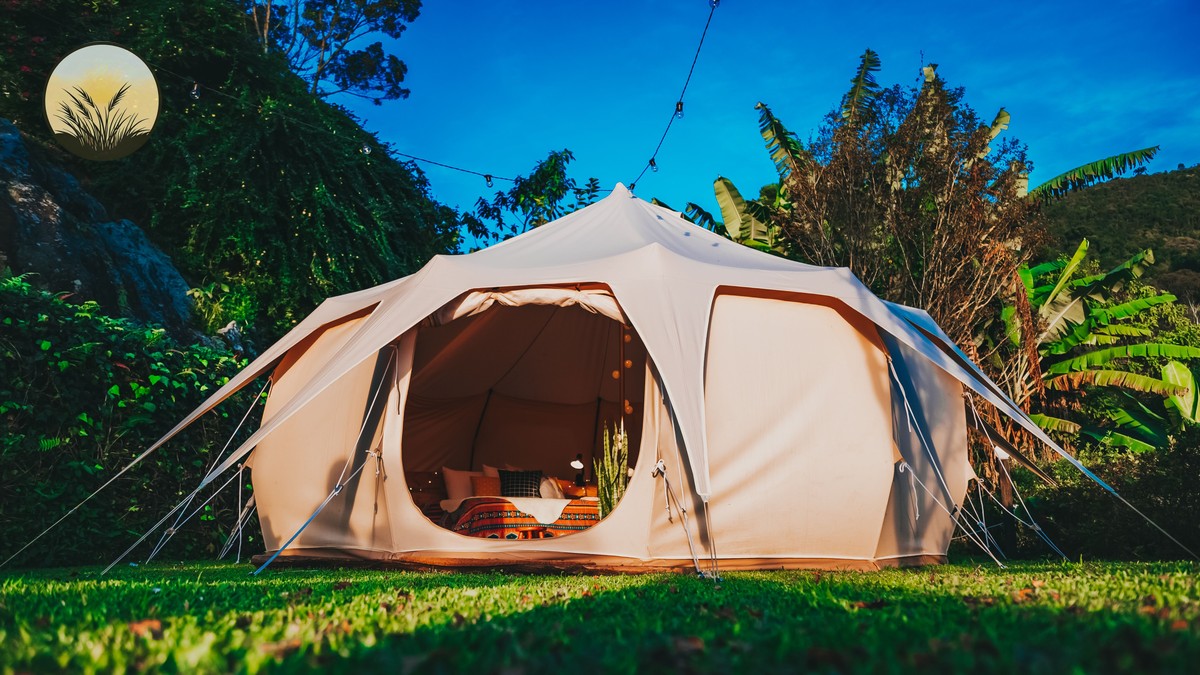
Solar tented camps, the majority of camps inside conservancies like Mara North and Naboisho, run on battery banks charged by rooftop solar panels. Power is steady during daylight hours but gets rationed after dark once the stored charge starts dropping. This happens most during overcast spells in the November and April rains.
Mobile fly-camps are used on multi-day walking or riverine circuits in places like the Mara Triangle or Chyulu Hills. They often run a small generator for two hours in the evening and nothing else. Some don’t run a generator at all and rely purely on solar panels laid out during the day.
| Camp Type | Typical Location | Power Source | Realistic Charging Window | Backup Needed |
|---|---|---|---|---|
| Permanent lodge | Amboseli, Nakuru fringe | Grid or 24hr generator | Anytime, day or night | Power bank optional |
| Solar tented camp | Mara North, Naboisho Conservancy | Solar plus battery bank | Strongest 9am-4pm, limited after dark | 3-4 spare batteries |
| Mobile fly-camp | Mara Triangle, Chyulu Hills | Small generator or solar only | 1-2 hours in the evening, sometimes none | Solar charger and power bank essential |
Charging in the Safari Vehicle
A well-equipped photographic safari vehicle usually solves more of this problem than people expect. Most vehicles built for photographers run a 12V outlet and often a USB port. It’s wired to the main battery, not a separate accessory circuit that dies when the engine stops. That means you can top up a battery or a power bank during the two or three hours between morning game drive and brunch. This works whether the vehicle sits parked at a sighting or heads back to camp.
Not every vehicle is set up this way, so ask before you book. If you want a rundown of what to look for, the photographic safari vehicle guide covers seating, beanbag mounts, and power setups in more depth. A vehicle with a working inverter and two USB ports covers a surprising amount of ground for a photographer shooting all day.
Power Banks and Backup Battery Strategy
Here’s the honest trade-off most guides skip. Solar-only conservancy camps are lovely for privacy and low vehicle density, but they can leave you short on power during a run of back-to-back cat sightings. If a leopard sighting in Naboisho stretches from 6am to 11am, you can burn through two batteries before breakfast. That’s what happens when you shoot continuous burst mode with a long lens.
A rough rule works well on a five to seven day trip: bring one camera battery per shooting day, plus two extra as a buffer. Five days means seven batteries minimum. If you shoot two bodies, double that. Add one 20,000mAh power bank per person. It handles two to three full camera battery charges through a USB-C cable and doesn’t care whether camp power is on. A small foldable solar panel, the kind that clips to a daypack, is worth the extra 400 grams. It pays off if your circuit includes more than one night at a mobile fly-camp.
Lens choice affects this too. If you’re deciding what to bring, the best lens focal length for wildlife safari post is worth reading before you pack. A 200-600mm lens run in servo mode all morning will drain a battery noticeably faster than a 70-200mm.
Universal Adapters vs Voltage Converters
Bring a universal travel adapter with UK-style Type G pins built in. Skip the voltage converter unless your specific charger requires it, since most camera and phone chargers already handle 100-240V input. Check the small print stamped on the charger brick itself, not the box it came in, before you leave home.
Shared Charging Stations and Camp Etiquette
Smaller tented camps often have one central charging station in the mess tent or lounge, shared by everyone staying that night. A few habits keep things running smoothly for the whole group. Label your adapter and cable with tape and a marker, since three identical black chargers look the same at 6am. Unplug as soon as your battery is full rather than leaving it topping off for hours. Don’t run a laptop and a battery charger off the same solar circuit if the camp asks you not to. That’s usually a sign the battery bank is already stretched thin that day.
Leaving batteries charging unattended overnight is common practice and generally safe at reputable camps, but check with your guide first at smaller solar setups. Some camps prefer charging to happen during staffed daytime hours so someone can monitor the load.
Packing Checklist for Photographers
- One camera battery per shooting day, plus two spares
- A 20,000mAh (or larger) power bank per person
- A universal Type G adapter, one per traveler
- A small foldable solar panel if your itinerary includes fly-camps
- A dry bag or zip pouch to keep batteries away from dust on game drives
- A voltage converter only if your charger doesn’t list 100-240V input
The Plain Safaris Difference
We build itineraries around the camps we know keep their power promises, not just the ones with the nicest brochure photos. When we route you through a solar tented camp in Mara North or Naboisho, we tell you the real charging window before you arrive. We don’t just give you a vague “power available daily” line. If your circuit includes a mobile fly-camp night in the Mara Triangle or near Chyulu Hills, we flag it. That way you pack the right backup gear instead of finding out at 9pm with a dead battery and a leopard sighting planned for dawn.
We also know which conservancies keep vehicle numbers capped at a sighting, since Mara North and Naboisho both limit vehicles per animal. That matters as much to your shots as your battery count does. That kind of detail only comes from actually driving these roads season after season, not from reading someone else’s guidebook.
Plan Your Trip
If you’re building a photography-focused circuit through the Mara, Samburu, or Amboseli, we can help. Get in touch through our contact page. We’ll plan a route that matches your gear and your patience for early starts, and keeps your batteries charged and your shots in focus.