
If you have already done a Masai Mara circuit and sat in a line of ten vehicles watching one leopard, a Meru National Park safari will feel like a different country. It sits northeast of Mount Kenya, roughly 348 km from Nairobi. Most days you will share a sighting with nobody but your own guide.
This is a straight answer on drive times, lodge prices, and what you actually see once you get there, including the animals Meru is weaker on.
Why a Meru National Park Safari Is Worth It
Meru covers about 870 square km of riverine forest, doum palm groves, and open grassland cut by the Tana and Rojoweru rivers. George Adamson called it some of the most beautiful country in Kenya, and the terrain still looks close to how he described it.
The draw for a repeat visitor is simple: low vehicle density. Meru gets a fraction of the Mara’s annual visitors, so a good sighting stays a private one. That trade comes with a real cost, which is fewer guaranteed leopard and cheetah encounters. More on that below.
Wildlife and Big Five Game Viewing
Meru holds all Big Five, but not with equal odds. Elephants are common along the rivers. Buffalo herds move through the grassland in the dry months. Lion prides are resident and reasonably easy to find with a good guide.
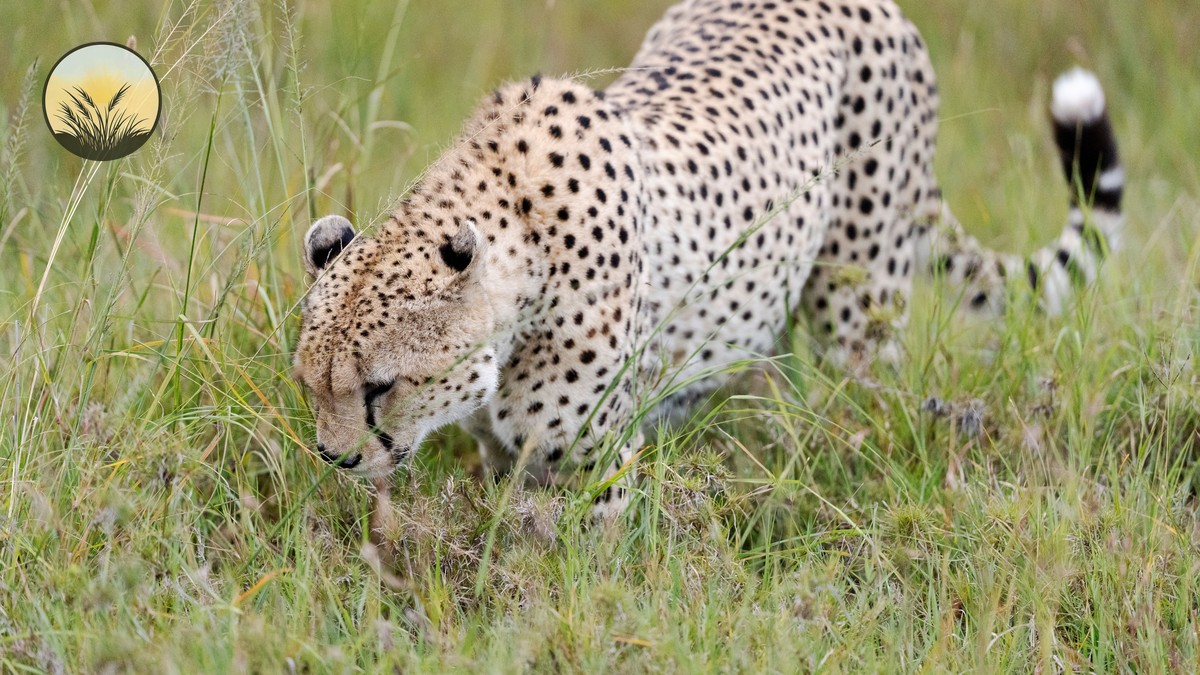
Leopard and cheetah are the harder ticket. The dense riverine cover that makes Meru beautiful also makes leopard sightings inconsistent, and cheetah prefer the more open plains further north around Samburu and Laikipia. If leopard is your priority species, set expectations accordingly, or pair Meru with a conservancy known for cats.
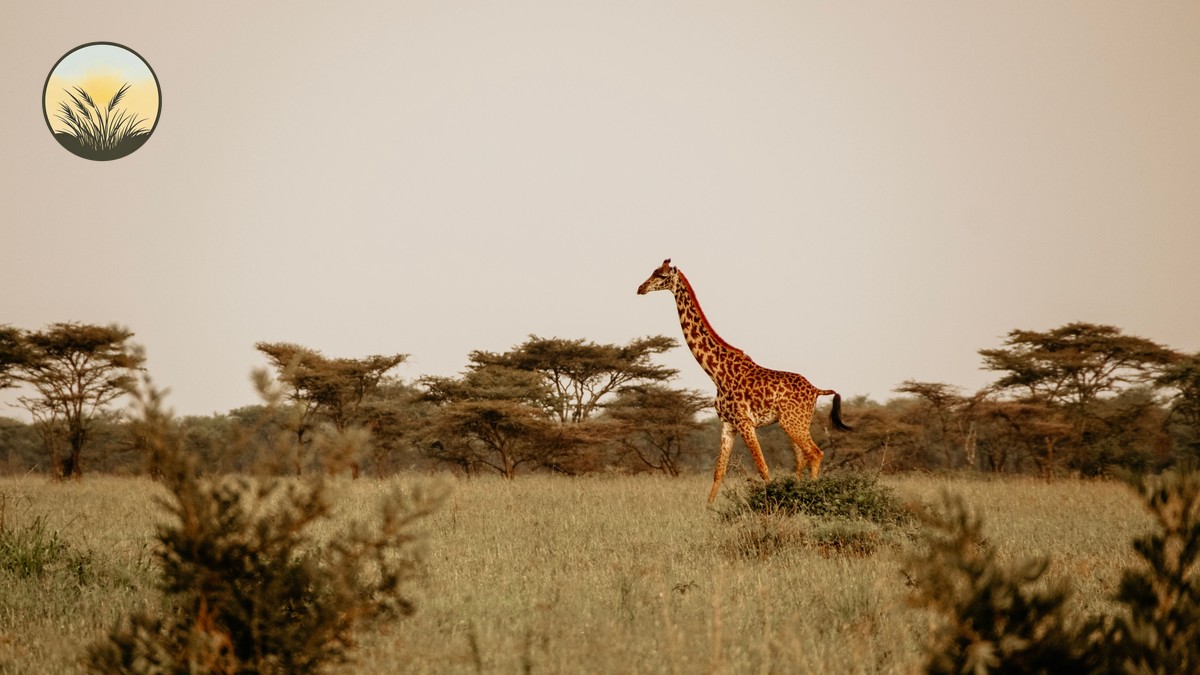
What Meru does better than almost anywhere else in Kenya is rhino. Both black and white rhino live inside a dedicated sanctuary, described more below. Reticulated giraffe and Beisa oryx add species you will not see on a standard Mara-Amboseli-Nakuru loop. Birders do well too. Over 400 species have been recorded, and the slower pace rewards patient travelers. Our guide to slow-travel birding safaris in Kenya covers how to plan one properly.
The Born Free Story
Meru’s other claim to fame is Elsa the lioness. George and Joy Adamson raised her here in the 1950s and released her back into the wild in this same landscape, a story that became the book and film “Born Free.” Elsa is buried within the park near the Ura River, close to the site of the Adamsons’ old camp.
That history is why Elsa’s Kopje, the park’s flagship lodge, sits on Mughwango Hill, the same hill George Adamson once used as a lookout. Staying there is as much a piece of conservation history as it is a place to sleep.
Best Time to Visit Meru National Park
Dry season runs from June to October and again from January to March. Roads firm up, wildlife concentrates near the rivers, and this is when we recommend booking. The long rains hit hard in April and May, when some park roads become impassable and several camps close or drop rates. A shorter rainy spell in November can also affect road access, though it clears faster.
For photography, June to September gives clear skies and green backdrops from the tail end of the rains, without the mud.
Getting There: Road and Air
By road, Meru National Park is about 348 km from Nairobi, a 5 to 6 hour drive via Nanyuki and Meru town, entering through Murera Gate on the western side. The road is tarmac most of the way, with the last stretch on gravel.
By air, it is closer to an hour from Nairobi Wilson Airport. Scheduled and charter flights land at Kina or Mulika airstrips, both inside the park, or at the airstrip serving Elsa’s Kopje directly. Most of our clients combining Meru with Samburu fly, since the road link between the two is long and rough.
| Route | Distance | Drive time | Fly time | Non-resident park fee (24 hr, indicative) |
|---|---|---|---|---|
| Nairobi to Meru National Park | 348 km | 5 to 6 hours | about 1 hour | USD 52 (indicative, confirm with KWS before travel) |
| Nairobi to Samburu National Reserve | 325 km | 5 hours | about 1 hour | USD 70 to 100 (indicative, county reserve fee) |
| Nairobi to Masai Mara National Reserve | 270 km | 5 to 6 hours | 45 minutes | USD 200 peak season (indicative, Narok County rate) |
Fees change with government reviews, so confirm current rates before you travel. The comparison still holds: Meru costs less to enter and carries fewer vehicles per sighting than the Mara.
Where to Stay in Meru National Park
Lodge choice in Meru is narrower than in the Mara, which keeps the park quiet but also means booking early for the dry season.
- Elsa’s Kopje (Elewana): the park’s best-known lodge, built into Mughwango Hill with open-front cottages. Expect USD 700 to 1,000 per person per night, full board, in the main dry season. It is one of Kenya’s most photographed safari lodges. See our roundup of Kenya’s best camps for photographers for others.
- Rhino River Camp: a smaller tented camp on the Rojoweru River, more moderately priced at roughly USD 350 to 500 per person per night, full board. Good value if you want a proper camp feel without Elsa’s Kopje’s price tag.
- Ikweta Safari Camp or Kinna self-catering bandas: budget options from around USD 80 to 150 per person per night for travelers comfortable arranging their own meals or a simpler setup.
Activities
Game drives run morning and afternoon, as in most Kenyan parks. Meru also allows guided walking safaris with an armed ranger in parts of the park, a rare option this close to Big Five country. Some camps run night drives on private land bordering the park, since night drives are not permitted inside most Kenyan national parks under KWS rules.
Fishing is available on the Tana and Rojoweru rivers for camps that offer it, mostly for barbel and tilapia. It is a slow, pleasant add-on rather than a main event.
Climate
Meru sits lower and warmer than the Mara, with daytime temperatures between 24 and 32 degrees Celsius year round. Nights cool down but rarely feel cold. Humidity rises during the two rainy periods, April to May and briefly in November.
Conservation and the Rhino Sanctuary
Meru’s rhino population was wiped out by poaching in the 1980s. Kenya Wildlife Service later fenced a sanctuary inside the park to protect reintroduced black and white rhino under armed patrol. The sanctuary originally covered about 35 square km. KWS doubled it to roughly 83 square km in 2017 to give the growing rhino population more room. That sanctuary is now one of the more reliable places in Kenya to see rhino at close range, not just from a distance across open plains.
Meru vs Samburu vs the Mara
This is the question most repeat visitors actually ask, and most tour-operator pages skip it.
The Mara wins on sheer density and predator drama, especially during the wildebeest migration. It also has the most vehicles per sighting of the three. Samburu offers strong leopard odds in a landscape more open and arid than Meru’s, with classic dry-country scenery along the Ewaso Nyiro River. Meru wins on quiet, on rhino, and on birding, but trails both on leopard and cheetah reliability.
Our honest read: if this is your first repeat trip past the Mara, pair Meru with Samburu rather than trying to fit in all three. The short flight between them keeps the circuit relaxed instead of rushed.
How Many Days Do You Need
Two nights covers the highlights, but three lets you add a walking safari and a slower rhino sanctuary visit without rushing game drives. Families with young children do well with three nights and one activity a day, rather than back-to-back drives.
Is Meru Safe
Meru is safe for travelers on an organized safari with a licensed guide. It is more remote than the Mara, with fewer camps and less mobile signal, which is part of its appeal rather than a risk in itself. Standard safari precautions apply, the same ones we cover in our notes on tipping your safari guide in Kenya and general trip etiquette.
The Plain Safaris Difference
We do not sell Meru as a stop to check off. We route it the way we would drive it ourselves: enough nights to let the rhino sanctuary and a walking safari earn their place, honest odds on leopard before you book, and a Samburu pairing when the timing and budget make sense. Every lodge above, we have vetted for value against its price band, not just its brochure photos.
Plan Your Meru Safari
Meru rewards travelers who already know what a crowded park feels like and want the opposite. If you are ready to trade a few leopard sightings for empty roads, resident rhino, and a genuine piece of Born Free history, we can build a circuit around it. Get in touch through our contact page to start planning, or look at our Samburu and Meru safari packages for a ready-made starting point.