
This guide covers the best camps for photographers Kenya has to offer, ranked by light, vehicle limits, and honest trade-offs. Most camp lists tell you a lodge has “photography hides” or “expert guides” and leave it there. That’s not enough to plan a trip around. What actually matters is where the camp sits relative to first light, how many vehicles show up at a sighting, and whether your guide will hold position for twenty quiet minutes instead of rushing to the next radio call.
I’ve spent enough mornings parked at the edge of the Mara River waiting for a crossing to know the difference between a camp built for photographers and one that just says it is. Here’s an honest rundown, with real numbers where I can give them.
Why Camp Choice Changes Your Photos
Two things decide most of your shots before you even lift a camera: where the sun rises relative to your subject, and how many other vehicles are boxing you in.
A camp inside a private conservancy can get you to a pride of lions before sunrise, alone, because the reserve gate opens later and the crowds haven’t arrived. A camp on the wrong side of a river might cost you an hour of driving before you reach good light. Positioning is not a detail. It’s the whole plan.
Camp-by-Camp: The Best Camps for Photographers Kenya Has to Offer
| Camp | Location | Airstrip & Drive Time | Vehicles per Sighting (typical cap) | Indicative Rate (USD, per person/night) |
|---|---|---|---|---|
| Angama Mara | Oloololo Escarpment, above the Mara Triangle | Kichwa Tembo, about 45 minutes | Reserve rules apply, often 15-20+ at a river crossing | $1,100-1,600 |
| Kicheche Mara Camp | Mara North Conservancy | Musiara, about 20 minutes | 5 vehicles, conservancy rule | $750-950 |
| Naboisho Camp | Naboisho Conservancy | Ol Kiombo, about 30 minutes | 5 vehicles, conservancy rule | $700-900 |
| Entim Camp | Maasai Mara National Reserve, Mara Triangle | Mara Serena, about 15 minutes | No formal cap, can run 15-20+ | $650-850 |
| Mara Plains Camp | Olare Motorogi Conservancy | Olare Orok, about 15 minutes | 5 vehicles, conservancy rule | $1,300-1,800 |
| Ol Pejeta Bush Camp | Ol Pejeta Conservancy, Laikipia | Nanyuki, about 45 minutes by road | 3-4 vehicles at rhino or predator sightings | $600-800 |
| Elephant Bedroom Camp | Samburu National Reserve, Ewaso Nyiro River | Samburu/Kalama, about 20 minutes | No formal cap in the reserve | $500-700 |
Rates are indicative, all-inclusive, and shift with season. Always confirm current pricing and conservancy fees before booking.
Angama Mara sits over 300 meters above the Mara Triangle floor, which means you get sweeping light on the plains below at sunrise without leaving the property. Rooms face east. The trade-off is that game drives still descend into reserve territory, where vehicle numbers at a big crossing can climb fast.
Kicheche Mara Camp and Naboisho Camp both sit inside conservancies that cap sightings at five vehicles. That cap is written into the conservancy’s grazing and tourism agreement with the Maasai landowners, not just marketing language. Guides here also run dedicated photography vehicles with swivel seats and bean bags on request, and can leave the main track when the light calls for it.
Entim Camp puts you inside the national reserve, a short drive from the river crossing points near the Mara Triangle. That proximity is the appeal. The cost is company. When a crossing starts, reserve rules allow far more vehicles to converge than any conservancy would tolerate.
Mara Plains Camp, in the Olare Motorogi Conservancy, runs the same five-vehicle limit and adds night drives, which the national reserve does not permit. If you want leopards at dusk without twenty headlights nearby, this is where you find it.
Ol Pejeta Bush Camp in Laikipia is the pick for rhino photography. Ol Pejeta Conservancy holds one of Kenya’s last populations of both black and northern white rhino, and vehicle numbers at any single sighting stay low by conservancy rule.
Elephant Bedroom Camp sits directly on the Ewaso Nyiro River in Samburu National Reserve, giving you elephants crossing the water in view of the mess tent. Samburu’s dry, red-earth landscape also photographs differently from the green Mara, worth considering if you’re building a varied portfolio.
What Makes a Vehicle Photographer-Friendly
A camp can have the right light and the wrong vehicle, and that ruins the morning just as fast. Swivel seats, individual window space, and a guide who reads wind and shadow before repositioning all matter more than the brochure photo of a bean bag. We’ve written a full breakdown of what actually makes a safari vehicle good for photography, worth reading before you lock in a camp.
Best Time of Year for Photography
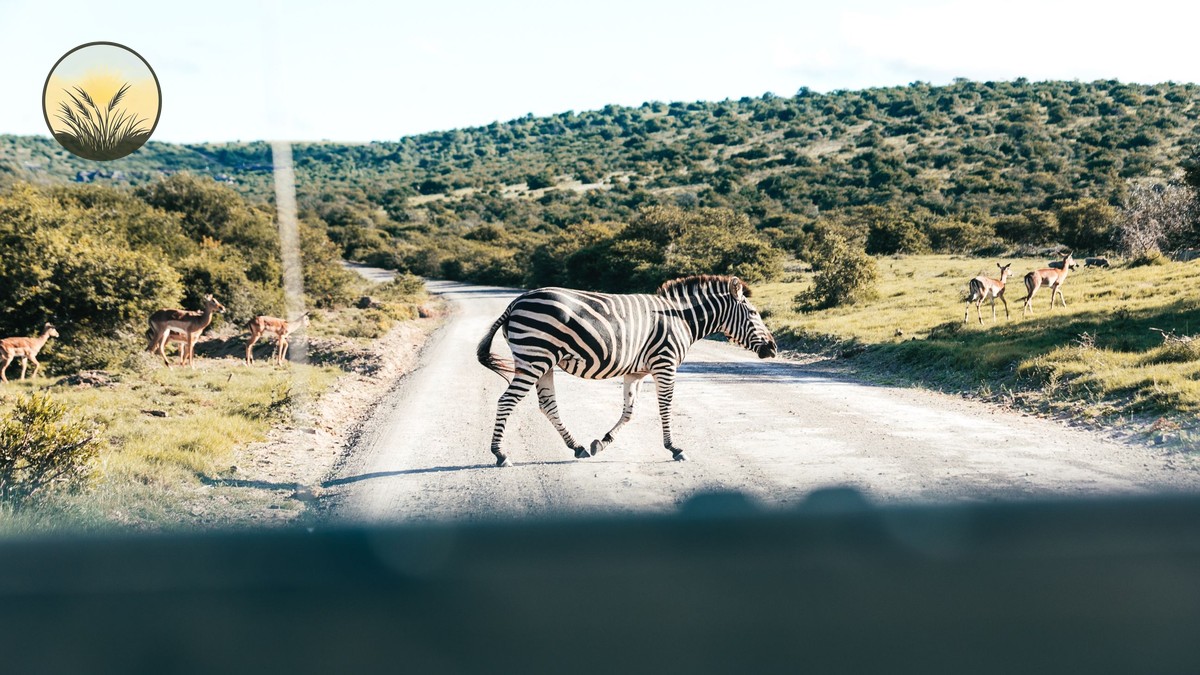
The dry season, late June through October, gives you clear skies and concentrated wildlife around shrinking water sources. This is also when the Great Migration herds cross the Mara River, usually peaking between late July and September, though exact timing shifts with rainfall each year.
The green season, November through May, brings dramatic skies, newborn animals, and far fewer vehicles at any sighting. Light is softer for longer stretches of the day. Roads get muddy and some conservancies restrict off-road driving after heavy rain, so factor that into your plan.
Private Conservancies vs National Reserves
This is the trade-off nobody spells out clearly enough. National reserves like the Maasai Mara National Reserve and Samburu National Reserve charge lower park fees, roughly $80 per person per day for the Mara, but keep you on marked tracks and allow far more vehicles at a single sighting.
Conservancies like Mara North, Naboisho, and Olare Motorogi charge a separate conservancy fee on top of your camp rate, often $100-150 per person per night, but cap vehicles at a sighting, permit off-road driving, and allow night drives and walking safaris. For a photographer chasing clean backgrounds and space to work, that fee usually earns its keep.
Mara North Conservancy is a good example of the balance. It borders the national reserve directly, so animals move freely between the two, but you keep conservancy rules on your side of the boundary.
Beyond the Mara: Worth the Detour
Not every strong photography location is a camp with a famous name. Chyulu Hills, where elephants pose against Kilimanjaro, gives you a completely different frame than anything the Mara offers, rolling green hills and a volcanic backdrop instead of golden grass. It pairs well with a Mara or Amboseli circuit if you have the extra days.
Tips for Choosing a Photographer-Friendly Camp
Ask direct questions before booking. Confirm the vehicle-per-sighting cap in writing, not as a verbal promise. Ask whether the camp offers a dedicated photography vehicle or shares game drives with other guests, since a shared vehicle means compromise on stopping time and angle.
Check the camp’s position relative to sunrise and to the features you most want to shoot, whether that’s a river crossing point, a den site, or an escarpment view. Bring your own long lens. Camps rarely stock gear beyond bean bags and the occasional loan lens for emergencies.
The Plain Safaris Difference
We build photography itineraries around light and space, not just a list of camps. That means matching your dates to the actual migration pattern that year, choosing conservancies with real vehicle caps over reserves that only claim them, and building in slow mornings instead of a rushed checklist of sightings.
We’ve driven these roads ourselves, so when we tell you a camp sits twenty minutes from the river crossing or that a conservancy caps sightings at five vehicles, that comes from time spent there, not a brochure we copied.
Plan Your Photographic Safari
If you’re ready to build a trip around light, patience, and the right camp for your subject, we’d like to help. Get in touch through our contact page and we’ll put together an itinerary suited to your season and your camera bag.