
If you’re searching for lake nakuru flamingo alternatives because you’ve heard that Lake Nakuru’s famous pink shoreline isn’t what it used to be, you heard right. Rising water levels have pushed much of the algae that flamingos feed on to other lakes, so sightings at Nakuru are now hit or miss. Plain Safaris runs small-group safaris through this exact stretch of the Rift Valley, so this list comes from actual drive logs and gate times, not brochure copy. Here are the three lakes worth building your route around, and where Nakuru still fits in.
1. Lake Bogoria: the most reliable flamingo lake right now
Lake Bogoria National Reserve sits about 4 to 5 hours north of Nairobi, past Nakuru town on the road toward Marigat. It’s currently the strongest answer to which Kenyan lake is best for flamingos, because its alkaline water and geothermal activity keep conditions right for the algae flamingos eat. Flocks here can number in the tens of thousands when conditions align, though no lake guarantees a specific count on a specific day.
Entry runs roughly USD 20 to 30 per adult per day, an indicative range since rates can shift, so confirm before you travel. Loboi Gate is the main entry point on the northern end, close to the Maji Moto hot springs, where steam vents sit right at the lakeshore. The rocky western shore near the escarpment is usually where flamingo density peaks on a clear morning.
Plan two nights nearby rather than a rushed pass-through if flamingos are the point of the trip. Our two-day Lake Bogoria birding itinerary covers a slower pace built around early light and late-afternoon feeding, when the birds are most active and the photos are best.
2. Lake Elementaita: quieter, closer, less predictable
Lake Elementaita sits roughly two hours from Nairobi, just off the main road between Naivasha and Nakuru town. It gets far fewer vehicles than Nakuru, which matters if you’d rather stand at the shore in near silence than share it with a line of minivans. Flamingo numbers here swing more than at Bogoria. Some mornings bring dense pink bands along the shallows, others show only a scattered few hundred birds.
Access runs through conservancies bordering the lake rather than one national park gate, so fees vary by entry point, typically in the range of USD 20 to 50 per person as an indicative figure. Lake Elementaita Serena Camp sits on the eastern shore and makes a good base for an early start, since flamingos tend to feed in calmer water during the first hour or two of daylight.
If you’re weighing the two, our comparison of Lake Elementaita vs Lake Bogoria breaks down which suits a birder chasing volume against one who wants quiet.
3. Lake Naivasha: the freshwater backup plan
Lake Naivasha is a different kind of lake altogether. It’s freshwater, not alkaline, so it was never really a flamingo stronghold the way Bogoria or Nakuru can be. What it offers instead is variety: hippos wallowing close to shore, fish eagles calling from acacia branches, and boat rides that put you eye level with pelicans and African darters.
A standard boat trip runs about USD 20 to 35 per person, and most operators launch from small jetties near Fisherman’s Camp or Crescent Island. If flamingos aren’t the only item on your list, and an afternoon that mixes birding with water and a short walk among giraffe and zebra on Crescent Island sounds good, Naivasha earns its place on a Rift Valley route even without big flocks.
Lake Nakuru flamingo alternatives: what about Nakuru itself?
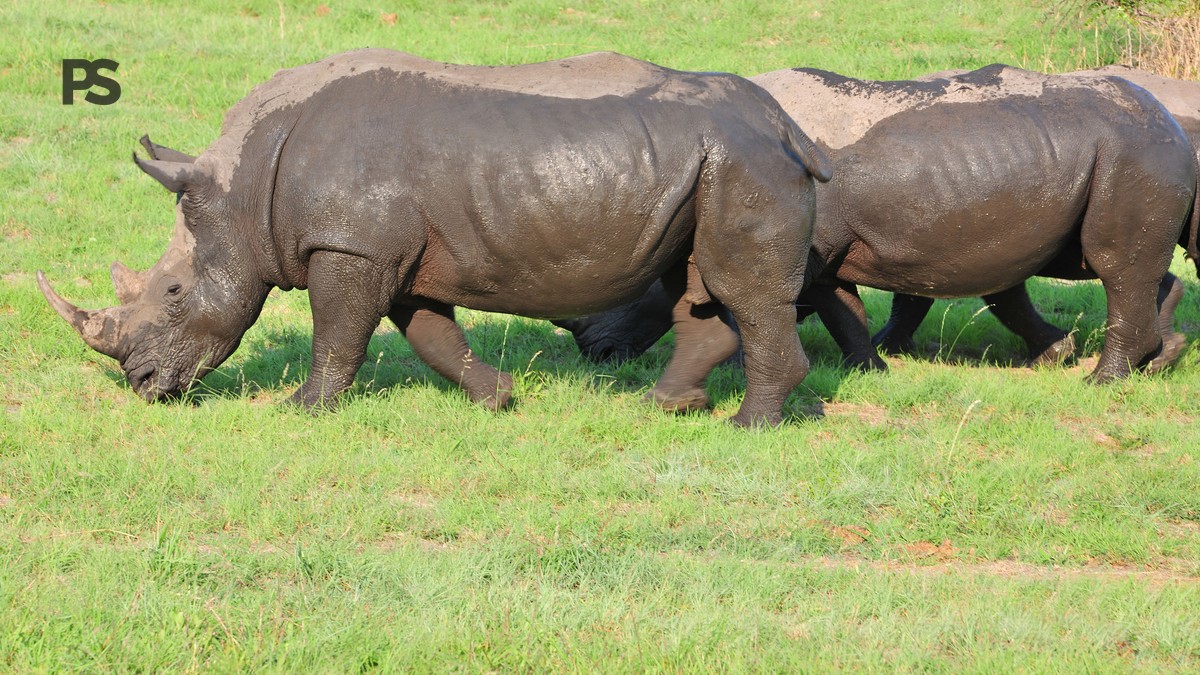
Nakuru still deserves a spot on the itinerary, just not for the reason it used to hold that spot. Flamingos do still show up and feed along parts of the shoreline, but the huge, reliable flocks of old are no longer a safe bet. What Nakuru offers instead is one of the most complete game drives in the Rift Valley, with both black and white rhino, tree-climbing lions, and buffalo herds packed into a compact park.
Non-resident entry currently runs USD 90 per adult per day. That’s more than Bogoria and most Elementaita entry points, but it buys a fuller wildlife list inside one park. For rhino sightings paired with a shot at flamingos, Nakuru still works. For flamingos as the main event, Bogoria is the better bet.
Best time to see flamingos in Kenya
January through March tends to bring the strongest flamingo numbers across the Rift Valley lakes, with the dry-season months from June to October a close second for road conditions and clear viewing light. Even in a good month, the birds follow water depth and algae bloom, not a calendar, so one lake can disappoint while another two hours away is packed. Building a route that includes both Bogoria and Elementaita gives you a real backup plan instead of betting everything on Nakuru alone.
How to plan a flamingo-lake route from Nairobi
If you only have one day and flamingos are the priority, head straight for Bogoria. If you’re running a longer safari and want the fuller picture, combine Nakuru for rhinos with a stop at Bogoria or Elementaita for birds. Elementaita sits conveniently between Nairobi and Nakuru, so it slots into a road route without much detour. Naivasha works best as a separate stop built around the boat ride rather than a flamingo chase. This is the kind of trade-off Plain Safaris drivers walk guests through on every small-group Rift Valley circuit.
Here’s how the four lakes stack up for a birder planning a route:
| Lake | Drive time from Nairobi | Non-resident entry fee | Flamingo reliability |
|---|---|---|---|
| Lake Bogoria | 4-5 hours | ~USD 20-30/adult/day (indicative) | High, large flocks common |
| Lake Elementaita | ~2 hours | ~USD 20-50/person, varies by conservancy | Moderate, swings with conditions |
| Lake Naivasha | ~1.5-2 hours | Park fee varies; boat trip ~USD 20-35/person | Low, freshwater lake |
| Lake Nakuru | 2.5-3 hours | USD 90/adult/day | Low to moderate, rhinos are the draw |
Plan your Rift Valley birding route with Plain Safaris
Picking the right lake, or the right combination, depends on your dates, your patience for driving, and how much you care about flamingos versus a complete game count. Plain Safaris builds small-group safaris around exactly this kind of Rift Valley circuit, with routes that can flex if water levels or flock reports change close to your travel dates. Get in touch to plan your route and we’ll match the stops to what you actually want to see.