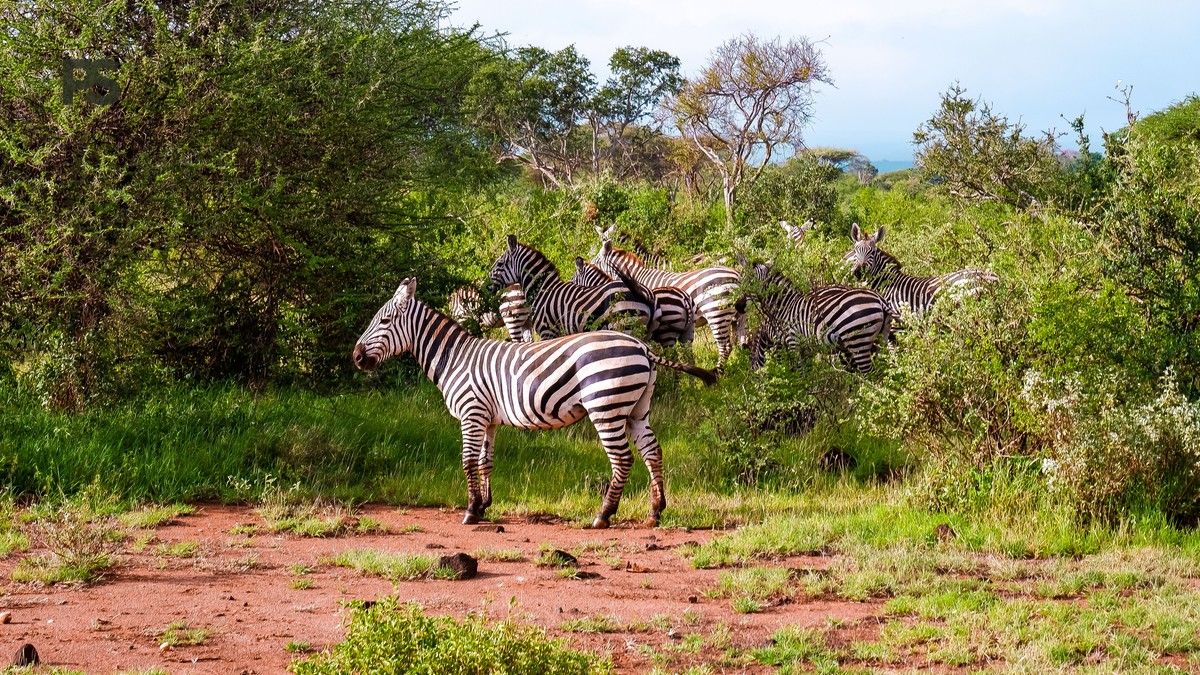
Most first-time travellers ask whether they should pack four parks into one Kenya safari. It sounds efficient. But after two lodge pack-ups in three days, it feels more like moving house. A slow safari answers differently. You stay longer in fewer places, skip the moving-day rush, and learn how a single ecosystem works. Plain Safaris plans small-group safaris around this idea.
What Is a Slow Safari?
A slow safari is a wildlife trip built around staying longer in fewer places. You stay three or more nights per camp instead of changing lodges every day. You spend more time observing behaviour, resting between activities, walking, and connecting with the landscape. The goal is depth and flexibility, not collecting the largest possible species list.
In practice, slow means less rushing. Pick a base, learn its roads and wildlife patterns, and let the day fit your energy. A guide may still hurry when a leopard is found. But the route is not built around packing and unpacking every morning.
How Many Nights Do You Need for a Slow Safari?
Plan at least three nights in one camp for a noticeably slower safari. Aim for four to five nights if the destination itself is the main experience. A seven-night trip can work well with two bases, while moving through four parks in seven nights usually creates a conventional, drive-heavy itinerary.
Why three nights? A two-night stay leaves only one full day without travel. A three-night stay gives two full days and an unhurried departure morning. Four nights feels properly slow, with room for a guided walking safari and an afternoon at camp. For most first-timers, two bases of three or four nights is the easiest balance.
What Does a Slow Safari Day Look Like?
A slow safari day may include one unhurried game drive, a guided walk, time at camp, and a long lunch. An afternoon drive can follow, chosen around weather and wildlife activity. In a private conservancy, the schedule can often be shaped around your interests rather than fixed park hours. You may follow one herd for longer instead of chasing several sightings.
Breakfast can end at 8:00 instead of starting before first light to catch a transfer. The morning activity starts when it makes sense. Families with children can take a short drive before lunch and rest until the afternoon. Photographers can return to the same leopard on consecutive days. To understand how vehicle limits work, read Kenya shared-vehicle rules.
Where Does a Slow Safari Work Best in Kenya?
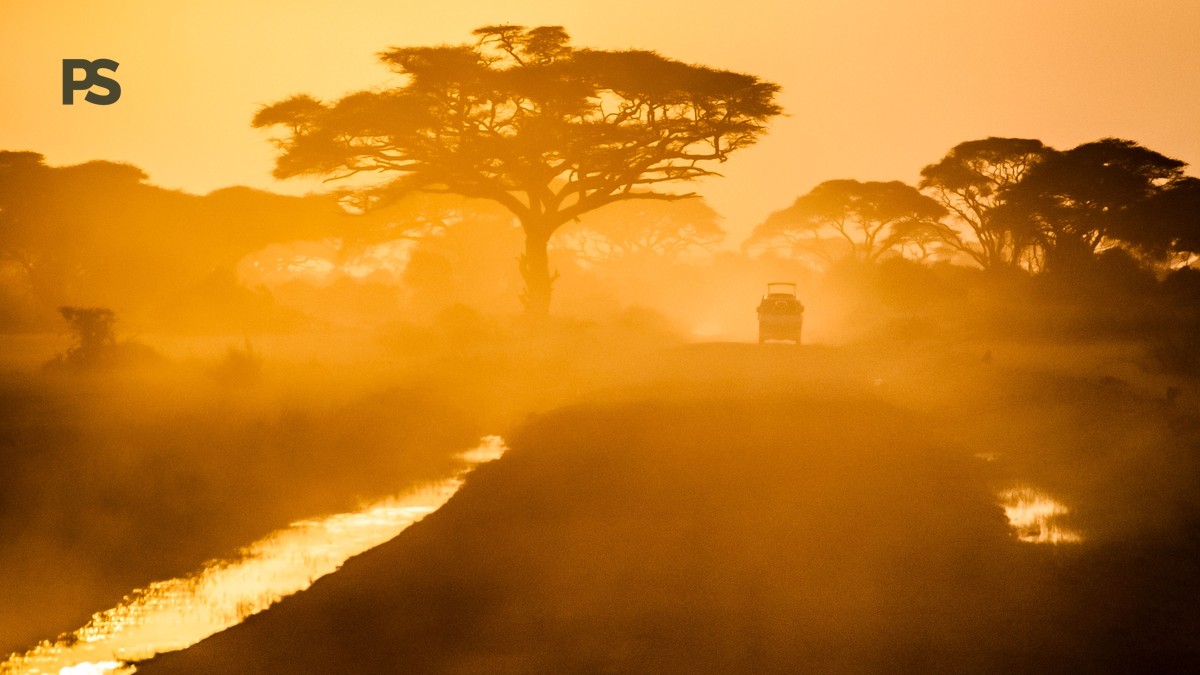
The best Kenyan setting depends on whether you value quiet wildlife viewing, scenery, or cultural activities. In general, private conservancies and less-visited parks suit slow travel best. Meru, Shaba, Samburu, and conservancies around the Maasai Mara can support longer stays. Expect fewer vehicles, flexible activities, and a stronger sense of place than a rushed multi-park circuit.
Kenya has several quiet settings for a longer stay. Meru National Park is one of the least visited KWS parks; start with a quiet three-day Meru safari. In the north, your choice matters too. Shaba versus Samburu for a slower safari helps you decide between dry riverbeds and greener valleys.
| Kenya base | Suits slow travel because | Entry reference |
|---|---|---|
| Meru National Park | Few vehicles, elephants, river loops | USD 70-90 per adult/day, indicative |
| Samburu / Shaba area | Northern species, dry scenery, walks | USD 70-90 per adult/day, indicative |
| Mara North / Naboisho Conservancy | Private vehicle limits, walking, flexible hours | Bundled in camp rates, roughly USD 80-150 per person/night |
| Amboseli National Park | Elephant families, open horizons | USD 90 per adult/day |
| Chyulu Hills National Park | Walking terrain, low camp density | USD 40 per adult/day |
The table is a reference, not a live price list. KWS periodically raises entrance fees, so always confirm current rates with your operator. Amboseli charges USD 90 per adult per day. Nairobi and Tsavo parks charge USD 80. Chyulu Hills charges USD 40. The Masai Mara National Reserve is run by Narok County, not KWS. It charges USD 100 per adult per day from January to June, and USD 200 from July to December. Private conservancies around the Mara bundle their fees into your nightly rate.
Slow Safari Versus a Classic Kenya Safari
A classic Kenya safari maximises variety by visiting several parks, while a slow safari maximises time and attention in fewer locations. Slow travel usually means fewer long transfers, more flexible mornings, and better opportunities to understand wildlife behaviour. The trade-off is that you may see fewer habitats and have less chance of ticking every headline species on one trip.
Most travellers still see the Big Five on a slow trip, especially in the Mara ecosystem. No pace guarantees a rhino or leopard. Slow travel improves the odds of seeing behaviour, not completing a checklist. If your main goal is comparing landscapes, the classic circuit may suit you better.
How to Turn This Into Your Kenya Plan
A simple seven-night slow-safari Kenya itinerary could look like this: three nights in Meru, then four nights in a private Mara conservancy. One transfer between the two regions. Seven nights in two bases, not four parks.
If that idea appeals, start with your dates and tell Plain Safaris which base sounds right. We can shape a small-group itinerary with room for open afternoons. That empty slot is often where the real safari begins.