Ask a Kenyan guide what is lake bogoria known for and the answer comes in one breath: flamingos, hot springs, geysers. That shorthand is fair. Lake Bogoria sits roughly 90 km north of Nakuru in Baringo County, beneath the Siracho Escarpment. It is a specialized Rift Valley stop, not a classic big-game park, and that is exactly why travelers remember it.
I first drove here on a quiet weekday morning. The lesser flamingos stretched across the southern end of the lake like a moving pink carpet while steam hissed from rocks a short walk away. That contrast, birds and boiling earth side by side, stays with you.
What Is Lake Bogoria Known For? Millions of Lesser Flamingos and Exceptional Birdlife
Lake Bogoria flamingos are the main reason people make the drive. The shallow water is alkaline and rich in the blue-green algae that lesser flamingos filter with their heads tipped upside down. Numbers rise and fall with the seasons, but at peak times the lake can hold hundreds of thousands of birds. In exceptional years, the count has approached two million.
The birds are not here by accident. The water chemistry suits the algae, and disturbance stays low compared with busier parks. Greater flamingos appear too, along with pelicans, storks, and black-necked grebes. Flocks shift along the shoreline as water levels change, so a sighting is never guaranteed in one fixed spot. If you want to plan around the movement, our page on when flamingos are at Lake Bogoria breaks down the best months and shorelines to watch.
Lake Bogoria hot springs and geysers
Guidebooks commonly report more than 200 hot springs and 17 geysers around Lake Bogoria. Some springs pool in terraces colored blue, green, and orange by minerals. Others bubble constantly. A geyser can erupt without warning, throwing a white column of steam above the rocks. The hottest water is close to boiling, so visitors watch from paths and marked viewpoints.
The same chemistry shapes the entire lake. Lake Bogoria is a soda lake, saline and strongly alkaline. Swimming is not allowed, and it would not be pleasant anyway. The water is harsh on skin, and shoreline springs can cause serious burns. A better plan is to sit on the bank with a picnic and watch steam drift across the water. The bird calls and the hiss of vents replace the engine noise you expect on a safari.
A Ramsar wetland with real wildlife
Lake Bogoria is also internationally protected. It is listed as a Ramsar site, which means Kenya has formally recognized it as a wetland of global importance. The protection covers both the bird habitat and the wildlife of Lake Bogoria National Reserve. The reserve is compact, but it supports more than flamingos.
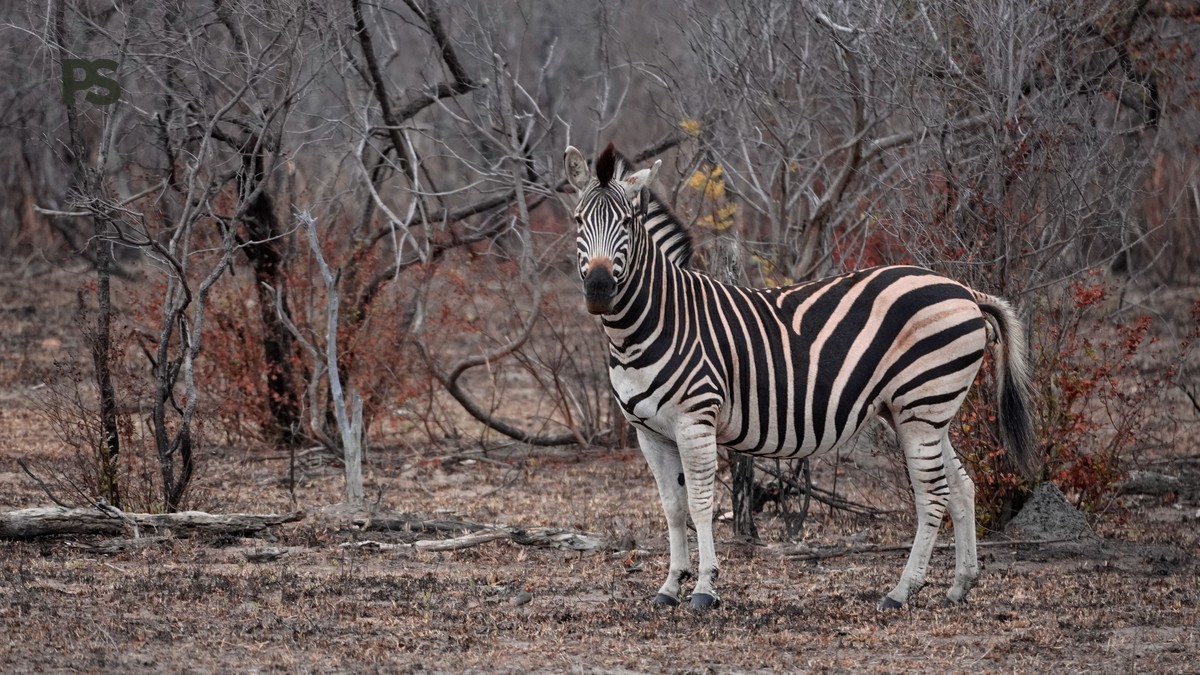
Greater kudu, a large striped antelope that hides in the escarpment scrub, is one of the reserve’s special sightings. Zebra, buffalo, impala, warthog, and dik-dik graze near the lake. Hyenas pass through at dawn and dusk. Because most visitors come for the birds, you can spend long stretches with no other vehicle in sight. That quiet makes the wildlife viewing feel personal.
This is also where a first-time safari traveler should hear an honest trade-off. Lake Bogoria is not a big-five destination. You are unlikely to tick off lions, elephants, or rhinos here. If you must choose one Rift Valley lake, Lake Bogoria vs Lake Nakuru helps you decide which fits your trip. If you have a spare day in the region, the five reasons Lake Bogoria is worth visiting will probably settle the question.
How to visit Lake Bogoria on a first Kenya safari
Most travelers visit Lake Bogoria as a day trip from Nakuru, Naivasha, or Nairobi. The drive itself is part of the attraction, since you climb through the Rift Valley escarpment and drop toward the lake floor. Distances are manageable for a long day.
| Starting point | Approximate distance | Typical drive time |
|---|---|---|
| Nairobi | 280 km | 4.5 to 5.5 hours |
| Naivasha | 170 km | 2.5 to 3.5 hours |
| Nakuru | 90 km | 1.5 to 2 hours |
| Lake Baringo | 35 km | under 1 hour |
Drive times are indicative for dry weather and can stretch with traffic or rain. You turn off the main road at Marigat, and the asphalt ends soon after. The last stretch to the lake is a gravel track, dusty in the dry season and muddy after storms. A comfortable 4WD is the right choice.
Entry fees for Lake Bogoria National Reserve are noticeably lower than for Kenya’s flagship parks. Expect a guide price in the region of USD 30 to 60 per adult per day. That range is an indicator, not a fixed rate, because local fees shift. Your operator confirms the exact charge when you book.
A realistic half-day plan leaves Nakuru after an early breakfast, enters the reserve by mid-morning, and works its way slowly along the shore road. Stop at geyser viewpoints, park near a flamingo flock for lunch, and still return to your lodge before dusk. If you start from Nairobi, plan a full day with a very early departure.
This is exactly the kind of day where our small-group style helps. Because Plain Safaris runs small-group safaris, the vehicle can stop whenever steam appears or a kudu crosses the track. No one has to crane around an eight-row minibus to see the flamingos.
Stand on the shore at Lake Bogoria and you will understand why the lake feels different from the postcards. It smells of minerals. The flamingos form a shimmering line at the edge of sight. The geysers keep hissing while you watch.
Picture that morning for yourself. Then tell Plain Safaris what draws you to Lake Bogoria and let us shape a Rift Valley route with realistic drive times and the quiet corners built in.