
I first drove into Meru on a dry-season afternoon. The tarmac ended at the gate, and I saw one other vehicle until dinner. That is normal for Meru. It is a big, green national park east of Mount Kenya, and almost nobody treats it as a priority. That is exactly why a Meru National Park quiet safari works.
This checklist covers the decisions that matter before you book a 3-day plan: season, road, camp, fee, and honest expectations. If you prefer space over spectacle, start here.
Why Meru stays quiet when the Mara fills up
Meru feels quiet because it sits outside Kenya’s busiest safari circuit. The park covers 870 square kilometres and receives far fewer vehicles than the Masai Mara. A sighting often unfolds without a queue of cars. That allows longer, more patient observation. The trade-off is simple: Meru offers less guaranteed drama than the parks that host huge herds.
Doum palms line the rivers, grassland opens between strips of riverine forest, and swamps hold birds that the open Mara plains rarely show. You come for the whole landscape, not one animal event. On an uncrowded Kenya safari, that is part of the appeal.
Step 1: Choose a dry season and fewer cars
June to October is the strongest window. Roads stay firm, wildlife gathers close to water, and the park is still quiet. January and February are good backups. The green months can deliver excellent birding and even fewer visitors. But rain from March to May, and sometimes in November, turns the black-cotton roads slippery. On a three-day trip you cannot afford to lose a morning to mud.
If your dates are fixed in the wet season, ask your camp about vehicle access before you pay. A stuck Land Cruiser wastes a full game drive.
Step 2: Plan the 348-kilometre drive before you book
The distance is the real reason Meru stays quiet. From Nairobi, you cover about 348 kilometres. Most drivers choose either the route through Nyeri, Nanyuki and Meru town or the route through Embu. Allow most of a travel day, with an indicative drive time of six to seven hours plus stops. That is why a three-day trip with two nights is the practical minimum.
Confirm your gate in advance. Murera Gate and Ura Gate serve different sides of the park. If your lodge sits near Murera, do not route yourself to Ura. If you are short on time, fly. Mulika airstrip sits inside the park, and charter flights from Nairobi take roughly an hour. The transfer from that strip to camp is far shorter than the road day.
Book a lodge close to the gate you will use. That tip sounds obvious, yet travellers lose half a first day to the wrong side of Meru every year.
Step 3: Match the camp to your travel style
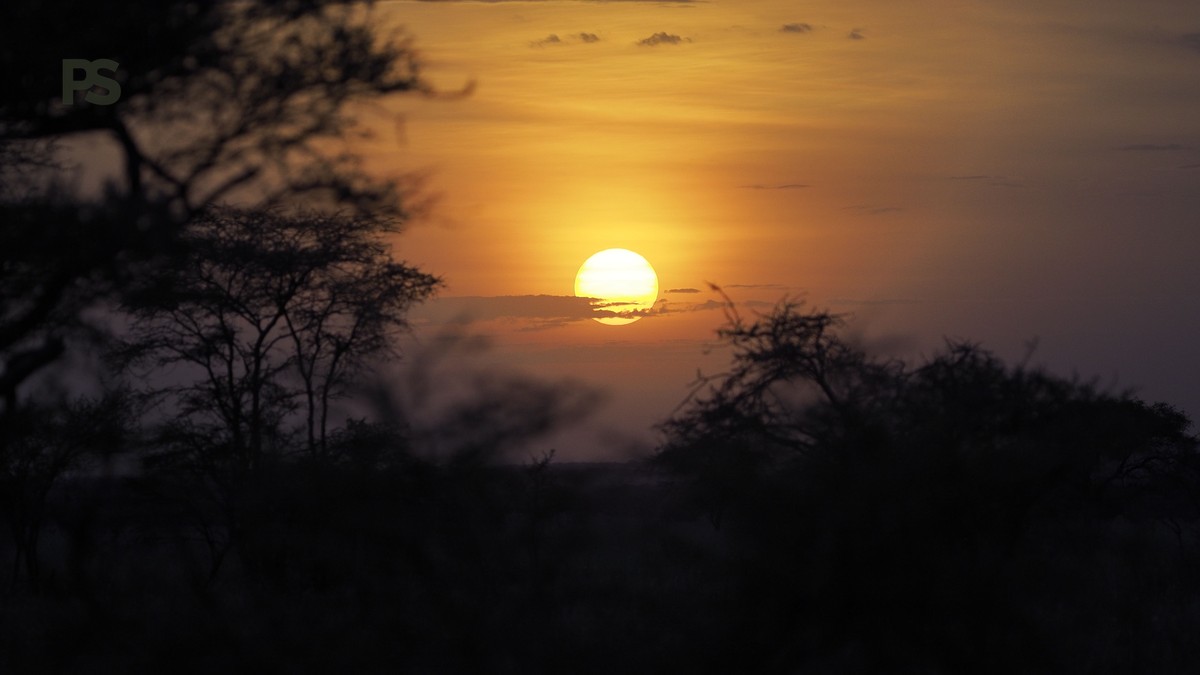
In Meru, your camp sets your daily rhythm. Meru National Park camps differ more than any other single booking choice. Elsa’s Kopje, Ikweta Safari Camp, and Leopard Rock Lodge are the names that come up most. Compare them on the factors that matter.
| Camp | Setting | Best for | Indicative rate per adult per night |
|---|---|---|---|
| Ikweta Safari Camp | Just outside the park, close to the game circuit | Budget travellers and families | About USD 150 to 220 |
| Leopard Rock Lodge | Riverside base with quiet views | Early morning drives and calm evenings | About USD 200 to 320 |
| Elsa’s Kopje | On Mughwango Hill above the park | Luxury and classic Meru scenery | About USD 350 to 550 |
All three rates are indicative for 2026 and usually include meals. They do not include park fees or transport.
On small-group safaris, Plain Safaris keeps vehicle loads low, which matters on Meru’s narrow river roads. A full minibus cannot stop quietly in a dense riverine thicket the way a lighter vehicle can.
Step 4: Know Meru National Park park fees and safari cost
Meru National Park park fees follow the national price rise from late 2025. The non-resident adult rate is about USD 70 per 24-hour visit window. Children pay less, and residents pay less again. The per-day wording matters. If you enter late in the day, you may pay for a window that ends soon after. Plan your arrival to get full value.
Indicative three-night packages range from about USD 1,310 per person at budget level to USD 3,390 per person at luxury level during peak periods. Transport, dates, room occupancy, and inclusions change the number. Ask for a written quote that separates the park fee from the lodge rate. A Meru National Park safari cost can look modest on paper, then climb when transport is added.
Group size also affects price: minibus culture pushes costs down and vehicle counts up. Plain Safaris plans small-group safaris, so your rate pays for a smaller car and a more flexible day. For the rules on shared vehicles, read about Kenya shared-vehicle safari rules before you compare quotes.
Step 5: Enjoy Meru National Park wildlife on its own schedule
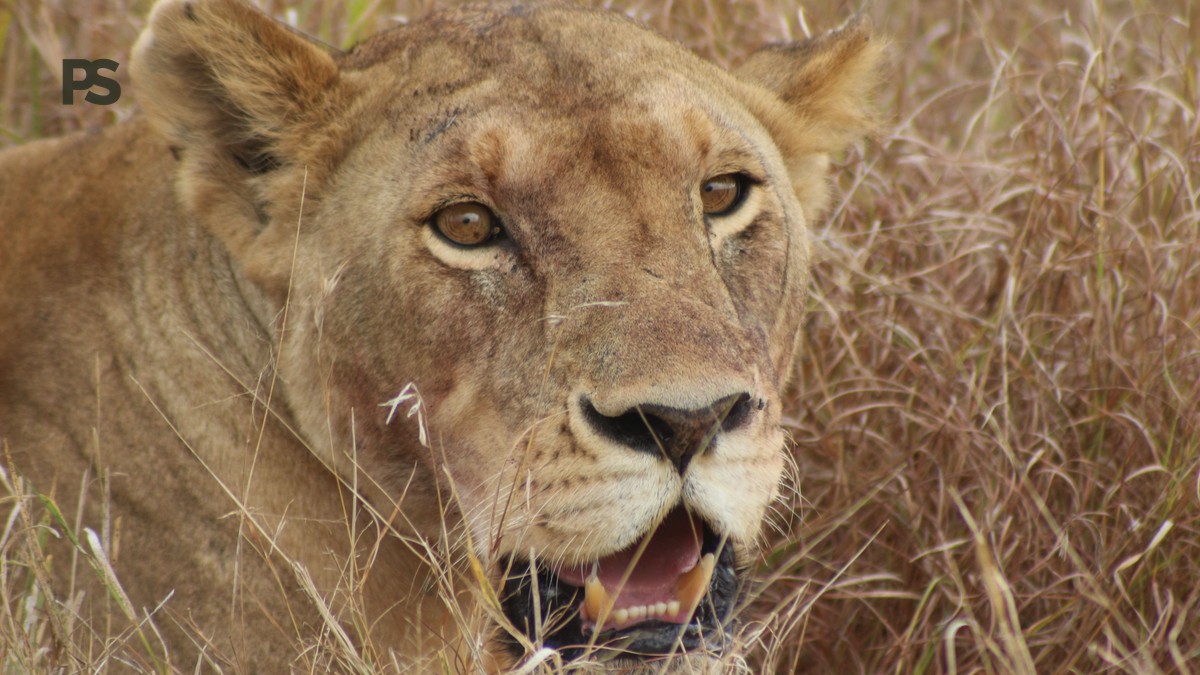
Meru has the Big Five on paper, but that is not the best way to plan. Elephants and buffalo are common. Lion and leopard live here, yet they roam across thick bush and large territory. The rhino sanctuary is the conservation story of the park, so a guided visit is worth planning separately.
Dry-season animals gather near the Tana and Rojewero rivers. That makes dawn drives along the water the most productive slot of the day. Expect reticulated giraffe, Grevy’s zebra, lesser kudu, and many birds. Meru National Park wildlife rewards patience. You scan a thicket instead of counting wildebeest on an open plain.
Morning walks and birding are allowed in parts of the park with guides. If you prefer movement on foot, ask for more detail on a Laikipia walking and riding safari, which is a different private-land experience.
Step 6: Set expectations against the Mara and Samburu
Choose Meru when low vehicle density matters more than a packed sightings schedule. Choose the Masai Mara for the great seasonal movements and dense predator action. Choose Samburu for Samburu’s unique wildlife, especially the northern specials that are easier to find there. Meru sits between them: a deeper wilderness with none of the queues.
Meru is also honest with you. Because the bush is denser, you can drive an hour without seeing a predator. That is fine if you came for quiet. It frustrates travellers who measure success by a checklist. If you have only two nights and want maximum certainty, pick the Mara. If your third or fourth safari needs a new rhythm, Meru fits.
Step 7: Add a third night if you want the full Meru
Three days and two nights is the floor, not the ideal. Add a third night if you want walking, the rhino sanctuary, and a slow birding morning. A longer stay also lowers the cost per day because transport from Nairobi is such a large fixed item.
Meru does not sell out the way the Mara does in August. But the best rooms at Elsa’s Kopje and Leopard Rock fill early in high season. Book six to nine months ahead for July and August. Shoulder months are easier.
Start planning your Meru National Park quiet safari
Plain Safaris plans Meru itineraries for repeat Africa visitors who want space without amateur mistakes. We know which gate fits each camp, which rooms go first, and when a green-season discount is worth the mud risk. Send us your dates and we will send a plan with exact fees, drive times, and a camp match. Start on our contact page and tell us what kind of quiet you want.