
Lake Elementaita is a shallow, alkaline lake in Kenya’s Rift Valley, between Lake Naivasha and Lake Nakuru. Most drivers see it as a quick view from the highway. For birders, the same water has more to offer.
The lake and the adjoining Soysambu Conservancy have recorded more than 400 bird species. You can watch flamingos and pelicans from the shore, then find woodland birds a short drive away. This Lake Elementaita birding guide covers the birds, the best months, the routes, and what a trip costs in 2026.
Why Do You Need a Lake Elementaita Birding Guide?
A good Lake Elementaita birding guide starts with the habitat: a shallow alkaline lake, mudflats, acacia woodland, grassland, and riparian habitat in one compact destination. That mix supports more than 400 recorded bird species, including flamingos, pelicans, waders, raptors, and woodland birds. It is especially useful for travelers wanting strong birding without committing to a distant multi-day safari.
Elementaita also has space. The shore can be lively, yet it rarely feels as crowded as a national park gate during high season. Soysambu Conservancy is a private ranch and conservation area, so vehicle numbers stay low. If your wider plan is the Rift Valley lakes flamingo route, Elementaita makes a natural first stop.
What Birds Can You See at Lake Elementaita?
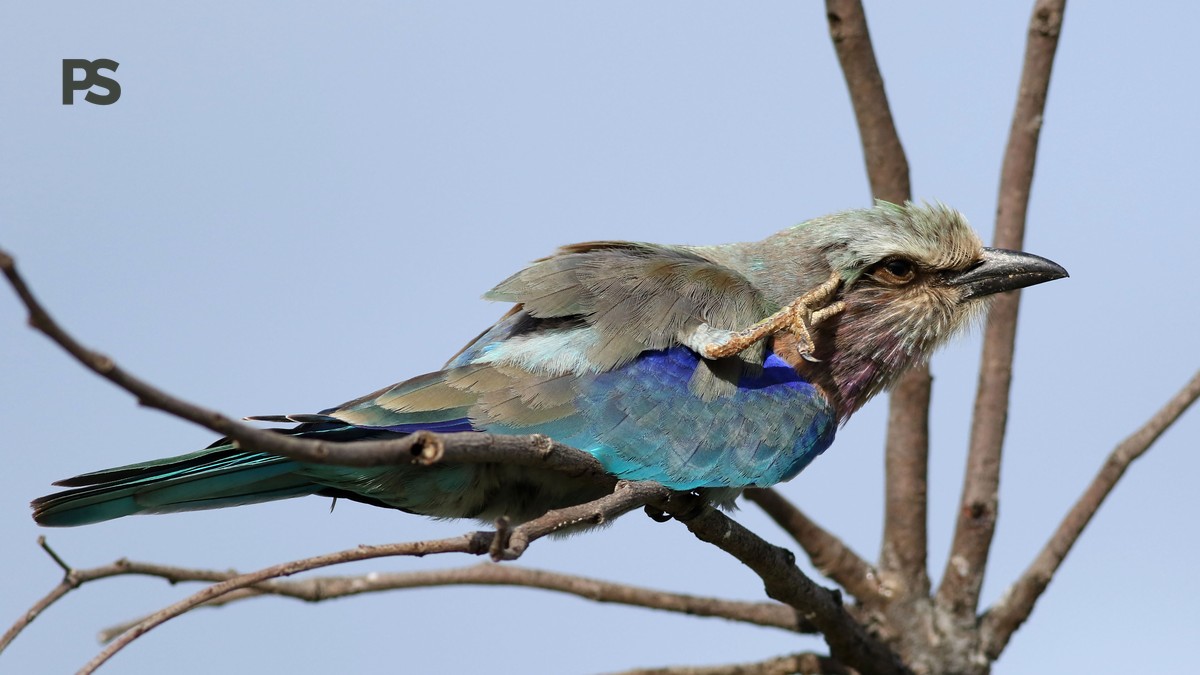
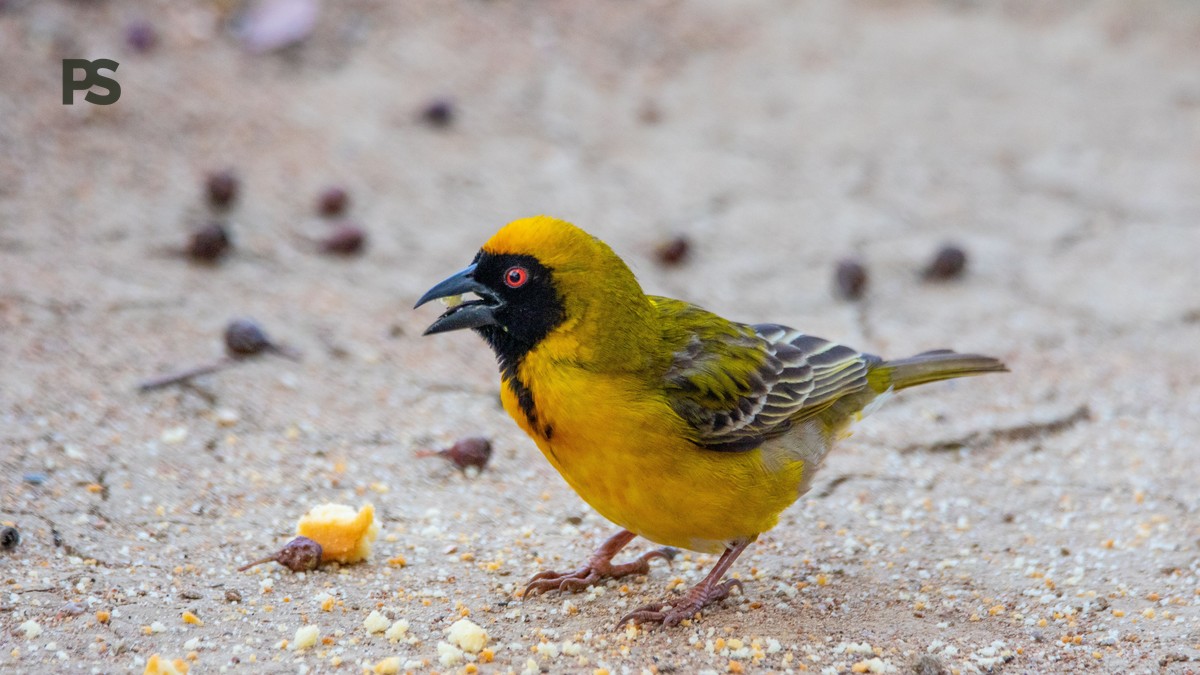
Expect Lesser and Greater Flamingos, Great White Pelicans, cormorants, egrets, spoonbills, avocets, plovers, gulls, kingfishers, African Fish Eagles, and several raptors. Soysambu’s grasslands add francolins, larks, hornbills, secretary birds, and other terrestrial species, while the lake is notable as a Kenyan breeding site for Great White Pelicans.
Do not expect the same list every visit. Flamingo numbers change with water level and food. On one trip you see thousands; on another you see none. Build your day around the habitats, not one species.
On the lake, scan for pelicans and waders. In Soysambu’s woodland, listen for hornbills and go-away-birds. Over the grassland, watch for secretary birds and small falcons. This mix is why the wider area ranks among Kenya’s best short birding circuits.
When Is the Best Time for Bird Watching at Lake Elementaita?
Visit from June to October or January to February for generally drier roads, clearer visibility, and comfortable vehicle-based birding. Migratory birds can increase from October through April, while April may offer particularly productive wetland sightings. Flamingo numbers are unpredictable, however, because water levels, food availability, and lake conditions change seasonally.
The table below gives planning ranges, not promises.
| Season | Typical months | What to expect |
|---|---|---|
| Dry and cooler | June to October | Drier roads, good morning light, waterbirds gathered near the shore |
| Dry and warm | January to February | Clear days, active grassland and woodland birds in early hours |
| Migrant season | October to April | Palearctic migrants pass through, with April often productive for wetlands |
| All year | Flamingo-dependent | Water level and algae drive the flamingo picture more than the calendar |
If you can choose a date, aim for a weekday in July or late January. The quieter track makes slow birding easier.
Which Birding Routes and Habitats Work Best at Lake Elementaita?
Cover the lakeshore and mudflats first for flamingos, pelicans, shorebirds, gulls, and waders, then continue into Soysambu Conservancy for woodland, riparian, and savannah species. A vehicle is the most efficient option for the wider landscape, while guided walks add closer habitat-level observations. The conservancy’s circular route is approximately 18 kilometres.
Do not spend the entire trip at one viewpoint. A better plan is to reach the water early, when flamingo flocks are easy to scan, then follow the Soysambu loop away from the shore. This is where grassland birds appear.
Try to combine a lake circuit with a walk near the woodland edge whenever possible. Elementaita is not a place to bird from one spot. Its value is the movement between habitats.
How Far Is Lake Elementaita From Nairobi and Can You Visit It in a Day?
Lake Elementaita lies approximately 120 to 130 kilometres northwest of Nairobi along the Nairobi-Nakuru Highway, near Gilgil and between Lakes Naivasha and Nakuru. Allow roughly 2.5 to 3 hours in normal traffic. A dawn departure gives better bird activity and light, while a two-hour lake stop works as part of a longer Rift Valley route.
A focused day trip from Nairobi is possible. Leave by 5:30 or 6:00 a.m., use the highway to Gilgil, and plan to bird from about 9:00 to 11:30 a.m. Eat lunch, then drive back. You will see the main lake birds, but you may miss the later sections of the 18-kilometre conservancy loop.
Do not underestimate the return drive. Trucks and slow traffic are common on the highway. The full round trip is about 300 kilometres, so start early and leave the lake by mid-afternoon. If you have two days, staying near the water is the smarter choice.
Where Should You Stay for Birding at Lake Elementaita?
Choose a nearby conservancy lodge when birding access matters more than minimizing cost or driving time. Serena Camp is a useful landmark and birding base, while Soysambu offers access to lake, woodland, and grassland habitats. The conservancy has limited lodge options, so booking early matters; a Nairobi or Nakuru base is simpler for a short stop.
Lake Elementaita Serena Camp is the main lodge with direct lake access. It gives a short drive to the water and a comfortable garden for late-afternoon birding. Inside Soysambu, current lodging options are limited, so a last-minute room is hard to find.
A lodge at Lake Naivasha, roughly 30 minutes south, solves the availability problem but adds morning driving. For that reason, many birders base themselves at Gilgil or Nakuru when they only need a one-night stop. Distance matters less than a 6:00 a.m. start near the water.
You can apply the same test on any safari: how far is the room from the best early-morning habitat? Our notes on where to stay on safari explain why that question matters.
What Does Lake Elementaita Birding Cost in 2026?
Budget indicative non-resident access of about USD 30 to 35 per adult, around USD 20 per child, and roughly KES 300 to 500 for a safari vehicle, but confirm current fees before travel. Some listings report Soysambu entrance at about USD 50, showing why rates must be checked. Carry binoculars, water, sun protection, and a local guide.
| Cost item | Indicative non-resident fee | Notes |
|---|---|---|
| Lake Elementaita / Soysambu adult access | USD 30 to 35 per person per day | Some sources report USD 50; confirm before you go |
| Child access | About USD 20 per child | Age definitions vary by operator |
| Safari vehicle fee | KES 300 to 500 per vehicle | Ask whether the fee is per entry or per day |
| Local guided walk | Roughly USD 15 to 30 per person | Group size changes the rate, so ask at booking |
These are private conservancy fees, not Kenya Wildlife Service park fees. They can change with little notice. A Plain Safaris trip removes the guesswork by confirming current access before you travel. For the same reason, small-group safaris often suit Lake Elementaita better than self-driving on your first visit.
When the flamingo story at Elementaita looks weak, many travelers ask whether to continue north. Our Lake Bogoria birding checklist can help you decide if the extra drive is worth it.
The Plain Safaris Difference
The easiest way to bird Lake Elementaita is to show up at the gate with your own vehicle. The better way, for most visitors, is to travel with someone who already knows the route.
Plain Safaris plans a slow-paced morning at the mudflats, an 18-kilometre Soysambu circuit, and a late picnic near the acacia woodland. Our drivers keep the engine off when a flock settles and reposition carefully when birds look nervous. That is why Plain Safaris trips work best in small groups.
Small-group safaris allow space for binoculars, field guides, and photos. They also let the guide read the lake and adjust plans as water, wind, and birds change. You never feel rushed, and you never miss the turn to a quieter stretch of shore.
Frequently Asked Questions
What birds can you see at Lake Elementaita?
Lake Elementaita is known for Lesser and Greater Flamingos, Great White Pelicans, cormorants, egrets, spoonbills, avocets, plovers, gulls, kingfishers, and African Fish Eagles. Soysambu’s grassland and woodland species include francolins, larks, hornbills, and secretary birds.
What is the best time to visit Lake Elementaita for bird watching?
June to October and January to February usually provide drier roads, clearer views, and comfortable birding. Migratory species may be more numerous from October to April, but flamingo numbers vary with water and food, so no month guarantees large flocks.
How many bird species are found at Lake Elementaita?
The Lake Elementaita landscape and Soysambu Conservancy record more than 400 species, with some local sources reporting over 450. That total includes resident and migratory waterbirds, raptors, woodland birds, and savannah species. One visit will show a much smaller slice.
How far is Lake Elementaita from Nairobi?
Lake Elementaita is about 120 to 130 kilometres northwest of Nairobi. The drive takes roughly 2.5 to 3 hours via the Nairobi-Nakuru Highway, although traffic can make it longer.
Can you visit Lake Elementaita as a day trip?
Yes. A focused lakeshore visit works as a day trip from Nairobi, but leave early and plan a full day. An overnight stay is better if you want dawn light, a guided walk, and time to cover Soysambu’s woodland and grassland.
Ready To Plan Your Lake Elementaita Birding Trip?
Plain Safaris builds flexible stays around Lake Elementaita and the wider Rift Valley. You can join our small-group safaris or ask for a private guide with the same patient, bird-first style.
If you would like help with dates, routes, and current access costs, send us a note through our contact page. We will shape the day around the birds you most want to see, whether that is a single morning at the flamingo lake or a longer Soysambu Conservancy circuit.