
Some safari questions come up again and again from Israeli travelers. Can you keep kosher in the bush? Will your guide speak Hebrew? How do you rest on Shabbat without wasting two travel days? The answer to all three is yes, with planning. This Kenya safari planning guide Hebrew speakers trust walks you through seven practical steps.
Step 1: Confirm Your Hebrew-Speaking Safari Plan
A fully fluent Hebrew-speaking safari guide in Kenya is uncommon. Most reliable field guides work in English. If Hebrew matters to you, the dependable setup is an English-speaking driver-guide plus a Hebrew-speaking coordinator. That coordinator can travel with you or stay available by phone.
Translation apps work for directions. They do not work for explaining why a lioness stalks the way she stalks. Ask who will interpret in the vehicle. Ask whether that person stays for the whole trip. Get both answers in writing.
Plain Safaris confirms this language plan on every private request. Even on our small-group safaris, we can add a Hebrew-speaking coordinator.
Step 2: Apply for the Kenya eTA Early
Israeli citizens need an approved Kenya eTA before departure. Do not wait until the airport. The Kenya eTA for Israeli citizens is an online application, and it can take several working days. Apply at least two weeks before your flight.
Carry a printed copy. Keep your passport valid for six months. Book travel insurance and ask a doctor about malaria prevention. For the most current forms and fee details, our Kenya eTA and safari cost planning guide runs through the exact sequence.
Step 3: Build a Kosher Kenya Safari Menu
A kosher Kenya safari works when you decide the food model before arrival. Most camps do not have a certified kosher kitchen. Your options are sealed kosher meals brought from Nairobi, kosher-style fish or vegetarian meals prepared by the camp, or a traveling kosher chef.
Sealed meals are practical for a five to seven night trip. A traveling chef is the most comfortable option, especially for a honeymoon. That chef needs a private vehicle and a camp that allows outside catering. Premium mobile kosher safaris can run USD 1,000 to 1,800 per person per night.
Ask for a written menu and the supervising kashrut standard. Confirm how food is stored, heated, and plated. For a special anniversary, a private chef and a sundowner can turn logistics into the most romantic meal of your trip. Our honeymoon safari planning guide covers more ways to build that kind of evening.
Step 4: Plan Shabbat Before You Book Camps
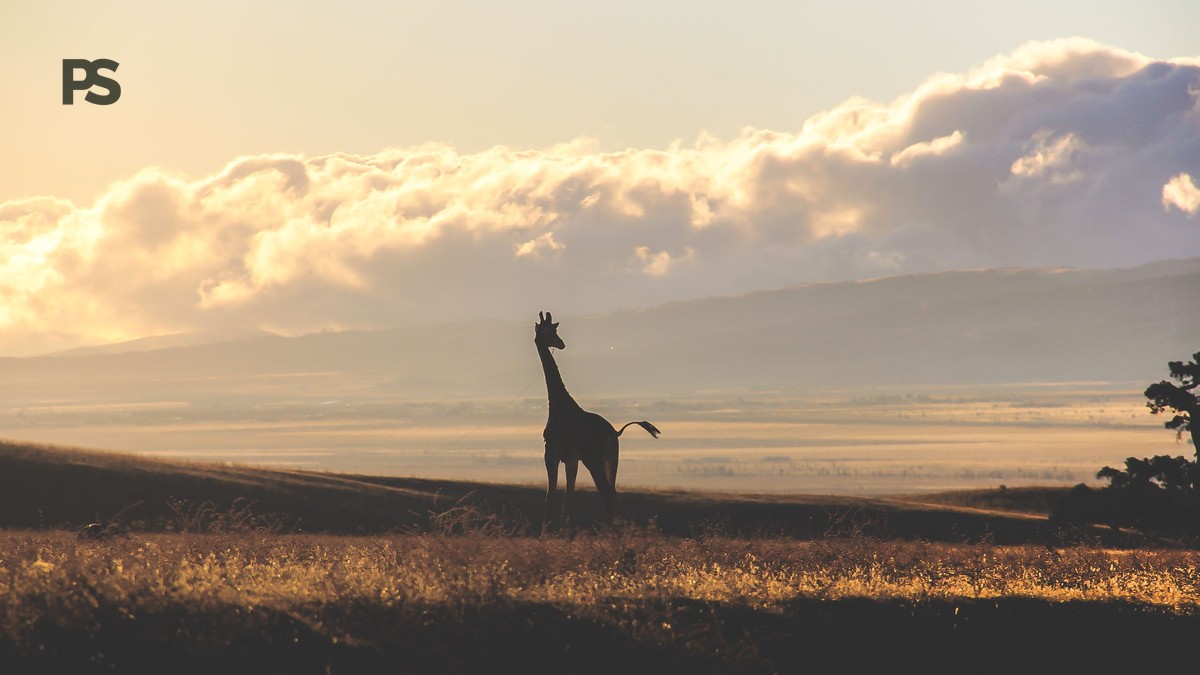
A Shabbat Kenya safari is easiest at one camp for the full day. From Friday sundown to Saturday nightfall, plan no transfers and no game drives. Most camps can adjust meal times if they know in advance.
Ask whether the camp has hosted Shabbat-observant guests. Ask about candles, kosher wine, and challah. Bush camps rarely stock those items. Ask if you can walk from your tent to the main area. Ask how far the nearest Jewish community is if that matters to you.
The route matters too. A Friday transfer from Amboseli to the Masai Mara takes seven to eight hours by road. That would eat most of the day. Instead, choose a Shabbat-friendly camp on a route where you arrive Thursday.
Step 5: Choose a Season and Check Jewish Holidays
July through October offers the strongest Masai Mara migration opportunity. January and February bring dry conditions and good wildlife viewing. Sukkot and Pesach fill fast. Hebrew-speaking guides and kosher supplies are limited. For those weeks, book six to eighteen months ahead.
The Masai Mara safari experience is still excellent in shoulder months like June and November. You trade some migration density for lighter vehicle pressure. Vehicle numbers are a real factor. In July and August, the Mara gets busy.
A private conservancy like Naboisho or Mara North keeps vehicle numbers low. Conservancy fees are usually bundled into lodge rates. Expect roughly USD 80 to 150 per person per night on top of the camp rate.
Step 6: Build a Realistic Seven-Day Route
Seven nights is a comfortable minimum for Nairobi and two safari regions. You need time for flights, road drives, and Shabbat. A balanced Kenya safari itinerary is one night in Nairobi, two nights in Amboseli, one night in the Lake Naivasha area, and three nights in the Masai Mara.
Amboseli gives elephants in front of Kilimanjaro. The Mara gives big cats and the migration. Lake Naivasha is a calm stop between two long drives.
| Stop | Nights | Current non-resident fee | Road time from previous stop |
|---|---|---|---|
| Nairobi | 1 | none | arrival |
| Amboseli National Park | 2 | USD 90 per adult per day | about 4 hours |
| Lake Naivasha area | 1 | none | about 4 hours from Amboseli |
| Masai Mara National Reserve | 3 | USD 200 per adult per day July to December | about 5 hours from Lake Naivasha |
| Nairobi departure | 0 | none | return flight 45 to 60 minutes |
Masai Mara National Reserve is run by Narok County, not KWS. Its fee is USD 200 per adult per day from July to December. From January to June, the same reserve is USD 100. Amboseli charges USD 90 per adult per day.
If you plan fewer days, our guide to how many days you need for Big Five sightings can help you decide.
Step 7: Budget and Ask for Written Breakdowns
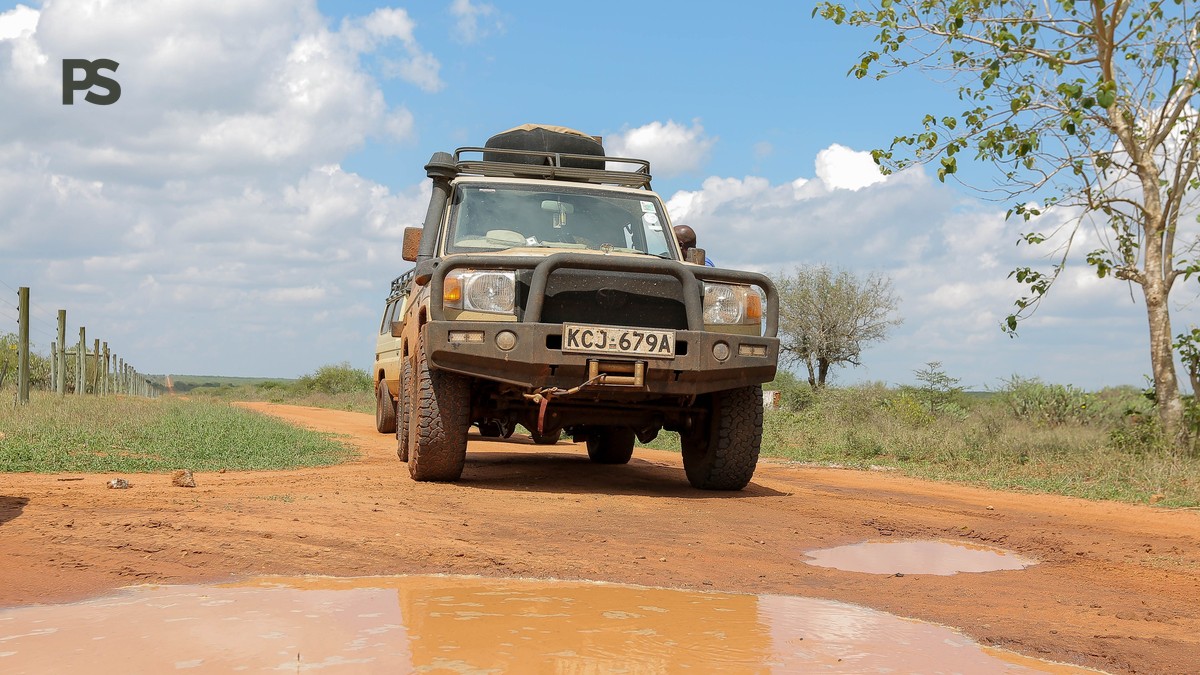
A six-day private safari for two with a Hebrew interpreter is often quoted around USD 3,500 to 5,000 all-in. That range assumes good tented camps and standard park fees. A Hebrew interpreter adds about USD 50 to 100 per day. A rare Hebrew-speaking driver-guide can cost USD 280 to 350 per day.
Ask for a quote that separates park fees, conservancy fees, accommodation, and language support. The most expensive safari is not automatically the best. The best one is the trip where every meal and every Shabbat works.
Plain Safaris plans with named camps and written breakdowns. Our small-group safaris keep costs shared without losing personal attention. Private safaris suit honeymooners who want exclusivity. For a very personal trip, ask about an exclusive-use tent in a conservancy. You get a private deck, flexible meal times, and few other vehicles.
Pair this plan with our guide to Masai Mara conservancies and migration timing for more route detail.
The Kenya Safari Planning Guide Hebrew Speakers Trust
The ideal Kenya safari for Hebrew speakers is not a compromise. It is a route shaped around your calendar, your kitchen, and your Shabbat. When those fit, the wildlife does the rest.
So which camp on this route would work best for your Shabbat, your kosher plan, and your budget? Start with the seven steps above, then ask an operator to test them against a real itinerary. Plain Safaris will put your guide plan, kosher menu, and camp list in writing. Reach out through our contact page to start the conversation.