
You have typed “first safari what expect German speakers” into a search engine. Now you see endless camp options. This post gives you the honest answer instead. It covers guides, routes, costs, daily rhythms, packing and the Kenya eTA.
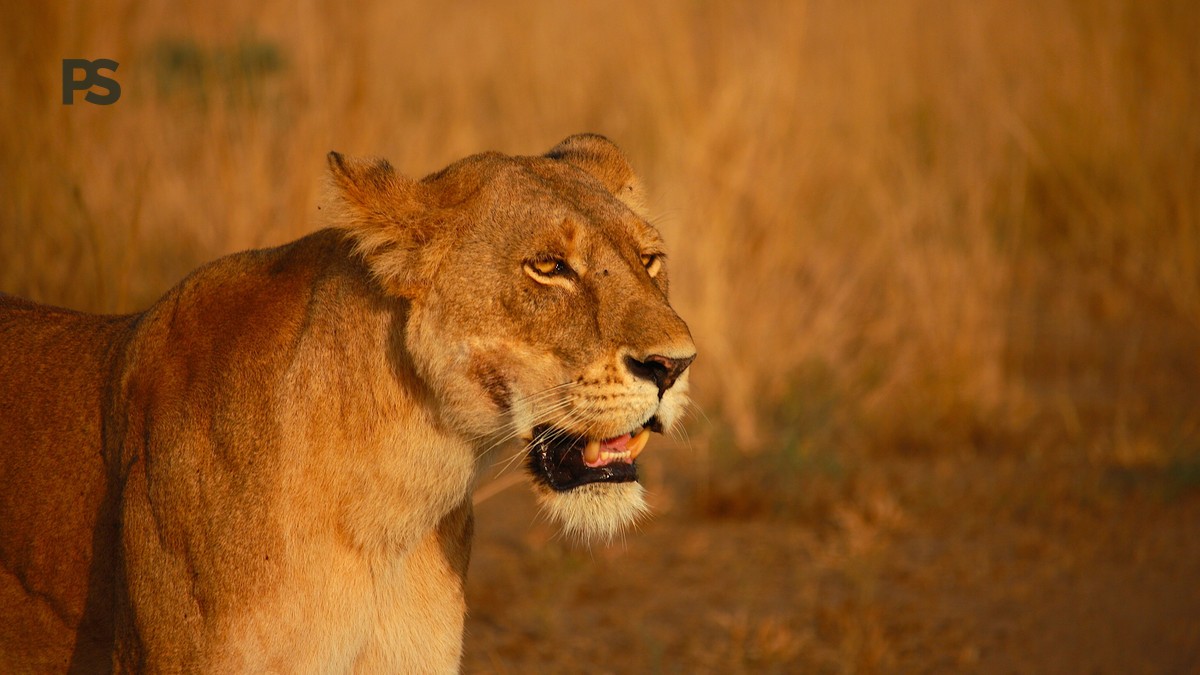
A first safari is not a zoo visit. At 6 am in the Masai Mara, the grass is damp and the vehicle feels cold. You may see nothing for an hour. Then a lioness appears, and you understand why early mornings matter.
First safari, what to expect: do German speakers need a guide?
A German-speaking guide is helpful but not essential. English is the standard safari language, and many Kenyan guides speak it fluently. Dedicated German-speaking driver-guides are limited and should be confirmed in writing. Expect roughly USD 50 to 150 extra per day for private language support, while phone or office support may cost nothing.
If you want bird names, tree uses and Maasai history explained in German, ask exactly who will drive you. Some operators offer German support at reception but not in the vehicle. The guide who sits with you matters more. German-speaking guides for a Kenya safari explains how to check language levels before you pay.
Can a first-timer rely on English? Yes. Most Kenyan guides speak English well, so beginners do not miss the basics. If your family mainly speaks German, plan for the language surcharge. It is a real cost, not a small detail.
How many days do you need for a first Kenya safari?
Plan on at least seven full safari days, excluding international travel, for a comfortable first Kenya trip. Two nights in Amboseli and three nights in the Masai Mara provide strong variety without excessive transfers. Add Lake Nakuru or Nairobi for the remaining nights. Ten to twelve days allow a slower pace or a beach extension.
One route that works for seven nights:
- Night 1 in Nairobi.
- Nights 2 and 3 in Amboseli.
- Night 4 at Lake Nakuru.
- Nights 5 to 7 in the Masai Mara.
- Return to Nairobi on day 8.
Road transfers are manageable but long. Nairobi to Amboseli usually takes four to five hours. Nairobi to the Masai Mara usually takes five to six hours via Narok. Internal flights save time. Domestic flight rates vary by season, but expect roughly USD 150 to 350 per person per leg. Ask your operator to compare road and flight before you decide.
Plain Safaris runs small-group safaris. That means more room for questions and more space between camera bags. For a first-timer, that matters almost as much as the wildlife.
Which parks fit in a first week?
The Masai Mara is the strongest first-safari choice for big cats and open-plains wildlife, while Amboseli adds large elephant herds and Kilimanjaro views. Lake Nakuru is a compact choice for rhinos. Choose Samburu for distinctive dry-country species or Tsavo for broad landscapes and fewer visitors.
For seven nights, stick to three areas. The table shows the usual first choices. KWS changed entrance fees in October 2025. Except for the Mara, these are KWS parks.
| Park or reserve | Why first-timers like it | Entry per adult per day, 2026 |
|---|---|---|
| Masai Mara National Reserve | Big cats, open savannah, strong dry season | Jan-Jun USD 100; Jul-Dec USD 200 |
| Amboseli National Park | Elephant herds and Kilimanjaro views | USD 90 |
| Lake Nakuru National Park | Rhinos, flamingos, compact park | USD 90 |
| Nairobi National Park | Easy wildlife near the capital | USD 80 |
| Tsavo East National Park | Vast landscapes, fewer vehicles | USD 80 |
The Mara is run by Narok County Government, not by Kenya Wildlife Service. Its July to December fee doubles during peak migration months. Private conservancies such as Naboisho and Mara North usually bundle fees into lodge rates, roughly USD 80 to 150 per person per night. In exchange, you get low vehicle numbers and quieter roads. Pick one conservancy for your Mara nights if your budget allows.
What does a first Kenya safari cost?
Budget around USD 250 to 400 per person per day for a realistic mid-range safari, excluding international flights. That range usually covers a room or tent, three meals, park fees, transfers and shared game drives. It may not cover drinks, laundry, tips, internal flights or a German-speaking guide.
Camping costs less. Luxury camps, private vehicles, internal flights and peak-season dates can push the total above USD 5,000 per person. Peak Mara season makes the biggest single difference. The USD 200 daily entry fee is easy to underestimate.
What is a typical day on a safari?
Most days include an early-morning game drive and a late-afternoon drive, each lasting around three hours. Midday is usually reserved for breakfast, lunch, rest or camp activities because wildlife is less active and temperatures are higher.
Your camp wakes you before light. A dawn drive leaves around 6 am. You wear layers because an open vehicle is cold at first. By late morning, the sun is strong. Back at camp, you eat a big breakfast and then rest, swim or nap. The late-afternoon drive starts around 4 pm and runs into dusk. Expect at least one quiet stretch each drive. That is normal.
Packing, eTA and safety for first-timers
Pack a 60 to 70 litre soft duffel. Hard-shell cases do not fit well on safari vehicles and are awkward on small aircraft. Bring neutral clothing, a warm fleece, a rain shell, sunscreen, insect repellent and prescription medicine.
Bring a Type G plug adapter. Keep your Kenya eTA approval printed or saved offline. You need the eTA before you fly, and the Kenya eTA guide walks through the online form step by step. Passport, cash and medicine belong in your hand luggage. Do not walk around camp after dark without a guard. Follow your guide’s instructions and stay seated when animals are close.
Plan about USD 10 to 15 per person per day in tips for your guide. Ask the camp how tips should be shared.
The moment that makes it worth it
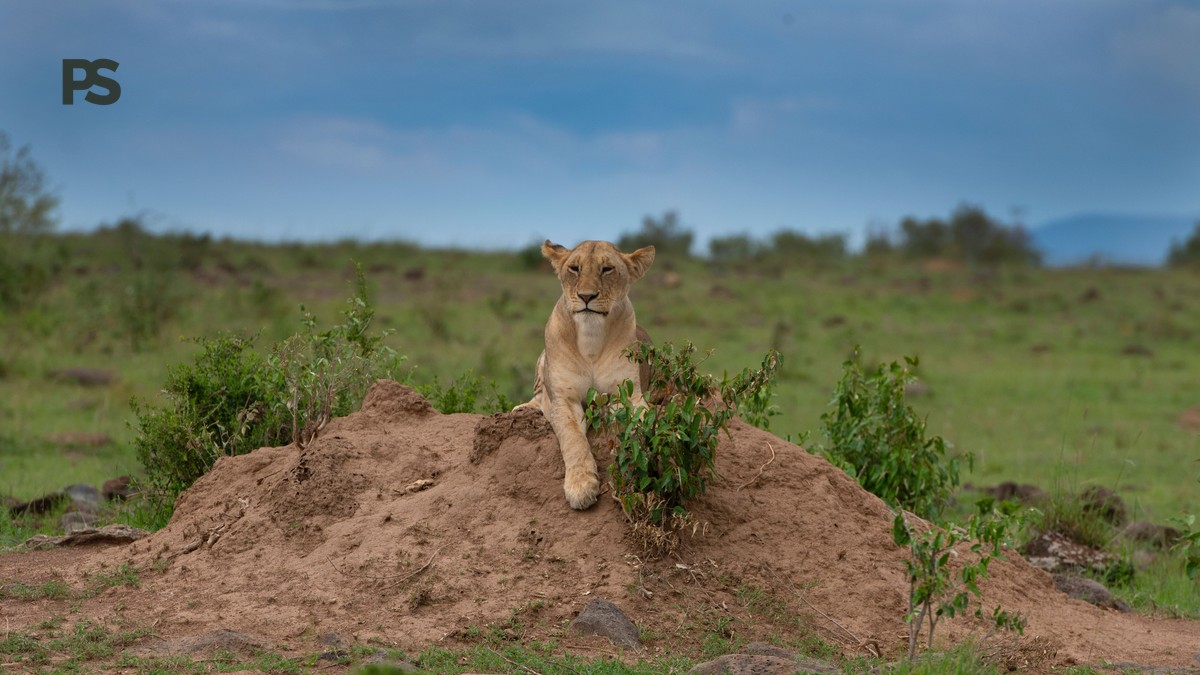
Most first-timers spend some hours seeing nothing. Then one wild moment changes everything. That is why the early starts matter. A safari teaches you how quietly you can watch.
When you are ready to plan, the seven steps to book a Kenya safari walk through deposits, confirmations and packing questions. Then let Plain Safaris build the route around your language needs, or compare the plan above with another local operator. Seven days is enough. Bring an open timetable, because the safari will set its own schedule.