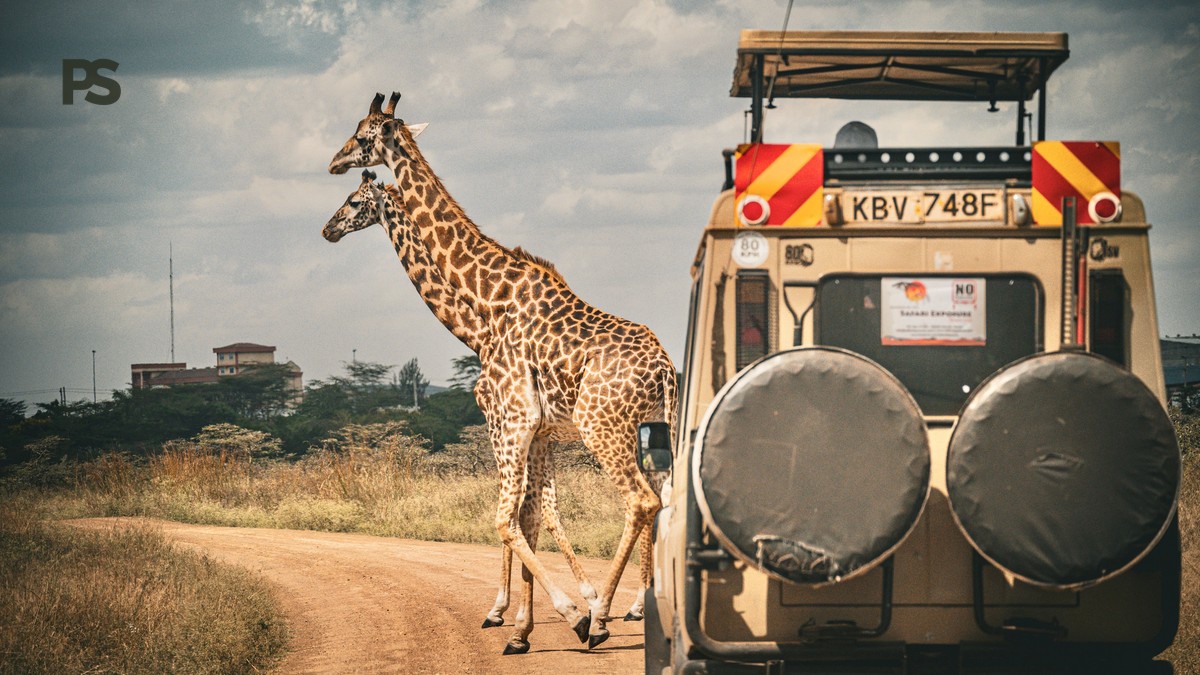
The 8:30 a.m. flight from Wilson Airport to the Masai Mara is cancelled. Heavy rain has closed the airstrip, and the sky over the Ngong Hills is still grey. A safari flight cancellation feels like the end of the trip, but it is usually the start of a short logistics chat.
What if safari weather cancels flights? In Kenya, the short answer is that you rebook, you adapt, or you take a road. This post walks through the five steps that keep your trip moving.
What If Safari Weather Cancels Flights? What Happens Next
If weather cancels a safari flight, the airline normally offers the next available flight, while the safari operator contacts the camp and adjusts transfers. If waiting would waste a game-drive day, the operator may arrange a road transfer or an extra Nairobi night. The exact solution depends on airstrip conditions, seats, road safety, and camp availability.
Most bush airlines in Kenya fly small planes to strips across the Mara, Samburu, Amboseli, and the Laikipia plains. When storms move through, safety comes first. Pilots will not land on a strip that is waterlogged or covered in low cloud. A Kenya safari flight delay is not rare in the wet months, but it rarely lasts all day.
What Should You Do First After a Safari Flight Cancellation?
First, obtain written confirmation of the cancellation and its weather-related cause. Next, contact the safari operator before accepting a reroute. Ask the bush airline to protect later sectors, and notify your travel insurer before paying for a replacement. Keep boarding passes, receipts, revised itineraries, and messages because they support reimbursement claims.
Here are the five steps you can repeat at any airstrip:
- Get the cancellation in writing from the airline or ground agent.
- Contact your safari operator before you accept any reroute.
- Ask the bush airline to protect your later flight sectors.
- Notify your travel insurer before you pay for a replacement.
- Save every boarding pass, receipt, revised itinerary, and message.
If you are traveling with a family, step two matters most. A small-group safari operator can hold your camp rooms, move pickups, and explain what the airline text message actually means. Small-group safaris also mean fewer travelers competing for the same rebooked seats.
Can You Get a Refund or Rebooking for a Weather-Cancelled Safari Flight?
Most safari-flight operators offer free rebooking on the next available service when they cancel for unsafe weather; some offer a full refund if rescheduling is impossible. A customer who cancels independently may face stricter terms. Confirm the specific carrier’s policy, because a flight refund does not automatically cover unused camp nights, transfers, or hotels.
Bush flight rebooking is usually faster than a refund. Most airlines want to fill seats on later departures, and your operator wants to restore your plan. If a refund is offered, check what it covers. It may cover only the flight sector, not unused camp nights. Before you assume, see costs commonly excluded from a Kenya safari package.
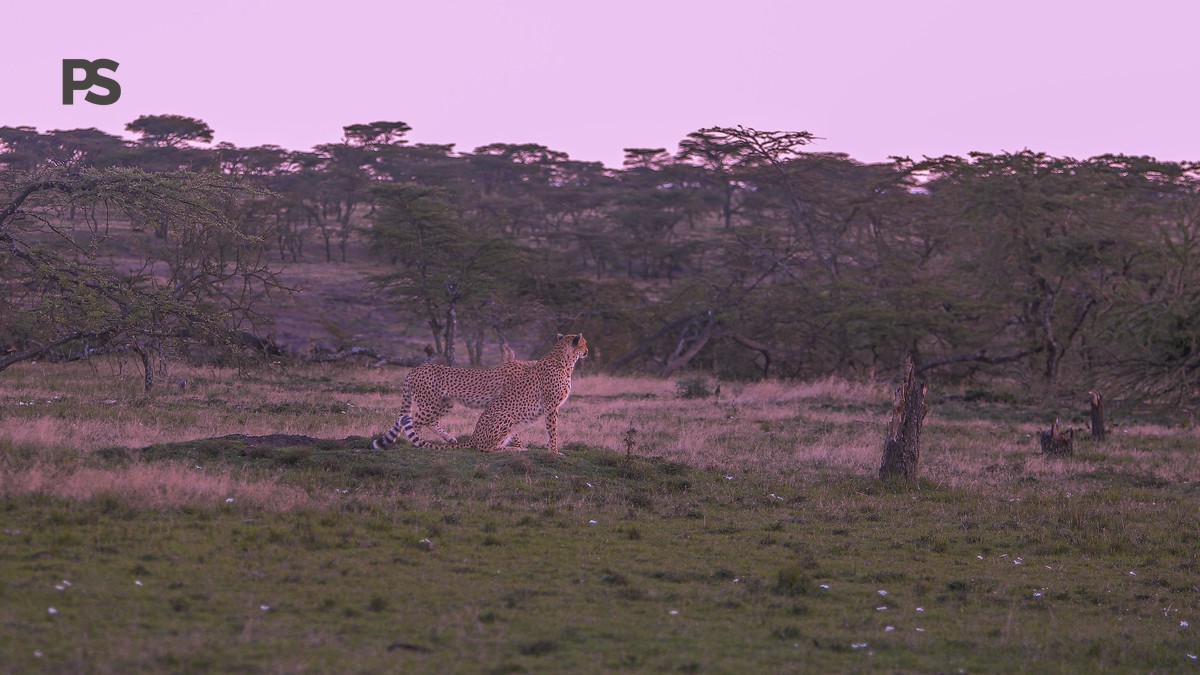
When Is a Road Transfer Better Than Waiting for the Next Flight?
Choose a road transfer when the next flight would make you lose a night or major game drive, the route is safe and passable, and the extra driving time is acceptable. In Kenya, a replacement road transfer may cost roughly USD 130-180 per person in some itineraries, so compare that price with a flight delay, lost activities, and available insurance cover.
| Option | Time from Nairobi to Masai Mara | Weather-day cost | Best pick when |
|---|---|---|---|
| Scheduled bush flight | 45-60 minutes | Usually rebooked free | The airstrip clears by early afternoon |
| Safari road transfer | 5-6 hours by road | Roughly USD 130-180 per person | The next flight misses a night or a game drive |
The road decision depends on your camp. A camp in the Mara Triangle may be a long drive from the Sekenani Gate. A camp near the Oloololo Escarpment is closer to the western entry, but still hours from Nairobi. If you are on a three-day trip, even one lost game drive is a big deal. Compare the road cost with the value of the afternoon you would spend waiting at the airstrip.
Who Pays for Extra Hotels, Missed Nights, and Replacement Transport?
The airline usually handles its own rebooking, but responsibility for an extra hotel, missed camp night, or road transfer depends on the booking terms, cause of disruption, and insurance policy. Weather is commonly treated as outside the airline’s control, so the traveler may pay first and seek reimbursement. Ask for written decisions and keep every receipt.
Travel insurance for safari delays is the piece that fills the gap. Before you buy a policy, check if it covers weather-related rebooking, extra hotels, and missed nights. Many annual policies only cover disruptions that start before you leave home. Ask your insurer to confirm the rule in writing.
At Plain Safaris, we prefer to write a weather-day plan into the route. That means knowing which airstrip your camp uses, how long the road transfer takes, and what your policy includes. For a similar checklist, read what to do when a safari flight activity is cancelled.
Make Your Safari Plan Weather-Ready
The weather in Kenya is part of the show. Rain can turn a dusty conservancy into fresh grass, and it can also turn a flight schedule upside down. The trick is not to control the rain; the trick is to know the process.
Small-group safaris are easier to reshuffle because your operator is managing fewer moving parts. When you plan with Plain Safaris, we will tell you how your bush flight, road transfer, and camp nights fit together. Start with a short Kenya safari itinerary, then ask us to add a flexible transfer option.
The next time clouds settle over the Rift Valley, you will not be guessing. You will know exactly what happens when the airstrip closes. Ready to build that plan? Contact Plain Safaris and we will help you design a Kenya safari with clear flight and road choices.