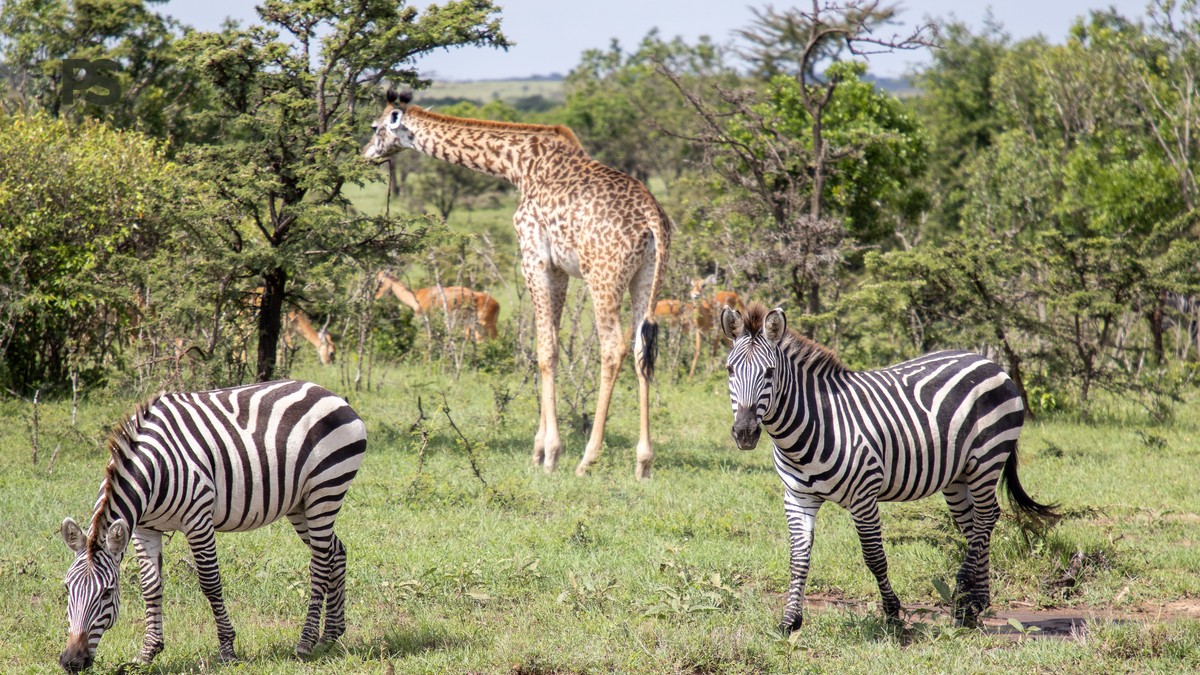
Picture this: you are two kilometers from Talek Gate. The sky opened an hour ago. The track ahead is now a brown river. It is a fair question to ask your guide: what happens if safari roads close? The honest answer is less dramatic than you fear.
A road closure usually changes the route or timing, not the whole safari. Your guide or camp checks conditions, then uses another gate, waits for water to fall, moves to a safer game-drive area, or arranges a flight. The park may stay open while one corridor is closed. Your job is to understand the order of decisions.
What Happens If Safari Roads Close: The Sequence of Events
The exact sequence depends on where you are. In the Masai Mara, the Narok-Sekenani and Sekenani-Keekorok road corridors are the first to soften after rain. Black-cotton soil turns into brown glue. In Tsavo East, the road near Sala Gate can flood quickly, while other gates stay dry. At Amboseli, flooding south of the park can affect the drive to the camp even when the game-viewing circuit itself remains fine.
In every case, your guide, camp manager, and park rangers share updates. They decide if a road is passable. If it is not, they look for a safer option. Nobody removes a barrier or drives around a closed road, because rescue and repair costs rise fast.
Why Safari Roads Close and Which Routes Are Most Affected
Heavy rain is the main reason, and the Kenya safari rainy season is usually when these questions come up. The list of common causes is short:
- Deep mud on black-cotton soil.
- River crossings that rise too high.
- Bridges and culverts that flood over.
- Campsite access roads that wash out.
Tarmac roads stay reliable in most weather. Unpaved park tracks, conservancy tracks, and river approaches are more vulnerable. In the Mara, the Sekenani corridor and the river approaches often close first. Remote Naboisho or Mara North conservancy tracks can also become soft. In Samburu, the Ewaso Ng’iro River crossings near Archer’s Post may close after heavy storms. The main reserve may stay open while those tracks do not.
Does a closed road mean the whole park shuts down? Usually, no. Rain closes particular roads, river crossings, camp driveways, or conservancy tracks, not an entire park. Some camps close during the wettest weeks if access is unsafe. Permanent lodges and better-maintained routes often continue operating.
How to Check Safari Road Conditions Before You Go
Road conditions change hour to hour in the wet season. A few small questions make a big difference:
- Ask the camp manager 24 hours before you travel.
- Ask again the morning of the drive.
- Ask the tour operator about gate closures, not just drive times.
- Treat Google Maps as unreliable for park tracks. Rangers and driver networks give the real update.
Good safari road conditions start with good communication. Your guide may use local driver networks.
Your 5 Next Steps When the Road Ahead Is Closed
1. Let your guide assess before you react
Do not get out of the vehicle. Do not judge a muddy stretch from the window. The guide checks depth, surface, and driver reports. If the road is unsafe, the vehicle turns around. The driver will not try to force through deep mud. A recovery call is cheaper than towing a stuck truck out of wet soil.
A safari vehicle stuck in mud is handled the same way: stop, call, wait. Never push a heavy truck out by hand.
2. Ask which alternative safari routes are open
Your guide may already know, but ask anyway. The question gives the camp time to coordinate. The backup depends on the park.
In Tsavo East, visitors affected by Sala Gate can often use Bachuma Gate or Voi Gate instead. In the Mara, an operator may reroute through another gate or arrange a light aircraft. In Amboseli, flights may divert to the Tawi runway when normal access is disrupted. These alternative safari routes are known to experienced guides. On Plain Safaris small-group safaris, these changes are easier because the vehicle can turn around without a long convoy.
3. Choose between waiting, rerouting, or flying
This is the moment to make the decision. Ask three questions:
- How long will the road likely take to drain?
- Is there a safe route to the same camp?
- Can a light aircraft reach the airstrip?
In the Mara, scheduled flights use Kichwa Tembo and Musiara airstrips even when the main road is closed. If you wait, ask the camp about a hot drink and a place to sit. If you reroute, accept that the drive may be longer. If you fly, pack a small overnight bag in the front seat.
4. Clarify costs before you commit
A closure can add recovery, rerouting, transfer, or flight costs. The result depends on the operator’s terms. A reported self-drive recovery typically costs about KES 5,000 to 15,000, depending on distance and conditions. Emergency flights can cost much more. Extra nights may cost more.
Private conservancy access is often bundled into lodge rates, roughly USD 80 to 150 per person per night.
Learn who pays before booking. Read what safari packages may exclude so no one is surprised later.
5. Stay safe and adjust your game plan
Stay in the vehicle. Follow the guide’s instructions. Never cross moving water or drive onto a marked closed road. Turn around before soft ground traps the vehicle. Avoid night travel near wildlife. If a scheduled game drive is cancelled, use the same calm process: ask what replaces it. That may be a bush breakfast, a walking safari, or a later drive. See what to do when a safari activity is cancelled for practical steps.
A road closure can give you a quiet corner of the Mara at first light with no other vehicles. If you travel during the wet season, plan for slower movement. A Kenya safari quiet-season itinerary helps you choose routes with better drainage and fewer crowds.
Backup Routes and Current Park Fees at a Glance
The table below shows common backup options and current non-resident entry fees. Fees are effective from October 2025.
| Park | Route that may close | Common backup | Current non-resident fee |
|---|---|---|---|
| Masai Mara National Reserve | Narok-Sekenani and Sekenani-Keekorok roads | Alternate gate or light aircraft via Kichwa Tembo or Musiara Airstrip | USD 200 per adult per day, July to December; USD 100 January to June |
| Amboseli National Park | Access roads after heavy storms | Flight to Tawi runway, then transfer | USD 90 per adult per day |
| Tsavo East National Park | Sala Gate road | Bachuma Gate or Voi Gate | USD 80 per adult per day |
Note: The Mara fee is set by Narok County Government, not KWS. Always confirm current rates before travel.
Your Next Step After Reading This
Road closures are a planning detail, not a trip killer. If you are booking a Kenya safari and want clear answers about wet-season routes, the next step is simple. Contact the Plain Safaris team and let us match a route to the season. We plan small-group safaris with route flexibility built in, so you can adapt when the rain arrives. Start the conversation today.