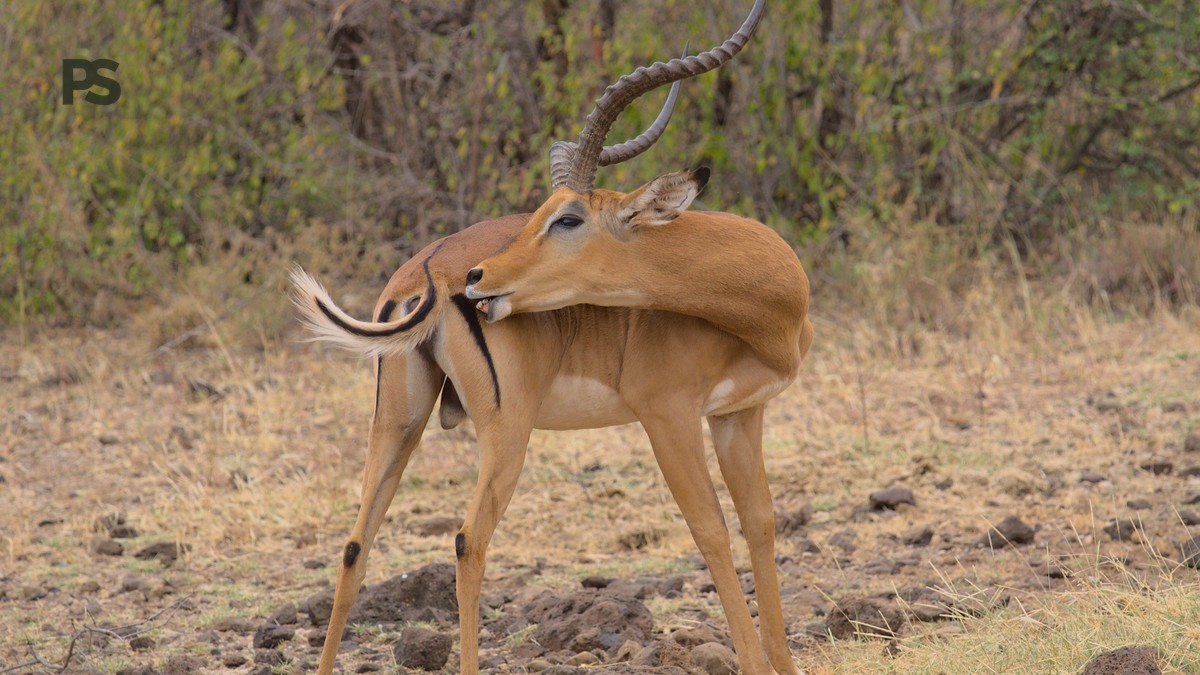
I remember watching a six-year-old at a Mara North conservancy camp climb into a Land Cruiser at dawn. Her father was nervous. The guide laughed and said, “We will go slow, and she will tell us when she is done.” That is the honest answer to the question every parent asks: can children handle safari drives? Some can, some cannot, and the difference comes down to age, vehicle choice, and how you plan the day.
Can Children Handle Safari Drives? The Short Answer on Age
Most children aged 8 to 12 handle standard safari drives best because they can follow safety instructions, sit quietly, and understand that wildlife sightings involve waiting. Children aged 4 to 7 can enjoy safari too, but usually need shorter drives, frequent breaks, and a flexible private vehicle. Age limits vary by camp and activity, so always confirm before booking.
A five-year-old can absolutely go on safari, but many lodges restrict standard game drives for children under six. Choose a property that explicitly accepts younger children. Plan roughly 90-minute to two-hour outings. Confirm the camp’s age policy before you pay.
How Long Should Children Sit in a Safari Vehicle?
The practical sitting ranges below are maximum stretches, not targets. Stop sooner when a child becomes tired, hot, hungry, or restless.
| Child Age | Comfortable Sitting Time | Suggested Kenya Setup |
|---|---|---|
| 2 to 4 years | 45 to 90 minutes | Private vehicle, morning only, back to camp for lunch and pool |
| 5 to 8 years | 2 to 3 hours | One main drive plus short evening outing, snack breaks |
| 9 to 12 years | 3 to 4 hours | Two drives possible, but build in a rest day after three days |
Road conditions matter more than raw distance. A bumpy track in the Masai Mara wears children out faster than a smooth drive through Lake Nakuru National Park. The Mara’s reserve roads can be rough in the wet season. A private vehicle lets the guide end a drive early without disappointing other guests.
Safety Rules Children Can Follow
Safari drives are generally safe when children remain seated, quiet, and inside the vehicle near wildlife, while adults supervise them at all times. They must not stand through the roof, lean out, or move between seats. Guides may limit young children’s proximity to high-profile predators, and each camp sets its own rules.
Children need clear rules before the first drive. Explain that animals see the vehicle as one big creature. If a child stands up, the “creature” changes shape and the animal may become nervous. Keep voices low. Do not let children dangle arms or legs outside the vehicle.
The same rules apply outside the vehicle. One guide in Amboseli told me he never lets children walk ahead on nature walks. Wildlife can move through bush paths quietly. Adults should supervise children around vehicles, waterholes, and camp paths at all times.
Choosing the Right Camp and Vehicle
Choose a private vehicle when children are under six, have short attention spans, or need naps and unscheduled stops. A private vehicle costs more, but it changes everything. The guide can pause for a snack, wait while a child sleeps, or head home early without negotiating with strangers. Plain Safaris runs small-group safaris built around private vehicles for exactly this reason, so one family’s pace never depends on another’s.
For younger families, consider accessible areas such as Mara North or Amboseli. Mara North Conservancy keeps vehicle numbers low, which means less waiting at sightings. Amboseli offers wide horizons and short grass, making animals easier to spot. Both areas have camps that welcome children and offer family tents.
Park fees add up fast. Masai Mara National Reserve costs USD 100 per adult per day from January to June and USD 200 from July to December. For two parents, that is USD 200 to USD 400 per day before child rates. Amboseli National Park charges USD 90 per adult per day. Lake Nakuru National Park charges the same. Naboisho and Mara North conservancies bundle fees into lodge rates, roughly USD 80 to 150 per person per night.
A Realistic Kenya Rhythm for Families
Schedule one main game drive and one shorter outing rather than two full adult-paced drives every day. Build a pool day, cultural visit, nature walk, or lodge day after three or four consecutive safari days, especially for children under ten. This rhythm trades maximum sightings for happier children.
A workable family itinerary looks like this. Day one: arrive, settle in, short evening drive near camp. Day two: dawn drive for two hours, breakfast, pool, short walk. Day three: full morning drive, rest, evening storytelling or Maasai visit. Day four: sleep in, brunch, transfer to a new area. This pattern keeps children engaged without burning them out.
Pack water, snacks, sun protection, warm layers, binoculars, and an animal checklist. Child-sized binoculars make a real difference. A checklist turns a long search into a game. Let children help choose which sightings to stop for. A family who watches one lion for twenty minutes often enjoys the drive more than one racing between five sightings.
Several Kenya safari parks for families work well with this slower rhythm. A 3-day Kenya safari itinerary can fit the pattern if you pick one area and stay put instead of moving camps every night. Ask your guide about safe places to leave the safari vehicle during breaks, because picnic spots are not all equal.
Closing
You know your child better than any guide or itinerary. The age-by-age ranges here give you a starting point, but the real test happens on day one. Pick a camp with a flexible vehicle policy, start with a short drive, and watch how your child responds.
Plain Safaris builds every family trip as a small-group safari with a private vehicle, shaped around your children’s actual attention spans, not a template. Tell us their ages and we will shape drive times, rest stops, and camp choices around them.
One father in Mara North watched his six-year-old fall asleep in the Land Cruiser, wake up at a waterhole, and ask, “Can we go again tomorrow?” What will your child ask for after their first drive?