
November at Aruba Dam looks nothing like the dry-season brochure. The red soil is dark and damp. Thorn bushes carry new leaves. A herd of elephants walks through grass that nearly reaches their knees, and only two other vehicles share the water. This is Tsavo East in the short rains, and it is a different park from the one most people visit.
I have driven the loop between Aruba, Satao, and the Galana River in November. Some days are perfect. Some end with sudden rain that sends everyone back for tea. If you are weighing a tsavo east safari in november, this post can help. It compares the green season with the dry season, shows current park fees, and covers costs, gates, roads, packing, and a two-night plan.
What is Tsavo East weather like in November?
November is Tsavo East’s short-rains season. Daytime temperatures stay hot, usually around 31°C. Rain usually arrives as brief, sometimes heavy showers rather than continuous all-day rain. Morning game drives often remain practical. Afternoon storms can interrupt plans and soften unpaved tracks. Flexible timing and waterproof layers are essential.
The park is huge, so local weather varies. Tsavo East covers roughly 13,700 square kilometers. Voi and the southern circuits may stay dry for days while the Galana River area gets soaked. A good operator checks the forecast and recent rainfall before choosing the morning route.
Is November a good time for Tsavo East wildlife viewing?
Yes, with one honest caveat. November still offers elephants, lions, buffalo, giraffes, zebras, and other resident wildlife. Animals may spread across the park because water and fresh food are widely available. Birdwatchers get the bigger upgrade. Migratory species arrive, and Tsavo East’s recorded bird list passes 500 species. For Tsavo East birdwatching, November is arguably the best month of the year. Green scenery and dramatic storm light also help photographers. Dry-season sightings are generally more concentrated.
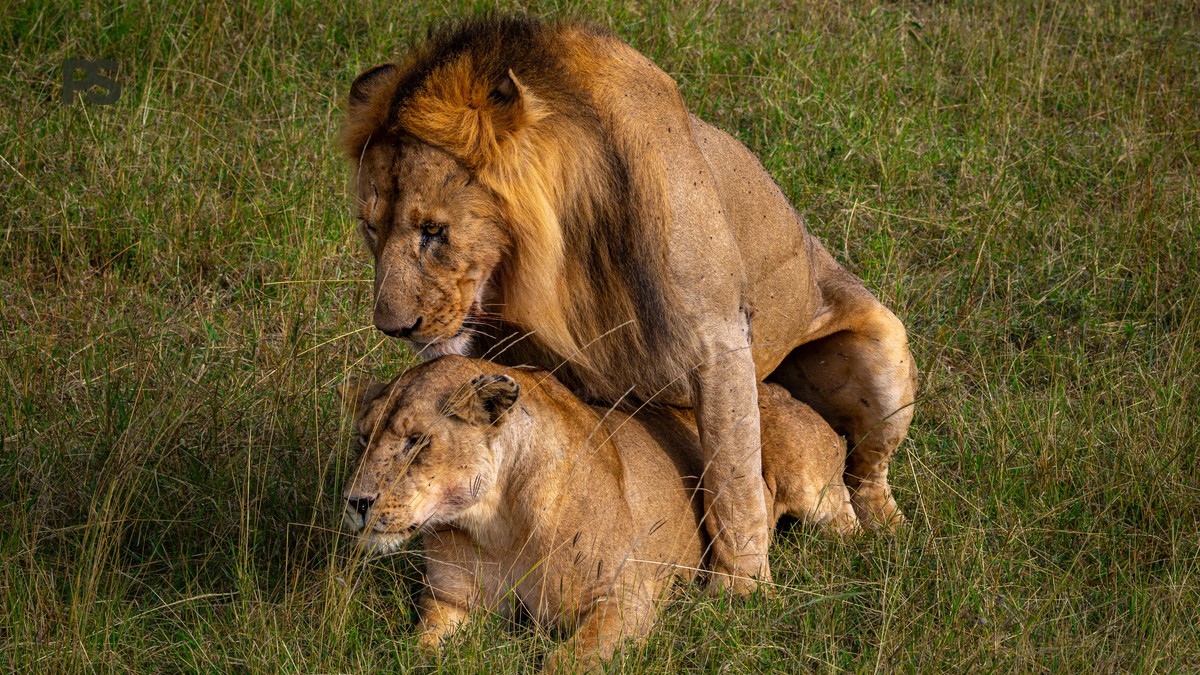
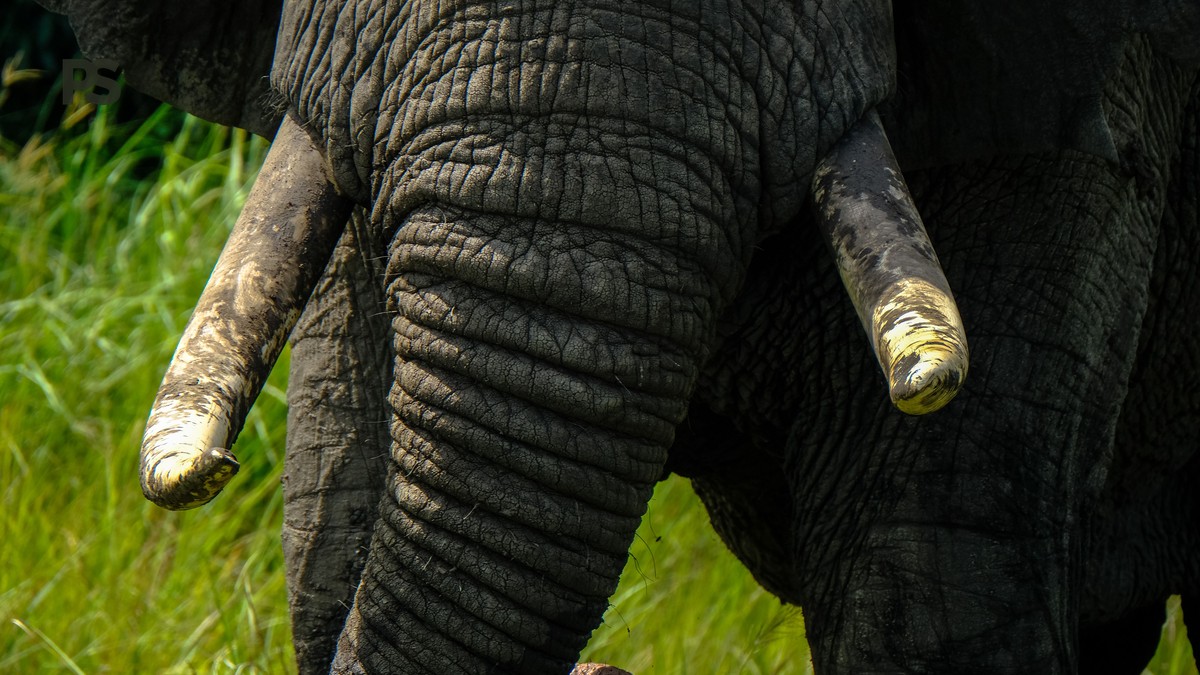
The elephants are the park’s signature. Their skins are dusty red from the iron-rich soil, and November’s mud only deepens the color. Cheetahs and lions still hunt around the Galana River. You just may need more patience, and a guide who follows fresh tracks instead of a crowd of cars.
What do you gain and lose with a November safari?
The main advantages are fewer vehicles, greener scenery, stronger birdlife, and possibly lower lodge rates. The trade-offs are less concentrated game, thicker vegetation, rain interruptions, and occasionally muddy side roads. November suits travelers who value quiet landscapes more than maximum predator-sighting predictability.
| What matters | November in Tsavo East | Dry season from June to September |
|---|---|---|
| Wildlife concentration | Animals spread across fresh grass | Animals gather at permanent water |
| Crowds | Few vehicles, quiet corners | Busy, especially July and August |
| Birdwatching | Migrants present, one of the best months | Resident birds, fewer migrants |
| Scenery | Green hills, flowering trees, dramatic skies | Dusty, brown, harsh midday light |
| Accommodation rates | Roughly 20-30% lower at some lodges | High-season rates, often full |
| Road conditions | Main routes usable, some remote tracks muddy | Generally dry and easy |
| Park fee, non-resident adult | USD 80 per day | USD 80 per day |
The short rains make Tsavo East less predictable. That is the honest trade-off. Predictable does not mean empty. You trade ease of searching for peace and beauty. If you want the simplest answer, the best time to visit Tsavo East for reliable wildlife concentration is the dry season. The best time for quiet green scenery is November. Both trips are good. They are simply different trips.
How much does a Tsavo East safari in November cost?
November can reduce room rates because visitor numbers usually fall during the short rains. Some properties advertise roughly 20-30% lower rates than peak periods. Park fees, meals, transport, and many operating costs may stay the same. Always request an itemized quote covering accommodation, vehicle, guide, entry fees, and exclusions. At Plain Safaris, that itemized quote is standard for every trip.
The fixed part is the park entry fee. Non-resident adults pay USD 80 per day in Tsavo East. That is a Kenya Wildlife Service rate updated in October 2025, so older guides may quote less. Children pay less. East African residents pay a different rate. Compare that with the Masai Mara Reserve, where non-resident entry reaches USD 200 per day from July to December. November is a good month to skip that crowd and put the same money toward a quieter park.
Lodges inside the park range from about USD 150 to USD 450 per person per night in November, depending on comfort. A three-day small-group safari with a private vehicle, guide, and meals usually lands around USD 900 to USD 1,500 per person before international flights. Treat those figures as a planning range, not a fixed quote. Before comparing offers, check what a Kenya safari package excludes.
Which gate should I enter for a November trip?
Main routes near Voi and established circuits such as the Aruba-Galana loop are often usable in November. Heavy local rain can make remote tracks difficult, especially around Ithumba in the north. Confirm the entry gate before booking because gate choice changes transfer time.
| Gate | Approx. distance from Voi | Best for |
|---|---|---|
| Voi Gate | about 3 km | Fastest entry; close to Aruba Dam and Satao Camp |
| Manyani Gate | roughly 20 km on the Nairobi-Mombasa highway | Coming from Nairobi or Tsavo West |
| Sala Gate | roughly 20 km on the Voi-Sala road | Northern Galana circuits, usually quiet |
| Buchuma Gate | south on the Mombasa road | Coming from the coast |
From Nairobi, plan on 5 to 6 hours by road to Voi. From Mombasa, allow 2.5 to 3 hours. You can also fly into Voi or Manyani airstrip. In November, ask your operator for the latest road report. Remote tracks around Ithumba turn to black cotton mud quickly when storms hit.
What should I pack for Tsavo East in November?
Pack lightweight breathable clothing, a compact waterproof jacket, quick-drying trousers, closed walking shoes with grip, sun protection, insect repellent, binoculars, and a dry bag for electronics. November stays hot, but sudden showers make waterproof protection more useful than heavy cold-weather clothing.
Add a wide-brim hat, sunglasses, a small torch, and a refillable water bottle. Leave the heavy fleece at home. Carry a spare set of clothes in the vehicle. A midafternoon storm can turn a dry path into a red mud bath in minutes.
What is the best Tsavo East itinerary for November?
A two-night, three-day itinerary provides the best balance. Arrive through the most convenient gate. Take an afternoon drive if roads are dry. Schedule two early-morning drives. Use one flexible afternoon for birding or a weather-adjusted route. A longer stay improves wildlife odds because November sightings are less concentrated.
Day one starts at Voi Gate with a late afternoon drive toward Aruba Dam. Day two begins before sunrise: drive the loop from Aruba through the Galana River area, then rest through the hottest hours. Day three takes one final morning drive before heading out through the same gate. If you are new to this pace, our three-day Kenya safari itinerary post explains the timing in more detail.
The Plain Safaris Difference
Plain Safaris plans small-group safaris for people who already know the classic Kenya circuit. We will not line up five identical Land Cruisers at the same waterhole. Our November Tsavo East trips start with a real look at the week’s weather and recent park reports. We pick the gate that fits your transfer. We choose routes that stay dry after rain. We book eco-lodges and sustainable safari stays in Kenya where your money supports rangers and local land.
We also stay flexible once you are on the ground. If the Aruba-Galana loop is dry, that is where we go. If the northern tracks are wet, we adjust. Small-group safaris move faster than big convoys, and November is exactly the month when that matters.
Should you book a Tsavo East safari in November?
Yes, if you want green views, empty viewpoints, and birds. Skip it if your main goal is the most predictable lion sightings at close range. In that case, the dry season from June to September is the better choice. For photographers, birders, and repeat visitors who have already done the Mara circuit, November is often the better choice.
If November sounds like your kind of Kenya, talk to Plain Safaris. We can build a two-night or three-night trip around the short rains, with a route that changes when the weather changes. Use our contact page to start the conversation. We will send you an itemized plan with current prices and honest advice about what the green season can and cannot deliver.