
If you are searching for a Kenya safari guide Spanish speakers can rely on, you are not alone. Spanish-speaking travelers planning a Kenya safari usually ask the same practical question. Can you find a guide who explains animal behavior in your own language? The answer is yes, but you need to plan ahead. English-speaking guides are common. Spanish-speaking guides are fewer. A little preparation makes the difference between a trip with real Spanish explanations and one with translation gaps.
This article walks through the booking process. You will see current price ranges, real park fees, and the five checks to make before you pay. We use 2026 fee figures from Kenya Wildlife Service and Narok County Government. No vague formulas. Let us start.
Kenya Safari Guide Spanish Speakers: Are They Available?
Yes, Spanish-speaking guides can be arranged in Kenya, but they are less common than English-speaking guides and should be requested before booking. Most practical arrangements use a bilingual Spanish-English driver-guide for a private safari. A separate interpreter is possible, but it adds another person, cost, and less space in the vehicle.
For first-time travelers, a private safari with a bilingual driver-guide is usually the best fit. You get one expert who drives, finds animals, and translates at the same time. A separate interpreter sits beside an English-speaking guide and translates after the guide speaks. It can add another set of eyes on the savanna, but it also adds cost and reduces luggage room.
Ask about the guide’s certification before you fall in love with a price. The Kenya Professional Safari Guides Association, or KPSGA, runs a respected training and grading system. Not every reliable guide belongs to KPSGA, but the certificate is a good sign. A professional guide should also have first aid training and years on the same routes you plan to visit.
How much does a Spanish-speaking Kenya safari cost?
A Spanish-speaking guide commonly adds about USD 150-250 per group per day, although some operators quote lower supplements for a bilingual driver-guide. A five-day shared trip may cost roughly USD 600-1,250 per person. A private mid-range safari commonly runs USD 1,500-3,000 per person before any unusually high-end upgrades.
The group total matters more than the daily rate. If the Spanish supplement is USD 200 per group per day, a five-day trip adds USD 1,000 to the total. Divide that by two travelers and each person pays USD 500. Divide the same total by six travelers and each person pays about USD 167. The table below shows how this works in practice.
| Group size | Spanish guide supplement for 5 days | Per-person cost added |
|---|---|---|
| 2 people | USD 750-1,250 | USD 375-625 |
| 4 people | USD 750-1,250 | USD 188-313 |
| 6 people | USD 750-1,250 | USD 125-208 |
These ranges are indicative. Exact prices depend on season, vehicle type, and operator. They explain why a private safari for two costs more per person than the same itinerary for four or six.
Remember that the guide supplement is separate from park entrance fees. The Masai Mara National Reserve is run by Narok County, not by Kenya Wildlife Service. Non-resident adults pay USD 100 per day from January to June and USD 200 per day from July through December. Amboseli National Park costs USD 90 per day. Lake Nakuru National Park also costs USD 90 per day. Tsavo East and Tsavo West cost USD 80 per day.
Named camps help you compare like with like. Enchoro Wildlife Camp, near the Oloolaimutia gate on the eastern boundary of the Masai Mara, and Basecamp Masai Mara are common mid-range options inside the reserve area. Kilima Camp and Sarova Mara Game Camp also appear in many Mara itineraries. These camps differ in style and location, so use them as starting points, not fixed prices. Your final bill should show accommodation, meals, vehicle, guide, park fees, transfers, and the Spanish supplement as separate line items.
If you are also curious about other languages, check our Kenya safari guide French speakers cost guide. The market works in a similar way, but availability varies by season.
How to book a Spanish-speaking safari guide
For the best balance of support and price, book directly with a Kenyan operator that confirms a fluent Spanish-speaking guide in writing. Ask for the guide’s name, whether the guide drives and interprets, the exact supplement, certification, replacement plan, and confirmation that Spanish service covers every safari day before paying a deposit.
Use these five steps before you commit.
- Decide between a private and shared safari. Private gives you the guide to yourself. Shared costs less, but there is no guarantee the whole group wants Spanish.
- Lock the route and the number of nights before comparing prices. A quote for four nights is very different from a quote for seven nights.
- Request the Spanish-speaking guide in writing. Ask the operator to name the guide in your booking documents.
- Ask for a breakdown, not just a total. You need to see park fees, camp rates, transport, and the Spanish supplement separately.
- Confirm the replacement plan. If your named guide falls sick, who serves as backup? Find out before you pay the deposit.
A written confirmation is not a small detail. It protects you when the operator assigns a different guide at the last minute. The confirmation should say “Spanish-speaking driver-guide” or “bilingual guide confirmed for the entire safari.” If the document says only “guide,” ask for more detail.
Which Kenya safari parks and itineraries work best?
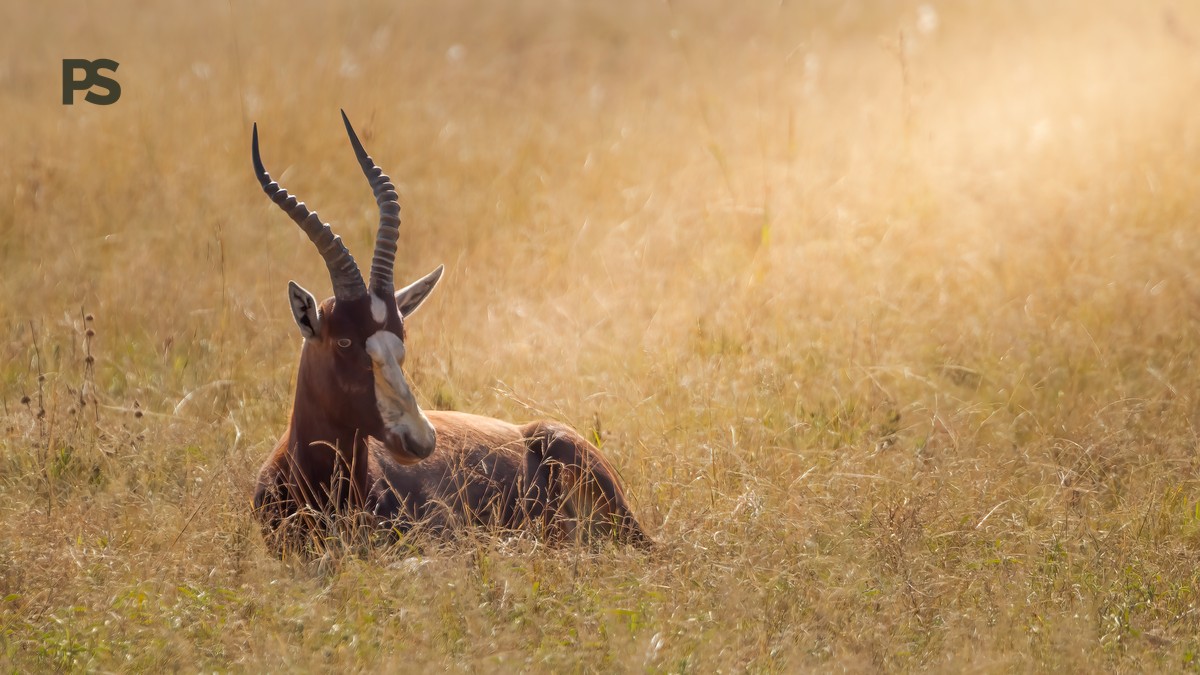
A first Kenya safari can combine Amboseli, Lake Nakuru or Ol Pejeta, and the Masai Mara over five to seven nights. The Masai Mara offers the strongest big-game focus. Amboseli adds Mount Kilimanjaro views. Ol Pejeta or Lake Nakuru provides useful variety. The final route should match season, road time, and budget rather than language alone.
The most common first-timer route pairs the Mara with Amboseli. Fly between airstrips if you have only six or seven days. A 45-minute flight from Wilson Airport to the Mara replaces a full day of driving. You lose some scenic roadside views, but you gain safari hours.
Lake Nakuru works well as a stop between Nairobi and the Mara. The drive from Nairobi to Lake Nakuru is about 2.5 hours. Lake Nakuru to the Mara is roughly four to five hours. Sunbird Lodge, near Lake Elementaita in the Great Rift Valley, is a common overnight option on this leg of the route. Distances shift with road works and wildlife sightings, so treat drive times as estimates.
If you want fewer vehicles around sightings, add a private conservancy. Naboisho and Mara North sit beside the Masai Mara. Their lodge rates bundle conservancy fees, typically around USD 80-150 per person per night. You will not pay a separate entrance ticket. The Mara National Reserve fee still applies if your itinerary includes it. Before you choose, read our guide to Masai Mara conservancies so you understand the real benefit.
Here is a simple route comparison.
| Route | Typical nights | Main parks or conservancies | Entrance fee per adult per day |
|---|---|---|---|
| Mara + Amboseli | 5-7 | Masai Mara, Amboseli | Mara USD 100-200, Amboseli USD 90 |
| Mara + Lake Nakuru | 5-6 | Masai Mara, Lake Nakuru | Mara USD 100-200, Nakuru USD 90 |
| Mara + Naboisho or Mara North | 6-7 | Masai Mara and private conservancy | Mara USD 100-200, conservancy USD 80-150 in lodge rate |
A longer route of seven nights gives you time to add Nairobi National Park at USD 80 per day. The park is close to the city, but it has a different energy from the Mara. Some travelers spend the last night there before an early flight.
How to verify Spanish fluency and guide qualifications
Do not accept occasional translation as proof of fluency. Request a phone or video conversation with the proposed guide. Ask how many Spanish-speaking groups they have led. Verify professional guide credentials. Obtain the guide’s name in the booking documents. A bilingual driver-guide is usually more efficient than adding a separate translator.
A 15-minute video call solves most doubts. Ask the guide to describe the dry season in the Mara or explain how a lion pride hunts. Simple answers are fine. What matters is whether the guide can switch from animal tracks to travel logistics without pausing for too long.
Ask about the kind of Spanish they speak. A guide who learned in Spain is still clear to travelers from Mexico, Colombia, Argentina, or Chile. Regional accents differ, but clear guiding should make sense to everyone. If you have specific needs, say so in advance. A family from Spain may feel different about vocabulary than a group from Peru.
Also ask how many times the guide has driven your route. Experience matters for river crossings, road conditions, and camera angles. A great conversation does not replace knowing where the resident leopard sleeps.
What is included and what should be confirmed before paying?
The written quote should separate accommodation, meals, vehicle, driver-guide, park or conservancy fees, airport transfers, and the Spanish-language supplement. Confirm whether the quoted amount is per person or per group. Confirm whether tips and drinks are excluded. Confirm what happens if the named guide is sick or unavailable. These details prevent a low headline price from becoming an expensive final bill.
Get everything in writing. A price from a WhatsApp message is not enough. You want an invoice or itinerary that shows each item.
Check that the camp names are real and the nights match your route. A quote that says “similar camps” leaves too much room for changes. Ask for confirmed or “on request” status. On-request camps can change after you pay.
Ask about your arrival and departure times. A safari quote should include airport pickups and drop-offs. If flights arrive late, the first night may not include a game drive. That is normal. Still, the schedule should be clear before you sign.
Drinks and tips are usually not included. Budget around USD 15-25 per person per day for tips in Kenya. This is not a fixed rule, but it helps you plan. Your operator should confirm the expected tipping range for drivers, guides, and camp staff.
For comparisons with another language market, look at our Kenya safari guide Portuguese speakers guide. The booking advice is similar, but the daily supplements can differ.
The Plain Safaris Difference
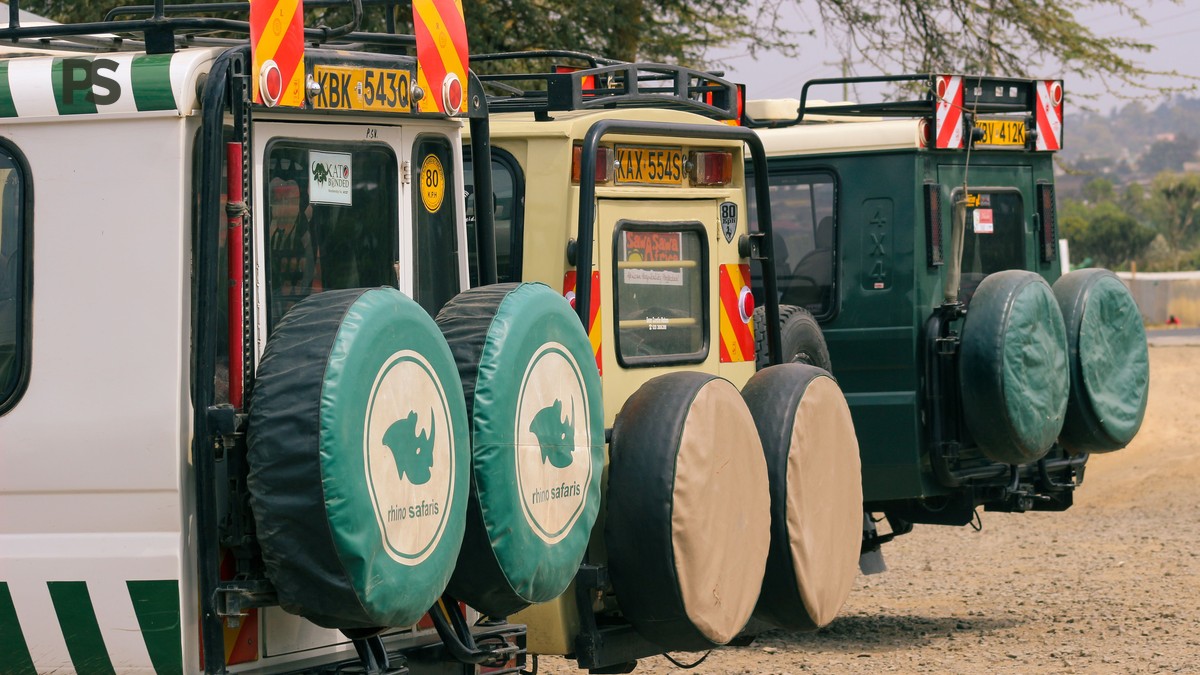
Plain Safaris treats language as part of the safari design, not an afterthought. We confirm the guide’s name in writing. We quote current park and conservancy fees so your final invoice matches your expectations. We also recommend routes that match your time, budget, and comfort with driving distances.
We believe a safari feels different when the guide reads your energy. Someone who can explain a cheetah stalk in Spanish, ease a nervous child, and translate a Maasai elder’s greeting is not the same as a guide who simply gives directions.
We also encourage conservancy nights when they fit your itinerary. Fewer vehicles and quieter mornings make the extra cost worthwhile. It is one reason our travelers talk about the first light over the Mara with such clarity.
Before you book, use our FAQ below to close any remaining gaps.
Frequently Asked Questions
Are there Spanish-speaking safari guides in Kenya?
Yes, Kenyan operators can arrange Spanish-speaking guides, especially for private or small-group safaris. Availability is more limited than for English-speaking guides, so request and confirm the service before paying a deposit.
How much does a Spanish-speaking guide cost in Kenya?
A Spanish-speaking guide usually adds about USD 150-250 per group per day, although bilingual driver-guide arrangements may be quoted at a lower daily supplement. For two travelers, the same group charge creates a much higher per-person cost than it does for four to six travelers.
Can I book a private Kenya safari with a Spanish-speaking guide?
Yes. A private safari is the most reliable format because the operator can reserve one vehicle and guide for your party rather than matching you with a shared departure. Ask whether the guide is a fluent bilingual driver-guide or a separate interpreter working with an English-speaking guide.
How far in advance should I book a Spanish-speaking safari guide?
Book at least three months ahead, and allow more time for July-October travel or a specific named guide. Spanish-speaking guides are less widely available, so waiting until flights and camps are already paid for can leave you with translation only or a less suitable replacement.
Should I book through a Spanish agency or a Kenyan safari operator?
A Spanish agency offers easier communication and one point of contact but may add roughly 20-30% for the intermediary service. A Kenyan operator can usually provide better direct pricing and local logistics, provided it confirms the Spanish-speaking guide, vehicle, camps, fees, and backup arrangement in writing.
Plan Your Kenya Safari With Plain Safaris
Ready to reserve a Spanish-speaking guide for Kenya? Start with our private safari tour page and we can build an itinerary around your dates. Our team confirms the guide, vehicle, camps, current fees, and replacement plan in writing before you pay. Visit the Plain Safaris contact page and tell us your group size, travel dates, and route ideas. We will send a clear written quote with no surprises.