
Camera lens rental safari German speakers need clear numbers, not camera shop jargon. This guide compares Nairobi rental, camp delivery, and bringing your own glass. You will see real daily rates, deposit rules, and what works in the Masai Mara and Amboseli. At Plain Safaris, we plan routes around the light, not just the animals.
Do you need to rent a camera lens for a Kenya safari?
Rent a telephoto lens if your current lens stops at 200-300mm, you are travelling by air, or you do not want to buy specialist wildlife equipment for one trip. Renting is usually worthwhile for the Masai Mara and Amboseli because animals may remain far from the vehicle. Keep your own familiar camera body unless the rental package includes testing and support.
For many German-speaking visitors, the rental question starts at the luggage scale. A 150-600mm lens can add two kilos and take up carry-on space. Renting in Nairobi removes that weight. You instead carry batteries, memory cards, and a dust-safe camera bag. If you own a body you know well, rent the lens only. A familiar body means faster settings changes when a lion is moving.
Which focal length is best for safari photography?
A 100-400mm or 100-500mm zoom is the best all-round choice for most Kenya safaris because it handles animals near the vehicle, wider environmental portraits, and moderately distant subjects. Choose a 150-600mm or 200-600mm lens for birds and distant wildlife, but expect more weight, narrower framing, and greater difficulty finding fast-moving animals.
In the Mara, a 100-400mm rarely feels short. Vehicles can often stop 10-20 metres from a relaxed lion or cheetah. In Amboseli, the open lake bed can put elephants hundreds of metres away, so 200-600mm helps. For golden-hour safari photography, a 100-400mm with image stabilisation is easier to hand-hold when light is low.
Camera lens rental safari German speakers: Kenya prices
Indicative Kenyan prices range from about $20 per day for a Canon 75-300mm to $40-$60 for popular 100-400mm, 100-500mm, or 150-600mm lenses, while a Sony 200-600mm is listed around $70 per day. Weekly discounts can reduce the effective rate, and camp-based supply may cost 20-40% more than Nairobi rental.
Use these Nairobi indicative rates before delivery and deposit.
| Lens option | Typical daily rate (USD) | Best delivery point |
|---|---|---|
| Canon 75-300mm f/4-5.6 | $20 | Nairobi or Wilson |
| Canon 100-400mm f/4.5-5.6 L IS II | $45-$60 | Nairobi, JKIA, or hotel |
| Sigma/Tamron 150-600mm f/5-6.3 | $45-$60 | Nairobi, camp on request |
| Sony FE 200-600mm f/5.6-6.3 G | $70 | Nairobi or Mara camp |
A five night Mara itinerary may cost $200-$300 for a flexible 100-400mm. The same lens from a camp supplier can add 20-40% and may not be the exact model you booked.
Where to rent a lens: Nairobi, airport, hotel, or safari camp
Rent in Nairobi when price, model choice, and compatibility matter most. Many providers can deliver to a hotel, JKIA, or Wilson Airport. Arrange delivery at least one day before a safari flight so you can test the lens. Camp rental saves luggage space and transfers but offers fewer models, uncertain availability, and higher prices.
Wilson Airport is the departure point for most Mara and Amboseli fixed-wing flights. It sits about 20 minutes from central Nairobi. The road alternative to the Mara is roughly 250 km and five to six hours. That makes a last-minute airport pick-up riskier than it looks. We tell clients to collect the lens in Nairobi the evening before a morning flight. Test autofocus on a wall, check the memory card slot, and confirm the stabilisation switch before leaving.
How to rent safely: compatibility, deposits, insurance, and damage
Confirm the exact camera mount, autofocus compatibility, image stabilisation, included caps, hood, case, battery, and charger before paying. Kenyan rental providers commonly request a passport copy, signed agreement, and refundable deposit. Indicative deposits are approximately $200-$500 depending on equipment value. Ask whether accidental damage, theft, sand, dust, and water damage are covered.
Email your camera body model before booking. A Sony E-mount lens will not fit a Canon EF mount without an adapter, and some adapters slow autofocus. Ask the rental shop to send a photo of the lens mount. Check whether the price includes a padded case and front and rear caps. Many Nairobi shops accept M-Pesa or card, but a deposit hold may sit on your card for the rental period. Read our separate guide on protecting rented camera gear from safari dust before you leave.
What German-speaking travelers should arrange before departure
German-speaking travelers should request a written quote in English or German-friendly terminology showing the daily rate, rental dates, delivery point, deposit, currency, insurance, late-return rules, and collection plan. Send the camera model and mount in advance, retain the supplier’s WhatsApp details, and save a translated checklist offline because camp connectivity can be unreliable.
A quote that says “Tagespreis” or “Kaution” for deposit can reduce confusion, but do not assume all shops know German photo terms. Write a short checklist in German and English: Kameramodell, Objektivanschluss, täglicher Preis, Kaution, Versicherung, Abholung, Rückgabe. Save this as a screenshot on your phone. Camp Wi-Fi in the Mara and Amboseli can drop for hours. Having the agreement offline means you do not argue about terms at the airstrip.
Recommended rental kits for the Masai Mara and Amboseli
For a first safari, pair a familiar APS-C or full-frame body with a 100-400mm lens and add a spare battery and memory card. Choose 200-600mm for a bird-focused itinerary or distant subjects, especially in open Amboseli landscapes. In the Mara, a flexible 100-400mm is often easier to frame during close encounters and changing vehicle distances.
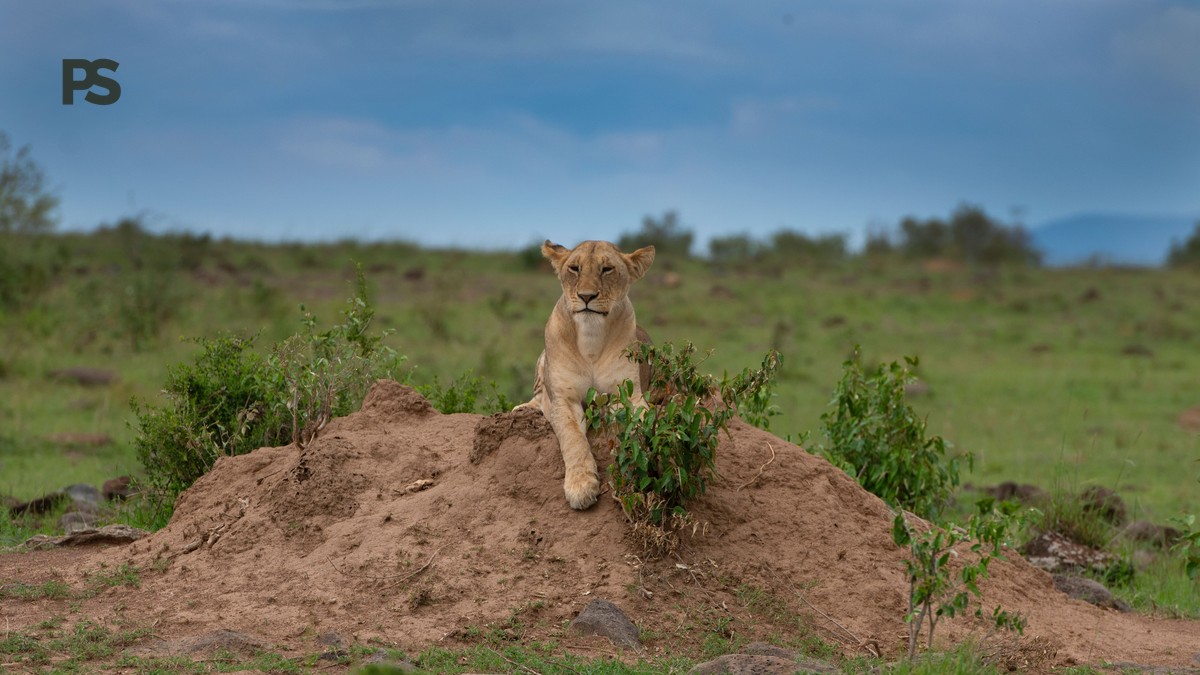
For the Mara, we suggest a 100-400mm zoom on your own body. It lets you frame a lion in long grass and pull back for elephants crossing the Talek. If leopards are your target, check the best season for leopard sightings and then decide if you need 600mm. In Amboseli, the dry lake bed rewards longer glass, so a 150-600mm or 200-600mm rental makes more sense. But carry it on a bean bag, not handheld, for sharp frames at 600mm.
Practical safari photography logistics: dust, charging, storage, and vehicle space
Carry the lens in a padded, sealable bag. Change lenses inside the vehicle only when necessary. Use a blower rather than wiping dry dust across glass. Bring spare batteries, memory cards, and a power bank. Check that the vehicle has room for a long lens and bean bag, because 600mm equipment is heavier and charging access may be limited.
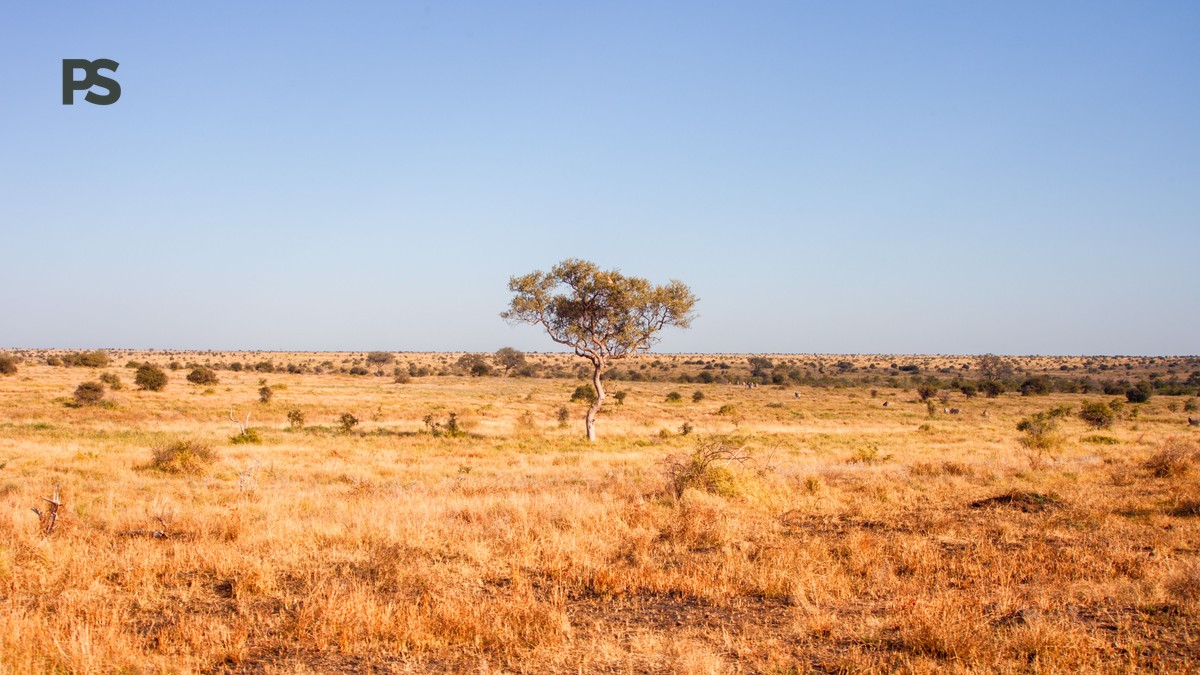
Dust is the main threat in Tsavo, Amboseli, and the Mara dry season. A 200-600mm lens can be hard to steady, so ask the guide to switch off the engine before you shoot. Keep a second memory card in your pocket, not in a camera bag in the luggage bay. Some camps charge camera batteries in the mess tent only, so a power bank and a multi-socket outlet help. If the vehicle has no built-in bean bag, request one two days before the game drive.
The Plain Safaris Difference
Photographers do not need another catalogue. They need a vehicle that stops with the sun on the correct side, a guide who knows when a cat is about to move, and a camp that puts you near the action at first light. Plain Safaris builds that schedule.
We prefer private conservancies in the Mara, such as Naboisho Conservancy and Mara North Conservancy. They sit directly beside the Masai Mara National Reserve but use their own gates. The Narok County-run Reserve charges non-resident adults USD 200 per day from July to December and USD 100 from January to June. A conservancy stay bundles the daily fee into the camp rate and keeps vehicle numbers far lower. In Amboseli, the KWS non-resident fee is USD 90 per adult per day. We position you at a camp that gets you to Kimana Gate before the morning queues build.
Our guides know the difference between a sighting with two vehicles and a sighting with twenty. That knowledge changes which focal length you actually use. It also changes how long a pride stays in view. We plan rental handover around Wilson Airport departures, not around Nairobi traffic, and we leave enough buffer for lens testing before your first morning drive.
Frequently Asked Questions
What lens should I rent for a Kenya safari?
Rent a 100-400mm or 100-500mm zoom for the most flexible results. It covers animals close to the vehicle as well as moderately distant lions, elephants, and leopards without the weight and narrow view of a super-telephoto lens.
Is 100-400mm enough for safari photography?
Yes, 100-400mm is enough for most game drives, particularly when vehicles can approach wildlife responsibly. It is a strong all-round choice for the Masai Mara and Amboseli, although bird photographers or travelers expecting distant subjects may prefer 150-600mm or 200-600mm.
How much does it cost to rent a camera lens in Kenya?
Popular telephoto lenses generally cost about $40-$60 per day, while basic 75-300mm lenses may cost around $20 per day and longer 200-600mm lenses around $60-$70 per day. Ask for a weekly rate, because rentals of five days or more may receive a discount.
Can I rent a camera lens at Nairobi airport?
Some Kenyan rental providers deliver to JKIA, Wilson Airport, hotels, and other agreed locations. Confirm the handover time before booking, and preferably collect the lens in Nairobi or the evening before departure so you can test autofocus, stabilisation, and memory-card compatibility.
Is it cheaper to rent a lens in Kenya or Germany?
A Nairobi rental can be cheaper and gives you access to local delivery, but the final comparison must include insurance, deposits, luggage, currency conversion, and transport. Renting in Germany may provide stronger consumer protection and easier pre-trip testing, while Kenyan rental is more convenient if you want delivery directly to your hotel or safari departure point.
Plan Your Kenya Photography Safari with Plain Safaris
Tell us your camera mount and the dates you are coming, and we will match your rental handover to your route. We will also build in extra time for golden-hour photography, not just game drives. Visit the Plain Safaris contact page to start planning.