
Can safari guides find animals twice? A leopard you photograph at dawn can sometimes be found again two afternoons later. The question is not just whether safari guides can find the same species. It is whether they can find the same individual animal. For photographers, this matters. Maybe you want a better light angle on the same lion. Maybe you want more time with a cheetah family. The answer is more honest than a simple yes or no.
Can Safari Guides Find Animals Twice? The Honest Answer
Yes, guides can sometimes find the same individual animal again. The odds rise when it lives in a known territory, uses a predictable den or water source, or carries markings that make it stand out. Guides combine memory, recent sightings, driver reports, tracks and behaviour. Still, a repeat sighting is a probability, not a guarantee.
A female leopard near the Talek River in the Maasai Mara may use the same fig tree on several afternoons. A lion pride near Musiara Marsh often keeps to a familiar stretch of riverbank. These territorial animals make repeat sightings realistic. Herds of wildebeest and zebra are harder. They can move many kilometres in a day. Guides can find the same herd during migration, but identifying the same individual is less likely.
The comparison below shows how repeat sightings change by area. Fees are current non-resident adult rates.
| Area | Current fee | Drive from Nairobi | Repeat sighting reality |
|---|---|---|---|
| Maasai Mara National Reserve | USD 100/day Jan-Jun, USD 200/day Jul-Dec | 260-270 km, 5-6 hours | High for known lion prides near Talek or Musiara, but more vehicles |
| Mara North Conservancy | USD 80-150/person/night bundled | 270 km road plus 30-45 min internal drive | Very high for known lions and leopards, few vehicles |
| Naboisho Conservancy | USD 80-150/person/night bundled | 270 km road plus 45-60 min from the Talek side | Very high for leopards and cheetahs, strong guide network |
| Amboseli National Park | USD 90/adult/day | 240 km, 4-5 hours | Moderate for individual elephants, lower for specific lions |
How Guides Recognise Individual Animals
Guides recognise individual animals through scars, ear notches, broken horns, mane shape, coat patterns, body size, behaviour and known companions. Leopards are often easier to identify from rosette patterns. Lions may be recognised by scars, mane development and pride relationships. Good guides record or remember these details between drives.
A male lion with a torn right ear is easier to relocate than a similar-looking lion. Cheetahs have tail rings and face tear marks that help. Photographers can assist here. Note the side, angle, time and nearby landmark. Tell your guide if the leopard had a torn ear or the lioness walked with a limp. Identification is a skill built from many hours in the same area.
Before you go, it helps to learn a little Kenya safari terminology to understand what a guide means by a lugga, a territorial marker or a sighting lead.
The Clues Guides Use to Track Wildlife
Guides combine fresh tracks, dung, broken branches, flattened grass, scent, sounds, bird activity and alarm calls. They compare those clues with habitat, weather, water, prey movement and the animal’s usual territory. No single sign proves an animal is nearby. Several fresh clues create the strongest lead.
On a sand track in Naboisho Conservancy, a crisp leopard pugmark near a fresh waterbuck carcass is a strong lead. Vultures dropping into a tree may mark a kill. Baboons barking may tell a guide that a leopard is moving through thick riverine bush. In Samburu, guides read dust kicked up by elephant herds and watch the direction of oryx. A track alone only says an animal passed. Fresh tracks, mud and disturbed vegetation together can show when it passed.
Why Animals Return to the Same Places
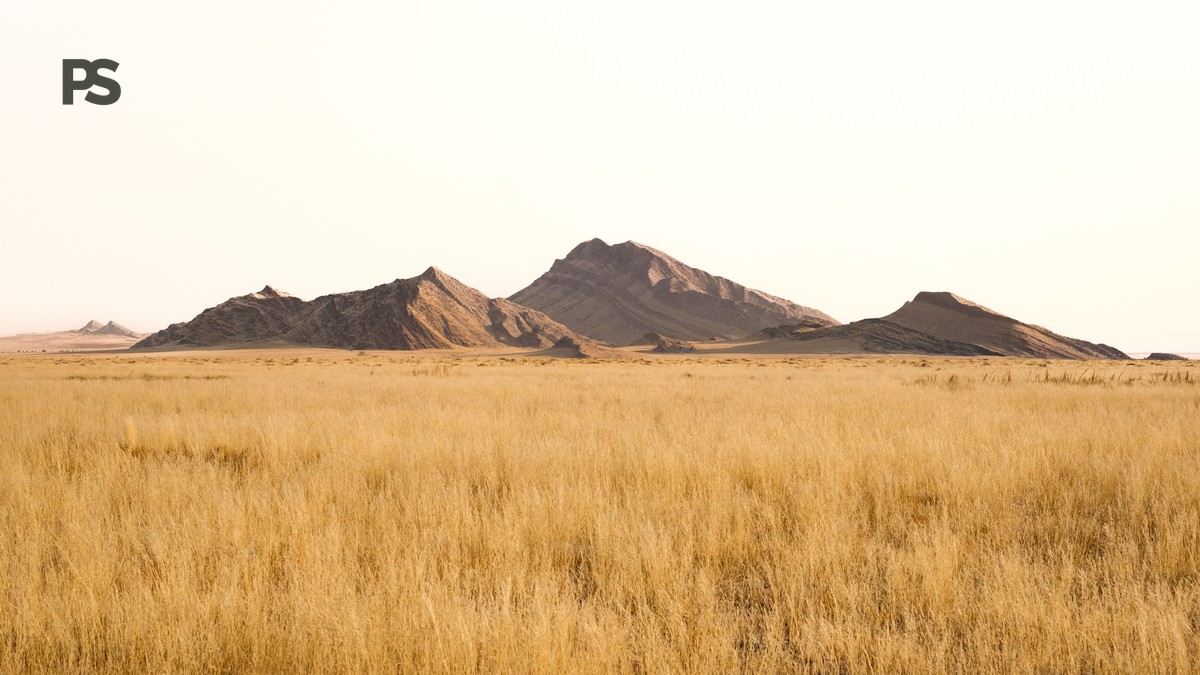
Animals revisit places that meet recurring needs such as water, shade, prey, shelter, salt or safe resting ground. Territorial predators may patrol familiar routes. Elephants and other herbivores often follow seasonal movement patterns. Returning to a known area improves a guide’s odds. Changing heat, rain, prey and disturbance can alter the timing.
During the dry season, waterholes in Tsavo East concentrate animals every afternoon. Amboseli elephants return to the same swamp channels. A lioness with cubs often stays near a hidden den site for weeks. That is why a good guide remembers a specific thicket, not just a general area. The place matters less than the pattern. A water source that worked yesterday may be dry next week. Those changes are why guides never treat a previous sighting as a promise.
How Guide Networks Improve Repeat Sightings
Guides improve repeat sighting chances by sharing responsible updates about recent locations, direction, behaviour and distinctive identities. A report such as “a scarred male lion moved east from a specific track” is more useful than “lions nearby.” Guides use communication to plan a search, not to create a guarantee or crowd an animal.
In the Maasai Mara, drivers may use a short radio phrase to say a known leopard was seen near a particular lugga. In private conservancies such as Naboisho and Mara North, guides coordinate under sighting protocols. This cuts aimless driving and keeps pressure low. For photographers, private conservancies are often the best way to see wildlife without crowds.
Why Finding the Same Animal Is Never Guaranteed
A guide cannot guarantee a repeat sighting because animals may travel overnight, hide in dense cover, follow prey, avoid vehicles or cross an unseen boundary. Even a reliable territory changes with weather and food availability. Ethical guiding means searching patiently and keeping a respectful distance.
A lion you saw at dusk may walk eight kilometres before sunrise. A leopard may drag a kill into a thicket and stay there for a full day. The Mara River may rise, or wildebeest may move, pulling lions with them. If a vehicle got too close on the first sighting, the animal may avoid that road. Sometimes the right answer is to wait and let the animal return on its own. You can also read about what happens when wildlife blocks the road and why guides hold back.
How Guests Can Improve Their Chances of a Repeat Sighting
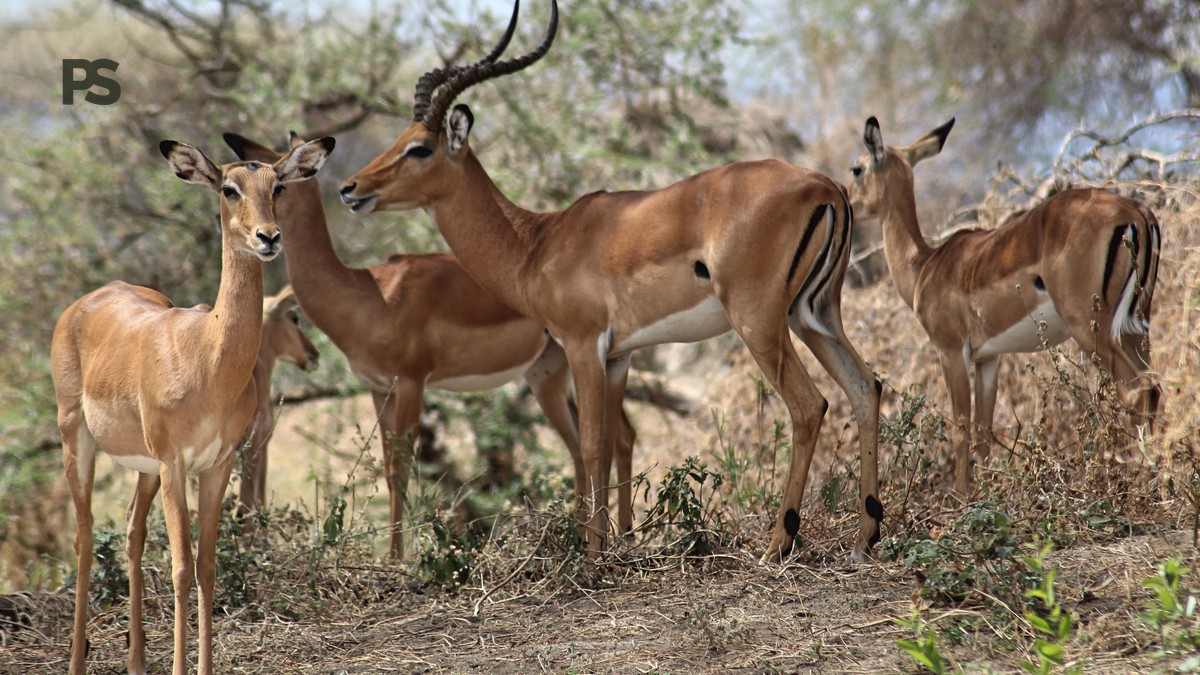
Tell the guide which animal and features matter to you. Share the time, road, habitat and behaviour from the first sighting. Return at the most suitable drive time. Allow enough days for searching. Remain flexible about route changes. Ask the guide to explain the evidence behind a lead.
If you photographed a leopard at 6:20 a.m. near the Talek gate road, say so. If it was a female with two cubs, mention that. Ask for the same early morning drive rather than a midday transfer. Choose a camp located close to the area you want to photograph. In the Mara, a camp near a known river crossing can save long drives. You cannot demand a cat, but you can set up good conditions. Patience and flexibility do more than instructions.
The Plain Safaris Difference
Plain Safaris plans around patience, not promises. We choose private conservancies such as Naboisho, Mara North and Ol Kinyei for lower vehicle pressure. This helps wildlife stay calm and helps guides track honestly. A photographer can stay on a subject longer without three other vehicles pushing in. We time game drives for early morning and late afternoon light. We keep routes flexible instead of fixed.
Our guides know the difference between finding a species and finding the same individual. That changes how we plan a route. We would rather stay in one quiet area for an hour than race across a reserve chasing reports. That approach does not guarantee a leopard. It does create the conditions where repeat sightings happen often.
Frequently Asked Questions
Can safari guides find animals twice?
Sometimes. Guides can relocate the same individual when it has a known territory, distinctive markings or a predictable routine. Wild animals move unpredictably. A guide can improve the odds through recent sightings, tracking signs and area knowledge, not guarantee the result.
Do safari guides remember where they saw animals?
Experienced guides often remember locations, landmarks, animal behaviour and identifying marks from important sightings. They may also use recent communication between guides or recorded location information to narrow the search. Memory helps create a lead, but it does not replace fresh evidence from the bush.
Can guides recognise individual lions or leopards?
Yes. Guides may identify lions by scars, mane shape, ear damage, body size and pride associations. Leopard rosette patterns are especially useful for distinguishing individuals. Recognition becomes more reliable when guides have spent time in the same area and can compare current sightings with previous ones.
Do safari guides communicate about animal sightings?
In many safari areas, guides share useful sighting information, including an animal’s direction, behaviour and approximate location. Responsible communication helps vehicles search efficiently and reduces unnecessary driving. It should not mean surrounding wildlife, blocking its movement or treating a sighting as guaranteed.
Why can’t safari guides guarantee seeing a specific animal?
Animals are wild and can move, hide, change routes or become inactive before a vehicle arrives. Tracks and reports may show where an animal was, not where it is now. Guides can use the best available clues, but an ethical safari always treats a specific sighting as uncertain.
Plan Your Trip with Plain Safaris
If you want patient guiding and repeat wildlife sightings, plan your Kenya trip with Plain Safaris. Use our safari packages or contact page to build an itinerary around the right light, season and conservancy. We will help you work with the bush, not against it.