
Dutch-speaking parents often arrive at the same question: is my baby actually allowed on a Kenya safari? The answer depends less on law and more on which camp, conservancy, vehicle, and activity you choose. Kenya has no single national minimum age for entering a safari park. Policies sit with individual lodges, conservancies, and operators instead. This guide covers the baby infant travel age limit for Dutch speakers, plus safety points, costs, and practical logistics for babies and infants. It also explains when a trip with a young baby works well, and when waiting until about 12 months may be the kinder choice. No generic brochure answers here. Just what matters when you are traveling with an infant.
Is there a minimum legal age for a safari in Kenya?
Kenya does not have one nationwide minimum age for entering a safari park. The Maasai Mara National Reserve does not set a general toddler age limit either. The actual restriction usually comes from the lodge, conservancy, vehicle-sharing rules, or activity provider. A baby may legally enter, yet still be refused by a particular camp or shared game drive.
The Maasai Mara National Reserve is run by Narok County Government, not KWS. Non-resident entry costs USD 100 per adult per day from January to June and USD 200 from July to December. Infant entry is often free or heavily discounted, but confirm this with your booking agent. Private conservancies around the Mara set their own age policies. Those policies matter more than any park gate rule.
Baby infant travel age limit at safari lodges and camps
Six years is the most common minimum age at conventional safari camps. Some luxury properties require 12 or 16. Younger children are possible at selected family-oriented camps and private conservancies. Parents must confirm the policy in writing before paying. The phrase all ages welcome may still exclude particular activities or shared vehicles.
In practice, a classic Mara lodge with shared game drives will often say children five or six and up. A private conservancy camp with family tents may accept a crawling baby or toddler by arrangement. Do not trust a booking engine summary. Email the camp directly and ask about the specific age, not just children in general.
Baby and infant safari safety: malaria, heat, wildlife, and medical access
The main infant-safari risks are malaria exposure, heat, dehydration, long transfers, and limited medical access rather than a universal age rule. Ask a travel-health clinician about malaria prevention before booking. Choose a property with reliable evacuation access and baby-ready staff. Avoid remote itineraries that make feeding, sleep, or urgent care difficult.
Samburu and the Mara have lower malaria risk than the humid coast, but no safari area is zero risk. Daytime heat in Amboseli or Tsavo can exceed 32 degrees Celsius. Babies dehydrate faster than adults. Camps with sealed family tents, shade, and 24-hour power help a lot. You may also want to read how safe safari tents are around lions before you choose a room, because tent geometry matters for a toddler’s reach.
Best Kenya safari areas and camps for babies and toddlers
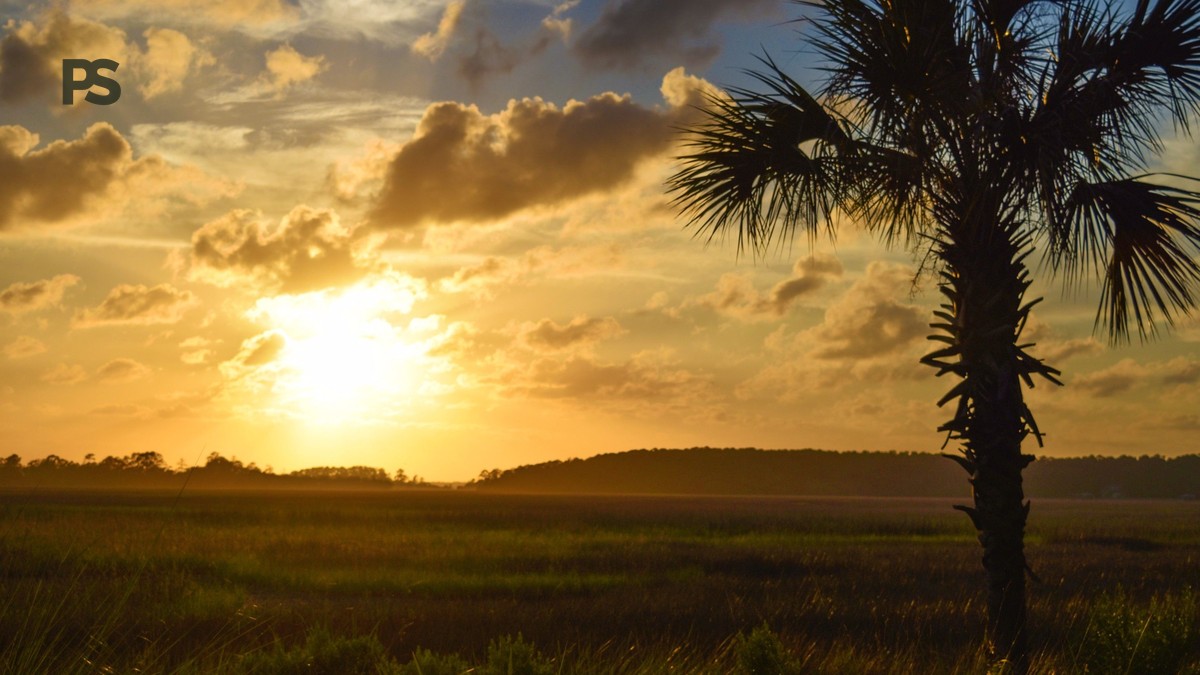
Private conservancies bordering the Maasai Mara are often the easiest setting for babies because camps can set flexible rules and arrange private vehicles. Examples include Cottar’s 1920s Camp, Mahali Mzuri, Mara North, Olare Motorogi, and Sarara Camp. Minimum ages and inclusions change, so verify each booking directly.
Mara North Conservancy sits just north of the Maasai Mara National Reserve. Camps there keep vehicle numbers low and game drives short. Naboisho Conservancy is another option with a strong community model. Both areas bundle conservancy fees into lodge rates, roughly USD 80 to 150 per person per night. Sarara Camp, in Namunyak Conservancy far to the north, works well for families who want Samburu and quiet.
| Area | Road distance from Nairobi | Flight from Wilson | Typical camp age policy | Private vehicle supplement | Notes for an infant |
|---|---|---|---|---|---|
| Maasai Mara National Reserve | about 280 km, 6 to 7 hours | 45 to 60 minutes | Shared drives often 5 or 6 and up | USD 150 to 250 per day where required | County entry fee USD 100 Jan-Jun, USD 200 Jul-Dec per adult |
| Mara North Conservancy | about 280 km, 6 to 7 hours | 45 to 60 minutes | Selected camps accept infants privately | USD 150 to 250 per day | Fewer vehicles, short drives, easy return for naps |
| Naboisho Conservancy | about 280 km, 6 to 7 hours | 45 to 60 minutes | Several camps accept all ages | USD 150 to 250 per day | Family tents, quiet corners, fewer crowds |
| Olare Motorogi Conservancy | about 280 km, 6 to 7 hours | 45 to 60 minutes | Some camps accept young children | USD 150 to 250 per day | Big cats, private airstrip access |
| Amboseli National Park | about 240 km, 4 to 5 hours | 40 to 45 minutes | Most lodges accept all ages | USD 150 to 200 per day indicative | KWS fee USD 90 per adult per day, easy vehicle access |
Shared versus private game drives for young children
A private vehicle is usually the decisive upgrade for traveling with a baby. Parents can stop for feeds, return early for naps, and avoid disrupting other guests. Shared drives commonly carry minimum ages around five to seven. Private arrangements may permit younger children. One current Kenya guide estimates roughly USD 150 to 250 per day in some conservancies.
Shared game drives in the Mara mean sitting in a six-seat Land Cruiser with strangers for two to three hours. That rarely works with an infant. A private vehicle lets you leave at first light, return before the heat, and go out again after a nap. Ask the camp whether the private supplement comes with a dedicated guide, which is standard at most conservancy camps.
Age limits for safari activities beyond game drives
Daytime game drives are the most accessible safari activity for young children. Night drives commonly start around eight to 12. Walking safaris around 12 or older. Ballooning around seven or eight depending on the operator. Canoeing, mokoro trips, and boating also tend to have stricter limits. Build a baby itinerary around vehicle-based daytime viewing.
In private conservancies, night drives are allowed but usually age-limited. In the Maasai Mara National Reserve, driving after dark is not permitted at all. Walking safaris require guests to follow strict rules around wildlife. A baby in a carrier is not safe near buffalo or elephant. Keep the trip to daytime vehicle game drives.
Flights, road transfers, feeding, naps, and practical baby logistics
Plan the itinerary around the baby’s routine rather than maximizing parks. Use a short flight instead of a five- or six-hour road transfer where practical. Schedule brief drives. Confirm a cot, sterilizing facilities, refrigeration, suitable food, shade, and laundry. Bush airlines may accept infants from roughly two weeks. Pediatric guidance commonly favors waiting longer for a first flight.
A road transfer from Nairobi to the Mara can take six to seven hours on rough tarmac and dirt. A flight from Wilson Airport to the Mara takes 45 to 60 minutes. Most bush airlines allow infants to sit on a parent’s lap. Check bag limits, because formula, nappies, and sterilizing equipment add weight. Before flying, also check Kenya yellow-fever certificate requirements. Your route may pass through a country that triggers the certificate rule.
When is the best age to take a baby on safari?
There is no universally best age. Waiting until about 12 months can simplify malaria-prevention decisions and remote-travel logistics. Some travel-medicine specialists advise avoiding high-risk malaria destinations earlier. Families who travel sooner should choose a short, private, medically supported itinerary. Babies will not remember the experience and may tolerate long drives poorly.
A six to nine month old who still naps twice a day can manage a relaxed two-camp trip. A 12 to 18 month old may want to walk and touch everything, which creates different supervision needs. Many experienced family travelers find two to four years old the hardest age on game drives. Plan around your child’s routine, not a fantasy of what a safari should look like.
Safari costs and child policies for infants and toddlers
Infants may be free or discounted for accommodation and flights. The costly part is often the private vehicle, family room, nanny, or exclusive-use arrangement. Current examples put some private-vehicle supplements around USD 150 to 250 per day. Other family properties include private use in their packages. Get a written quote listing infant fees, meals, cot, nanny, transfers, and vehicle costs.
A baby can raise the total cost more than a third adult would, even if the camp says infants stay free. The reason is the private vehicle and the family room. Some camps also charge for a nanny or add an infant supplement for babysitting. Sort your cash before arrival, including exchanging money at Nairobi Airport if you need KES for tips and small purchases.
How Dutch-speaking families should plan a Kenya safari
Dutch-speaking families should request a written itinerary in clear English or Dutch. Confirm every age restriction directly with the camp. Ask who will assist if a baby becomes ill. Prioritize one family-friendly base over frequent moves. Confirm airport and airstrip transfers. Clarify whether a Dutch-speaking coordinator or guide is available.
Do not assume language support is included. Many camps have no Dutch-speaking staff, but some Nairobi-based agents assign a Dutch-speaking coordinator. A written itinerary in English works fine if you are comfortable asking questions. What matters more is the age policy in writing and the medical support on the ground.
The Plain Safaris Difference
Plain Safaris plans family trips the same way it plans every safari: with real drive times, real conservancy rules, and honest answers. We know which Mara North camps keep vehicle numbers low and which family tents sit far enough from the main mess area for a baby to nap. We tell you when a road transfer will be too long and when a short flight is worth the extra money.
We do not sell a fantasy. If your child is six months old, we tell you what that means for malaria advice, game drive length, and cost. If waiting until 12 months is the better call, we say so. Then we build a route around naps, feeds, and one good base, not five lodges in seven days.
Frequently Asked Questions
Can I take a 6 month old baby on safari in Kenya?
Possibly, because Kenya has no single national safari age limit. The camp and vehicle operator decide whether the booking is accepted. A six-month-old requires a carefully selected property, private vehicle, short drives, medical planning, and malaria advice from a qualified travel-health clinician.
Is there an age limit for the Maasai Mara?
The Maasai Mara National Reserve itself does not set a general minimum age for visitors. A baby can legally enter. Individual camps, conservancies, and shared vehicles may still impose limits, commonly around five to seven years, or require a private vehicle for younger children.
Which safari camps in Kenya allow infants?
Current family-safari guidance lists Cottar’s 1920s Camp, Mahali Mzuri, and some Mara North and Olare Motorogi properties as welcoming children of all ages or younger children by arrangement. Policies vary. Ask the camp to confirm the infant age rule, family accommodation, vehicle arrangement, childcare, and activity restrictions in writing.
Do babies need malaria medication for safari?
The answer depends on the destination, season, the baby’s age, and medical advice. Malaria prevention should be discussed with a travel-health clinician before booking. Do not rely only on repellent or lodge precautions, because remote safari areas can make diagnosis and treatment more difficult for very young children.
How much does a private safari vehicle cost in Kenya?
A current Kenya safari guide gives approximately USD 150 to 250 per day for private-vehicle arrangements in some Mara conservancies. Other camps include private use in a family package. Treat this as an indicative supplement, not a fixed market rate. Request a quote that separates park fees, guide, transfers, and child-related services.
Plan the trip around your baby’s real needs, not a sales pitch. Plain Safaris confirms every age policy in writing and builds routes around naps, feeds, and one good base. Ready to start? Plan your family safari with Plain Safaris.