
First-time safari planning throws a wall of words at you. Conservancy, reserve, lodge, camp, game drive, sundowner. The terms sound similar, but they change the price and the experience. This guide gives you Kenya safari terminology explained in plain terms, with real places and real numbers. You will know what to book and what to skip.
What Does Safari Mean?
Safari means journey in Swahili. In Kenya it usually refers to a guided wildlife trip by 4×4 vehicle, on foot, or by small aircraft. The word describes the journey and style of travel, not a luxury level. A safari can use a simple tented camp at roughly KES 15,000 per night or a private conservancy villa costing more than KES 150,000.
Many first-time visitors assume safari means luxury. It does not. A budget overland safari can mean a rooftop tent and shared camp meals. A high-end safari can mean a private guide and a bathtub under canvas. The common thread is time spent moving through wild landscapes with people who know the area.
Kenya Safari Terminology Explained: National Parks, National Reserves, and Conservancies
National parks are government-managed protected areas. Reserves are generally managed by county authorities. Conservancies are private or community-owned land managed through landowner and safari-operator agreements. Parks and reserves normally allow licensed vehicles to enter for a fee. Conservancies restrict access to resident guests, reducing traffic and enabling activities such as night drives and walking safaris.
The distinction matters more than the name suggests. The Maasai Mara National Reserve is a county-run reserve, not a KWS national park. Its non-resident adult fee is USD 100 per day from January to June and USD 200 per day from July to December. Other major KWS parks have different rates.
| Protected Area | Managing Authority | Non-Resident Adult Entry Fee |
|---|---|---|
| Maasai Mara National Reserve | Narok County Government | USD 100 Jan-Jun, USD 200 Jul-Dec |
| Amboseli National Park | Kenya Wildlife Service | USD 90 per day |
| Lake Nakuru National Park | Kenya Wildlife Service | USD 90 per day |
| Tsavo East / Tsavo West National Park | Kenya Wildlife Service | USD 80 per day |
| Nairobi National Park | Kenya Wildlife Service | USD 80 per day |
| Chyulu Hills National Park | Kenya Wildlife Service | USD 40 per day |
| Naboisho Conservancy / Mara North Conservancy | Private, bundled into lodge rates | Roughly USD 80 to 150 per person per night |
The last row is not a gate fee. Private conservancies such as Mara North, Naboisho, Ol Kinyei, and Ol Pejeta build that charge into camp rates. In return, you get much lower vehicle numbers. A quiet sighting of a lion in Naboisho often means two or three vehicles. The same lion inside the reserve can draw ten or more. For a deeper breakdown of the difference between a Kenyan park, reserve, and conservancy, read our full comparison guide.
Safari Lodges, Tented Camps, and Campsites Compared
A lodge is a permanent, usually solid-built accommodation with more rooms and facilities. A tented camp uses canvas tents, ranging from simple fixed tents to highly luxurious suites. A campsite provides the most basic facilities and may require guests to bring equipment and cook. Always check whether tent means a walk-in safari suite or a basic public campsite.
Mara Serena Safari Lodge inside the Mara Triangle is a good example of a lodge. It has solid rooms, a restaurant, a pool, and a view over the plains. A private conservancy camp like Porini Mara Camp in Ol Kinyei offers canvas suites with proper beds and en-suite bathrooms. The word tent does not mean roughing it. A public campsite inside Lake Nakuru National Park is different again. It may give you a plot, water, and an ablution block, but you often bring the rest. If the word tent makes you pause, see our separate guide on how safe safari tents are around lions.
Game Drives, Walking Safaris, Night Drives, and Off-Roading
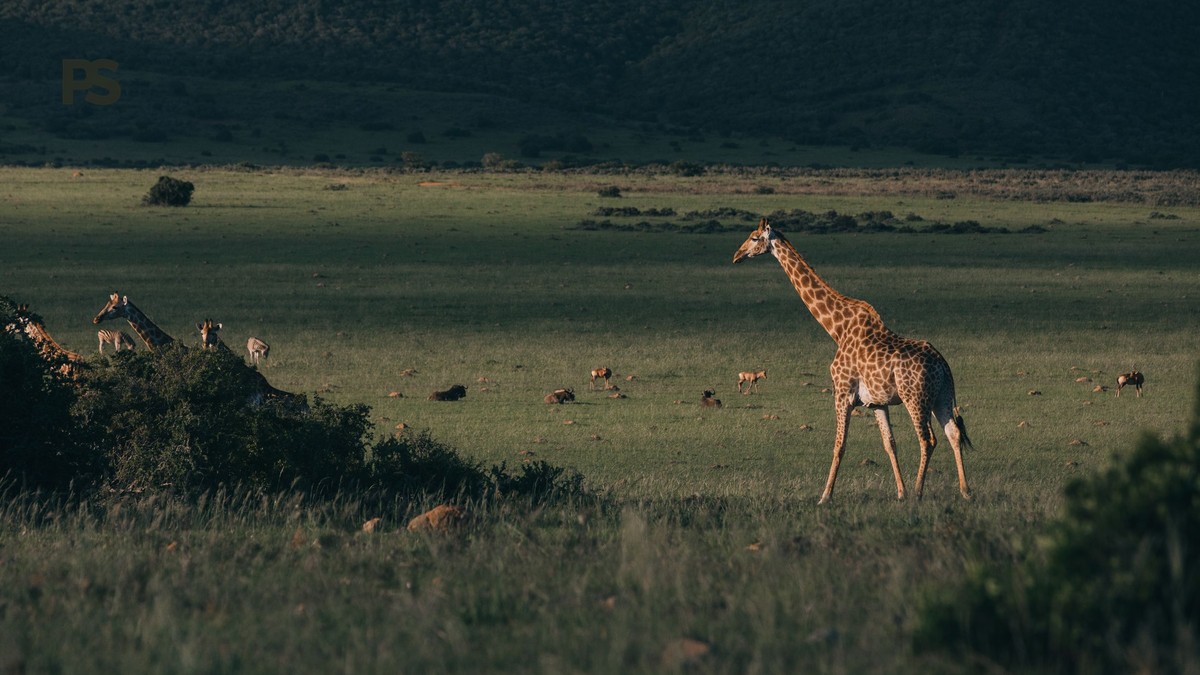
A game drive is a guided wildlife outing in a 4×4, usually conducted in the early morning or late afternoon. Walking safaris explore the bush on foot with a trained guide. Night drives search for nocturnal animals after dark. Off-roading means leaving designated tracks to approach a sighting. Night drives and off-roading are generally associated with private conservancies, not national reserves.
This is where the park and reserve labels hit the road. Inside the Maasai Mara National Reserve, vehicles are generally expected to stay on tracks. Off-roading is restricted. When a lion or river crossing draws a crowd, the rules cannot thin it out. In Mara North or Ol Kinyei, a camp vehicle can leave the track under local guidelines. That often means a quieter, closer view. Night drives are not permitted inside the reserve itself. You can do them in Naboisho or Mara North. Walking safaris are also mostly a private conservancy or ranch activity, though some KWS areas have short designated nature trails. If you want the full set of activities, a conservancy stay is usually the answer.
Safari Accommodation and Meal Terminology
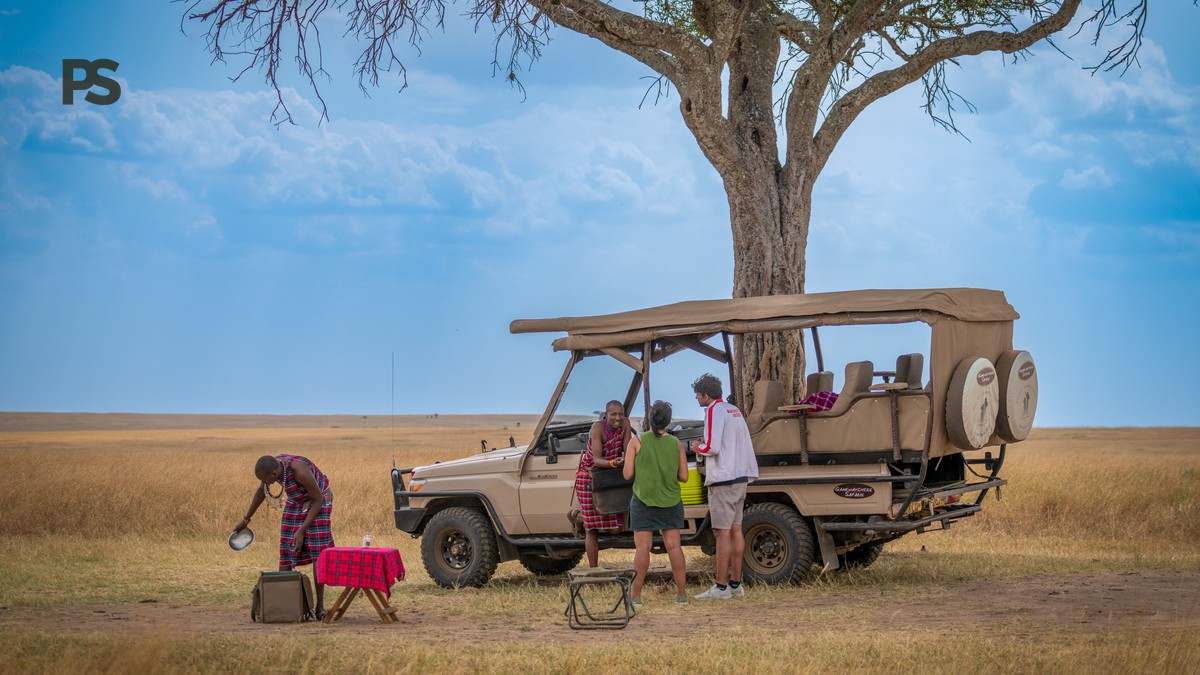
Bush means the wilderness away from the camp. A bush breakfast or bush dinner is a meal served outdoors in a chosen wildlife setting. A sundowner is a late-afternoon drink stop. A boma is traditionally a livestock enclosure. It may also describe a fenced communal dining area at camp. These experiences are often included only in selected camp rates.
A full-board rate includes breakfast, lunch, and dinner. An all-inclusive or game package rate may also include local drinks and laundry. It can also cover shared game drives, night drives, conservancy fees, and airstrip transfers. Read the fine print carefully. A camp can advertise a tempting room rate, then add daily conservancy fees and park entry on top. A bush breakfast after a morning game drive is common in Naboisho and other private conservancies. It is a nice touch, but skip the premium unless the rest of the itinerary already fits your plan.
Common Kenya Wildlife and Guide Terms
The Big Five are lion, elephant, buffalo, leopard, and rhinoceros. Spoor means animal tracks or other signs such as droppings, broken vegetation, or footprints. A hide is a concealed viewing structure near wildlife or water. These terms describe what guides look for and how guests experience sightings, not a guarantee that every species will be seen.
The Big Five is an old hunting checklist that tourism copied. A leopard is often the hardest to find. Rhino sightings are strong in Ol Pejeta Conservancy and Lake Nakuru National Park. Spoor can be more useful than a distant animal. A good guide reads tracks, fresh dung, and broken branches. That skill turns a quiet drive into a lesson.
Safari Fees, Conservancy Charges, and What Is Included
A reserve or park fee pays for entry to a public protected area. A conservancy fee supports land management, wildlife protection, and community or landowner payments. Conservancy charges are commonly bundled into accommodation rates and may add roughly USD 80 to 150 per person per day. Camp rates can therefore look higher even when they include private access and extra activities.
The October 2025 KWS fee increases made this clearer. At Amboseli National Park, you now pay USD 90 per adult per day on top of accommodation outside the park. A family of four can add USD 360 a day before the room charge. A private conservancy camp may look more expensive at first because the conservancy fee is inside the rate. But it often includes meals, local drinks, shared game drives, night drives, laundry, and transfers. When you compare trips, put all fees on one line. Some parts of Kenya slow down heavily in the rains, so see our guide on why some safari camps close during the rainy season before you book shoulder-season dates.
The Plain Safaris Difference
We know the terms matter because we plan real trips, not word lists. Before you pay a deposit, Plain Safaris tells you which conservancy gate you will use and what each daily fee covers. We compare drive times instead of vague adjectives.
Nairobi to Lake Nakuru takes about two and a half to three hours. Nairobi to Amboseli takes about four to five hours. Nairobi to the Maasai Mara takes about five to six hours, depending on the gate. Those hours change your flight and rest choices. If a private conservancy does not fit your budget, we say so. You get a route with real distances, real fees, and honest trade-offs.
Frequently Asked Questions
What is the difference between a national park and a national reserve in Kenya?
Both are publicly accessible protected areas where visitors pay an entry fee and licensed vehicles can generally drive. National parks are managed by the Kenya Wildlife Service. National reserves such as the Maasai Mara are commonly managed by county authorities. Exact rules can vary by destination.
What is the difference between a conservancy and a reserve in Kenya?
A reserve allows access to many licensed vehicles, so popular sightings can become crowded. A conservancy is private or community-owned land with access usually limited to guests staying at participating camps. That can mean fewer vehicles, off-road driving, night drives, and walking activities, usually at a higher price.
Are Kenya conservancies worth the extra cost?
They can be worth it for travellers who value quieter sightings, flexible activities, and direct community-conservation benefits. They are not automatically better for every trip. A reserve may offer broader access to major migration viewing areas. A conservancy adds accommodation and daily conservancy charges that can increase the budget.
Can you do a night drive in the Maasai Mara?
Night drives are generally not permitted inside the Maasai Mara National Reserve itself. They are commonly available in nearby private conservancies. Resident camp vehicles can operate after dark under local rules and guide supervision.
What is the difference between a safari lodge and a tented camp?
A lodge is typically a permanent building with solid rooms and more substantial shared facilities. A tented camp uses canvas accommodation. The experience can range from a simple fixed tent to a spacious luxury suite with an en-suite bathroom, furniture, electricity, and a private veranda. The word tent alone does not indicate the comfort level.
Plan Your First Kenya Safari with Plain Safaris
The terms now make sense. The next step is putting them into an itinerary. Visit our contact page and we will build a route around your dates, budget, and travel style. You will get a day-by-day plan with real gate names, real drive times, and transparent fees.