
Are private conservancies worth cost? It depends on what you are actually buying. A conservancy is not just a nicer room. It changes the pace, the rules and the bill.
I have driven both the Masai Mara National Reserve and the private conservancies that border it. The reserve can deliver a crossing photo and a long line of vehicles at the same moment. A conservancy like Mara North, Naboisho or Olare Motorogi often gives you the same lion pride with one other car nearby, and it lets you stay out after dark.
The money comparison is easier than most people expect. Use the current non resident rates. In August 2026, the Narok County managed Masai Mara National Reserve charges USD 200 per adult per day. The private Mara conservancies add roughly USD 80 to USD 150 per person per night, usually bundled into the camp invoice.
From Nairobi to the Mara, the road is about 245 km and the drive takes five to six hours. Flying from Wilson Airport takes about 45 minutes.
What Is a Private Conservancy?
A private conservancy is a block of land next to a park or reserve. It is owned or leased by local communities, usually Maasai families in the Mara. Camps inside the conservancy pay bed night fees to those landowners. In return, guests get access to that private block, and day visitors are kept out.
Mara North Conservancy, Naboisho Conservancy and Olare Motorogi Conservancy are the three most common options for a Mara conservancy stay. They share unfenced borders with the Masai Mara National Reserve. Lions, elephants and wild dogs move freely between the reserve and the conservancies.
The conservancy gate is for guests of its member camps only. That is the core difference. It keeps vehicle numbers low, but it also funds conservation leases and local jobs.
Private Conservancy Versus the Masai Mara National Reserve
The Masai Mara National Reserve is run by Narok County Government, not by KWS. The adult non resident fee is USD 100 per day from January through June and USD 200 from July through December. In August 2026, that fee is USD 200 per adult per day.
| Option | Non-resident fee | Off-road | Night drives | Walking safaris | Vehicle pressure |
|---|---|---|---|---|---|
| Masai Mara National Reserve | USD 100 Jan-Jun, USD 200 Jul-Dec per adult per day | No | No | No | High. A river crossing or lion sighting can draw 10 to 30 vehicles. |
| Mara North Conservancy | USD 80-150 per person per night, bundled | Yes | Yes | Yes | Low. Camps are limited by bed quota. |
| Naboisho Conservancy | USD 80-150 per person per night, bundled | Yes | Yes | Yes | Low. Community owned, with few camps. |
| Olare Motorogi Conservancy | USD 80-150 per person per night, bundled | Yes | Yes | Yes | Very low. Vehicles at sightings are often capped at five. |
These are current adult non resident figures. Camp accommodation is separate from the park fee in the reserve. In the conservancies, accommodation and conservancy fees are usually listed as one inclusive price, but the conservancy fee is still itemized on the invoice.
Are Private Conservancies Worth Cost? Why They Cost More
The extra cost is not just about a better tent. It is mostly about scarcity. A conservancy charges for low density. It limits the number of beds, which limits the number of vehicles. A 10-tent camp might put two vehicles out each morning. A 40-room reserve lodge may put out many more.
You pay for access rules too. In a protected national reserve you stay on the tracks. In a private conservancy you can turn off the road to approach a leopard with care, and you can leave after dinner with a red filtered spotlight. Those freedoms are not available in the main reserve at any price.
Rates also move with season. The same Mara North tent can cost 30 to 50 percent less in November than in August. If your dates are flexible, read about Kenya safari prices by season before you book. It can change the value decision more than the conservancy fee itself.
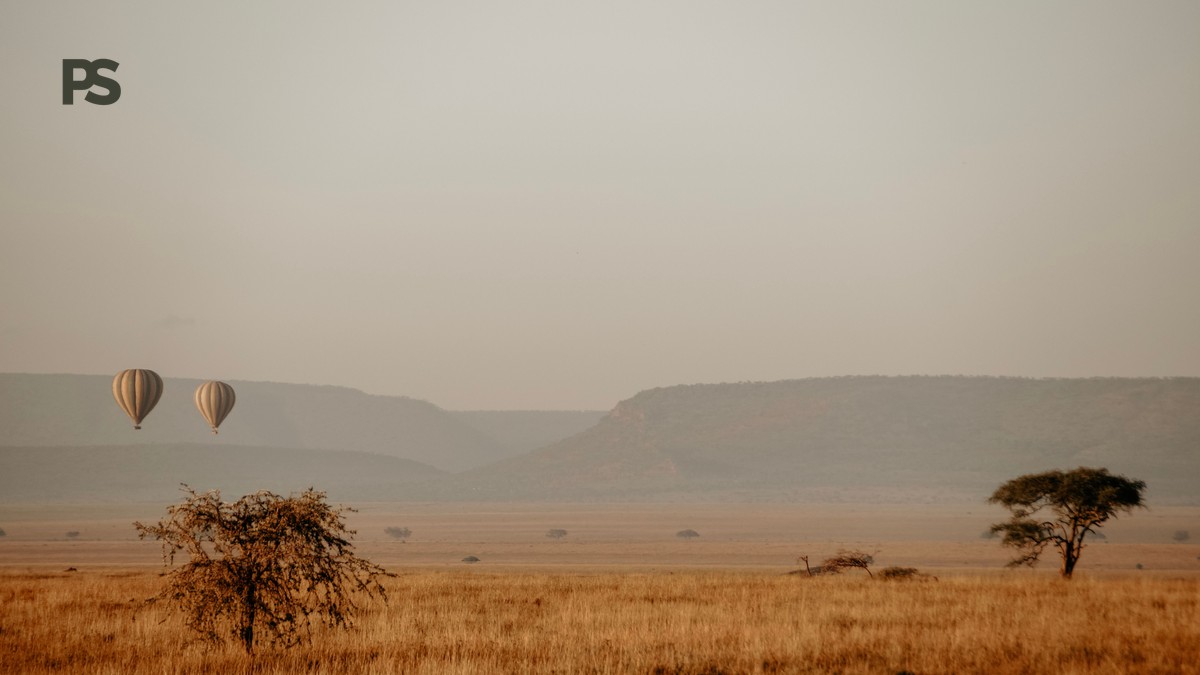
What Conservancy Fees Include
In Mara North, Naboisho and Olare Motorogi, the conservancy fee of roughly USD 80 to 150 per person per night usually includes the land lease, night drive access, walking safari access and use of the conservancy roads.
Most camps also wrap in meals, game drives, a guide and spotter, drinking water, and often tea and coffee. Many include house wine, beer and laundry. The exact inclusions vary by camp. Ask for a written list, because one camp may include premium spirits and another may not.
The main reserve fee is not covered by a conservancy stay. If you stay in a conservancy and want one day of crossing viewing inside the Narok reserve, you pay the USD 200 reserve entry for that day. A three day reserve based safari in July through December can add USD 600 per adult just in park fees. Three nights of conservancy fees at USD 80 to 150 is USD 240 to 450 per person. That is the number to compare.
Off Road, Night Drives and Walking Safaris
These three activities are often the deciding factor. In the Narok reserve, off road driving, night driving and walking for tourists are not permitted. In the conservancies, they are part of a normal stay, within rules.
Off road means your guide can leave the main track to sit at a respectful distance from a cheetah or aardvark. It does not mean chasing animals. The guide stays on firm ground and avoids sensitive grass.
Night drives start after dinner. The spotter uses a red filtered lamp. You might find serval, white-tailed mongoose, aardvark, or a leopard on the move. The vehicle moves slowly and the guide keeps contact with camp.
Walking safaris in Mara conservancies are guided by an armed ranger or a walking guide. You cover two to three km slowly. It is not a hard hike. It is a chance to read tracks, hear birds and stand without the engine.
Minimum ages for night drives and walking vary. If you are travelling with children, read children and night game drives in Kenya before you set a schedule.
Fewer Vehicles, Better Sightings and Photography
Fewer vehicles changes the sighting. At a big cat sighting in the reserve you may have 15 cars, engines idling and radio chatter. In Naboisho or Olare Motorogi you may share it with one or two vehicles. Your driver can rotate the car so the light falls on the animal, not on another vehicle.
That matters most for photography. You can stay with a leopard for half an hour instead of pulling away to let the next car in. You can shoot against clean grass. A private conservancy camp usually includes your own vehicle and guide, so you are not negotiating with a lodge shuttle.
If you plan to spend full days in the main reserve with your own driver and spotter, see private photography vehicle hire in Kenya. The cost of that private vehicle can narrow the difference between a busy reserve lodge and a quieter conservancy.
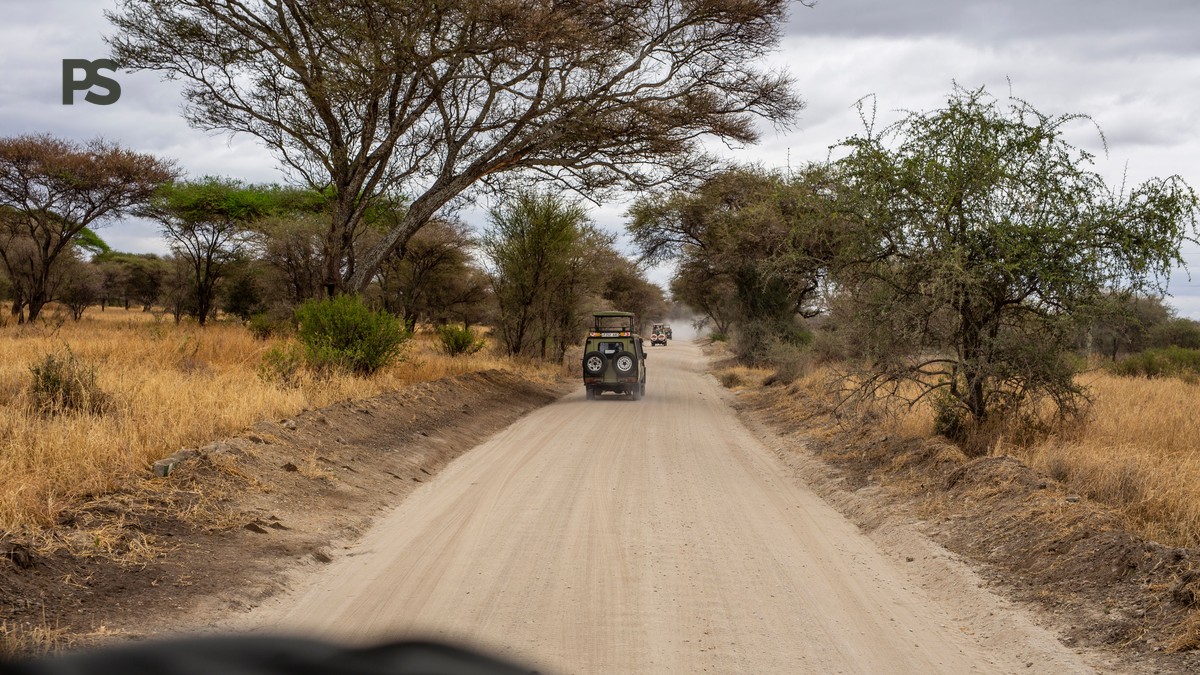
Where the Money Goes
A big share of the conservancy fee goes directly to the families who own the land. Naboisho, for example, pays lease income to more than 500 Maasai landowners. Mara North and Olare Motorogi run similar models.
The payment is the reason the conservancy exists. It gives communities an income from wildlife instead of cutting the bush for charcoal or fencing off land. It also pays for rangers, anti-poaching patrols and cattle grazing plans.
When you pay USD 100 or so per night in conservancy fees, part of that is a land lease. Part of it keeps the area open and quiet for you.
When a Conservancy Is Worth the Premium
Choose a private conservancy when these points matter more than the crossing photo:
- You are a honeymoon or luxury couple and privacy matters more than a packed sighting.
- You want night drives, walking safaris or off road access.
- You are a photographer who will use the lower vehicle pressure and better light.
- You are a repeat visitor who already has migration photos and wants space.
- Your budget already assumes a better camp and a private guide.
If most of that list fits, the extra USD 80 to 150 per night is the cheapest part of the upgrade. The real value is not the fancy tent, it is the empty hillside at dawn.
When the National Reserve Wins
Stay in the reserve when the goal is simpler. The Great Migration river crossings happen inside the Masai Mara National Reserve, not inside Naboisho or Mara North. From a conservancy camp, you can still drive in for the day. But you will pay the USD 200 reserve fee that day, and the drive from camp to the crossing point may take 30 to 60 minutes depending on the area.
First time safari travellers focused on seeing as many animals as possible may not need a conservancy. A reserve lodge puts you closer to the Mara River crossings and the open plains. You can see a lot in two days, even with the vehicle crowds.
A lower budget may also point to the reserve. A basic reserve camp plus a few days of park fees can still cost less than a mid range to high end conservancy tent. Do the arithmetic before you assume one is automatically better.
Best Mara Conservancies to Consider
All three do the core things well, but each has a different feel.
- Mara North is the rounded choice. It is a short drive from the Mara River and the reserve gate for a crossing day. It has good big cat country and a mix of open plains and riverine forest.
- Naboisho is the community story. It is quieter and slightly more remote than Mara North. Walking safaris and night drives are excellent here, and the conservancy is owned by the surrounding Maasai community.
- Olare Motorogi is the boutique option. It tends to have fewer camps and strong lion sightings. It is a short drive to the reserve for a day trip, but far enough to feel empty.
If you are heading north, Lewa and Ol Pejeta are also private conservancies with rhino populations. Their fee structures are different. This article focuses on the Mara because that is where the reserve versus conservancy question usually starts.
Combining a National Reserve With a Private Conservancy
The best answer is often a split stay. Spend two nights in the Narok reserve for migration or general game. Then spend three nights in a conservancy for night drives, walking and quiet photography.
That way you only pay the USD 200 reserve fee on the days you enter the reserve. On conservancy days you do not. The transfer between a Talek area camp and Naboisho is usually under an hour. A transfer between an Oloololo area camp and Mara North can take 30 to 45 minutes, depending on camp location.
A five night split stay also gives you two different safari rhythms. The reserve days are busier and target the crossings. The conservancy days slow down and you follow a leopard for 25 minutes without a queue.
The Plain Safaris Difference
Plain Safaris books both reserve and conservancy stays. We do not recommend a conservancy just because it has a larger invoice. We compare the actual nightly rate with all fees, the distance between camps, and the likely vehicle pressure for your travel dates.
We also drive these roads ourselves. We know that a two night stay in Naboisho is too short to enjoy the walking safari. We know that a Mara North camp on the western side may be closer to the river action than a lodge inside the congested central reserve. We build the trip around what you will actually do each day.
Plan Your Conservancy Safari
Tell us your travel dates, your preferred per person per night, and whether night drives, walking and off road access matter to you. We will show you the like for like numbers for a reserve only trip, a conservancy only trip, and a split stay.
Start with the Plain Safaris contact page. We can put together a route that uses the private conservancies where they are worth it, and the main reserve where it is not.