
Golden hour is the reason most wildlife photographers book a Kenya safari. That soft, warm light turns a dusty elephant into a portrait subject. But not every camp lets you be in the right place at the right time. The best golden hour safari camps combine two things: a good physical position and flexible access to the bush before sunrise or after sunset.
I have spent many cold, pre-dawn mornings in the Maasai Mara and Amboseli. I have waited at gates, argued with rangers, and sat in perfect silence on a ridge while the light turned pink. This guide compares real camps, their access rules, and what they actually cost.
What Golden Hour Means on a Kenya Safari
Golden hour happens twice a day. In Kenya, the sun rises around 6:30 AM and sets around 6:45 PM, depending on the season. The best light starts about 30 minutes before sunrise and lasts roughly 60 to 90 minutes after. The evening session runs from about 60 minutes before sunset until the light fades.
The challenge is simple. Most national reserves open their gates at 6:00 AM. By the time you pay, drive to a sighting, and position your vehicle, the best light is often gone. Private conservancies do not have the same hard gate rules. Many allow vehicles to leave camp in the dark, before sunrise.
Golden hour also affects animal behavior. Predators are most active at dawn and dusk. Lions finish their night hunts. Leopards move back to their trees. Hyenas return to their dens. The light is beautiful, but the action is real.
Best Timing in the Maasai Mara and Amboseli
The Maasai Mara National Reserve is the most famous safari destination in Kenya. Its rolling grasslands catch the low sun beautifully. But the reserve is county-run, not managed by Kenya Wildlife Service. Entry fees are USD 100 per adult per day from January to June. From July to December, during peak migration, the fee jumps to USD 200 per adult per day.
Amboseli National Park offers a different kind of golden hour. The park sits at the base of Mount Kilimanjaro. The mountain often appears massive and pink at sunrise, with elephants walking across the foreground. Amboseli is run by KWS. Entry is USD 90 per adult per day.
Both places have strong golden hour potential. The Mara offers drama and big cat action. Amboseli offers the classic elephant and mountain composition. The trade-offs involve access and crowding.
The Mara Reserve has strict rules about pre-dawn entry. The main gates, like Sekenani and Oloolaimutia, open at 6:00 AM. You cannot drive in the dark. In the evening, you must exit by 6:45 PM or 7:00 PM depending on the season. That means you lose the last half hour of sunset light.
Amboseli has similar gate restrictions. The park opens at 6:00 AM and closes at 6:30 PM. You will not shoot sunrise inside the park, only from your lodge deck or the roadside outside the gate.
Golden Hour Safari Camps and Conservancies with Pre-Dawn Access
This is where private conservancies win for photographers. Conservancies like Mara North, Naboisho, and Olare Motorogi sit beside the national reserve. They have their own vehicle limits and more flexible rules. Most camps in these conservancies allow pre-dawn departures. Some even offer night drives, which the reserve does not permit.
The table below compares specific camps and lodges for golden hour access.
| Camp | Location | Pre-Dawn Drives | Night Drives | Indicative Cost per Night |
|---|---|---|---|---|
| Angama Mara | Mara Triangle | Yes | No | USD 1,200 to 2,000 per person |
| Mahali Mzuri | Olare Motorogi Conservancy | Yes, private vehicle | Yes | USD 1,500 to 2,500 per person |
| Governors’ Il Moran | Mara North Conservancy | Yes | Yes | USD 900 to 1,400 per person |
| Ol Tukai Lodge | Amboseli National Park | No, park gates | No | USD 300 to 600 per person |
| Naboisho Camp | Naboisho Conservancy | Yes | Yes | USD 800 to 1,200 per person |
Prices are indicative and change with season. Conservancy fees are usually bundled into the nightly rate. Expect to pay roughly USD 80 to 150 per person per night on top of the base camp cost in conservancies like Naboisho and Mara North.
Best Camps for Wildlife Photography
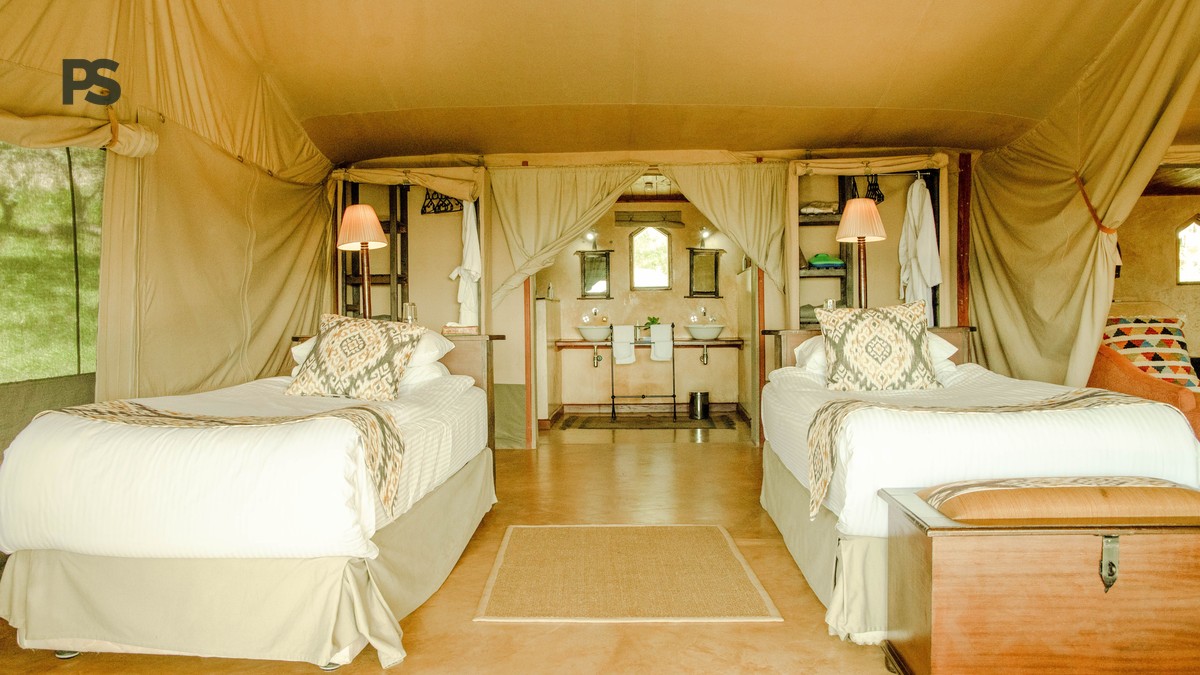
Angama Mara sits on the edge of the Great Rift Valley escarpment. The views are stunning, but the real advantage is the location in the Mara Triangle. This western part of the reserve is less crowded. The lodge has its own photography guides and can access private areas. It is expensive, but for serious shooters it is hard to beat.
Mahali Mzuri is Richard Branson’s camp in the Olare Motorogi Conservancy. The conservancy has a strict vehicle density limit. At any time, only a handful of vehicles can be at a sighting. The camp offers private vehicles and flexible timing. The landscape is hilly and green, which makes for dynamic compositions.
Governors’ Il Moran is a classic tented camp on the Mara River in the Mara North Conservancy. It has been around for decades and knows how photographers work. The camp offers pre-dawn departures and night drives. Its position near the river means you have a head start on crossing points during migration season.
For Amboseli, Ol Tukai Lodge is the most convenient option for the central elephant zones. It sits inside the park, near the marshes. The lodge cannot bend the gate rules, but you can shoot from the lawn at sunrise. The light on Kilimanjaro from the lodge is exceptional.
National Reserve Versus Private Conservancy Rules
The core choice for golden hour work is reserve versus conservancy.
The national reserve allows off-road driving, but only with a ranger escort in some areas. During peak season, up to 30 vehicles can crowd a single lion sighting. That makes clean composition difficult. The reserve also enforces gate hours strictly.
Private conservancies have different rules. They usually allow off-road driving for wildlife viewing, and some allow it for photography positioning. Vehicle numbers are capped. In Olare Motorogi, for example, there are restrictions on how many vehicles can be at one sighting. You get a quieter, more controlled experience.
The cost difference is real. Conservancy fees run USD 80 to 150 per person per night, added to your camp rate. But this buys you access, space, and the ability to shoot at the exact minute the sun crests the horizon.
Off-Road Driving and Vehicle Positioning
During golden hour, vehicle positioning matters as much as lens choice. You want the low sun behind your subject or at an angle. That means the driver must circle the sighting without disturbing the animals.
In the Mara Reserve, off-road driving is allowed but controlled. In the conservancies, it is more common. A good guide will position you for a clean background, a rim-lit mane, or a reflection shot.
Ask your camp about their vehicle policy before booking. Some camps charge extra for private vehicles. Others, like Mahali Mzuri, include them in the rate. A shared vehicle is fine for general viewing, but for golden hour work, a private vehicle is worth the extra cost.
Golden Hour Photography Settings and Equipment
You do not need a checklist here, but a few settings help. Start with an aperture around f/4 to f/5.6 for animals. Your shutter speed will drop in low light, so raise your ISO to 800 or 1600 without worry. Modern cameras handle noise well.
A 70-200mm lens is the workhorse for golden hour. A 400mm or 500mm prime helps for distant subjects, but the low light makes fast glass essential. Bring a beanbag or support for the vehicle window.
Warm clothes matter. Pre-dawn temperatures in the Mara drop to around 12 degrees Celsius. Pack gloves, a warm jacket, and a neck warmer. The sun warms things fast, but the first hour is cold. See our safari packing list for photographers for a full gear guide.
Seasonality and Wildlife Activity
The best golden hour months depend on what you want to shoot.
June to October is dry and the great migration is in the Mara. Wildlife gathers around the Mara River. Morning light is crisp. This is also peak season with higher park fees and more vehicles.
January to February is calving season in the southern Mara. Thousands of wildebeest calves are born. Predators follow. The grass is short, which makes for clear sightlines and beautiful light.
Amboseli is best in the dry months of June to October and January to February. The elephants gather around the permanent swamps. Kilimanjaro is clearest in the early morning.
If you are planning a longer trip, read about how long photographers should spend on safari in Kenya to get the timing right.
Park Fees and Accommodation Costs
Here are the current gate fees you will pay, verified as of mid-2026.
| Park or Reserve | Entry Fee per Adult per Day | Run By |
|---|---|---|
| Masai Mara National Reserve | USD 100 (Jan-Jun), USD 200 (Jul-Dec) | Narok County |
| Amboseli National Park | USD 90 | KWS |
| Lake Nakuru National Park | USD 90 | KWS |
| Tsavo East or West | USD 80 | KWS |
| Nairobi National Park | USD 80 | KWS |
| Naboisho Conservancy | USD 80-150 per night, bundled | Private |
| Mara North Conservancy | USD 80-150 per night, bundled | Private |
These fees are separate from your camp rate. They add up quickly. A week in the Mara Reserve during peak season costs USD 1,400 in entry fees alone.
What a Typical Golden Hour Game Drive Looks Like
A real golden hour drive starts before dawn. At 5:15 AM, you meet your guide at the vehicle. The air is cold. You wrap up in blankets. The vehicle leaves camp in darkness, headlights cutting through the grass.
By 6:00 AM, you are already in position at a known sighting. The first light touches the horizon around 6:30. You shoot for the next 90 minutes as the light changes from blue to pink to gold. By 8:00 AM, the light is too harsh. You return to camp for a hot breakfast.
The evening drive runs from 4:30 PM to sunset. The light starts good at 5:30 and gets better until the sun dips. The reserve makes you leave by 6:45 PM. A conservancy lets you stay until full dark.
Frequently Asked Questions
What time is golden hour on safari in Kenya?
Around 6:00 to 7:30 AM and 5:30 to 6:45 PM, varying slightly by season.
Can you start a Kenya safari before sunrise?
In private conservancies, yes. In national parks and the Mara Reserve, gates open at 6:00 AM, so you cannot enter before sunrise.
Which Kenya safari camp is best for photographers?
Angama Mara and Mahali Mzuri are top picks for serious photographers. Both offer private vehicles and flexible conservancy access.
Is golden hour better in the Maasai Mara or Amboseli?
The Mara offers more action and predators. Amboseli offers the classic Kilimanjaro backdrop with elephants. Choose based on your subject preferences.
Are conservancy fees included in the camp price?
Usually yes, but check. Camps in Naboisho and Mara North typically bundle the conservancy fee into their nightly rate. The range is roughly USD 80 to 150 per person per night.
What should I wear on a cold pre-dawn game drive?
Layers. A thermal base, a fleece, and a windproof jacket. Gloves are essential. You will peel layers off by mid-morning.
The Plain Safaris Difference
Most operators sell you a tent and a game drive. We build itineraries around light. We choose camps based on sunrise access, vehicle density, and the direction the sun hits the landscape. We know which guard at which gate opens early and which conservancy manager allows night drives.
We also understand the trade-offs. If you must see the river crossings in July, the reserve might be necessary despite the crowd limitations. If your priority is clean, quiet golden hour light, we push you toward conservancies. We have done both, many times.
This is the difference between a safari where you take photos and a safari where you make images. We plan for the latter.
If you want a dedicated professional to handle the technical side, consider hiring a professional photographer for a Kenya safari.
Plan Your Golden Hour Trip
The right camp for golden hour is the one that gets you into the light at the right second. Tell us what you want to shoot. We will match you with the camp and conservancy that fits your style and your budget.
Contact Plain Safaris to plan your trip. We will handle the gates, the timing, and the positioning. You just bring your camera and your patience.
Start planning your golden hour safari