
You have booked months in advance. You have saved for the flights, the lodges, and the park fees. Then you check the forecast and see rain. Your first thought is simple: does rain ruin safari game drive?
The short answer is no, not usually. The longer answer depends on when you go and where in Kenya you are heading. Let me walk you through what rain actually does to a game drive. I will show you which months carry real risk. Some of my best days in the bush have been on drizzly mornings.
Does rain ruin safari game drive?
Rarely. Safari vehicles are built for this. Most 4×4 Land Cruisers have pop-up canvas roofs. The roof keeps the cabin dry while still giving you a full view of the animals. Light rain, the kind that lasts 20 minutes and then clears, does not stop a single drive. Guides will keep going. Usually the animals do not even bother to move.
Heavy rain is a different story, but it does not cancel the drive. It changes it. Your guide might wait out a short downpour under a big tree or at a picnic site. If the rain lasts for hours, the drive may be cut short. This happens mostly during the long rains in April and May. The roads turn to thick black cotton soil. That mud can stop even a Land Cruiser.
The only time a drive gets fully cancelled is when a storm makes rivers impassable. In the Masai Mara, the Talek River can rise quickly. A few camps on the wrong side of a crossing have had guests stuck for a night. It is rare, but it happens.
Long rains vs short rains in Kenya
Kenya has two rainy seasons, and they behave very differently.
The long rains run from March to May. April is the wettest month. This is heavy, persistent rain. Some years it dumps on you for several days in a row. Roads get bad. The grass grows tall, which makes spotting animals harder. Many lodges close in April, especially in the Mara, because the airstrips get too soft for small planes.
The short rains run from November to December. These are shorter, punchier showers. You might get a heavy downpour at 4pm and clear skies by 5pm. The ground dries fast. Roads recover within a day. This is the season I personally recommend to anyone who wants green scenery and fewer tourists.
Here is a quick breakdown of what each season means for you:
| Season | Months | Typical Rain Pattern | Road Risk | Sighting Quality |
|---|---|---|---|---|
| Long rains | March to May | Sustained, heavy, days of drizzle | High, especially April and May | Harder because grass is tall |
| Short rains | November to December | Short afternoon downpours | Moderate, roads dry fast | Good, animals are spread out |
| Dry high season | June to October | Very little rain | Low | Excellent, animals concentrate near water |
| Short dry | January to February | Rare showers | Low | Good |
How rain affects road conditions and park access
The biggest real risk in the wet season is not your comfort. It is access. These are the actual park gates and what you can expect.
In the Masai Mara National Reserve, the roads are either laterite or black cotton soil. Laterite drains well. Black cotton does not. When it turns to slick mud, your vehicle slides. Good drivers manage it, but your game drive becomes slower. A 20-minute transfer between two areas can take over an hour.
The Mara is run by Narok County. The entrance fee is set by them, not by Kenya Wildlife Service. From January to June it is USD 100 per adult per day. From July through December, it jumps to USD 200 per adult per day during peak migration season. If you are visiting in the green months, you save money on the gate fee itself.
Amboseli National Park is a different story. The roads are mostly firm volcanic soil. Rain drains fast. I have driven through Amboseli in April during a heavy downpour and the tracks stayed drivable. The fee there is USD 90 per adult per day, set by KWS.
Lake Nakuru National Park can get muddy in the long rains. The park has many clay patches. It stays open, but drives are slower. The fee is USD 90 per adult per day.
Private conservancies like Naboisho and Mara North have their own rules. They bundle entrance fees into your lodge rate, roughly USD 80 to 150 per person per night. These conservancies also limit vehicle numbers. Even in rain, a Naboisho drive feels exclusive because you rarely see another car.
Here are the hard numbers for road distances and fees:
| Park or Reserve | Distance from Nairobi (approx.) | Drive Time (approx.) | Park Fee (USD, adult/day) |
|---|---|---|---|
| Masai Mara (Jan-Jun) | 270 km | 5-6 hours | 100 |
| Masai Mara (Jul-Dec) | 270 km | 5-6 hours | 200 |
| Amboseli National Park | 240 km | 4-5 hours | 90 |
| Lake Nakuru National Park | 170 km | 2.5-3 hours | 90 |
Which months carry the most risk?
If you want the absolute lowest rain risk, come in July, August, or September. These are dry, dusty, and packed with tourists. The Mara River crossings happen then, which is the biggest draw.
If you want lower prices and fewer people, aim for June or November. These are my two favorite months. June is right after the long rains, so the grass is still short enough for easy spotting. November has short rains that come in bursts and leave. The scenery is lush and green.
The months to avoid are April and May. Many camps close. The airstrips get soft. Some parks, particularly in the Mara region, can have sections that are temporarily unreachable. It is not a bad time to travel, but it is risky if you have a tight schedule.
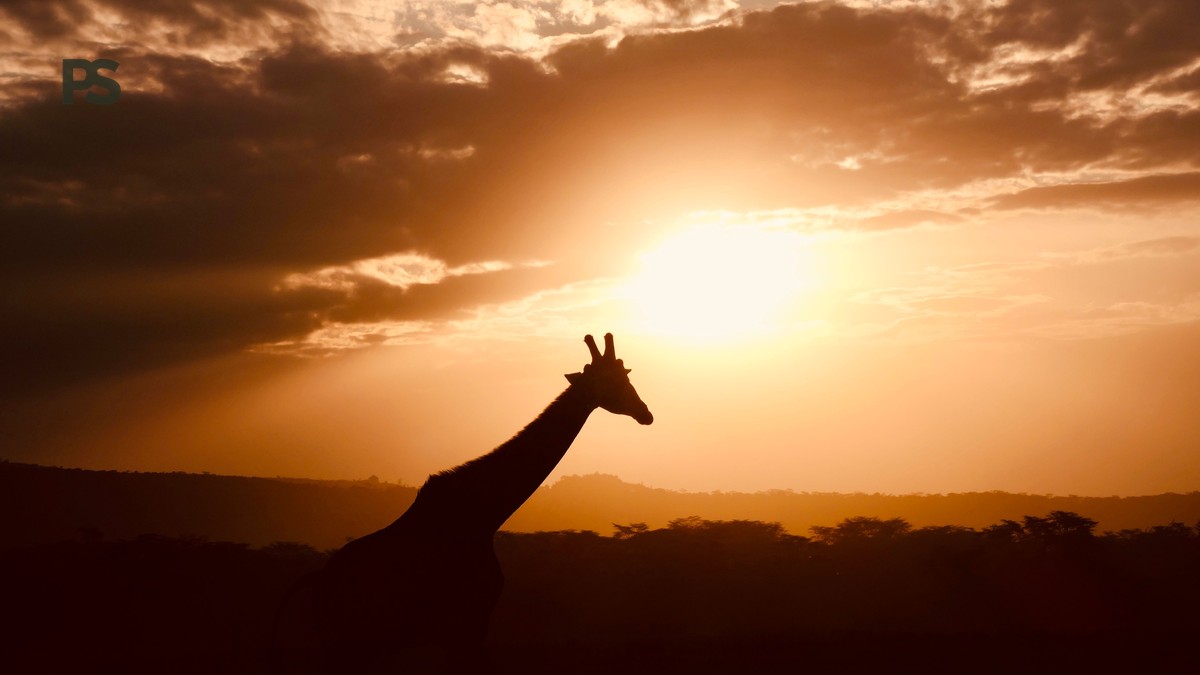
Wildlife viewing during wet weather
Here is the part that surprises most first-time visitors. Rain often makes the wildlife viewing better, not worse.
Animals are driven by seasons, not by your comfort. During a light drizzle, predators still hunt. In fact, a light rain gives lions and leopards a slight advantage. Prey cannot smell them as well. I have watched a leopard make a kill in a morning mist that most people would have slept through.
The bigger issue in the green season is vegetation. After heavy rain, the grass grows tall. In the Mara, the grass in April can be over your head. A lioness resting 30 meters from the road can be completely invisible. Elephants in Amboseli are still easy to spot because the landscape is open. In the Mara you need a good guide with sharp eyes.
Birds, on the other hand, are spectacular in the rain. Migratory species arrive with the wet season. A rainy day in Amboseli can produce sightings of pelicans, flamingos, and dozens of raptors. You will not see them in the dry months.
Another benefit of rain: fewer cars. The high season crowds stay home when the sky is grey. In an off-season drive, you can sit at a leopard sighting for 45 minutes without another vehicle showing up. That is a luxury that money cannot buy in August.
What to pack for a rainy safari
You do not need a full rain suit. You need layers and smart choices. You can also check our full Kenya safari packing list for a complete checklist.
A lightweight, packable rain jacket is essential. Get one that packs into its own pocket. It does not need to be heavy, just waterproof. A wide-brimmed hat keeps rain off your glasses and face. Bring a dry bag for your camera and phone. Even in a covered vehicle, a sudden open-roof pass through a shower can mist your gear.
Pack quick-dry clothing. Cotton absorbs water and stays wet. Merino wool or synthetic hiking shirts dry fast. If you are on a multi-day circuit, bring two pairs of moisture-wicking hiking pants. You will not need heavy boots. A pair of sturdy sandals or light hiking shoes that can handle mud is enough.
One item most people forget: a small towel. When you get back to the vehicle after a rain-soaked stop, a towel lets you dry the seat before your driver gets soaked.
Vehicle and lodge logistics in the rain
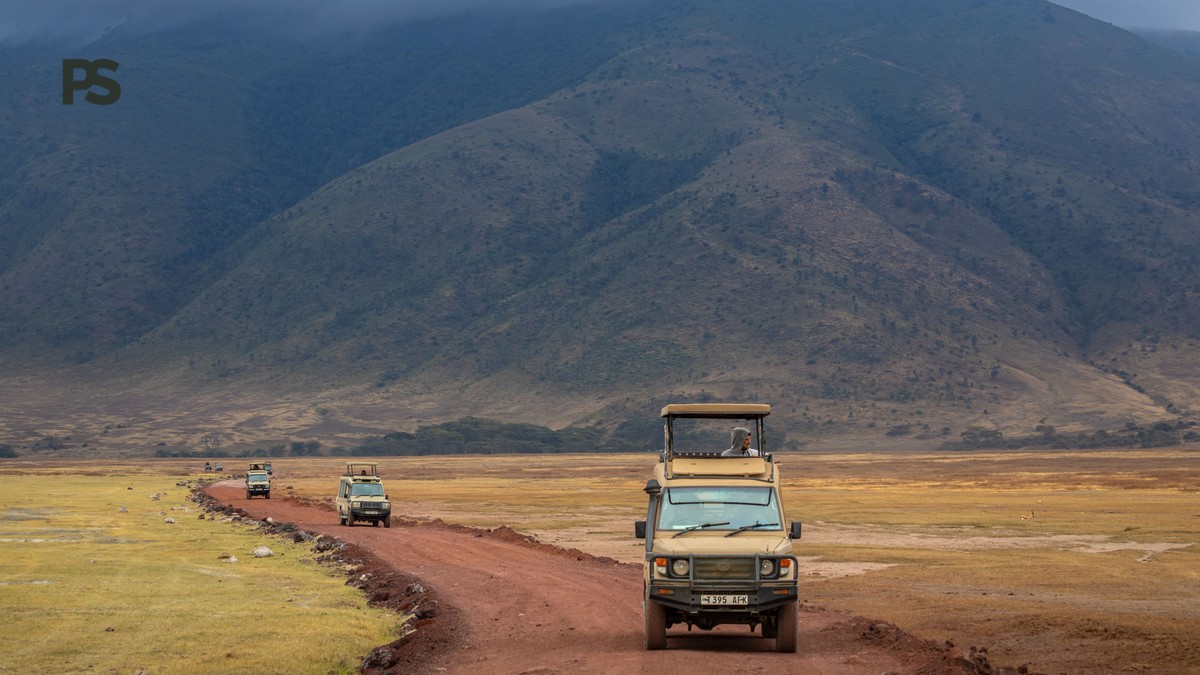
Most safari vehicles are open-sided with a pop-up roof. That roof keeps the cabin dry when the sides are closed. The sides roll down and zip shut. If you are in a closed 4×4 safari van, you will stay dry but your view is limited to the windows.
At night, rain means you will hear the animals differently. A good lodge will have a covered walkway to the dining area. In the conservancies, ask if your tent has a deck. Rain on canvas at night is one of the most calming sounds on earth.
If you are flying between parks, know that small planes do not land in heavy rain. Airstrips can close for a few hours. If you have a tight connection, the lodge will usually adjust your schedule. Keep one buffer day in your itinerary during the wet season.
The Plain Safaris Difference
Every operator says they handle rain well. Here is what we actually do differently.
We plan routes around the weather. If the western side of the Mara gets a morning storm, we drive east. Our guides carry daily weather reports from the county roads, not just satellite images. They know which river crossings are passable and which require a 40 km detour.
We pick lodges based on wet-season access. A lodge that is beautiful in August can be a trap in April if its access road floods. We only recommend camps that stay reachable year-round, or we tell you clearly up front that a road may close.
We also time your drives realistically. In the green season, we lengthen the transfer legs by 30 percent. Your mid-morning coffee stop might be at 10:30 instead of 10:00. You will not miss your game drive because we budgeted for mud.
And we keep our cars equipped. Every Plain Safaris vehicle has a full rain canopy, traction mats, and a recovery rope. We have never had a guest stuck in the mud for more than an hour.
If you want to plan around the weather instead of fighting it, we can help you pick the right month and the right conservancy for your dates.
The honest verdict
Does rain ruin safari game drive? Only if you let a morning shower ruin your mood. In light rain, the animals stay active, the roads stay passable, and the scenery turns impossibly green. In heavy long rains, access gets harder, but you trade that for empty roads and half-price gate fees.
The real answer is to choose your season wisely. If you want zero rain risk, book July through September. If you want a quieter, cheaper, greener trip with occasional afternoon showers, book November or June. If you want my honest opinion, those green months have given me some of the best sightings of my career. You just have to pack a rain jacket.
To plan your safari around the weather, the seasons, and your budget, talk to the team at Plain Safaris. We will help you choose dates that fit how you like to travel.