
If you are wondering, is kenya safari expensive, you are in good company. The short answer is yes. A Kenya safari costs real money. But the longer answer is more useful. What you pay depends on three things. Those are where you sleep, which parks you enter, and how many people share your vehicle.
Most first-time travelers ask this because they have no frame of reference. They see prices like USD 400 per person per night and wonder if that is normal. It is, for a mid-range safari. But you can also spend USD 80 per night on a budget trip. Or you can spend USD 1,500 on luxury.
This guide breaks down real costs for 2026. You will see where your money goes, what you can skip, and when a private safari is worth it. You can also read our complete Kenya safari planning guide for step-by-step help.
Is Kenya Safari Expensive for Most Travelers
A Kenya safari costs roughly USD 150 to USD 350 per person per day for a standard mid-range trip. That includes lodging, park fees, a 4×4 vehicle, a driver-guide, and most meals.
For a full breakdown:
| Safari Style | Cost Per Person / Night | What You Get |
|---|---|---|
| Budget camping | USD 80 – 150 | Tented camp, shared bathroom, basic meals, group vehicle |
| Mid-range lodge | USD 200 – 350 | Private room, en-suite bathroom, all meals, wildlife drives |
| Luxury camp | USD 400 – 700 | Tented suite, game drives in private conservancy, gourmet food |
| Ultra-luxury | USD 900 – 1,500 | Private guide, exclusive use vehicle, helicopter options, premium wines |
These figures include park fees, which are significant. We will unpack those below.
What Is Included in a Safari Package
A reputable safari operator packages most daily costs. A standard mid-range package includes accommodation, all meals, game drives in a 4×4, a driver-guide, park fees, and airport transfers.
Some packages also include internal flights. A flight from Nairobi to the Masai Mara saves 5 to 7 hours of driving each way. But it adds USD 150 to USD 250 per person per leg.
Always read your package carefully. Some budget options exclude park fees or meals. A 5-day safari often has only 3 or 4 full game drive days.
What Is Not Included
These costs are usually extra.
- International flights to Nairobi
- Kenya visa (USD 50 for e-visa, paid online)
- Travel insurance
- Alcoholic drinks and premium beverages
- Tips for your guide and camp staff (USD 10 to USD 20 per person per day is standard)
- Personal shopping and souvenirs
- Optional hot air balloon rides (USD 450 per person in the Mara)
That balloon ride is a classic dream item, but it is expensive. Skip it if you are on a tight budget. The sunrise game drive you could take instead costs nothing extra.
Park Fees: Where Your Money Goes
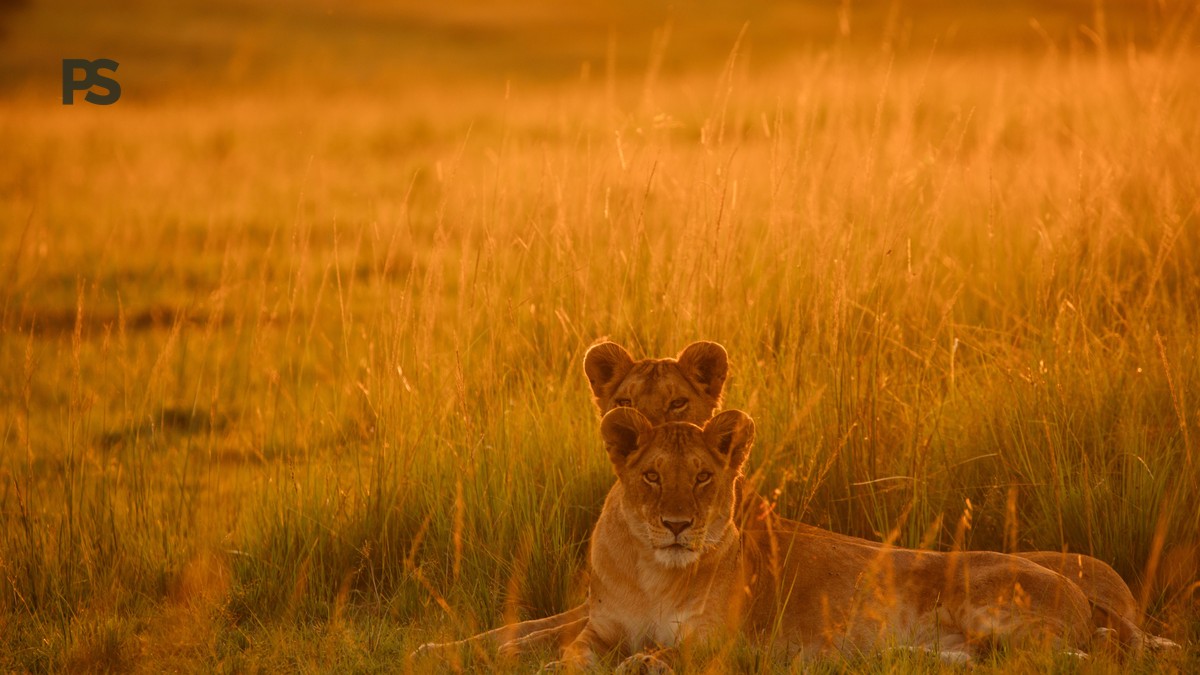
Park fees are a major cost driver, and they are not optional. You pay per person, per day, at every park you visit. Fees went up in October 2025, so use these current numbers.
| Park / Reserve | Non-Resident Fee Per Adult / Day |
|---|---|
| Masai Mara (July – December) | USD 200 |
| Masai Mara (January – June) | USD 100 |
| Amboseli National Park | USD 90 |
| Lake Nakuru National Park | USD 90 |
| Tsavo East / Tsavo West | USD 80 |
| Nairobi National Park | USD 80 |
| Chyulu Hills National Park | USD 40 |
Note that the Masai Mara is run by Narok County, not the Kenya Wildlife Service. It has two price tiers. Travel from July through December and you pay double. This is peak migration season, so the wildebeest crossings are happening.
A 3-day Mara trip in August means USD 600 in park fees alone for one person. That is a large chunk of any budget.
Private conservancies like Naboisho and Mara North bundle fees into your lodge rate. Expect to pay roughly USD 80 to 150 per person per night above the room charge. In exchange, you get lower vehicle numbers and a quieter experience. This can be worth it.
Sample Itinerary Costs: 3, 5, and 7 Days
Let us build realistic budgets for different trip lengths. These are per person, based on two people sharing a room and a vehicle.
3-Day Masai Mara Safari (Flights Included)
This is the classic short trip. You fly from Nairobi to the Mara, spend two full days on game drives, and fly back.
| Item | Cost Per Person |
|---|---|
| Internal flights (Nairobi to Mara return) | USD 300 |
| 2 nights mid-range lodge | USD 400 |
| Park fees (2 days at USD 200, August) | USD 400 |
| Airport transfers | USD 40 |
| Total | USD 1,140 |
That is roughly USD 380 per day. The short trip is expensive per day because flights are a fixed cost. It makes sense if you only have a weekend.
5-Day Amboseli and Tsavo West Safari (Road Trip)
Drive from Nairobi to Amboseli, then across to Tsavo West, and back.
| Item | Cost Per Person |
|---|---|
| 4 nights mid-range lodge | USD 800 |
| Park fees (2 days Amboseli, 2 days Tsavo) | USD 340 |
| Private 4×4 with guide and fuel | USD 350 |
| Camp staff and guide tips | USD 100 |
| Total | USD 1,590 |
That is about USD 318 per day. You save by driving rather than flying, and Tsavo fees are lower.
7-Day Masai Mara and Lake Nakuru Safari
A longer circuit that includes two very different habitats. Fly or drive to the Mara, then drive to Nakuru, and return to Nairobi.
| Item | Cost Per Person |
|---|---|
| 6 nights mid-range lodge | USD 1,200 |
| Park fees (3 days Mara, 1 day Nakuru) | USD 690 |
| Private 4×4 with guide and fuel | USD 450 |
| One internal flight (optional) | USD 180 |
| Tips | USD 140 |
| Total | USD 2,660 |
That is about USD 380 per day with the flight, or USD 350 without. For 7 days, you get three full days in the Mara and a day with rhinos at Nakuru.
Why Camps Are Expensive
Many camps sit in remote areas with no power or water grid. They run generators, truck in water, and bring food from Nairobi. A camp with 20 tents might employ 60 people. All of that cost lands in your nightly rate.
A camp inside the Masai Mara National Reserve pays high lease fees. A camp in a private conservancy charges more but offers night drives and walking safaris. Those activities are banned in the reserve.
You also pay for scarcity. Prime wildlife areas have limited beds. The best camps book out months ahead in peak season.
When Is the Cheapest Time to Go?
The cheapest time is the low season, from mid-March through May. Rain is heavy, especially in April. Many lodges drop rates by 30 to 40 percent. Park fees drop too because you are in the Mara’s low season.
The trade-off is weather. You will get rain, but mornings are often clear. Read more about whether rain affects a Kenya safari to decide if you can handle it.
A better compromise is June or November. These are shoulder months. Prices are moderate, and wildlife viewing is still strong.
Private Safari vs Group Safari
A private safari means you and your party have the vehicle to yourselves. It costs more, but the math changes with numbers.
| Number of Travelers | Private Vehicle Cost Per Person / Day | Shared Vehicle Cost Per Person / Day |
|---|---|---|
| 1 (solo) | USD 180 | Not available |
| 2 | USD 90 | Not available |
| 4 | USD 45 | USD 80 |
| 6 | USD 30 | USD 70 |
A shared safari usually means 6 to 8 people per vehicle. You pay less, but you stop when others want to stop. You sit in a middle seat with limited window access.
For a solo or couple, a private safari is generally worth the extra cost. Your guide can chase a leopard sighting without negotiating with seven other passengers. For a group of four or more, the per-person cost of a private vehicle often beats the shared rate.
The one downside of a private vehicle is the pressure to fill every drive with activity. On a shared trip, you can relax in the middle seat and let others do the spotting.
How Kenya Compares with Other Countries
Kenya is not the cheapest safari destination, but it is far from the most expensive.
| Country | Typical Mid-Range Cost Per Person / Day | Park Fee Benchmark |
|---|---|---|
| Kenya | USD 250 – 350 | USD 90 – 200 per day |
| Tanzania | USD 300 – 400 | USD 70 – 100 per day (Ngorongoro crater fee higher) |
| Botswana | USD 500 – 800 | USD 100 per day in Okavango Delta |
| South Africa (Kruger) | USD 150 – 250 | USD 30 per day |
Tanzania is slightly pricier because Serengeti entry fees are high and distances are long. Botswana is a luxury market with fly-in camps. South Africa’s Kruger is the budget option, but wildlife density is lower. For the money, Kenya offers excellent value. The Mara has some of the highest wildlife densities on earth. You can see lions, elephants, and cheetahs within hours of arriving.
Ways to Reduce Your Safari Cost
A Kenya safari does not have to break the bank. Here are strategies that actually work.
Use self-drive for some legs. If you are confident on rough roads, self-drive between parks and hire a guide only inside. This saves hundreds of dollars.
Stay outside the park gate. Towns like Talek and Sekenani just outside the Mara have basic lodges for USD 60 to 100 per night. You drive into the reserve each day and pay the daily fee. You lose time going in and out, but you cut lodging costs in half.
Eat at your lodge. Safari lodges include meals. Pack the boxed lunch for your afternoon drive instead of buying snacks at shops.
Go in June or November. You get decent weather and lower rates. Avoid August and December if you have flexibility.
Skip the internal flight. Driving from Nairobi to the Mara takes about 5 hours, sometimes 6. A flight takes 45 minutes but costs USD 150 to 250. If you have 3 days, fly. If you have 5 or more, drive and save.
Here are real road distances and times to help you decide.
| Route | Distance | Drive Time | Flight Cost Per Person |
|---|---|---|---|
| Nairobi to Masai Mara (Sekenani Gate) | 225 km | 5 to 6 hours | USD 150 – 250 |
| Nairobi to Amboseli (Kimana Gate) | 240 km | 4 to 5 hours | Not common |
| Amboseli to Tsavo West (Chyulu Gate) | 100 km | 2 to 3 hours | Not common |
| Nairobi to Lake Nakuru | 160 km | 2.5 to 3 hours | Not common |
Bring kids who eat everything. If you have picky eaters, check what the camp offers. Most lodges have children’s menus, but some do not. Read about safari meals for picky eaters so you know what to expect.
Carry enough cash. Remote camps often lack card readers. Bringing cash avoids forced ATM use with high fees. Check cash and ATM tips for remote camps before you leave.
The Plain Safaris Difference
Most cost guides stop at the numbers. We do not. At Plain Safaris, we have driven every road we recommend. We know which budget lodge outside the Mara gate adds 40 minutes to your morning drive, and which one is worth the trade-off.
We build itineraries that match your actual budget. If you have USD 150 per day, we find clean, safe options with good wildlife positioning. If you have USD 600 per day, we route you through private conservancies where you see elephants without another vehicle in sight.
We also tell you when to spend and when to save. That balloon ride is memorable, but a private conservancy day might serve you better. Internal flights save time, but a scenic drive is part of the experience.
Our guides know the parks intimately. They know where the leopard lives in the Mara and which kopje in Samburu holds the lions at noon. That local knowledge turns a good safari into a great one.
Ready to Plan Your Kenya Safari?
You now have a realistic picture of what a Kenya safari costs. The next step is building a trip that fits your budget without sacrificing the experience you want.
Tell us how many days you have, what time of year you are traveling, and your comfortable budget range. We will design a safari route with honest prices, real lodges, and no surprise fees.
Contact the Plain Safaris team to start planning. We will send you a detailed itinerary with exact costs, including park fees and flights, so you know what you are paying for before you commit.