
You have finally decided to do a Kenya safari. Then you start researching and find park fees listed all over the internet, with wildly different numbers. Some say USD 70, others say USD 200. You start to wonder if you can even afford it.
I have sat behind the wheel on these roads for years. I have paid these fees at the gate, counted out dollars for rangers, and watched first-time travelers get confused at the ticket window. This guide gives you the real numbers for Kenya safari park fees, as of now, so you can budget your whole trip without surprises.
Here is the honest truth: park fees are a major part of your safari cost. But they are also predictable. Once you understand how they work, you can plan around them.
How Kenya Park Fees Work
Kenya park fees are charged per person, per day. They are not a one-time entry fee. If you stay inside Masai Mara for three nights, you pay for four days of entry, even if you only drive into the park once.
The fees are paid in US dollars for non-residents. Most gates accept credit cards now, but cash in USD is still the smoothest option. Keep small bills. Rangers rarely have change for large notes.
There are two main categories of fees. National parks are run by Kenya Wildlife Service (KWS). The Masai Mara National Reserve is different. It is run by Narok County Government, not KWS. This matters because the Mara has its own pricing and its own rules.
Conservancies, which are private lands next to the parks, charge separate fees. These are usually bundled into your lodge rate. I will explain that below.
Current Kenya Safari Park Fees by Park
These are the current non-resident entry fees, valid from October 2025 onward. I checked these figures with KWS and park offices recently.
| Park or Reserve | Entry Fee per Adult per Day | Valid For |
|---|---|---|
| Masai Mara National Reserve (Jan-Jun) | USD 100 | 24 hours |
| Masai Mara National Reserve (Jul-Dec) | USD 200 | 24 hours |
| Amboseli National Park | USD 90 | 24 hours |
| Lake Nakuru National Park | USD 90 | 24 hours |
| Tsavo East / Tsavo West | USD 80 | 24 hours |
| Nairobi National Park | USD 80 | 24 hours |
| Chyulu Hills National Park | USD 40 | 24 hours |
A “day” means a 24-hour period from the time you enter. If you enter Amboseli at 2 PM on Tuesday, you are covered until 2 PM on Wednesday. You do not pay a full extra day for a short morning game drive on Wednesday.
Children pay less. Kids under 5 are usually free or pay a small fee. Children aged 6 to 17 pay roughly 50 to 60 percent of the adult rate, depending on the park. Some conservancies charge a flat family rate.
Why Masai Mara Costs More
The Masai Mara is the most expensive park in Kenya. This is not a random decision. The reserve is world famous for the wildebeest migration. Between July and December, the herds cross the Mara River and the parks fills with vehicles.
Narok County uses the higher fee to manage visitor numbers and fund conservation. The fee drops to USD 100 from January to June. If you want to see the Mara without the migration crowds, the low season is dramatically cheaper.
Here is what that means for a typical stay. Most visitors spend three nights in the Mara. In high season, that is four days of entry at USD 200 each, or USD 800 per person just for park entry. In low season, the same four days cost USD 400 per person. That is a difference of USD 400 per adult, which is a substantial saving on a family trip.
The lower season also has quieter roads. You will not queue at river crossings. You will have more space around lion sightings. The grass is longer, so visibility is a bit harder, but the experience is more intimate.
Conservancy Fees and What They Cover
The private conservancies around the Mara, like Naboisho and Mara North, charge separate fees. These are typically bundled into your lodge rate. You will not pay at the gate. It is included.
Conservancy fees run roughly USD 80 to 150 per person per night. That sounds like a lot. But it buys you something valuable: exclusivity.
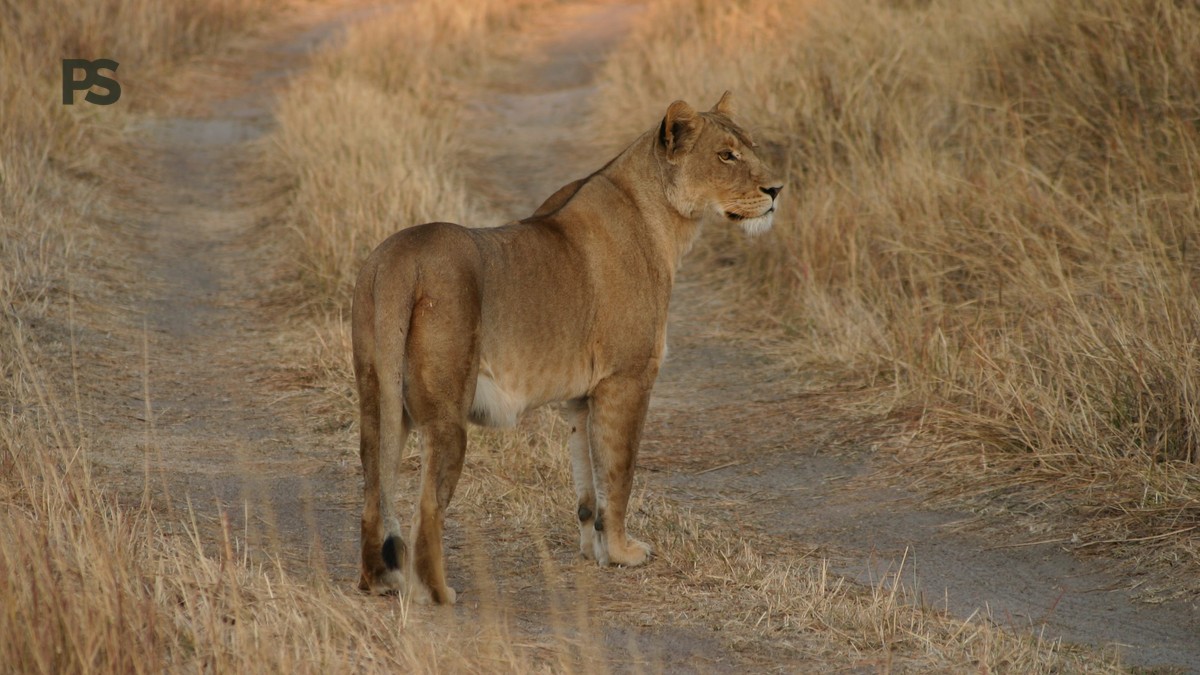
Here is the key difference. In the Masai Mara National Reserve, any vehicle with a valid ticket can drive anywhere. On a busy day, you might share a lion sighting with twenty other cars. In a conservancy, the vehicle numbers are strictly limited. There is a rule of one vehicle per sighting. You get a private experience.
The fees also fund local communities. Conservancies are owned by Maasai landowners who lease their land for wildlife. Your money goes directly to supporting pastoralist families. The wildlife corridors between the reserve and the conservancies stay open, which keeps animal populations healthy.
For first-timers, I recommend a mix. Spend a couple of nights in the reserve for the iconic Mara experience. Then move to a conservancy for the quieter game drives. This combination gives you both sides of the story.
What Park Fees Do Not Include
This is where many travelers overspend. Park fees cover entry only. They do not include:
- Vehicle hire or fuel
- A guide or driver
- Accommodation (though some lodges bundle park fees into their rates)
- Meals and drinks
- Tips for guides and camp staff
- The mandatory ranger escort in some parks like Nairobi National Park
- Camera fees (some parks charge extra for professional video equipment)
Ask your tour operator for a full breakdown. A good operator will list park fees separately in your quote. A bad one will lump everything into one number and not explain it.
Vehicle Fees and Guide Costs
Vehicles also pay entry fees in most parks. A standard safari van or Land Cruiser pays around USD 60 to 100 per day, depending on the park. This is per vehicle, not per person. It is usually included in your safari package.
A professional guide with a vehicle costs roughly USD 150 to 300 per day, depending on the season and the vehicle type. This includes the guide, the car, fuel, and the driver’s accommodation. For independent travelers arranging their own transport, this is a significant cost.
If your budget is tight, consider a group safari. Group rates spread the vehicle cost across more people. You lose some flexibility, but you save money.
Sample Safari Totals
Let me give you two concrete examples so you can see how the fees stack up. These are indicative totals for park entry only, not accommodation or transport.
Example 1: Nairobi National Park Day Trip
One adult, one day entry. No overnight stay.
| Item | Cost |
|---|---|
| Park entry (1 adult, 1 day) | USD 80 |
| Vehicle fee | USD 60 |
| Guide and vehicle hire (approx) | USD 150 |
| Total | ~USD 290 |
This is a realistic cost for a half-day trip from Nairobi. It is the cheapest way to see wildlife in Kenya, with lions, rhinos, and giraffes right on the city’s doorstep.
Example 2: Amboseli and Masai Mara, 5 Nights
This is a classic two-park itinerary. The drive from Nairobi to Amboseli takes roughly 4 hours. From Amboseli to the Mara is about 6 hours, or you can fly between the parks in about an hour.
| Item | Per Adult |
|---|---|
| Amboseli (2 nights, 3 days @ USD 90) | USD 270 |
| Masai Mara (3 nights, 4 days @ USD 100 low season) | USD 400 |
| Conservancy fees (3 nights @ USD 100) | USD 300 |
| Total park and conservancy fees | USD 970 |
In high season, the Mara portion jumps to USD 800. The total becomes USD 1,370 per adult. Add accommodation, transport, and meals, and a realistic budget for this safari is USD 3,500 to 4,500 per person in low season, or USD 4,500 to 5,500 in high season, excluding international flights.
Tips for Saving on Park Fees
You can reduce your park fee bill without sacrificing the experience. Here are the strategies I use with my own clients.
Travel in low season. June and October have lower fees in the Mara and fewer crowds. The wildlife is still abundant. You might not see a river crossing, but you will see plenty of predators.
Combine conservancies and the reserve. Conservancy fees are per night. Reserve fees are per day. A typical stay is 3 nights in a conservancy and 1 or 2 days of reserve entry. This balance keeps costs down and quality high.
Stay outside the park. If you are on a tight budget, stay in a town like Narok or Namanga and drive into the park for day trips. You save on accommodation. You spend more on transfers. This only works if you are comfortable with early starts and long drives.
Ask about child rates. Many lodges and conservancies offer significant discounts for children. Some have family packages that include entry fees. Always ask before booking.
Frequently Asked Questions
Are Kenya park fees per day or per entry?
Per day. A day means 24 hours from entry. If you stay overnight inside the park, you pay for another day when the first 24 hours lapse.
Do park fees include a vehicle or guide?
No. They cover the person’s entry only. Vehicle and guide costs are separate.
Is Masai Mara more expensive than other parks?
Yes, especially in high season from July to December. It is county-run and uses its pricing to manage visitor numbers.
Can I pay park fees with a credit card?
At most major gates, yes. But carry some USD cash as backup. Smaller gates and conservancies sometimes prefer cash.
What is the cheapest way to see wildlife in Kenya?
Nairobi National Park at USD 80 per adult is the cheapest day trip. For a longer safari, a group tour in low season is the best value.
Are conservancy fees worth it?
For the experience, yes. The vehicle limits mean you will not fight for space at sightings. For the budget, they add USD 80 to 150 per night, so weigh the value yourself.
The Plain Safaris Difference
I have driven these roads hundreds of times. I know which gate at the Mara has the shortest queue at dawn. I know which Amboseli lodge has the best view of Kilimanjaro from the breakfast table. I know when the grass in the Mara gets so long that you will struggle to spot a lion.
This knowledge is what a good tour operator brings you. We do not just book a lodge and hand you a ticket. We plan your route around the fees, the seasons, and the animal movements. We make sure you are not paying for a day entry you will not use. We bundle your conservancy fees correctly so you do not pay twice.
There is also the practical side that most first-timers forget. Some areas have limited ATM access, so it helps to know whether rain ruins a safari before you pack. You should also check ATM access at remote safari camps so you are not caught without cash for tips. And if you want to extend your trip to the coast, the SGR train between Nairobi and Mombasa is an affordable and scenic option.
Plan Your Kenya Safari With Confidence
You now have the real numbers. You know what park fees cost, what they cover, and how to budget for a conservancy stay. The next step is turning this into a trip.
Tell us where you want to go and how many days you have. We will build an itinerary that fits your budget, with clear pricing and no hidden extras. We will handle the park bookings, the conservancy reservations, and the vehicle arrangements. You just show up and enjoy the wildlife.
Reach out to Plain Safaris and start planning your safari today.