
You have booked the flights. The kids are excited. This Kenya safari malaria guide for French speakers answers the question every French-speaking family asks us: do we really need malaria pills for a Kenya safari?
The short answer is yes, for most itineraries. But the longer answer is more useful. Some of the best wildlife areas in Kenya are actually low risk. And with the right planning, you can build a safari that keeps your family safe without turning the trip into a pharmacy routine.
I have driven these roads for years. I know which conservancy gates to use, how long the drive takes from Nanyuki to Lewa, and which lodges are honest about their malaria policy. This guide gives you the practical details that generic travel clinic websites do not have.
Kenya Safari Malaria Guide for French Speakers: Malaria Risk by Region and Season
Malaria transmission in Kenya depends mostly on altitude and rainfall. The highlands above 1,500 meters have very low risk. The coastal areas and lake regions have higher risk. The dry season from June to October has fewer mosquitoes than the wet seasons.
Here is a simple breakdown of the main safari regions:
| Region | Altitude | Malaria Risk | Best Safari Months |
|---|---|---|---|
| Nairobi area (1,795 m) | High | Low to very low | Year-round |
| Laikipia Plateau (1,700-2,000 m) | High | Low | June to March |
| Masai Mara (1,500-1,800 m) | High to medium | Low to moderate | July to October (migration) |
| Amboseli (1,150 m) | Medium | Moderate | June to October |
| Samburu (800-1,000 m) | Low | Higher | Year-round |
| Lake Nakuru (1,760 m) | High | Low | Year-round |
| Tsavo (300-600 m) | Low | Higher | June to October |
| Diani/Coast (sea level) | Very low | High | Year-round |
The key takeaway is simple. The classic highland circuit of Nairobi, Laikipia, and the Mara is lower risk than a coastal or Tsavo trip. That is good news for most family itineraries.
Malaria-Free and Low-Risk Safari Destinations
You can build a serious safari without ever entering a high-risk zone. The Laikipia Plateau and parts of the Mara ecosystem are low risk. Several private conservancies operate there.
I know these conservancies well. They offer excellent wildlife viewing and strict vehicle limits. Here are the ones we recommend for families worried about malaria:
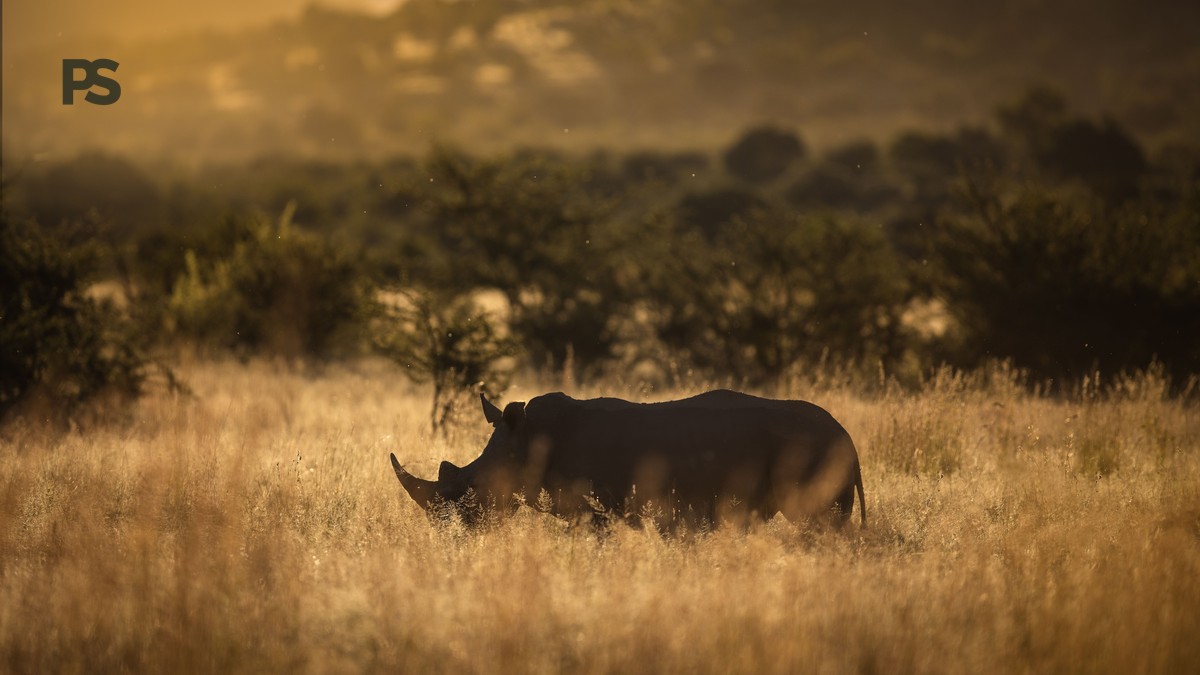
- Lewa Wildlife Conservancy: A rhino stronghold at around 1,700 to 2,000 meters. The air is cool and dry. Black rhino sightings are almost guaranteed.
- Loisaba Conservancy: Adjoins Lewa. Known for its open plains and starlit beds. Very low mosquito pressure in the dry season.
- Ol Pejeta Conservancy: Home to the last two northern white rhinos. Altitude above 1,700 meters. Family friendly with a education center.
- Naboisho Conservancy: In the Greater Mara, around 1,600 meters. Low vehicle density and excellent predator viewing. Roughly USD 80 to 150 per person per night bundled into your lodge rate.
- Mara North Conservancy: Also in the Greater Mara. Similar altitude and risk profile. Excellent for walking safaris with older kids.
These conservancies are not malaria free in a strict medical sense. But the risk is much lower than the reserve floor or the coast. Most travelers use these areas without prophylaxis and rely on repellent and long sleeves at dusk.
Is the Masai Mara a Malaria Zone?
This is the most common question I get. The Masai Mara National Reserve sits at 1,500 to 1,800 meters above sea level. That puts it in the low to moderate risk category.
The reserve floor near the Talek and Mara rivers has more cover and standing water. The rolling hills and open plains have less. Most cases are rare but they do occur.
Here is the honest trade off. The Mara has the densest wildlife, especially during the migration from July to October. But the conservancies like Naboisho and Mara North sit on the same ecosystem with lower risk and fewer vehicles. You see the same wildebeest crossing patterns, just with more space.
For families, I usually recommend the conservancies. The lodges there also tend to have better child policies. You can still visit the reserve on a day trip from your conservancy base.
Choosing a Prophylaxis Medication: Malarone vs Doxycycline vs Lariam
This is a personal medical decision. You must discuss it with your doctor. But I can give you the practical differences that travelers actually care about.
| Medication | Dosing | Common Side Effects | Typical Course Cost (FR/BE/CH) | Notes for Families |
|---|---|---|---|---|
| Malarone (atovaquone/proguanil) | Daily, 1 day before to 7 days after | Mild nausea, headache, vivid dreams | EUR 40 to 80 for 2 weeks | Best for kids over 5 kg. Shortest course. |
| Doxycycline | Daily, 2 days before to 4 weeks after | Sun sensitivity, stomach upset | EUR 10 to 20 for 3 weeks | Not for kids under 8. Must take with food and water. |
| Lariam (mefloquine) | Weekly, 2 weeks before to 4 weeks after | Anxiety, sleep disturbance, dizziness | EUR 25 to 45 for 3 doses | Avoid for kids with anxiety history. Less common now. |
Malarone is the most popular choice for families. The short course means you stop taking it only one week after returning home. Doxycycline is cheaper but requires four full weeks after your trip, which is easy to forget.
Lariam is rarely prescribed now in France or Switzerland due to neuropsychiatric side effects. I would not choose it as a first option, especially with children.
Standby Treatment vs Continuous Prophylaxis
Your doctor may offer a standby treatment. This is a full course of antimalarial medication to carry with you. You take it only if you have fever and cannot reach a doctor within 24 hours.
This is not a replacement for prophylaxis. It is a backup plan. It works well for low risk areas like the Laikipia highlands.
When would I choose standby over daily pills? For a week-long safari entirely above 1,700 meters, in the dry season, with a family that hates pills. That is a reasonable conversation with your doctor.
For any itinerary that includes Samburu, Tsavo, or the coast, I would take daily prophylaxis. The risk is simply too high to rely on standby.
Where to Get Travel-Medicine Advice Before Departure
In France, Belgium, and Switzerland, you have reliable options. Do not rely on web forums alone.
- France: Your general practitioner or a travel clinic at Institut Pasteur in Paris. Consultations cost about EUR 30 to 50, partially reimbursed by Assurance Maladie.
- Belgium: Your GP or the Institute of Tropical Medicine in Antwerp. Costs around EUR 40 to 60.
- Switzerland: Your GP or a travel medicine center at a university hospital. Costs around CHF 50 to 100, not always covered by basic insurance.
Book your appointment at least six weeks before departure. This gives time for any vaccines that need multiple doses.
Cost of Malaria Medication in France, Belgium, and Switzerland vs Kenya
Buy your medication before you leave. Do not wait to buy it in Kenya.
In France, Malarone is available by prescription. The cost varies by pharmacy but a two-week course is usually EUR 40 to 70. Doxycycline is much cheaper, around EUR 10 to 20. In Switzerland, expect to pay 20 to 30 percent more.
In Kenya, you can buy Malarone at pharmacies without a prescription. The price in Nairobi is roughly KES 2,000 to 3,000 per pack of 12 tablets. That is about EUR 15 to 20 per pack, which might seem cheap. But the sourcing is not always reliable. Counterfeit drugs are a real problem.
Bring enough from home. Pack it in your carry on. If you need a refill, use a reputable pharmacy in Nairobi, such as those attached to Aga Khan Hospital or Nairobi Hospital.
Yellow Fever and Other Recommended Vaccinations
Yellow fever vaccination is not mandatory for Kenya unless you arrive from a country with yellow fever risk. But it is strongly recommended. The vaccine provides lifelong protection.
For families, the yellow fever vaccine is approved for children older than 9 months. Your doctor can confirm.
Other recommended vaccinations include:
- Hepatitis A and B
- Typhoid
- Tetanus, diphtheria, poliomyelitis (booster)
- Rabies for longer trips or if you plan to cycle or run in rural areas
For children, the standard schedule applies. Bring vaccination records with you in case of a medical consultation.
Malaria Prevention for Families and Children
Traveling with kids changes everything. Here is my practical advice from years of guiding families.
First, choose your itinerary based on risk. The highlands and Mara conservancies are your friend. A typical family week looks like this: two nights in Nairobi, three nights in Lewa or Ol Pejeta, three nights in Naboisho or Mara North. That is about 1,500 kilometers of driving over the whole trip. Most legs are comfortable 3 to 5 hour drives, except the transfer between Lewa and the Mara conservancies, which takes 7 to 9 hours by road. Many families fly this leg instead in under an hour.
Second, use insect repellent with DEET for children over 2 months. Use nets at night, even in low risk lodges. Most lodges provide nets, but I always bring one from a camping shop.
Third, dress in long sleeves and trousers from dusk until dawn. This is non negotiable in any risk zone.
Fourth, for babies and small children under 5 kg, Malarone is not approved. You need a pediatric infectious disease specialist before travel. In many cases, the safest option is to avoid high risk areas entirely. Stick to Nairobi, Laikipia, and the Mara conservancies.
One more thing. The day time risk is low. Anopheles mosquitoes bite mainly between dusk and dawn. You do not need repellent during a noon game drive, but you do need it for sundowners and the lodge dinner.
Travel Insurance and Medical Evacuation Coverage
A safari in Kenya requires evacuation insurance. This is not optional. A helicopter evacuation from a remote conservancy costs USD 5,000 to 15,000 depending on distance.
Check your existing policy. Many European health insurance plans do not cover Kenya. You need a dedicated travel policy with medical evacuation coverage.
For French speakers, look for plans from companies like ACS, Chapka, or Swisscare. Expect to pay EUR 30 to 80 per person for two weeks. Make sure the plan covers both medical treatment and evacuation to Nairobi or back to Europe.
We also have our own arrangements with emergency services in Kenya. Our drivers carry satellite phones and know the closest airstrips. But insurance is still your first line of defense.
FAQ: Quick Answers for the Road
Do I really need malaria pills for a Kenya safari? Yes for most itineraries. The exception is a trip entirely above 1,500 meters, like Nairobi, Laikipia, and the Mara conservancies in the dry season. Talk to your doctor.
Is the Masai Mara a malaria zone? Low to moderate risk. The conservancies are safer than the reserve floor. Use prophylaxis or be very strict with repellent.
Malarone or Doxycycline? Malarone for families and short trips. Doxycycline for budget travelers who do not mind a longer course.
Is yellow fever vaccine obligatory? Not if you come directly from Europe. Strongly recommended anyway.
Can I bring my kids? Yes, absolutely. Choose highland itineraries and use pediatric-specific advice.
The Plain Safaris Difference
We do not just sell a safari. We guide it ourselves. I have driven every road mentioned in this article. I know the exact gate at Loisaba that avoids the crowded reserve entrance.
When you book with us, we send you a pre departure health briefing that includes your specific itinerary risk map. We do not just hand you a generic PDF. We work with your family doctor if you want. We can also adjust the itinerary to reduce risk without losing the big cats.
We keep vehicle numbers low on purpose. In Naboisho, you might see one or two other vehicles at a sighting, not twelve. At Lewa, you might have a rhino sighting completely to yourselves. That matters when you have small children who lose patience quickly.
Our lodges are chosen for child friendly policies, not just luxury. Some of our favorites include Lewa Safari Camp for its family cottages and Mara North’s Kicheche camps for their dedicated kids’ activities.
We also handle all the logistics. Park fees, conservancy fees, and boat rides are bundled into our quotes. No surprise costs at the gate.
Plan Your Family Safari With Us
You have the medical knowledge now. Let us handle the roads, the tents, and the game drives. Tell us your family’s travel dates and whether you prefer Lewa or the Mara first.
We will send a sample itinerary with real drive times, lodge options, and a clear cost sheet. You can adjust the pace and the parks until it feels right for everyone.
Contact us through our Kenya safari tour page or any of our safari packages. We will take it from there. For a shorter trip, see also our honeymoon safari Kenya guide for French speakers. If you travel with German speaking friends, point them to our malaria guide for German speakers. And if you need to budget first, our Kenya safari budget planner is a good start.