
My father-in-law did his first game drive at 74, with a new hip and a lot of doubt in his voice the night before. He was fine. But the trip only worked because we cut the driving, picked flat camps, and stopped trying to see everything.
That’s really what this comes down to. A safari for elderly parents Kenya trip is realistic for most people, even with a cane, a pacemaker, or a recent surgery. It just needs a different plan than the one built for a 30-year-old chasing every park in ten days.
Safari for Elderly Parents Kenya: Is It Realistic and Safe?
Yes, for most travelers who can manage a short walk and a car transfer. The bigger risk isn’t the wildlife. It’s fatigue from long drives, rough roads, and altitude changes between camps.
Nairobi sits at about 1,795 meters. The Maasai Mara sits lower, around 1,500 to 2,100 meters depending on the exact camp. Neither altitude is usually a problem, but combine it with a 6-hour drive and heat, and an 80-year-old can be wiped out by dinner.
Talk to a doctor first if your parent has heart disease, COPD, or a recent joint replacement. Most conditions are manageable with the right pacing. Very few rule out a trip entirely.
Choosing Senior-Friendly Parks and Circuits
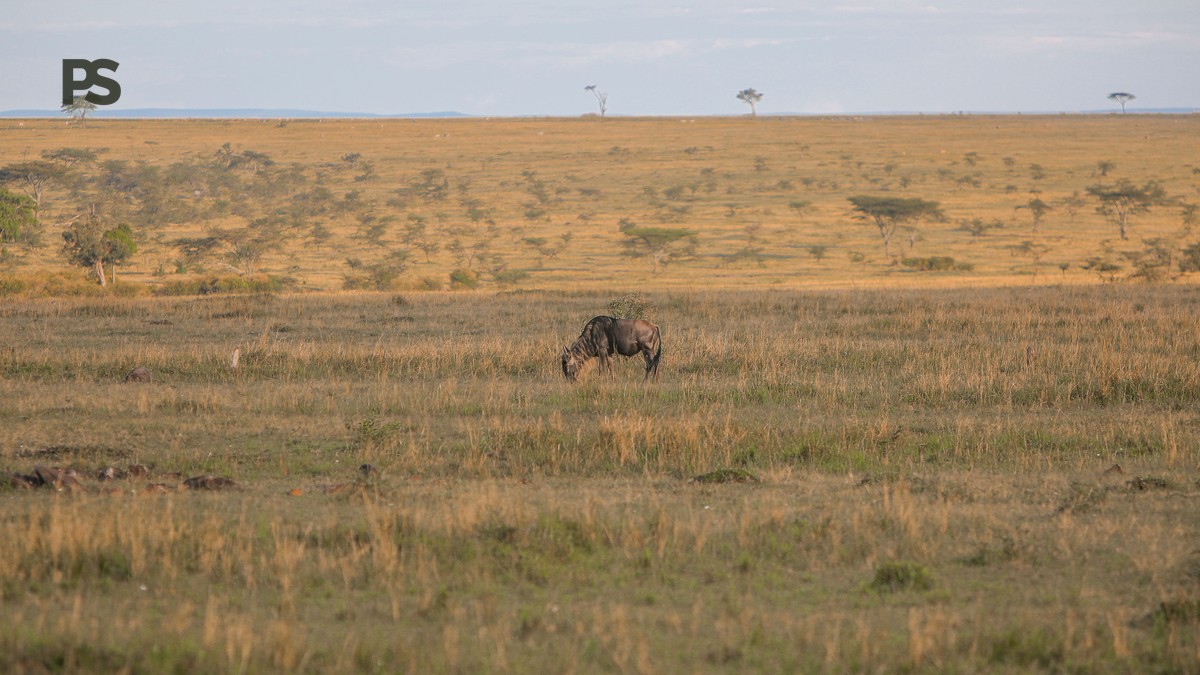
Not every park suits older travelers equally. Amboseli has flat, open terrain and short distances between viewing areas, with Mount Kilimanjaro as a backdrop most mornings. The Maasai Mara is bigger and the roads inside the reserve get rutted after rain, but private conservancies on its edge, like Naboisho and Mara North, cap vehicle numbers and keep drives shorter.
Lake Nakuru is compact and close to Nairobi, good for a gentler add-on day. Samburu, further north, has beautiful terrain but a longer road transfer that’s tough on an older back.
The pattern that works: two, maybe three camps in seven to nine days, not five camps in the same week. Every extra camp means another packing day and another transfer.
Flying Safaris vs. Road Transfers to Reduce Fatigue
This is the trade-off nobody selling a Kenya safari wants to spell out. Flying between camps costs more, often USD 150 to 300 per person per leg on scheduled carriers like Safarilink or AirKenya out of Wilson Airport. A private road transfer between Nairobi and the Mara runs closer to USD 150 to 250 for the whole vehicle, split across the group.
But a 45-minute flight to the Mara replaces a 5- to 6-hour drive on a road that shakes the fillings loose. For a parent with a bad back or a fused spine, that difference isn’t comfort, it’s the difference between enjoying day three and spending it in bed.
My advice: budget for at least one flight leg on any circuit longer than five days, even if it means driving the shorter Nairobi-to-Amboseli stretch to save money. Read more on flying between camps instead of driving if you want the full picture on aircraft size and safety records.
| Route | Distance from Nairobi | Road Drive Time | Flight Time (from Wilson) | Non-Resident Park Fee |
|---|---|---|---|---|
| Amboseli National Park | 240 km | 4 to 5 hours | 40 minutes | USD 90/adult/day |
| Maasai Mara National Reserve (Sekenani Gate) | 270 km | 5 to 6 hours | 45 minutes | USD 100/adult/day (Jan-Jun), USD 200/adult/day (Jul-Dec) |
| Naboisho / Mara North Conservancy | approx. 275 km | 5 to 6 hours | 45 minutes | approx. USD 80-150/person/night, bundled into lodge rate |
| Lake Nakuru National Park | 160 km | 3 hours | rarely flown | USD 90/adult/day |
| Samburu National Reserve | 325 km | 6 hours | 1 hour | indicative USD 70-100/adult/day, confirm at booking |
Senior-Friendly Lodges and Accessible Room Features
“Senior-friendly” on most operator websites just means slower pacing, not actual mobility support. Ask three things before booking: how many steps to the tent or room, how far the walk is to the dining area, and whether golf carts or staff assistance are available at night.
Camps built on level ground work best. Ol Tukai Lodge in Amboseli has single-story cottages on flat paths with no stairs between rooms and the main lodge. Sarova Mara Game Camp sits on level riverine forest floor, with tents a short, flat walk from the dining tent. Governors’ Il Moran Camp, in the Mara Triangle, also keeps its tents at ground level along the river.
Camps built into a hillside or escarpment, however beautiful, often mean 40 or more steps between the room and dinner. That’s worth asking about directly rather than assuming from photos.
Expect to pay an indicative USD 450 to 750 per person per night, full board, for mid-to-upper camps with genuinely flat layouts. Confirm exact rates at booking, since they shift with season and availability.
Adapting Game Drives for Comfort
Two shorter drives beat one long one. A 2.5-hour morning drive and a 2-hour evening drive, with a proper rest at midday, keeps most older travelers comfortable without missing much wildlife. Predators are most active early and late anyway.
Ask your operator for a vehicle with a step or running board, grab handles, and a front passenger seat if getting in and out is hard. Some camps can supply a cushioned seat or a stool for photo stops. None of this is standard, so request it when you book, not on arrival.
Skip full-day drives with a packed lunch in the bush unless your parents genuinely want the adventure. It sounds romantic. After six hours in a vehicle, most people just want a bathroom and a bed.
Health Precautions, Vaccinations, and Travel Insurance
Yellow fever vaccination isn’t required for direct flights from the US, UK, or most of Europe, but is recommended if your itinerary includes a stopover in a country where it’s endemic. Check current requirements before you book flights.
Malaria prophylaxis is worth discussing with a doctor. Malarone and doxycycline are common choices, but both interact with some heart and blood-thinner medications, so this needs a real conversation, not a pharmacy counter decision. Amboseli and the Mara are both malaria zones.
Travel insurance with medical evacuation cover matters more here than almost anywhere else. AMREF Flying Doctors offers short-term membership for around USD 40 to 60 that covers emergency evacuation to Nairobi hospitals. Most standard travel policies don’t include this by default, so check the fine print. It’s also worth understanding cancellation and deposit terms if health plans change, since medical issues are the most common reason older travelers cancel or postpone.
Packing List for Elderly Travelers
- Compression socks for the long-haul flight
- A printed list of medications with dosages, plus extra doses in carry-on
- A lightweight, foldable walking stick or trekking pole
- Wide-brimmed hat and high-SPF sunscreen, since the equatorial sun is stronger than it feels
- A basic first aid kit with blister plasters and rehydration salts
- Binoculars with a neck strap rather than a heavy camera around the neck all day
- A small cushion or lumbar support for vehicle seats
Managing Dietary Needs and Medication on Safari
Most camps handle diabetic, low-sodium, and soft-food diets without trouble if you tell them at least two weeks ahead. Kitchens are used to requests, but they need notice to stock the right ingredients in a remote location.
Bring medication in original packaging with a doctor’s note, especially for anything injectable or controlled. Pack a full spare set in a second bag in case one gets lost in transit. Refrigeration for insulin is usually available on request, but confirm it with the camp directly rather than assuming.
Choosing a Tour Operator Experienced With Elderly Guests
Ask a direct question: how many trips has this operator run for guests over 70 in the last year? A vague answer is a warning sign. A specific one, with camp names and what changed for that group, tells you they’ve actually done it.
Also ask who handles a medical issue mid-trip. A good operator names a specific hospital in Nairobi (Aga Khan University Hospital and Nairobi Hospital are the two most used) and explains how evacuation actually works, not just that it’s “covered.”
Sample Senior-Friendly Kenya Itinerary
- Day 1-2: Arrive Nairobi, rest, short Nairobi National Park visit if energy allows
- Day 3-5: Fly to Amboseli, flat terrain, Kilimanjaro views, two short drives a day
- Day 6-8: Fly to Naboisho Conservancy for a low-drive Maasai Mara and Amboseli circuit, low vehicle density, short game drives
- Day 9: Fly back to Nairobi, rest day before international departure
This keeps total road time under three hours for the whole trip, with two flight legs replacing what would otherwise be nine or more hours of driving.
The Plain Safaris Difference
We don’t sell “senior-friendly” as a slogan. When you tell us your parents’ actual mobility needs, we name the specific camps that fit, tell you the real step count where we know it, and say plainly when a camp isn’t a good match rather than talking around it.
We’ll also tell you honestly when a flight leg is worth the extra cost and when a shorter road transfer is fine. That’s not always the more expensive answer, and we’d rather get it right than upsell it.
FAQs About Kenya Safaris With Elderly Parents
Is a Kenya safari safe for elderly parents? Generally yes, with medical clearance for existing conditions and a pace that avoids long drives and heat exposure.
Should elderly travelers fly or drive between camps? Fly where the budget allows, especially for the Nairobi-Mara leg. It cuts a 5- to 6-hour drive to under an hour.
Can someone with a hip or knee replacement go on safari? Usually yes, once healed and cleared by their surgeon. Choose ground-level camps and shorter game drives.
How long should game drives be for elderly travelers? Two to three hours per drive, with a rest between morning and evening sessions, works well for most people.
Is Maasai Mara or Amboseli easier for elderly travelers? Amboseli is flatter with shorter distances between sights. The Mara conservancies come close if you pick a camp on level ground.
How much does a senior-friendly Kenya safari cost? Indicative range: USD 450 to 750 per person per night for accessible mid-to-upper camps, plus USD 150 to 300 per flight leg.
Plan the Trip With Us
If you’re weighing camps, drive times, or whether a flight leg makes sense for your parents, we’re happy to work through it with you. Take a look at our Kenya safari packages or get in touch through our contact page to start building an itinerary that actually fits their pace.