
You have dreamed of big cats in golden light and the Great Migration. A photography safari Kenya Hindi speakers can trust also needs to answer real worries: cost, food, and language.
This guide mixes photographer details with honest logistics for Indian travelers, covering seasons, gear, park fees, flights, visas, and vegetarian food.
Why Kenya for Wildlife Photography
Kenya offers unmatched access to wildlife. The Big Five are all present, the light is dramatic, and the landscapes are vast.
The Masai Mara hosts the Great Migration from July to October, when over a million wildebeest cross the Mara River.
Amboseli National Park offers Mount Kilimanjaro as a backdrop for elephant shots. Samburu is drier and quieter, with rare species like the reticulated giraffe. Tsavo East and West are wild and remote, with huge skies and red-dust elephants.
Kenya gives you variety in habitats, animals, and light.
Best Time of Year for Photography
January to February is the dry season in the Mara. Grass is short, animals gather at waterholes, and visibility is excellent.
July to October is migration season, the peak time. River crossings are dramatic, but parks get crowded and vehicle numbers can be high.
November to December brings the “short rains,” green landscapes, and nesting birds.
For golden-hour shots, the dry months are best, since dust in the air creates a warm glow. Amboseli is driest from June to October, when elephant herds are largest. Come in July or August for the migration, or February for quiet corners.
Camera Gear and Lenses for Safari
A safari vehicle is your studio.
- For big cats and birds, a 400mm or 500mm lens is essential.
- A 100-400mm zoom is flexible and easier to handle in a vehicle.
- A 24-70mm lens is useful for landscapes and camp scenes.
- A 1.4x teleconverter adds range when needed.
Prime lenses give sharper images at low light, while zooms help when an animal moves closer suddenly.
Skip the tripod, since there is no room in the vehicle. Use a beanbag instead. Bring a second camera body too, since dust and rain can kill a sensor, plus at least 12 memory cards and a portable hard drive for backups.
Dust is your enemy. The dry season fills the air with fine particles. Change lenses inside a dust-proof bag and use a rocket blower every evening. See our detailed guide on how dry-season dust affects your camera gear in Amboseli for cleaning steps.
Top Parks and Reserves for Photographers
Here is a comparison of the main parks for your itinerary.
| Park / Reserve | Main Subject | Best Months | Non-Resident Fee (USD/adult/day) | Drive from Nairobi |
|---|---|---|---|---|
| Masai Mara National Reserve | Great Migration, big cats | July-October | 100 (Jan-Jun) / 200 (Jul-Dec) | 5-6 hours via Narok |
| Amboseli National Park | Elephants, Kilimanjaro views | June-October | 90 | 4 hours via Emali |
| Samburu National Reserve | Rare species, dry landscape | Year-round | 60-75 (indicative range, confirm before booking) | 5-6 hours via Isiolo |
| Lake Nakuru National Park | Rhinos, flamingos | Year-round | 90 | 2.5-3 hours |
| Tsavo East / West | Red elephants, remote wilderness | June-October | 80 | 3-4 hours to Tsavo East |
| Naboisho Conservancy | Low vehicle density, big cats | Year-round | 80-150 (bundled with lodge) | 5-6 hours + 1 hour inside Mara |
The Mara fee changes with season, and the July-December rate of USD 200 covers the migration peak.
Naboisho and Mara North are private conservancies that limit vehicle numbers for clean backgrounds, with the fee bundled into your lodge rate. Conservancies often beat the main reserve for photographers, since you get closer and control the angle.
Vehicle Setup for Photographers
Your vehicle is your tripod, and the setup matters more than your lens.
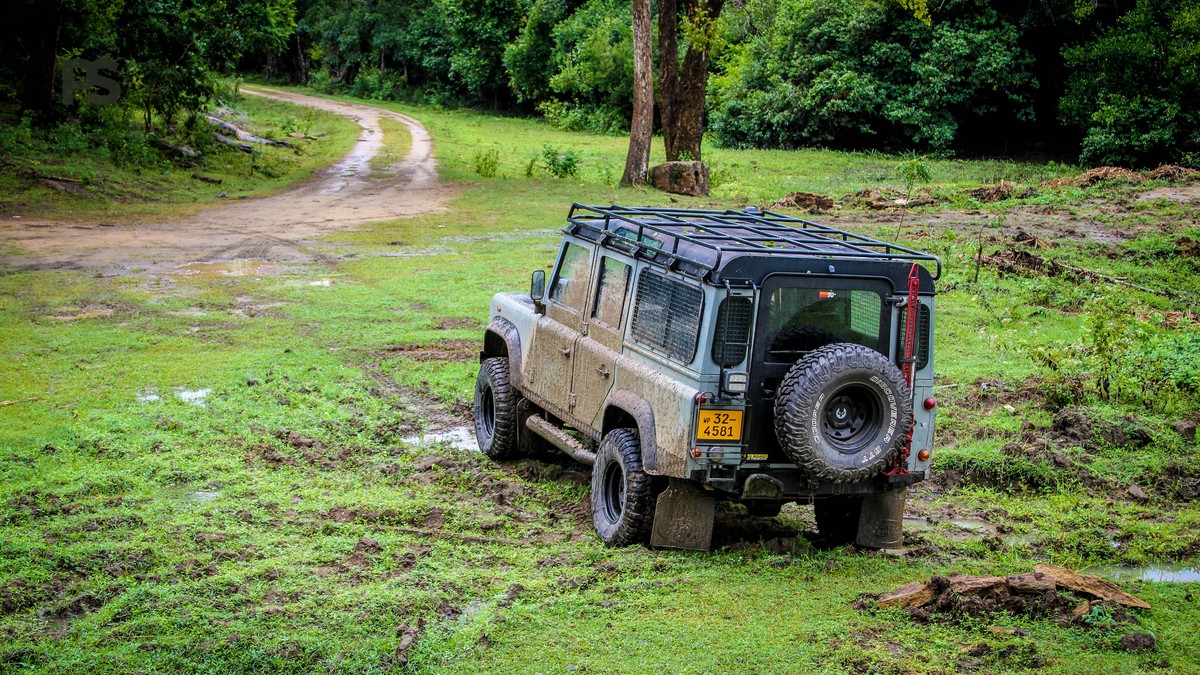
Pop-top roofs are essential. They let you stand and shoot over the vehicle, with 360-degree movement. Large sliding windows work well too, so ask for a padded window sill.
Beanbags are critical. Place one on the roof edge and rest your lens on it for sharp images at slow shutter speeds.
Guide to photographer ratio. Keep at most 4 photographers in one vehicle. With 6 people, you will fight for window space. Plain Safaris uses a maximum of 4 clients per vehicle on every photography trip, including our budget tier.
Getting close to animals. Kenyan vehicles can approach as close as the animals allow, with no fixed distance limit in most parks, though you must not block an animal’s path. A good guide positions for light and angle, often getting within 15 to 20 meters of the Big Five.
Photography Safari Kenya Hindi Speakers Should Budget For: Cost Breakdown from India
Here is the real cost of a photography safari Kenya Hindi speakers should budget for. Prices are in Indian Rupees (INR) and include park fees, 4×4 vehicle, guide, and full-board accommodation.
| Tier | Cost Per Person (7 nights) | Accommodation | Vehicle | Best For |
|---|---|---|---|---|
| Budget | INR 1,80,000 – 2,40,000 | Tented camps, shared bathrooms in some | Pop-top 4×4, shared with other guests, 4 clients | First-time safari |
| Mid-Range | INR 2,80,000 – 3,80,000 | Permanent tents, private bathroom | Pop-top 4×4, private vehicle, 4 clients | Serious hobbyists |
| Luxury | INR 4,50,000 – 7,00,000 | High-end lodges, private conservancy | Private pop-top 4×4, 2 clients | Professional photographers |
These are indicative ranges that vary with season, and July to October costs more. Every tier keeps to our 4-client cap. The Budget vehicle is shared with other guests, while Mid-Range and Luxury vehicles are private to your group.
The biggest cost is park fees, often over USD 1,000 for a 7-night safari. Internal flights add more, and Nairobi to the Mara runs about USD 250 one way.
Flights and Routes from India to Kenya
Mumbai has a direct flight to Nairobi. Kenya Airways and IndiGo both fly this route nonstop, taking around 6 hours 15 minutes.
From Delhi: No direct flight exists. Emirates via Dubai or Qatar Airways via Doha both work well.
From Bengaluru or other cities: Fly via Dubai, Doha, or Abu Dhabi, or connect through Mumbai for the direct sector. Total travel time runs about 8 to 10 hours plus layover.
See our full breakdown of best airlines and layover routes to Kenya. Book early, since peak season flights fill up 4 to 5 months ahead.
Visa and Health Requirements for Indian Travelers
Indian passport holders need travel authorization for Kenya. Since January 2024, Kenya has used an eTA, replacing the older eVisa.
The cost is USD 30 per applicant. Apply online at etakenya.go.ke with a passport valid for 6 months, a recent photo, proof of accommodation, and return tickets. Processing takes 3 to 7 working days, so apply at least 2 weeks ahead.
Yellow fever rules depend on where you have traveled. Kenya requires the certificate only from travelers arriving from, or transiting more than 12 hours through, a country with yellow fever risk. India is not on that list, so a direct flight from Mumbai or Delhi does not require it.
If your route includes a stopover in a risk country, or you continue to Tanzania, Uganda, or elsewhere in East Africa afterward, check that leg separately. See our yellow fever certificate requirements to confirm your route. Where it applies, the certificate must be issued at least 10 days before arrival.
Kenya does not require a malaria test, but antimalarial medication is strongly advised.
Vegetarian and Jain Food at Camps
This is a common worry for Indian travelers, but you will be well fed. Most safari camps understand Indian dietary needs and serve vegetarian meals daily.
- Rice and dal are common staples.
- Fresh vegetables, often stir-fried.
- Paneer is available at most mid-range and luxury camps.
- Fresh fruits and salads at every meal.
- Breakfast includes eggs, toast, and porridge.
Jain food needs more planning, since many Jains avoid root vegetables and onions and not all camps can handle this. Tell your operator in advance so Plain Safaris can confirm with each camp.
Bring your own snacks too, such as noodles or tetra-pack curries, as backup. Tea, coffee, and fresh chapati on request are common.
Language Support for Hindi-Speaking Travelers
Most safari guides in Kenya speak English and Swahili. There are no native Hindi-speaking guides in the bush. Do not trust an agency that promises one.
Plain Safaris instead arranges a dedicated Hindi-speaking coordinator, who stays with you via WhatsApp throughout the trip, handling camp check-ins, translating emergencies, and explaining park rules in Hindi.
Your English-speaking guide still runs the game drives. The coordinator handles your comfort off the vehicle.
Sample Itinerary for 8 Days
Day 1-2: Nairobi. Arrive, rest, and visit the Giraffe Centre or Nairobi National Park.
Day 3-4: Amboseli National Park. Drive 4 hours from Nairobi. Photograph elephants against Kilimanjaro, especially at sunrise.
Day 5-7: Masai Mara. Fly from Amboseli or drive via Nairobi. Stay in a private conservancy like Naboisho and track big cats at golden hour.
Day 8: Fly back to Nairobi and depart.
For a longer trip, add Samburu to the north, a 5-hour drive from Nairobi.
The Plain Safaris Difference
We know photography is not a hobby. It is a way of seeing.
Every Plain Safaris vehicle has a pop-top roof and beanbags. Every camp is chosen for its position at the golden hour.
We limit our photography groups to 4 guests per vehicle, on every tier from Budget to Luxury. We position the vehicle for light, not just the animal sighting.
We also handle the Indian logistics. We confirm vegetarian food with every camp and arrange your Hindi-speaking coordinator before you land.
We know which camp sits closest to the river crossing, and which corner of the Mara is empty at first light.
Frequently Asked Questions
Do Kenya safari camps offer Hindi-speaking guides?
Not in the bush. Plain Safaris provides a Hindi-speaking coordinator via WhatsApp instead.
What is the visa process for Indian travelers?
Apply for the Kenya eTA online at etakenya.go.ke. Cost is USD 30. Allow 2 weeks for processing.
Do Indian travelers need a yellow fever certificate?
Not for a direct flight from India. Kenya only requires it if you arrive from, or transit more than 12 hours through, a country with yellow fever risk.
Are there direct flights from India to Kenya?
Yes, Mumbai connects directly to Nairobi on Kenya Airways and IndiGo, in around 6 hours 15 minutes. Other cities need a layover, usually via Dubai, Doha, or Abu Dhabi.
Plan Your Kenya Photography Safari with Plain Safaris
You know the costs, the gear, and the seasons. Now you need a partner who understands photography and Indian travel needs.
We build itineraries around the light. We book camps near the action. We confirm your food before you arrive, and we keep a Hindi-speaking coordinator on WhatsApp for you.
Let us plan your photography safari Kenya Hindi speakers trust, matched to your lens list and your comfort.
Contact our team through the Kenya photography tour package page. We will reply within 24 hours with a detailed quote.