
If you are a first-time safari traveler, maasai market shopping souvenirs french speakers ask about can feel like a puzzle. That puzzle often starts before you leave the hotel. You may have seen photos of beaded necklaces, red shukas, and carved animals. You may not know where the market is, what day it opens, or what a fair price looks like.
This guide is a practical field plan, not a glossy souvenir list. It covers the rotating venue, realistic prices in Kenyan shillings, respectful bargaining, and useful phrases in French, English, and Swahili.
What Is the Maasai Market and Where Is It Held in Nairobi?
The Maasai Market is a rotating open-air craft market, not one permanent shop. Its venues commonly include the High Court or Law Courts area in central Nairobi, Village Market in Gigiri, Junction Mall, and Yaya Centre. Other mall or parking locations also host it at times. The venue changes by day. Confirm it locally before travelling.
In French, say simply le marché maasaï. It is not one building with one address. Many visitors search a map for a fixed point and find nothing there. Your hotel front desk, safari driver, or a Plain Safaris coordinator can confirm the current venue before you leave.
Maasai Market Shopping Souvenirs French Speakers Should Plan Around
Plan around the venue closest to your itinerary. Then verify that day’s location and hours before leaving, because published schedules differ. Saturday at the CBD or High Court area is often described as the largest session. Village Market and other malls can be easier choices. They suit travellers who prefer parking, security, toilets, and a calmer visit.
The table below is a commonly cited schedule, not an official timetable. Venues can move on short notice.
| Commonly cited venue | Often associated day | Approximate drive from Nairobi city centre | Trade-off |
|---|---|---|---|
| High Court or Law Courts car park, CBD | Saturday | 0 km if you start downtown | Sharpest bargaining, largest crowds, limited parking |
| Village Market, Gigiri | Friday, confirm first | 10 km, 30 to 50 minutes by car | Calmer, secure parking, good food and toilets |
| Junction Mall, Ngong Road | Thursday, confirm first | 8 km, 25 to 40 minutes by car | Easier with children, less street pressure |
| Yaya Centre, Hurlingham | Sunday, confirm first | 6 km, 20 to 35 minutes by car | Relaxed layout, useful for airport-day shopping |
Drive times assume light traffic. Nairobi rush hour can double them. Avoid a late afternoon market stop before an evening flight.
The CBD Saturday market can feel overstimulating for a first-time visitor. Mall locations usually feel easier. Combining Maasai Market shopping with a Giraffe Centre visit works well if you want both in one morning. Pick Yaya Centre or Junction Mall for this pairing. For a longer Nairobi day, add Nairobi National Park. Its current KWS non-resident entry fee is USD 80 per adult per day.
Which Maasai Market Shopping Souvenirs French Speakers Buy Most
Common purchases include beaded bracelets and necklaces, Maasai shukas, and kikoy wraps. Shoppers also look for kiondo sisal bags, leather sandals, soapstone carvings, wood carvings, paintings, and Kenyan coffee. Compare several stalls before buying, especially for jewellery and carvings. Similar-looking items can vary in quality and materials.
Look for these useful items:
- Beaded bracelets, necklaces, and earrings with leather backing or metal wire
- Maasai shukas, often red, blue, or checked cotton blankets
- Kikoy wraps, light enough to use as a scarf, sarong, or table cover
- Kiondo baskets woven from sisal, often with leather trim
- Handmade leather sandals, some with recycled tire soles
- Small soapstone bowls, animals, and serving spoons
- Paintings, printed fabric, Kenyan coffee, tea, and spices
A kikoy packs flat and weighs less than a heavy carving. A beaded bracelet set is easy to carry. Large wood carvings look beautiful, but they can add weight and take up luggage space.

How Much Do Maasai Market Souvenirs Cost?
After bargaining, expect to pay about KES 200 to 500 for a beaded bracelet. A necklace runs KES 500 to 1,500, and a shuka runs KES 500 to 1,000. Kikoy wraps cost KES 400 to 800. Small carvings cost KES 500 to 1,500. Leather sandals cost KES 800 to 2,500. Treat these as planning ranges, not fixed tariffs.
| Souvenir | Typical negotiated price in KES | What affects the price |
|---|---|---|
| Beaded bracelet | 200 to 500 | Glass bead size, width, clasp quality |
| Beaded necklace | 500 to 1,500 | Length, number of strands, bead density |
| Maasai shuka | 500 to 1,000 | Fabric weight, print, edges |
| Kikoy wrap | 400 to 800 | Cotton thickness, fringed or hemmed edge |
| Small soapstone carving | 500 to 1,500 | Size, detail, finish |
| Leather sandals | 800 to 2,500 | Leather thickness, sole type, fitting |
The opening quote may be two or three times these ranges. That is normal. A first price is the start of a conversation, not a final offer.
How to Bargain Respectfully at the Maasai Market
Start at roughly 30 to 50 percent of the opening quote and remain friendly. Compare two or three stalls, then increase your offer gradually toward a price you genuinely accept. Bundle several items with one vendor and use small notes. Walk away politely if the price remains too high. Bargaining is expected, but insulting offers and bargaining without buying are poor etiquette.
Follow this sequence:
- Ask the price without showing too much excitement.
- Offer 30 to 50 percent of that figure.
- Compare one or two other stalls before committing.
- Bundle three to five items with one seller for a better total.
- Keep small KES notes ready, not one large note.
- Walk away politely if the final price is too high.
Walking away often brings a lower offer. Only do it if you are truly ready to leave. Bargain with a smile, not as a contest.
How to Pay, Carry Purchases, and Stay Safe While Shopping
Carry Kenyan shillings in small denominations and use a cross-body bag that closes fully. Card acceptance is not guaranteed at informal stalls, and large notes can create change problems. Agree on the total price and item count before paying. Pack fragile carvings separately for transport.
Before the market, read our guide to preparing US dollars for exchange in Kenya. Exchange enough at a bank or forex bureau to have small notes in KES. Some Nairobi stalls accept M-PESA, but as a visitor you may not have a local mobile wallet. Cash is simpler.
Leave your passport in the hotel safe. Carry only a photocopy and one card. Keep your phone out of your back pocket. Wrap soapstone pieces in clothes and keep beaded items separate so they do not snag.
How to Choose Authentic and Ethical Kenyan Souvenirs
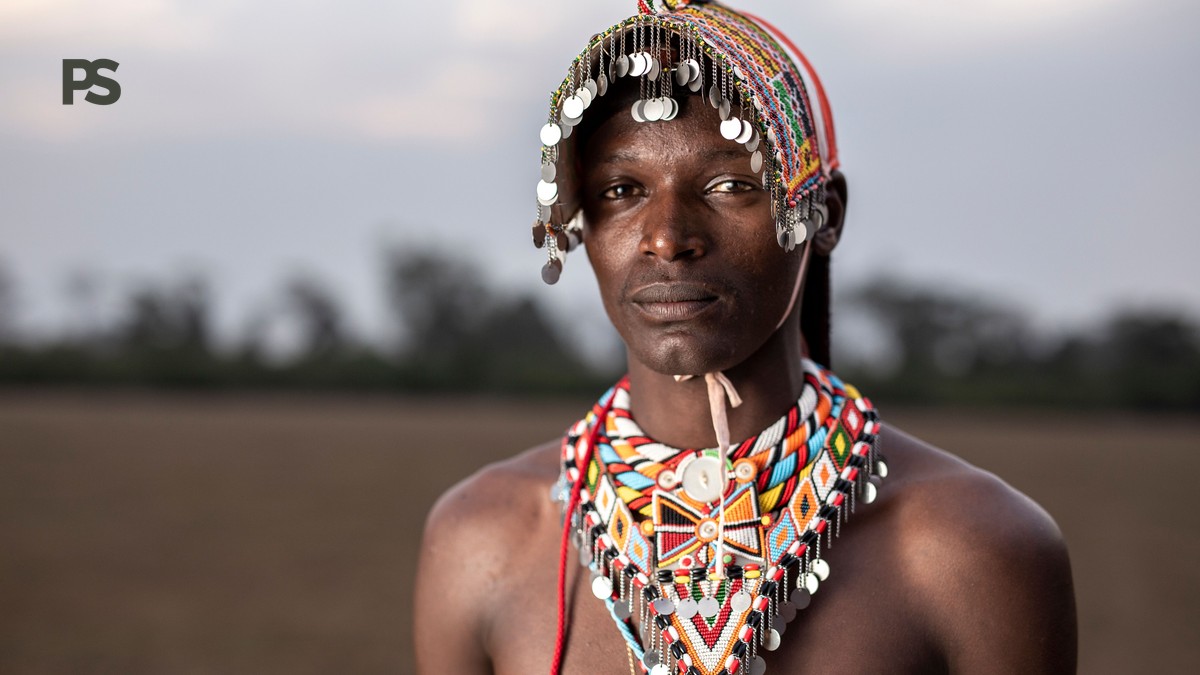
Ask what an item is made from, where it was produced, and whether the seller or artisan made it. Prefer well-finished goods over rushed mass-produced pieces. Do not assume every beaded item was made by a Maasai artisan. Paying a fair negotiated price is more ethical than forcing the lowest price possible.
Avoid anything made from elephant ivory, big cat claws, reptile skin, or other protected wildlife parts. Good beadwork has even thread tension and secure clasps. A fair price for good work respects the maker. For more cultural context than a market can give, consider a visit to Bomas of Kenya.
Useful Swahili and French Phrases for Shopping
Use simple phrases to keep bargaining friendly and clear. Bei gani? means “How much?” and Ni ghali sana means “It is too expensive.” Punguza kidogo means “Reduce it a little.” Nitaangalia kwanza means “I will look first,” and Asante means “Thank you.” French-speaking visitors can say Quel est votre meilleur prix ? while keeping the agreed figure visible on a calculator.
| Situation | English | Swahili | French |
|---|---|---|---|
| Asking the price | How much? | Bei gani? | C’est combien ? |
| Too expensive | It is too expensive. | Ni ghali sana. | C’est trop cher. |
| Asking for a lower price | Reduce it a little. | Punguza kidogo. | Baissez un peu le prix. |
| Looking first | I will look first. | Nitaangalia kwanza. | Je regarde pour l’instant. |
| Best price | What is your best price? | Bei ya mwisho ni gani? | Quel est votre meilleur prix ? |
| Thank you | Thank you. | Asante. | Merci. |
Show the final number on your phone calculator. This avoids confusion over pronunciation and keeps the price clear for both sides.
Frequently Asked Questions
Where is the Maasai Market in Nairobi?
The market moves between venues rather than staying at one address. Common locations include the CBD, Village Market, Junction Mall, and Yaya Centre. Check the current day’s venue before setting out.
How much do things cost at Maasai Market Nairobi?
Negotiated prices vary by item and seller. A beaded bracelet costs KES 200 to 500. A necklace runs KES 500 to 1,500, and a shuka runs KES 500 to 1,000. A kikoy costs KES 400 to 800, and a small carving costs KES 500 to 1,500.
Do you bargain at Maasai Market?
Yes, bargaining is expected. Begin at one-third to one-half of the opening quote, stay polite, and compare prices. Bundling purchases and walking away calmly can improve the final offer.
Is Maasai Market safe for tourists?
Most visitors shop safely, but the market can be crowded and sellers can be assertive. Keep valuables concealed in a secure bag. Consider a mall venue for a calmer visit with better facilities.
What should I buy at Maasai Market Nairobi?
Good compact souvenirs include beaded jewellery, kikoy wraps, small kiondo baskets, leather sandals, soapstone carvings, shukas, paintings, and Kenyan coffee. Choose items that fit your luggage and ask about wildlife-related provenance before buying.
The Plain Safaris Difference
Plain Safaris works with first-time travelers who need clear logistics before they bargain in a market or ride in a safari vehicle. We verify the day’s Maasai Market venue and arrange a driver who will wait while you shop. We combine market time with a Giraffe Centre or Bomas visit without losing a safari afternoon. We also plan for French-speaking travel, so you are not translating every instruction between a market, a park gate, and a lodge. If your trip includes a Nairobi National Park day visit, we can sequence it around your market morning.
That practical layer matters. A market morning is easy to enjoy once the route and venue are sorted.
Plan Your Maasai Market Morning with Plain Safaris
You do not need to figure out the rotating schedule alone. Start with the Plain Safaris contact page and tell us your Nairobi dates and your French-language needs. Let us know how much time you want for maasai market shopping souvenirs. We will fit the market stop into a realistic safari plan, with a driver and timing that work for your whole trip.