
The first time a guest sees the plane at Wilson Airport, the reaction is usually the same: “That’s what we’re flying to the Mara in?” It seats twelve, maybe thirteen people, and the cargo hold is smaller than most car trunks. That’s why luggage weight limits fly-in safari travelers face are strict, and why packing for one is different from packing for any other trip.
If you’ve booked flights between camps in the Mara, Samburu, or Amboseli, your airline has already told you about a 15kg limit somewhere in your booking confirmation. Most people skim past it. Then they’re standing at the check-in desk with a hard-shell suitcase that weighs 18kg empty, wondering why the ground staff looks concerned.
Here’s what the limit actually means, why it exists, and how to pack around it without stress.
Luggage Weight Limits Fly-In Safari Travelers Face, and Why They’re Strict
Aircraft like the Cessna Grand Caravan, the workhorse of Kenya’s scheduled bush flights, carry a fixed maximum takeoff weight. Every kilogram matters, split between passengers, fuel, and cargo. Unlike a wide-body jet with a deep hold, these planes fly at lower altitudes into short dirt or gravel airstrips, sometimes at 1,600 meters or higher, where thinner air already cuts into lift performance.
Pilots calculate weight and balance before every flight. A handful of overweight bags can mean bumping cargo, or in rare cases, a passenger, to the next flight. This isn’t an airline being fussy. It’s a safety requirement tied to the physics of getting a small plane off a short strip in Samburu heat.
The 15kg Rule: What Kenya’s Bush Airlines Actually Enforce
Safarilink, AirKenya Express, and Governors’ Aviation, the three main scheduled carriers flying out of Wilson Airport, all apply roughly the same standard: 15kg per person, and that figure includes your hand luggage, not just your checked bag.
| Airline | Standard limit | Hand luggage included | Bag type required | Typical excess cost |
|---|---|---|---|---|
| Safarilink | 15kg total | Yes | Soft-sided, no wheels or rigid frame | Roughly USD 2 to 3 per kg over (confirm at booking) |
| AirKenya Express | 15kg total | Yes | Soft-sided duffel | Roughly USD 2 to 3 per kg over (confirm at booking) |
| Governors’ Aviation | 15kg total, sometimes 20kg on select routes | Yes | Soft-sided duffel | Varies by route, indicative range only |
These excess baggage figures are indicative. Rates shift by route, aircraft type, and season, so always confirm the current fee with your airline or with us before you fly. What doesn’t change is the bag type: soft-sided, and 15kg all-in, for nearly every scheduled flight between Kenyan airstrips.
What Counts Toward Your 15kg
This is where most first-time travelers get caught out. The limit isn’t just your suitcase. It covers your daypack, camera bag, and anything else you carry onto the plane. A DSLR body with two lenses can weigh 3 to 4kg on its own, and binoculars add another 800g to a kilogram.
If you’re planning serious wildlife photography, it’s worth reading up on packing camera gear for a wildlife safari before you pack, since lens choice affects both image quality and how much you’re carrying. The same goes for birders traveling with extra optics, where a second pair of binoculars or a spotting scope can push you close to the limit before you’ve packed a single shirt.
Laptops, phone chargers, and a light jacket for cool Mara mornings all count too. Weigh your carry-on separately before you leave home. Guests are consistently surprised by how quickly a “small” day bag adds 2 to 3kg.
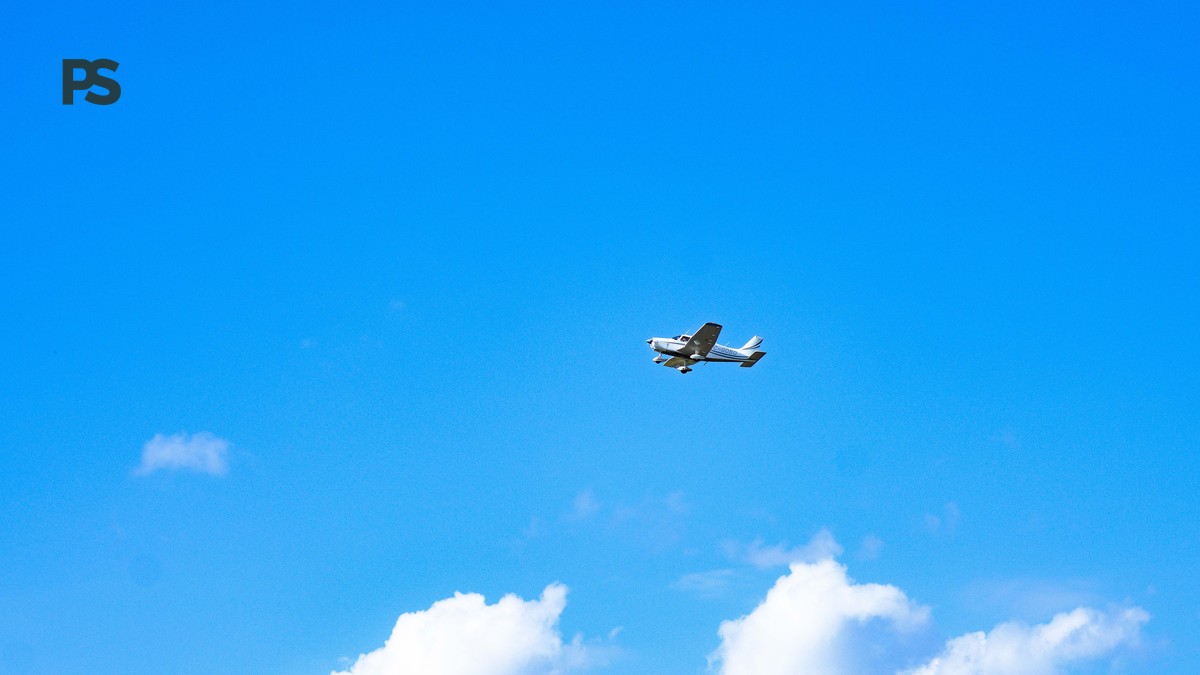
Soft Duffel Bags Only, No Wheels, No Hard Shells
Rigid suitcases and roller bags don’t fit into the curved cargo pods on these aircraft, and most airlines will refuse them outright at check-in. A soft duffel bag, roughly 25cm by 30cm by 70cm when packed, folds and compresses into the available space in a way a hard case never can.
Look for a duffel under 2kg empty, since the bag’s own weight eats into your 15kg. Canvas or ripstop nylon bags in the 40 to 50 liter range work well for a five to seven day safari. If you only own a hard-shell suitcase, most Nairobi hotels near Wilson Airport rent or sell soft duffels for a small fee, and some camps will lend one for the duration of your trip.
What Happens If You’re Overweight at the Airstrip
Ground staff weigh every bag at check-in, usually the morning of your flight. If you’re over, you have three options: pay the excess fee on the spot, repack and leave items behind for pickup on your return, or in rare cases, book an extra seat for cargo.
None of this is a crisis, but it does cost time you don’t want to lose on a morning with an early flight. Airstrip check-ins for camps in the Mara or Samburu often close 30 to 45 minutes before departure, and there’s no lounge to sit in while you shuffle items between bags. Weighing everything the night before, at your camp or hotel, saves that scramble.
Buying Excess Weight or an Extra Seat
If you genuinely need more than 15kg, most airlines will sell you the extra weight in advance rather than at the strip, and it’s usually cheaper booked ahead. As a rough guide, expect somewhere in the range of USD 2 to 5 per kilogram over the limit, though this is indicative and varies by carrier and route.
For guests traveling with serious photography or filming equipment, buying an extra seat is sometimes the better move. An extra seat typically costs close to the standard one-way fare for that route, often USD 150 to 250 depending on the sector, but it guarantees your gear travels with you rather than on a later flight.
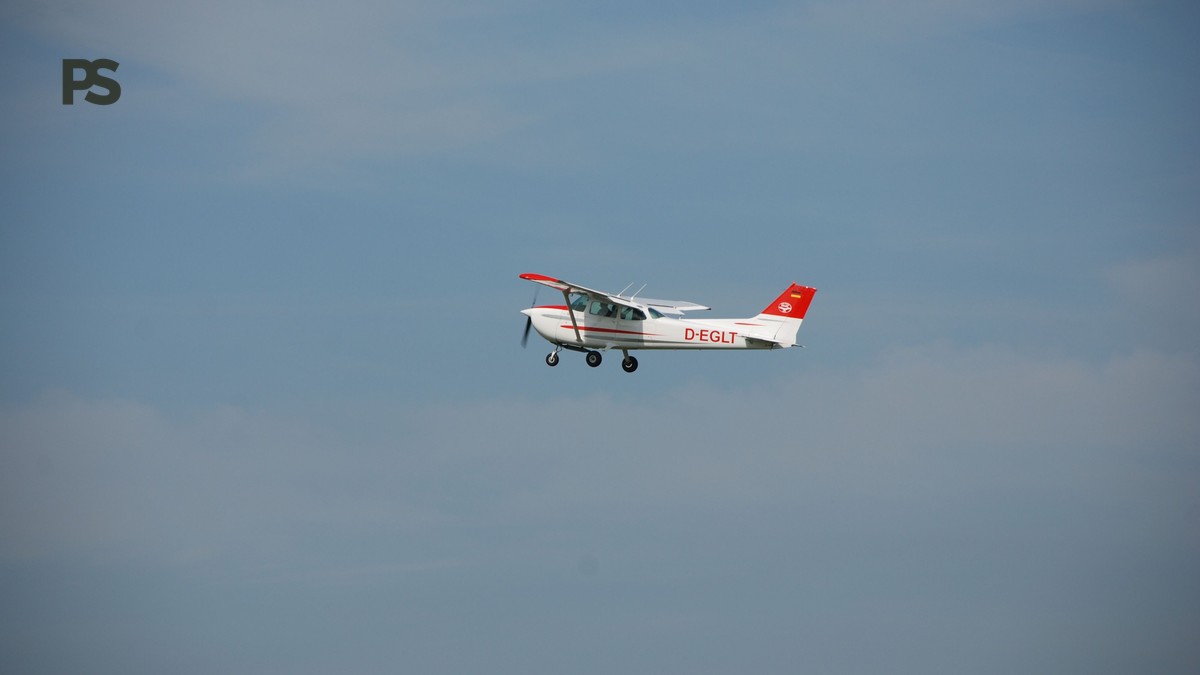
Flying vs. Driving: When It’s Cheaper to Just Drive
For some circuits, the simplest fix isn’t paying for extra weight at all. If you’re heading only to the Mara, comparing flying vs. driving into the Mara is worth doing before you book. A private road transfer takes about five to six hours from Nairobi via Narok, and there’s no luggage limit at all in a safari vehicle.
Families with young children, or anyone bringing extra kit for a multi-week circuit, often find one leg by road and the rest by air strikes the best balance. It also means you can store a proper suitcase for your Nairobi nights and only pack the soft duffel for the days you’re in the bush.
Where to Store Excess Luggage
Wilson Airport itself has limited storage, so plan around your accommodation instead. Most Nairobi hotels near Wilson, and many camps that guests pass through before or after a fly-in leg, will hold a bag for free for guests continuing on safari. Confirm this when you book rather than assuming, since policies vary by property.
How Kenya Compares to Other Fly-In Destinations
Kenya’s 15kg rule sits at the lighter end of East and Southern Africa. Tanzania’s bush carriers, like Coastal Aviation and Auric Air, generally apply the same 15kg standard on Serengeti and Ngorongoro routes. Botswana’s operators, including Mack Air and Wilderness Air, often allow a bit more, commonly in the 20kg range, though this varies by aircraft and should be confirmed per booking. If your trip combines Kenya with a second country, pack to the tightest limit on your itinerary, not the most generous one.
Packing Tips to Stay Within 15kg
Roll clothing instead of folding it to save space, and choose quick-dry fabrics so you can pack fewer outfits and rewash mid-trip. Most camps offer laundry service, so five days of clothing is plenty for a two-week safari. Leave hairdryers and bulky toiletries at home. Wear your heaviest shoes and jacket on the flight instead of packing them. And weigh your bag on a home scale before you leave, since airport scales at Wilson don’t leave room for negotiation.
The Plain Safaris Difference
We build every fly-in itinerary around the real luggage limit for the airline and route you’ll actually use, not a generic continent-wide number. Before you travel, we tell you the exact carrier, the exact kg allowance, and whether a road transfer makes more sense for part of your circuit. If you’re bringing camera or birding gear, we factor that into the plan from the start, including where to store what you don’t need on the bush legs. It’s the kind of detail that only comes from having sat behind the wheel on these roads and checked in at these airstrips ourselves.
Plan Your Fly-In Safari
Not sure whether your camera bag will fit the limit, or whether flying or driving makes more sense for your route? Get in touch through our contact page and we’ll help you plan a circuit that fits your gear, your budget, and your time in Kenya.