
August is the month most first-time travelers picture when they say “Kenya safari.” Dry grass, thundering herds crossing a river, dust catching the morning light. Most of that picture is accurate. But August also means the busiest month of the year in the Mara, and it pays to know what you’re actually booking before you commit.
I’ve driven these roads in August more times than I can count. Here’s the real Kenya safari in August weather and wildlife picture, region by region, with real numbers instead of vague seasonal talk.
Kenya Safari in August: Weather and Wildlife by Region
Kenya’s climate changes fast depending on altitude, so “Kenya weather in August” isn’t one answer.
Masai Mara and the highlands (1,500-2,100m elevation): Daytime highs sit around 24-26°C. Mornings on game drives start cold, often 10-12°C at 6am, so a warm layer for the vehicle matters more than sunscreen at that hour.
Amboseli (1,100m): Slightly warmer and drier than the Mara, with daytime highs near 27°C. Skies are often clear enough for the classic Kilimanjaro backdrop shot, especially early morning before haze builds.
Samburu (800-900m): Hotter and more arid, with highs regularly touching 30°C. Nights stay mild, rarely dropping below 15°C.
Coast (Mombasa, Diani): August sits in the coastal cool season. Highs around 26-28°C, with a steady wind that makes it comfortable rather than sticky. Water temperatures dip slightly, which is why some dive operators scale back in August.
Does It Rain in Kenya in August?
Not much. August falls in Kenya’s long dry season, which runs roughly June through October. The Mara and Amboseli see only occasional light showers, usually short and in the late afternoon. Grass is short, waterholes are shrinking, and animals concentrate around the remaining water sources, which is exactly why August works so well for game viewing. Bring a light rain shell anyway. Fifteen minutes of rain can turn a Mara track into a slow, muddy crawl even in dry season.
The Great Migration in August: What’s Actually Happening
This is the question everyone asks, and the honest answer needs a bit of nuance.
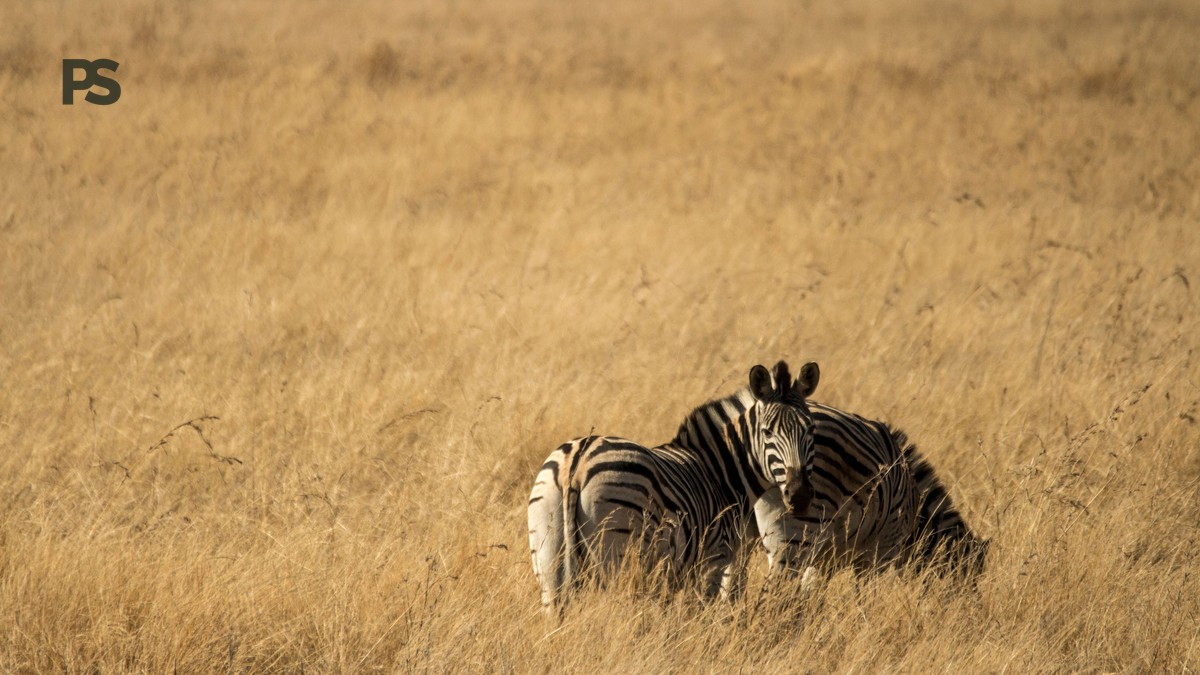
By early August, most of the wildebeest herds have crossed from Tanzania’s Serengeti into Kenya’s Mara ecosystem. They funnel through the Sand River area and build toward Mara River crossings near the Mara Triangle, the Talek, and the Olare Orok rivers. Crossings can happen daily in a good year, but they’re never guaranteed on any single date. Herds move on their own schedule, driven by rain and grazing, not tourist calendars.
Compared with July, the herds in August are usually more spread out across the northern Mara, Mara North Conservancy, and Naboisho Conservancy. They cluster less right at the river. That can mean fewer dramatic crossing photos but calmer, less crowded sightings away from the river circus. If you want a direct read on the trade-offs, check our guide on how August compares to Kenya’s July peak season. It breaks down crossing frequency and vehicle density month by month.
Wildlife Viewing Beyond the Migration
The migration gets the headlines, but August is strong across the board because dry conditions push resident wildlife toward predictable water sources.
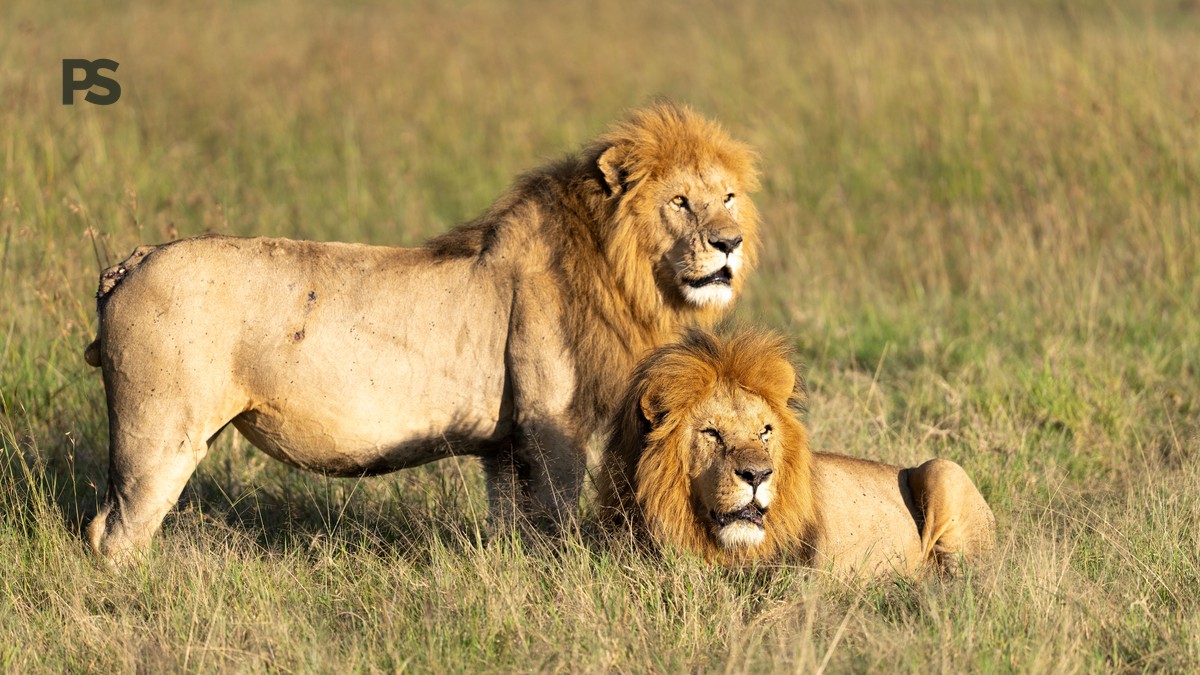
Amboseli delivers some of Kenya’s most reliable elephant viewing in August, with herds of 20 to 50 animals gathering at the Enkongo Narok and Olokenya swamps most mornings. Samburu, drier and quieter than the Mara, is the place for species you won’t see further south: Grevy’s zebra, reticulated giraffe, and gerenuk browsing along the Ewaso Ng’iro River. Lion and leopard sightings stay strong in both parks through August because prey animals aren’t scattered by rain.
For photographers, the flat dry-season light and short grass make August one of the better windows of the year. Our dry season photography safari guide covers camera settings and timing for these conditions in more detail.
Crowds and Peak-Season Costs
Here’s the part most generic guides gloss over. August is Kenya’s most expensive and most crowded month, full stop.
The Masai Mara National Reserve’s non-resident park fee jumps to USD 200 per adult per day from July through December. That’s double the January-June rate of USD 100, set by the Narok County Government, which runs the reserve. That’s a cost every visitor pays before camp fees even come into it.
Camp rates climb to match demand. A tented camp that runs $350 a night in the shoulder season can easily hit $700-900 in August. Popular camps near the river sell out 9-12 months ahead. Private conservancies like Naboisho and Mara North cap vehicle numbers by contract, so they stay far less crowded than the reserve itself. That exclusivity shows up in the nightly rate.
| Park or Conservancy | Non-resident entry fee (August) | Drive time from Nairobi | Flight time from Wilson Airport | Camp rate range, per person/night (indicative) |
|---|---|---|---|---|
| Masai Mara National Reserve | USD 200/day | 5-6 hrs via Narok | 45 min | $450-1,200 |
| Naboisho Conservancy (private, borders the reserve near Talek Gate) | ~USD 80-150/night, bundled into camp rate | 5-6 hrs plus conservancy transfer | 45 min to Mara airstrip, then 30 min drive | $700-950 |
| Amboseli National Park | USD 90/day | 4-5 hrs via the Namanga road | 45 min | $400-900 |
| Samburu National Reserve | Indicative USD 70-100/day, county-set, confirm before booking | 6 hrs via Nanyuki | 1 hr | $350-800 |
Those Samburu figures are an indicative range rather than a confirmed number. County-run reserve fees change without much notice, so we verify the exact figure with the reserve office before quoting a client.
Best Parks and Conservancies for August
If this is your first trip and you only have 7-8 days, we usually steer clients toward pairing two ecosystems rather than trying to cover four. Amboseli plus the Mara gives you elephants and open plains against Kilimanjaro, then big cats and grassland herds within a short flight. Our page on combining the Maasai Mara and Amboseli on one safari walks through a realistic route and timing.
For travelers who want to dodge the thickest August crowds entirely, Samburu is worth the extra two hours of driving. Vehicle density there runs a fraction of what you’ll see at a Mara river crossing.
What to Pack for a Kenya Safari in August
Layers matter more than any single item. Early morning game drives start cold enough for a fleece or light down jacket, then climb to shirt-sleeve weather by 10am. Pack:
- A warm layer for dawn drives (temperatures near 10-12°C in the Mara)
- Neutral-colored clothing, khaki, olive, tan
- A light rain shell, even in dry season
- Sunscreen and a wide-brim hat for midday sun
- Binoculars, ideally one pair per person
- A dust-proof bag or cover for camera gear on Mara roads
The Plain Safaris Difference
We don’t sell August as an automatic yes. If a client’s budget doesn’t stretch to peak-season camp rates, or they’d rather have a quiet vehicle than a river-crossing gamble, we’ll say so and point them toward September or a conservancy-based route instead.
When August is the right call, we book camps in Naboisho and Mara North first. Their gate agreements cap visitor numbers, so a sighting doesn’t turn into fifteen vehicles parked in a circle. We also build in a buffer day near the river when the itinerary allows it, since crossings happen on the herd’s schedule, not the calendar’s. Every quote we send breaks out park fees, conservancy fees, and camp rates separately, so you can see exactly where the money goes instead of one bundled number.
Planning Your Trip
August rewards travelers who book early and choose their region with open eyes. Reserve fees are set, camp rates are climbing, and the herds are already moving through the northern Mara. The parts you can still control are which conservancy you choose, how many days you give the river a chance, and how far in advance you lock in a camp before it sells out.
If you’re ready to build an August itinerary around real availability and honest trade-offs, get in touch through our contact page. Or take a look at our Kenya safari packages to see where an August trip could start.