
You plan a family safari and picture the vehicle more than the animals. That is fair. A game drive in Kenya can last from two hours to a full morning. The answer to how much shade do safari vehicles provide depends on the roof, the sides, the time of day, and how the route turns. Here is what actually happens from the middle row.
How Much Shade Do Safari Vehicles Provide?
Most Kenya safari vehicles provide reliable shade directly above passengers through a fixed or canvas roof. They do not create complete shade on every side. Open windows, raised pop-up roofs, and low morning or afternoon sun can expose your face, arms, and legs. Think of the roof as strong overhead protection, not an umbrella.
A closed-sided safari van with a fixed roof and sliding windows gives you the most predictable shade. The roof and body panels block overhead sun, and you can close the windows when dust or wind picks up. A pop-up roof Land Cruiser raises the roof section. This adds overhead shade while you stand but leaves the sides open to low-angle sun. Some open-sided vehicles use only a canvas roof. These vehicles feel airier but expose the whole row to the sun as the track bends.
I use the phrase “not an umbrella” because an umbrella follows your head but still lets light in from the side. The same is true in a safari vehicle. On a straight track heading north in Amboseli, the left row may sit in shadow for an hour. When the driver turns toward the marsh, that row gets full sun through the open side. Kenya safari vehicle terminology helps here because the words “covered” and “enclosed” are not the same.
Shade Differences Between Safari Vans, Land Cruisers, and Open-Sided Vehicles
A closed-sided safari van normally gives the most consistent shade because its roof and sides block more direct sun, dust, and wind. A pop-up-roof Land Cruiser offers better airflow and viewing but leaves the sides open. An open-sided vehicle with a canvas roof gives overhead shade while exposing passengers more fully to the elements.
Use this table when you compare quotes.
| Vehicle type | Roof | Sides | Shade feel | Where you may see it |
|---|---|---|---|---|
| Closed-sided safari van | Fixed fibreglass or metal, some with a pop-up | Enclosed with sliding windows | Highest, but airflow can feel limited | Common on lower cost Kenya circuits, Amboseli and Lake Nakuru routes |
| Pop-up-roof Land Cruiser | Raised rigid or canvas pop-top | Open sides, roll-down canvas flaps | Moderate, good airflow, less side protection | Private and premium conservancies, Mara North and Naboisho |
| Open-sided vehicle | Canvas roof | No side panels | Lowest, very airy, high dust and sun exposure | Select photographic or private conservancy use |
A closed-sided van tends to be the default on many Kenyan family itineraries. It keeps kids and older travellers out of the dust and wind. A pop-up-roof Land Cruiser is the common upgrade because it allows standing for a better photo. An open-sided vehicle is usually the specialist choice for photographers who want zero window frames in the shot.
What a Pop-Up Roof Protects You From and What It Does Not
A pop-up roof mainly shields the top of your head and shoulders while allowing you to stand for an elevated wildlife view. It does not block sunlight entering from the sides, reflected glare from pale ground, dust, or wind. Keep a hat, sunglasses, sunscreen, and lightweight long sleeves available even when the roof is raised.
A pop-up roof is useful when a cheetah is 80 metres away and you want to stand for a clear photo. The raised section shades your head and shoulders from straight overhead, but it is not a side shade. Reflected light from pale lake beds at Amboseli or from the dry Ewaso Nyiro riverbanks in Samburu can still hit your face. If you burn easily, treat a raised roof as a viewing platform, not a complete sun shelter.
Dust and wind also come through the open sides. When a vehicle ahead crosses the dry Athi plains near Tsavo, dust rises. A closed van can seal most of that out. A pop-up Land Cruiser cannot. Sunscreen and a hat with a brim solve the gaps.
When Safari Vehicles Are Hottest and Where the Sun Reaches
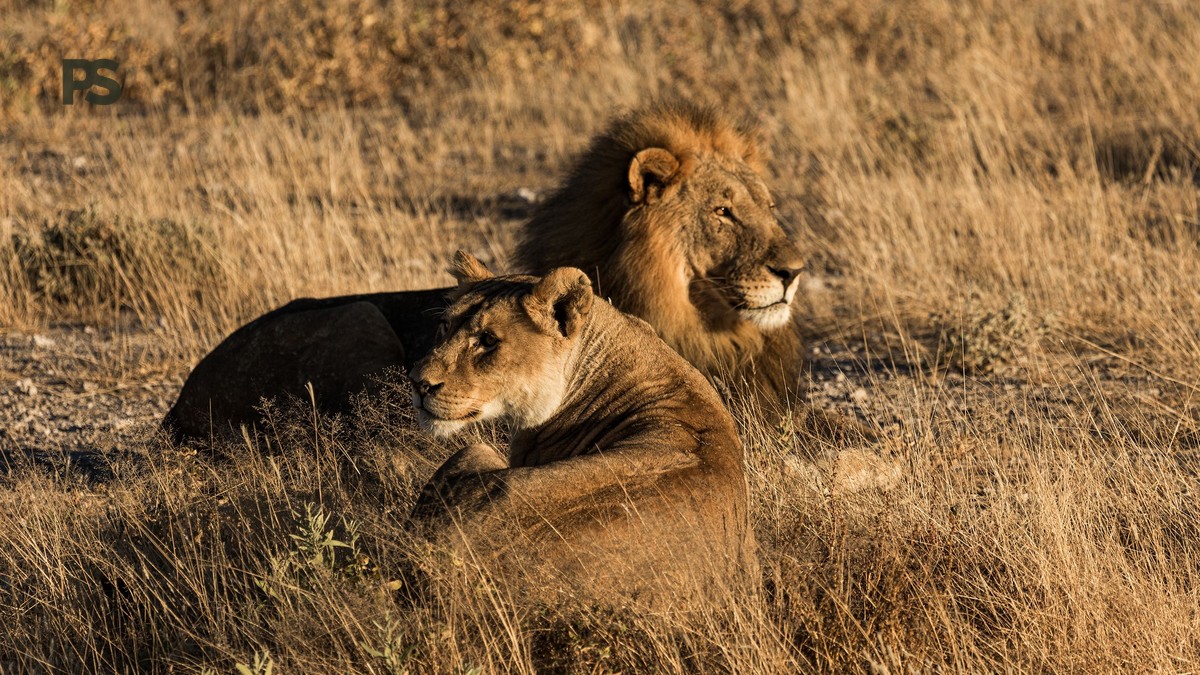
The strongest heat and glare usually build during late morning and early afternoon, when the sun is high and long drives expose the vehicle to open plains. Side-facing seats can receive direct sunlight as the vehicle changes direction. Early and late drives may have lower-angle sun entering beneath the roof. Shade changes throughout the drive.
On an August morning in the Masai Mara, the best light is before 09:30. The vehicle is moving slowly, so airflow is moderate. By 11:30 the sun is high and the heat reflects off the pale grass. If you are driving from Talek Gate to the Mara River, the route can take 40 minutes with no tree cover. That is when the open roof does less work and water matters more.
When you add up the game drives and the transfer between Nairobi and the Mara, you may spend five or six hours inside the vehicle in one day. Our guide on how long you may spend in a safari vehicle gives the full breakdown.
Planning shade around your route also means knowing how long you sit in the vehicle before you reach a park. These are the current non-resident entry fees and road distances we use for family itineraries.
| Destination | Approx. road distance from Nairobi | Typical drive time | Non-resident adult fee, 2025 to 2026 |
|---|---|---|---|
| Masai Mara National Reserve, Narok County | 245 to 270 km via Narok and Sekenani | 5.5 to 6.5 hours | USD 100 Jan to Jun, USD 200 Jul to Dec |
| Amboseli National Park, KWS | 215 km via Emali | 4 to 5 hours | USD 90 |
| Lake Nakuru National Park, KWS | 160 km via Naivasha | 2.5 to 3 hours | USD 90 |
| Tsavo East or Tsavo West, KWS | 240 to 260 km via Mombasa Road | 4 to 5.5 hours | USD 80 |
| Nairobi National Park, KWS | 7 km from city centre | 20 to 30 minutes | USD 80 |
| Naboisho Conservancy or Mara North Conservancy | Mostly fly-in from Nairobi Wilson | 45-minute flight plus game drive transfer | USD 80 to 150 per person per night, bundled into lodge rate |
The Masai Mara National Reserve is run by Narok County Government, not KWS. Do not attribute its fee to KWS. Naboisho and Mara North are private conservancies, so the fee is bundled into lodge rates, not paid at a gate.
How to Stay Cool and Protected on a Game Drive
Wear lightweight long sleeves and trousers. Use broad-spectrum SPF 50 sunscreen. Carry sunglasses and a wide-brimmed hat, and drink water regularly. A hat with a brim protects the ears and neck better than a baseball cap. Breathable clothing preserves comfort in a warm vehicle. Reapply sunscreen during long drives, especially after sweating.
Start with a wide-brimmed hat. A baseball cap leaves your ears and neck open to the sun when you stand through the roof. Long sleeves may feel counterintuitive in Kenya, but a loose cotton or linen shirt keeps sun off your arms better than a vest. Sunglasses cut the glare from Lake Nakuru’s soda flats and from the white dust roads near Tsavo. Drink water before you feel thirsty, because a warm vehicle masks sweat. Reapply SPF 50 on your face and the back of your hands after every second game drive.
What to Ask a Safari Operator About Vehicle Shade Before Booking
Ask whether the vehicle is a closed-sided van, pop-up-roof Land Cruiser, or fully open-sided model. Ask whether the roof is canvas or rigid and whether windows can close. Also ask how many passengers share the vehicle and whether everyone has a window seat. These details reveal the real shade, airflow, and personal-space experience better than the word covered.
Do not accept the word “covered” in a quote. Ask the operator to send a photo of the exact vehicle. Check whether the pop-up roof is canvas or rigid. Canvas is lighter but flaps at speed and may sag. Rigid pop-tops usually seal better. Ask if the vehicle has six or eight window seats, because squeezing five adults into a third row means no one has shade on both sides.
For families, ask if the rear doors open fully and whether a child seat can be fitted. On a private conservancy route, ask whether the vehicle is shared with other guests. A private vehicle lets your group pick the side that sits in shade. If you book a lodge with shared game drives, ask if the camp uses closed vans or open-sided Land Cruisers.
The Plain Safaris Difference
Plain Safaris plans Kenya family safaris around the vehicle, the route, and the pace, not just the lodge list. We do not guess at shade. We know which camps use closed-sided safari vans on Amboseli and Lake Nakuru circuits, which Mara North and Naboisho camps run pop-up-roof Land Cruisers with window seats for six, and where an open-sided vehicle is worth the trade-off.
We route long transfers so they do not land kids in the midday heat. We build in short drive sessions with time back at camp. In the Mara, a private conservancy gate like Olare Motorogi or Naboisho often means fewer vehicles at a sighting than the reserve’s main crossings. That lower pressure is not shade, but it means your vehicle does not have to chase as hard.
We do not overload the vehicle. Six guests in a Land Cruiser normally means everyone has a window seat. Seven or eight may force a middle row bench seat with less side air. Those details matter as much as the roof.
Frequently Asked Questions
Do safari vehicles have roofs?
Most Kenya safari vehicles have a roof, but the design varies. Safari vans and Land Cruisers commonly use a fixed or pop-up roof. Open-sided vehicles usually have a canvas roof that provides overhead shade without enclosing the sides.
Do safari vehicles protect you from the sun?
They provide useful overhead protection, but they do not eliminate sun exposure. Open sides, raised viewing roofs, reflected glare, and low-angle sunlight can still reach your skin. Wear sun-protective clothing, sunglasses, a hat, and sunscreen.
Are open-sided safari vehicles too hot?
Open-sided vehicles are not always too hot because airflow can make them feel cooler while moving. However, they expose passengers to more direct sun, dust, and wind than closed-sided vehicles, particularly during long drives across open plains.
Which safari vehicle gives the most shade?
A closed-sided safari van generally provides the most consistent shade and protection from wind and dust. A pop-up-roof Land Cruiser is a compromise: better wildlife viewing and ventilation but less side protection. Fully open-sided vehicles provide the least complete shade.
Can you get sunburned on a safari drive?
Yes. A vehicle roof reduces overhead exposure but does not block all sunlight entering through open sides or windows. Apply broad-spectrum SPF 50, wear long sleeves and a wide-brimmed hat, use UV-protective sunglasses, and reapply sunscreen during extended drives.
Plan Your Kenya Safari With the Right Vehicle
Ready to plan a Kenya safari with the right vehicle and shade for your family? Explore our safari packages or visit the Plain Safaris contact page to match your route, vehicle type, and travel dates. We will confirm the exact vehicle type before you pay, not after.