
When parents ask how long should children sit vehicle, they usually mean inside a safari Land Cruiser on a rough track. The question sounds simple. The answer is not one number. Age, heat, road conditions, and vehicle type all change it.
I have planned Kenya family safaris where a five-year-old lasted 90 minutes in Samburu heat and then asked for camp. I have also seen the same child handle two shorter drives in the same day. The winning plan was not a shorter holiday. It was a smarter schedule.
How long should children sit vehicle: duration by child’s age
The table below is what I use when planning a Kenya route. It is not a personality test. It is a comfort and safety guide. Younger children tire faster when the vehicle bounces and the sun presses down.
| Age group | Comfortable sitting time | Practical drive setup | Named Kenya example | Current adult fee reference |
|---|---|---|---|---|
| 2 to 4 | 45 to 90 minutes per sit | Private vehicle, frequent stops, skip midday drives | Mara North Conservancy, morning loop around camp, 1.5 to 2 hours | USD 80 to 150 per person per night, bundled conservancy fee |
| 5 to 8 | 2 to 3 hours per sit | Private or small family vehicle, one long stop | Amboseli National Park, morning circuit from Observation Hill to Enkongo Narok swamp, 2 to 2.5 hours | USD 90 per adult per day |
| 9 to 12 | 3 to 4 hours | Shared or private, split the day | Masai Mara National Reserve, relaxed 3-hour morning drive | USD 100 Jan to Jun, USD 200 Jul to Dec per adult per day |
| 13 and up | 4 to 5 hours | Shared or private | Lake Nakuru National Park, lakeshore circuit, 2.5 to 3 hours | USD 90 per adult per day |
Masai Mara National Reserve is county-run. Its fee is not a KWS fee. Other fees shown are current non-resident adult rates.
These times are maximum sitting times, not full drive lengths. A three-hour morning drive with breaks may only be 90 minutes of actual sitting. The other time is spent watching hippos, changing nappies at a safe point, or drinking cold water under an acacia.
Shared vehicle versus private vehicle
Shared game drives cost less. But they run on a fixed schedule. If your child hits their limit at 9:30 am, a shared drive cannot always turn back early. Other guests paid for the full route. That is fair, but it is hard on a two-year-old.
A private vehicle solves the biggest problem. You can leave late, return early, or stop for twenty minutes at a termite mound because a four-year-old wants to watch it. You can also split the day into two short drives instead of one long block.
In Kenya, a private vehicle often adds roughly USD 250 to 450 per vehicle per day, depending on season and camp. We break down current quotes in private vehicle hire costs in Kenya. If you are booking for children under 8, I would choose a private vehicle before upgrading the room.
Best time of day for shorter drives
Early morning is the easiest time for children. The light is soft, the air is cool, and animals are active. In the Masai Mara, I like a 6:30 am start with a return to camp by 9:30 am. In Amboseli, the same window works well when the mountain is clear and the swamps are busy with elephants.
Midday drives are where family plans often go wrong. The sun is high, the animals hide in shade, and the vehicle gets hot. I avoid starting a drive between 11:00 am and 3:00 pm with children under 10 unless there is a specific reason to move camps.
The second drive of the day should be shorter. A 4:30 pm to 6:30 pm loop works well. You get the golden light, a chance of a hunt, and then dinner at camp before small children crash.
Why safari drives are tiring for children
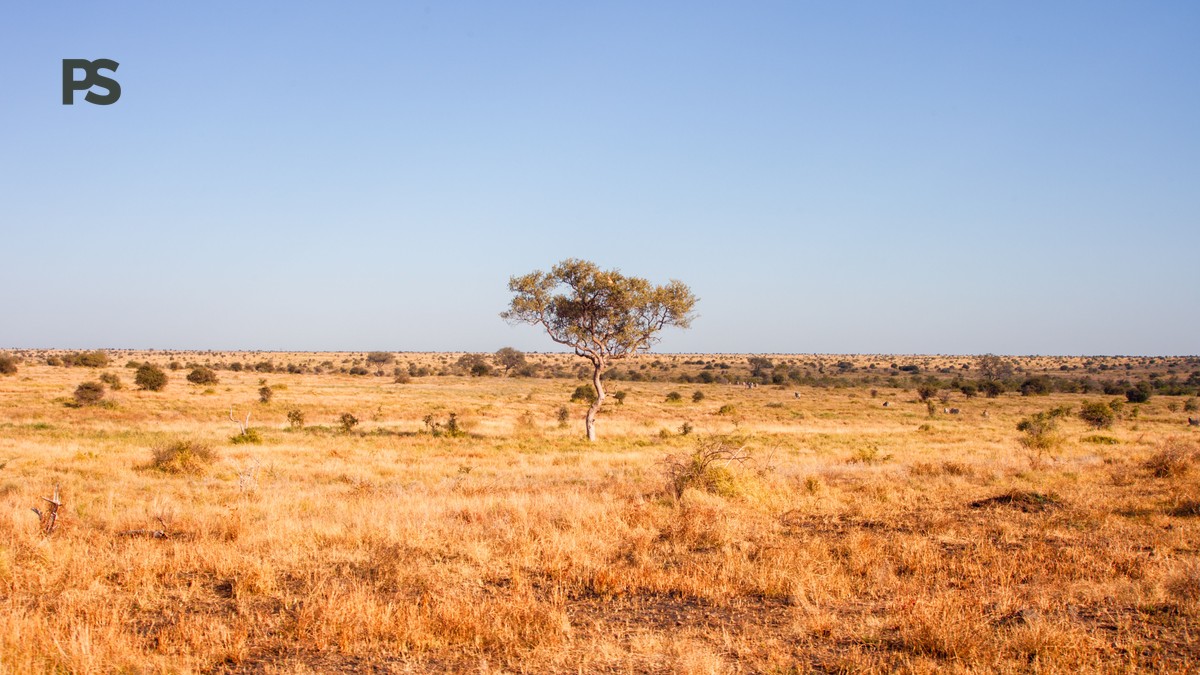
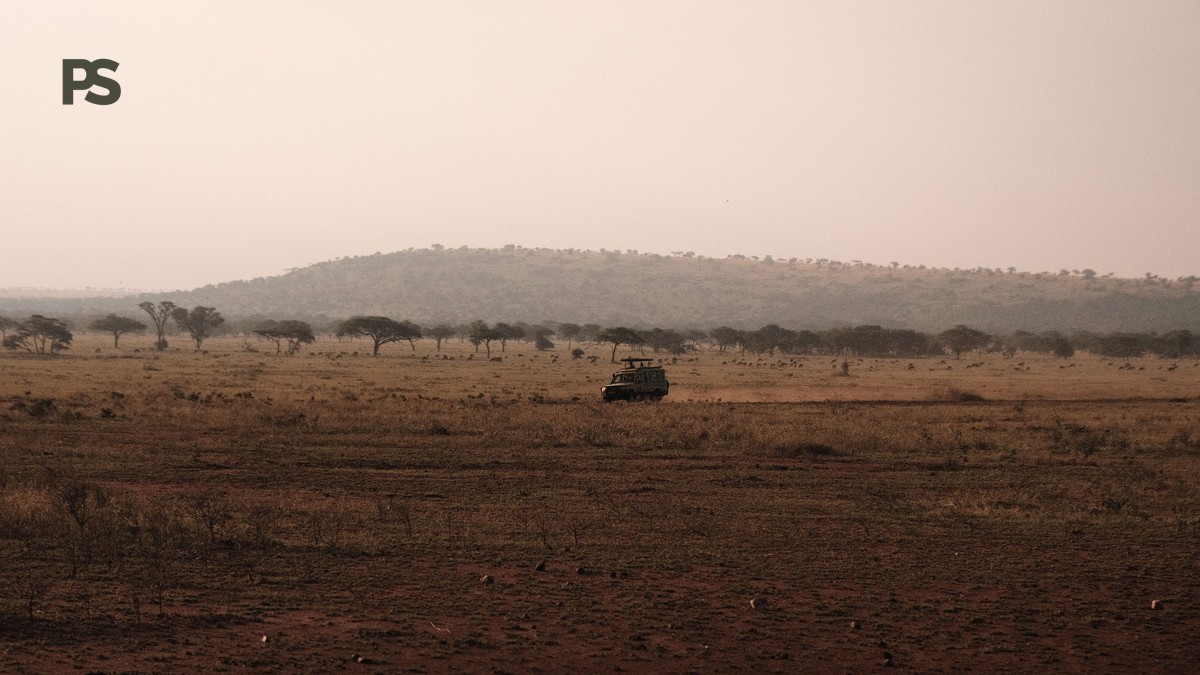
Game drives are not like a zoo train ride. The vehicle moves slowly over rough tracks. The pop-up roof lets in dust. The equatorial sun is strong by 10:00 am. Even quiet moments require scanning long grass for movement.
Children also cannot get out in most parks. A toddler who wants to run is stuck in a moving metal box. That builds frustration faster than hunger or boredom. In Amboseli, the Observation Hill stop is a real break because you can stand outside the vehicle and look at the swamp below. In the Mara, many conservancy camps allow short walks with a ranger once you return to the vehicle area.
Understanding why the tiredness builds helps more than any strict timer.
What to do when children become bored or restless
Boredom on a game drive is normal. Fix it before the silence becomes whining. Pack a small clipboard, animal checklists, and colored pencils. Ask your guide to call out birds by name. Most Kenya guides are excellent with children when asked. Let the child count zebra or look for dung beetles. A pair of small binoculars helps, but heavy ones hurt necks.
Between drives, pick camps with pools or short nature walks. Many family-friendly camps in Laikipia and the Mara have easy ranger walks. Or stay near a hide with a waterhole. The goal is to add value without adding seat time.
How often to schedule breaks
Break timing matters more than total drive time. For children under 6, I plan a leg-stretch stop every 60 to 90 minutes. For 6 to 10 year olds, every 90 minutes to 2 hours is fine. Teens can usually handle two 2-hour stretches with a meal or camp break between them.
Breaks also work best when they have a job. Ask your guide to stop at a safe viewpoint, a river crossing, or a spot with elephants. The child steps out for ten minutes, drinks water, uses the bush toilet if the guide says it is safe, and climbs back in.
Do not wait for a meltdown to take a break. By then, the next hour is already lost.
Safety and lodge age rules
Children must stay seated while the vehicle is moving. No standing through the roof, no leaning out, and no climbing between seats. Some safari vehicles do not have seat belts on every seat. If you need a child seat or booster, ask before you book, not at the gate.
Lodge and reserve age rules vary. In private conservancies like Naboisho and Mara North, many camps accept children from age 5 or 6. A few tented camps set a higher minimum for night drives or walking activities. National parks do not usually block entry by child age, but individual lodges may.
Night drives are a separate question. Many conservancies set a minimum age of 12 for those. Check children’s night game-drive age rules and whether children can join night drives in Kenya before you add an evening drive. If your child is already tired from a morning drive, a night drive will usually make the next morning harder.
The Plain Safaris Difference
Most family safari pages give you a list of lodges and a packing list. We plan around sitting time first, then animals.
That means we will tell you to skip an all-day drive even when the migration is crossing. It means we build split drives, book private vehicles where they matter, and choose camps that let you return without drama. We also know that shorter drives improve comfort but can reduce time for distant sightings. That honest trade-off belongs in the itinerary, not hidden in the fine print.
For example, in the Masai Mara we may book a camp in Mara North or Naboisho rather than deep inside the reserve. The camp is closer to quiet game tracks, vehicle numbers stay low, and a morning loop can be 90 minutes instead of three hours.
You do not need to solve this alone. We have sat in the vehicle with sunscreen on one arm and a child on the other.
Plan your family safari with Plain Safaris. Tell us your children’s ages and how early they wake. We will build a Kenya route with realistic sitting times, private vehicle options, and enough down time to keep everyone happy. Start with our family safari packages or visit the contact page.