
The exact answer to how close safari vehicles get is not a single number. Most good Kenyan guides hold a working distance of about 20 to 30 metres from big cats, elephants and rhinos. Some sightings happen closer because the animal chooses to approach. Others stay further back because the terrain or the animal’s mood demands space.
Kenya has no single legal 20 metre rule for every species. The final test is animal behaviour. A relaxed animal can be viewed closer. A nervous animal needs room. This post explains the real distances, the rules and the places where respectful safari viewing works best.
How Close Safari Vehicles Get in Kenya
Think in vehicle lengths. A standard Toyota Land Cruiser safari vehicle is about 5 metres long. So 20 to 30 metres is roughly four to six vehicle lengths. That sounds far until you raise a 200mm or 400mm lens. A lion’s face fills the frame from that distance. You rarely need to be bumper to whisker.
The table below shows typical working distances used by experienced Kenyan guides.
| Species | Typical working distance | What changes it |
|---|---|---|
| Lion | 10 to 20 m | Lions often rest near tracks. Guides stay off escape routes. |
| Leopard | 15 to 30 m | Thickets and low light. Patience gets you closer views. |
| Cheetah | 10 to 25 m | Cheetahs may sit near vehicles or use shade. |
| Elephant | 30 to 50 m | Mothers and bulls need a clear exit. |
| Black rhino | 30 to 50 m | Easily stressed. Guides keep extra space. |
| White rhino | 25 to 40 m | More relaxed but still unpredictable. |
| Cape buffalo | 20 to 40 m | Guides watch for head shaking and staring. |
These are not legal limits. They are starting points based on how animals behave in Kenya.
How Close Safari Vehicles Get Depends on Animal Behaviour
Species matters, but so does the situation. A lion sleeping on a track can tolerate a vehicle at 10 metres. The same lion with cubs or on a kill may need 50 metres. An elephant cow with a calf can charge without much warning. A leopard in a thicket may only be visible from one angle.
Guides watch for tail twitching, ear flicking and a shift in body angle. If the animal looks nervous or moves away, the guide should back up. Animal behaviour is always the final test. Terrain also changes the number. In open grasslands you can see animals from far away and approach slowly. In thick bush the first view may be at 15 metres. In swamps and rivers, vehicles stay on firm ground for safety.
How Close Safari Vehicles Get When Crowds Gather
Vehicle numbers affect how close a sighting feels. At a Mara River crossing in peak season, the Masai Mara National Reserve can have many vehicles lined up along the bank. Guides are supposed to keep a clear path for animals. In practice, the best guides wait back from the crowd and let the herd move.
In a private conservancy, a lion sighting may have one or two vehicles. That lower vehicle count often feels closer than being 10 metres away with five other trucks jostling for the same angle. Some guides do drive too close. Ask your guide beforehand about their distance policy. A good guide will say the animal’s behaviour decides.
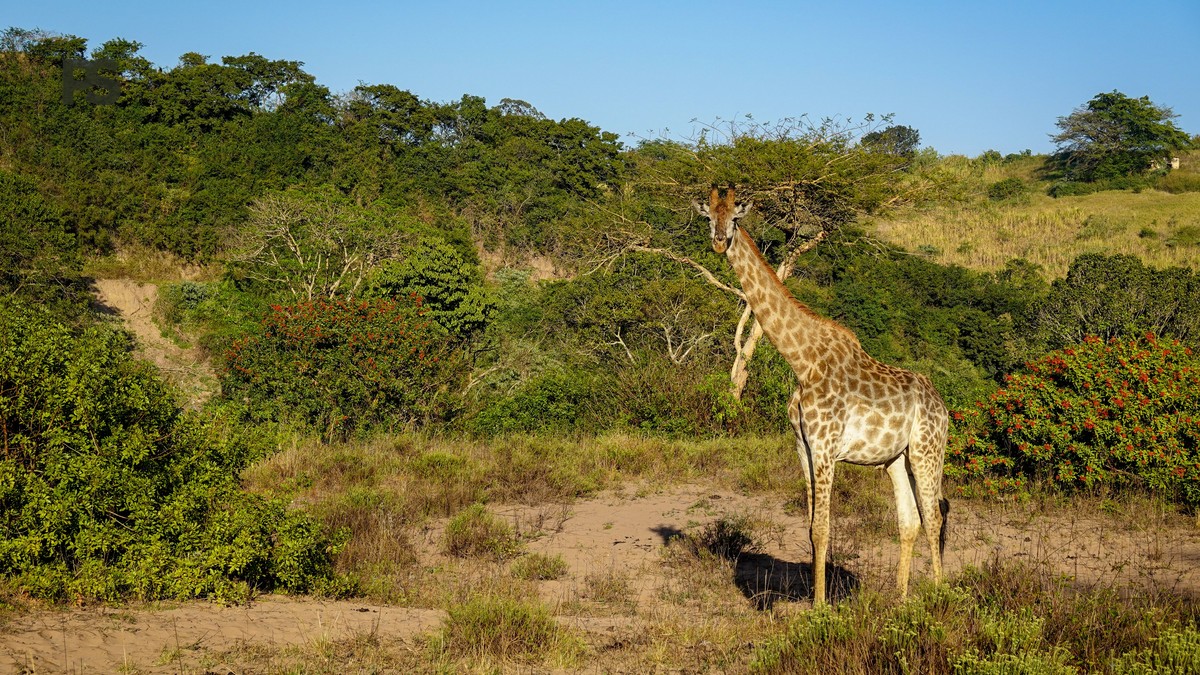
How Close Safari Vehicles Get in Public Parks vs Private Conservancies
This is the biggest difference for people who ask how close safari vehicles get in Kenya. The public Masai Mara National Reserve gives you wide landscapes and big migration action. Private conservancies next to the reserve give you fewer vehicles, managed off-road access and often closer first-light sightings.
The Masai Mara National Reserve is administered by Narok County Government, not KWS. Its non-resident entry fee is USD 100 per adult per day from January to June. From July to December it rises to USD 200 per adult per day. Private conservancies such as Mara North, Naboisho and Olare Motorogi charge a conservation fee bundled into lodge rates. That fee is roughly USD 80 to 150 per person per night.
| Factor | Masai Mara National Reserve | Mara North / Naboisho / Olare Motorogi |
|---|---|---|
| Access | Narok County run. Entry via Sekenani, Talek or Musiara gates. | Private conservancy gates, often minutes from camp. |
| Off-road driving | Not allowed. Vehicles stay on marked tracks. | Limited off-road access allowed at guide discretion. |
| Vehicles per sighting | Can build to 10 or more, especially at river crossings. | Usually capped at 3 to 5 vehicles. |
| Typical working distance | 20 to 30 m | 10 to 20 m when safe |
| Non-resident fee | USD 100 adult/day Jan-Jun, USD 200 Jul-Dec | Roughly USD 80 to 150 person/night, bundled |
| Night drives | Not allowed in the reserve | Allowed in many conservancies |
The trade-off is cost and raw scale. The reserve delivers big migration scenes but with more vehicles. Conservancies cost more per night but give you quieter sightings and more time at closer distance. If you are weighing the cost, read our guide on whether private conservancies are worth the extra cost.
At Amboseli National Park, KWS charges USD 90 per adult per day for non-residents. The park is known for elephant herds crossing open lake beds. Vehicles stay on roads, so you often watch elephants from 30 to 50 metres. The views still feel close because the animals are huge and the light is clear.
How Close Safari Vehicles Get Under Off-Road Rules
In the Masai Mara National Reserve, vehicles must stay on marked tracks. If a cheetah rests 80 metres off the track, you stay on the track. You use binoculars or a long lens. That is not a failure. It is how the reserve protects grass, soil and animal corridors.
Private conservancies allow slow, guided off-road driving. This is not a free for all. Many conservancies set a vehicle cap of three to five vehicles per sighting. Some use radio coordination so one vehicle leaves before another arrives. This keeps distance predictable and prevents crowding.
Mara North camps such as Kicheche Mara North sit close to the Mara River. Naboisho camps such as Encounter Mara put you inside the conservancy. The first game drive often starts a few minutes after coffee. That early start helps photographers catch animals before the heat and before other vehicles gather.
How Close Safari Vehicles Get When Animals Approach
Sometimes the animal closes the gap. A lion may walk past the bonnet. An elephant may cross the road behind you. A curious cheetah may jump onto the spare wheel. The guide usually asks everyone to sit still, keep voices low and avoid sudden moves. You do not get out. You do not reach out.
The guide keeps the engine off if safe. If the animal needs space, the guide starts the engine slowly and moves back. That is not a missed sighting. It is good guiding. If a lion comes close, stay calm. Lions usually see the vehicle as one large shape. That shape is not prey. But if you stand up or lean out, the shape breaks. That can trigger a defensive reaction.
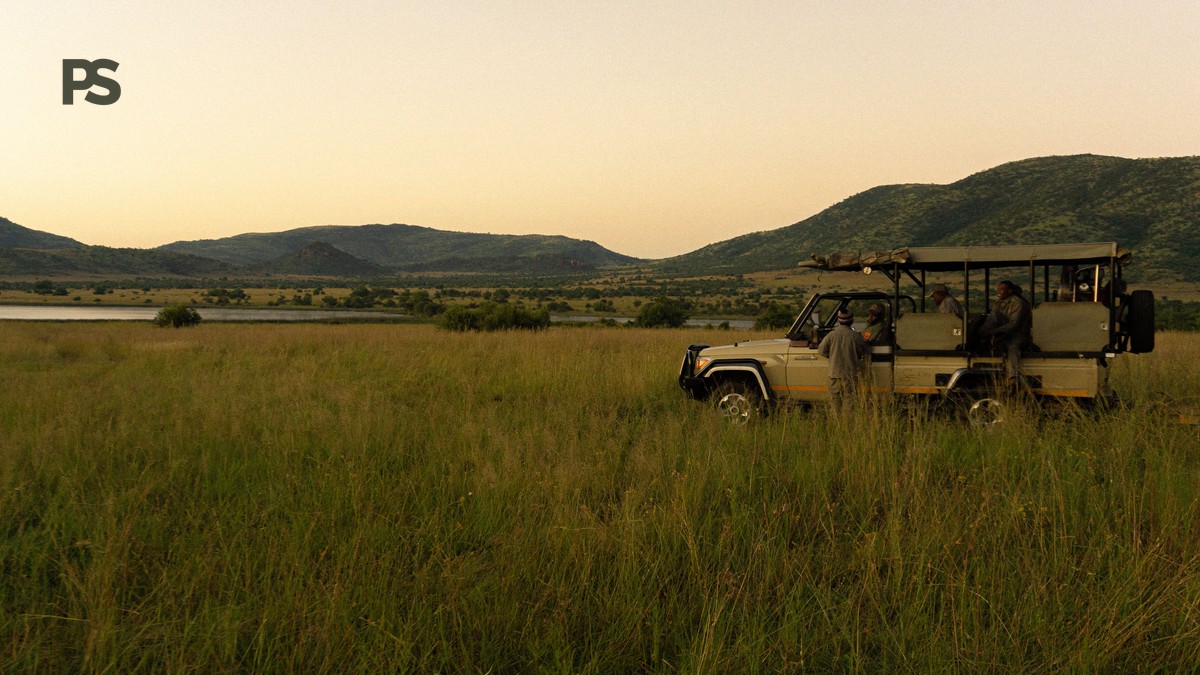
How Close Safari Vehicles Get and Safety Rules
In Kenyan parks and conservancies you stay inside the vehicle unless a guide says it is safe in a designated area. This protects you and the animals. Most wildlife sees the vehicle as one object. Step out and the shape changes. A relaxed lion may turn defensive. A buffalo may charge.
Walking near big game is only done with a trained walking guide, not beside a lion sighting. Children can enjoy close sightings safely. They should sit quietly and follow the guide. Guides often park a little further back when young children are on board. This gives everyone room to relax.
How Close Safari Vehicles Get for Photography
Close-looking safari photos rarely come from close animals. A 200mm or 400mm lens on a crop-sensor body makes an animal at 25 metres look like it fills the frame. You need a beanbag, not a tripod, for most safari vehicles. A 70-200mm zoom handles larger animals. For birds and small details, 400mm or more helps. Binoculars in 8x or 10x are your first tool.
Private conservancies let you stay longer at one sighting. That patience produces better images than moving bumper to bumper. If you want a vehicle and guide dedicated to camera work, see our tips on hiring a private photography vehicle in Kenya. Good light and steady support matter more than metres.
How Close Safari Vehicles Get to Rhinos, Big Cats and Elephants
For rhinos, distance matters most. Black rhinos in Kenya are stress sensitive. Guides in places like Solio Ranch, Lewa Conservancy and Nairobi National Park often keep 30 to 50 metres back. The reward is watching a rhino graze without it snorting and running. For a focused look at timing and locations, see our post on where and how to see rhinos in Kenya.
Lions and cheetahs can tolerate closer viewing when they are relaxed. Elephants need more space. Leopards reward patience. If you sit quietly at 20 metres for twenty minutes, a leopard may come down from a tree and walk past the vehicle. That is often better than a quick close pass.
The Plain Safaris Difference
Plain Safaris plans trips around the kind of sightings you actually want. If you are a photographer, we suggest conservancies with fewer vehicles and guides who understand light. If you are travelling with children, we choose camps with shorter drive times and patient guides. We do not promise bumper-to-paw encounters. We promise honest distances, clear rules and guides who read animal behaviour. You get a trip built around the pace of the bush, not a checklist of forced close-ups.
Plan Your Safari: How Close Safari Vehicles Get
Tell us how close you want the experience to feel, not just the animal. We will match you with camps, conservancies and guides that fit your pace and your camera. Start planning with Plain Safaris.