
Every driver on the Plain Safaris team stops here. Not because the brochures say to, but because the view genuinely earns the ten minutes it costs you. If you’re heading out on your first Kenya safari and wondering whether the Great Rift Valley viewpoint road trip stop is worth the pause on your way to the Mara, here’s what actually happens at that roadside stop, told by people who make this drive every week.
Where the Great Rift Valley Viewpoint Road Trip Stop Actually Is
The main viewpoint sits on the old Nairobi-Naivasha road, right at the top of the escarpment above Mai Mahiu, in Nakuru County. You’ll know you’re close when the road starts to bend downhill in tight curves and the land drops away on your left. There’s a cluster of curio stalls built along the roadside barrier, and that’s your marker. It’s a different stretch of road from the newer A8 highway, so if your driver takes the old route through Kikuyu and Kinale forest, this is where you’ll pull in.
How Far From Nairobi, and How Long Does It Add
From Nairobi’s CBD, the viewpoint is roughly 65 km away. In practice that’s about 1 to 1.5 hours of driving, mostly because getting out of Nairobi traffic takes longer than the open road afterward. Once you’re through Kikuyu, the climb up to the escarpment edge is quick.
Here’s how that stop fits into the full run to the Maasai Mara:
| Leg | Distance | Drive Time | Notes |
|---|---|---|---|
| Nairobi CBD to Rift Valley Viewpoint | ~65 km | 1 to 1.5 hrs | City traffic dependent, escarpment climb |
| Viewpoint to Narok | ~90 km | 1.5 hrs | Tarmac road, good fuel and toilet stop |
| Narok to Sekenani Gate (Mara) | ~145 km | 2.5 to 3 hrs | Final stretch has patches of murram |
| Total Nairobi to Mara | ~300 km | 5.5 to 6.5 hrs | Includes the viewpoint stop |
These figures are drive-time ranges, not fixed numbers. Rain, roadworks near Narok, and how many photo stops you make will shift them by 20 to 30 minutes either way. A short, well-timed stop at the viewpoint adds about 15 to 20 minutes to a journey that already runs close to six hours, so it barely moves the needle on your total travel day.
What You Can Actually See From the Viewpoint
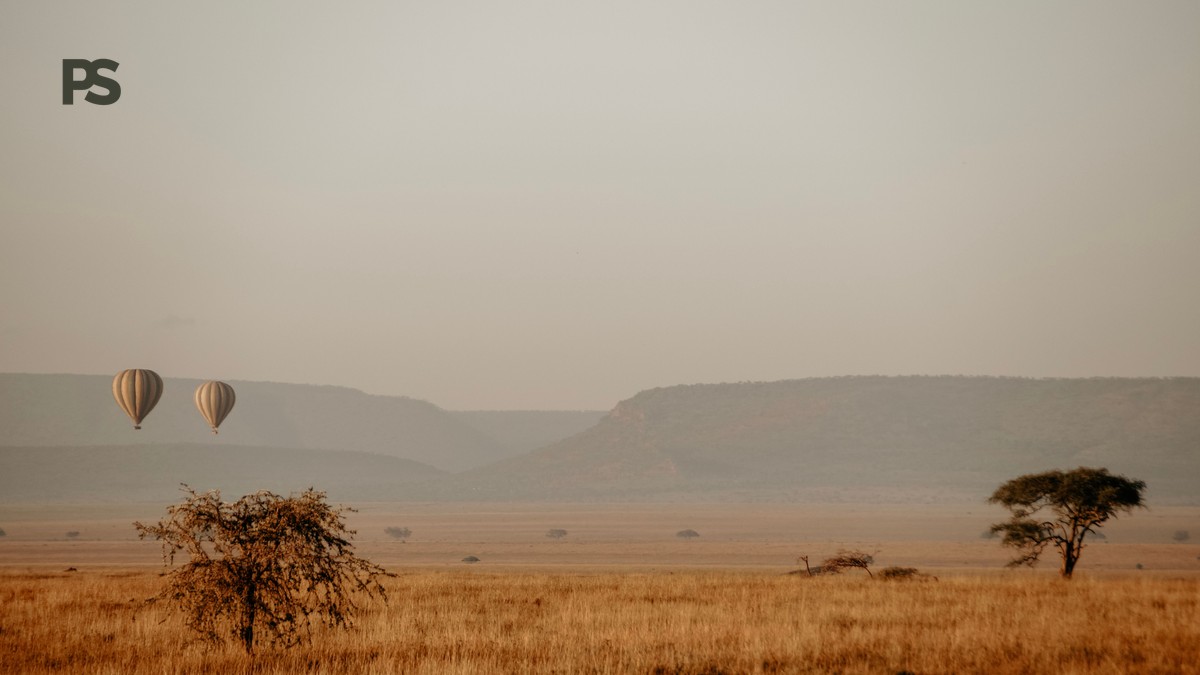
On a clear morning, you’re looking at one of the best open views of the Rift Valley floor anywhere on this route. Mount Longonot’s crater sits almost directly ahead, its slopes still forested in patches. Beyond it, the Suswa Plains stretch out flat and pale gold. On a good day you can pick out the shimmer of Lake Naivasha further north, and the escarpment wall itself drops away below you in layered volcanic rock, a reminder that this whole valley was formed by tectonic plates pulling apart over millions of years.
It’s a genuinely different landscape from anything you’ll see later in the Mara. Worth pointing your camera here before the grass and wildlife take over the rest of your trip.
Best Time of Day to Stop
Morning is best, ideally before 9:30am. The light is clean, haze hasn’t built up yet, and Longonot’s outline is sharp against the sky. By midday, especially in the dry months of January to March and July to September, dust and heat haze often blur the valley floor and the far side of the escarpment fades into a grey smudge. If your Mara transfer leaves Nairobi early, which most guided departures do, you’ll likely hit the viewpoint at close to its best hour without planning for it.
How Long to Spend at the Stop
Ten to twenty minutes is the sweet spot. That’s enough time to take photos, stretch your legs, and glance at a curio stall or two without eating into your arrival time at camp. Plain Safaris drivers generally keep the stop under 20 minutes on Mara transfers, because guests want to reach the conservancy with enough daylight left for an afternoon game drive.
Curio Vendors and Fair Bargaining
The stalls sell wood carvings, beaded jewelry, Maasai shukas, and small soapstone pieces. Vendors will approach your vehicle as soon as you park, and the sales pitch can feel intense if you’ve never encountered it before. It’s not aggressive, just persistent.
A few honest numbers from what guests typically pay after bargaining:
- Small wood carvings: KES 500-1,500 (roughly USD 4-11)
- Beaded bracelets: KES 200-500 (USD 1.50-4) each, often cheaper bought in twos or threes
- Maasai shuka (blanket/wrap): KES 800-1,500 (USD 6-11)
- Soapstone animal figures: KES 300-1,000 depending on size
Vendors usually open around double what they’ll actually accept. Starting your counteroffer at 40 to 50 percent of the asking price and settling somewhere in the middle is normal and expected. Nobody will be offended. If you’re not buying, a polite “no thank you, not today” and a smile is enough, no need to explain yourself further.
Entrance Fee and What to Budget
There’s no entrance fee to stop at the viewpoint itself. It’s a public roadside pull-off, not a gated attraction. The only cost is whatever you choose to spend on souvenirs, and it’s worth understanding how much cash to carry for safari before you leave Nairobi, since card payment isn’t reliably available here. Small denomination shillings work best for bargaining, since vendors rarely have change for large notes.
Photography Tips
Shoot with the sun behind you in the morning to keep the haze out of your frame. A wide-angle lens or your phone’s panorama mode captures the scale of the valley better than a zoom. If you want Longonot sharp in the shot, give it a minute, cloud cover shifts fast up on the escarpment and a gap often opens within a few minutes of waiting.
Safety Considerations at the Roadside Stop
The pull-off area is well used and generally safe during daylight hours, which is when almost every guided transfer passes through. Stay aware of traffic when stepping out, the road bends here and matatus don’t always slow down. Keep valuables on you rather than left visible in the vehicle, and stick close to the main viewpoint area rather than wandering down toward the escarpment edge, where the drop is real and unfenced in places.
The Viewpoint in a Wider Nairobi-to-Mara Road Trip
For most first-time travelers, this stop is one piece of a longer day that starts in Nairobi and ends at a Mara camp gate by mid-to-late afternoon. If you’re still planning your first Kenya safari, it helps to know this isn’t a stand-alone excursion, it’s built into the transfer day itself. Some self-drive guides treat the viewpoint as stop one in a bigger loop through Nakuru, Bogoria, and Baringo. That’s a different trip entirely, usually four or five days in a rented vehicle. On a guided Mara transfer, the viewpoint is a short, worthwhile pause, not a destination.
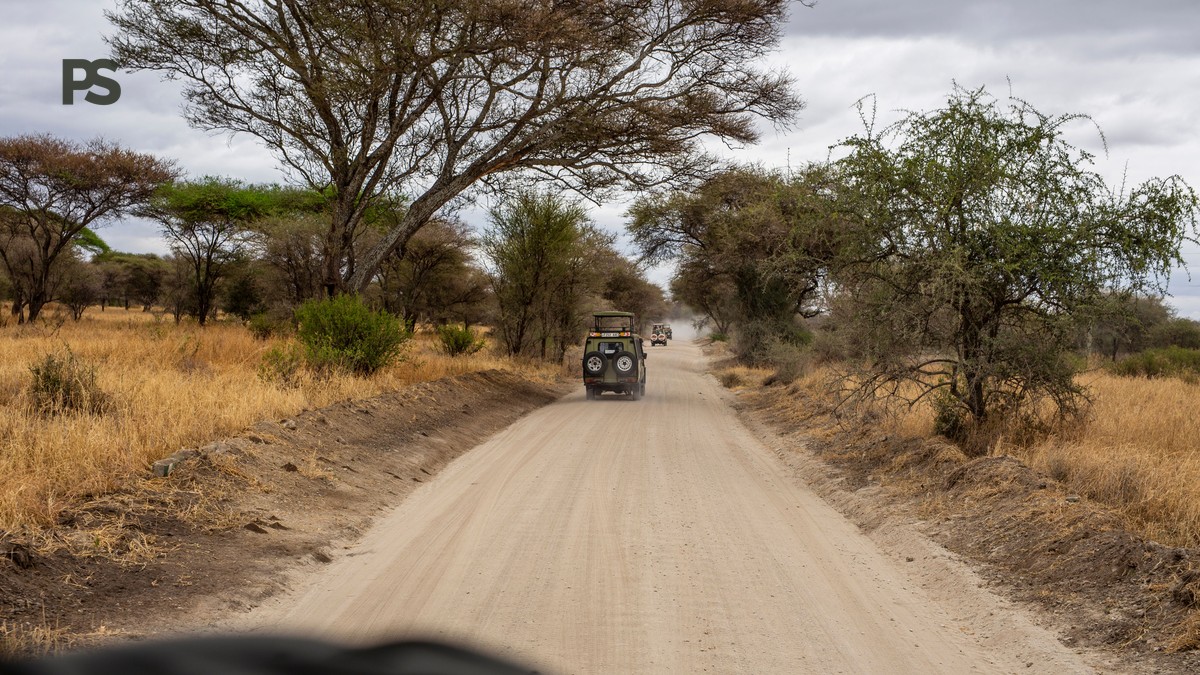
The comfort of that transfer also depends on the safari vehicle you’ll be riding in. A pop-top Land Cruiser with good ground clearance handles the last murram stretch into the Mara far better than a standard sedan, and it’s the same vehicle you’ll use for game drives once you arrive.
The Plain Safaris Difference
Our drivers know this road because they drive it constantly, not from a map. That means we can tell you honestly when the viewpoint stop is worth it and when it’s smarter to push straight through, say, if you’re arriving on a later flight and racing the sun to reach camp before dark. We build the stop into your itinerary as a real 15 to 20 minute pause, timed for morning light when possible, not a rushed afterthought or a forced 45 minutes at a curio stall. Every Nairobi-to-Mara transfer we run factors in current road conditions around Narok, actual fuel and rest stops, and honest guidance on vendor pricing, so you’re never caught guessing on the road.
FAQs
Where exactly is the Great Rift Valley viewpoint on the route to Naivasha? It’s on the old Nairobi-Naivasha road at the top of the escarpment above Mai Mahiu, about 65 km from Nairobi’s CBD.
How far is it from Nairobi, and how long does the drive take? Around 65 km and 1 to 1.5 hours, depending on traffic getting out of the city.
Is there an entrance fee? No. It’s a free public roadside stop. You’ll only spend money if you buy from the curio stalls.
Is it worth stopping at on the way to the Mara? Yes, if you keep it short. Ten to twenty minutes for photos is enough, and it adds very little to a transfer that already takes 5.5 to 6.5 hours.
What can you actually see from the viewpoint? Mount Longonot, the Suswa Plains, and on clear days, a glimpse of Lake Naivasha, all set against the layered wall of the escarpment.
What’s the best time of day for photos? Before 9:30am, while the light is clean and haze hasn’t built up over the valley floor.
Is it safe, and is haggling expected? Yes, it’s a safe, well-used stop in daylight. Bargaining with vendors is normal, start around 40 to 50 percent of the asking price.
Can you drive from Nairobi to the Mara in one day, and does this stop add much time? Yes, most guided transfers do it in a single day, around 5.5 to 6.5 hours total. A short viewpoint stop adds about 15 to 20 minutes.
What should you bring cash for? Small denomination shillings for curio souvenirs, snacks, and the occasional roadside vendor. Card payment isn’t reliable here.
If you’re mapping out your own Nairobi-to-Mara road trip and want the logistics handled by people who drive this route every week, get in touch with Plain Safaris and we’ll help you plan the whole journey, viewpoint stop included.