
Most first-time guests picture Kenya as hot. Getting the cold mornings safari clothing layers right is the first lesson most guests learn the hard way. Then the guide knocks on the tent at 5:30am, they step outside, and it’s genuinely cold. Sometimes cold enough to see your breath. This catches people out more than almost anything else on a first safari.
I’ve driven guests out of camp at first light more mornings than I can count, and the questions are always the same. Why is it this cold in a country on the equator? What am I actually supposed to wear? The answer depends on where you are, and it’s more specific than most packing guides let on.
Why Safari Mornings Are So Cold
Three things stack up against you before sunrise: altitude, radiant heat loss, and wind chill from an open vehicle.
Most of Kenya’s safari country sits high. The Maasai Mara averages around 1,500 to 2,170 meters above sea level. Laikipia’s plateau runs even higher, often 1,800 to 2,100 meters. At that altitude, the air holds less heat overnight, so temperatures fall fast once the sun goes down and stay low until it climbs back up.
Then there’s the desert-style temperature swing. Clear skies mean heat radiates straight back out into space overnight, with nothing to trap it. That’s why a day that hits 28°C by 2pm can start at 8°C at dawn. It’s the same principle that makes the Sahara cold at night.
Add a moving vehicle with no doors or windows, doing 20 to 30 km/h on a rough track, and the wind chill drops the felt temperature further still. A 9°C morning can feel closer to 4°C once you’re bouncing along in an open Land Cruiser watching for lion tracks.
It’s Not the Same Cold Everywhere
This is where generic packing guides fall short. Kenya isn’t one climate. Here’s how four popular safari regions actually compare at dawn during the June to September cold season.
| Region | Typical altitude | Dawn temp (Jun-Sep) | Feels like (open vehicle) |
|---|---|---|---|
| Maasai Mara | 1,500-2,170m | 8-12°C | 4-8°C |
| Laikipia Plateau | 1,800-2,100m | 5-9°C | 2-5°C |
| Samburu | 800-1,200m | 14-18°C | 12-16°C |
| Aberdare highlands | 2,000-2,500m | 4-9°C | 0-5°C |
Laikipia genuinely catches people off guard. It sits higher than the Mara, and the plateau’s open grassland offers little windbreak, so mornings run several degrees colder there. If you’re weighing the two, it’s worth reading up on how Laikipia’s higher altitude makes mornings even colder than the Mara before you pack.
Samburu, down in the northern rift valley, is a different story. Lower altitude means dawn drives there rarely need more than a fleece. If your circuit includes the Aberdare, expect the coldest mornings of the trip. We cover Aberdare’s chilly highland mornings in more detail, including why the bongo antelope favor that cold, misty forest zone.
Night temperatures follow the same pattern as morning ones, roughly 2 to 4°C colder before dawn than the pre-breakfast game drive itself. If your camp does a sundowner stop, bring a layer for that too.
Cold Mornings Safari Clothing Layers: The System That Actually Works
The trap most first-timers fall into is packing one heavy coat. It’s warm at 6am and dead weight by 9am. A three-layer system works better across a single game drive.
Base layer: a long-sleeve top and leggings worn against the skin. This manages sweat as much as it holds warmth.
Mid layer: a fleece or light wool jumper. This is your main insulation and the piece you’ll pull off first as the sun climbs.
Outer layer: a windproof, packable jacket. Down works well because it compresses small enough to stuff in a day bag once you don’t need it.
By 9am on most drives, you’re down to the base layer and maybe the mid layer. By 10:30, often just a t-shirt. The whole point is being able to shed pieces one at a time instead of sweating through a single bulky coat.
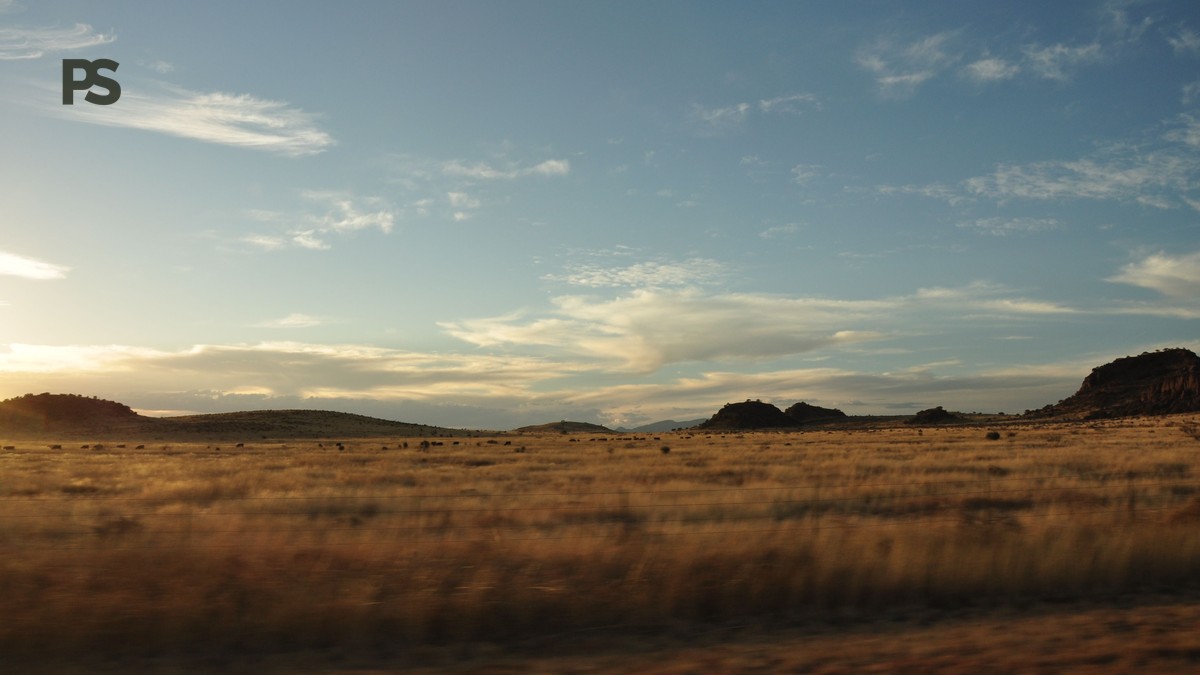
The Specific Items Worth Packing
A few small items make a bigger difference than people expect:
- Fleece or wool jumper: your main mid-layer, worn most mornings.
- Packable down jacket: cuts the wind chill in an open vehicle.
- Gloves: thin, close-fitting ones work better than bulky ski gloves, since you’ll want to use your camera or binoculars.
- Scarf or buff: doubles as dust protection on the drive back once it’s warmed up.
- Wool beanie: heat loss through the head is real at 2,000 meters before sunrise.
Fabric Matters More Than People Think
Merino wool and synthetic technical fabrics beat cotton for safari mornings. Cotton holds moisture, dries slowly, and leaves you colder once any dew or condensation gets into it. Merino regulates temperature well and doesn’t hold odor over a multi-day circuit, which matters when laundry service in camp only runs every second day.
Stick to Neutral Colours
Bright colours and pure white stand out to wildlife and can spook animals at close range. Most camps and guides ask guests to stick to khaki, olive, brown, and muted greens. Avoid all-black too, since it attracts tsetse flies in areas like the Mara and Samburu where they’re present.
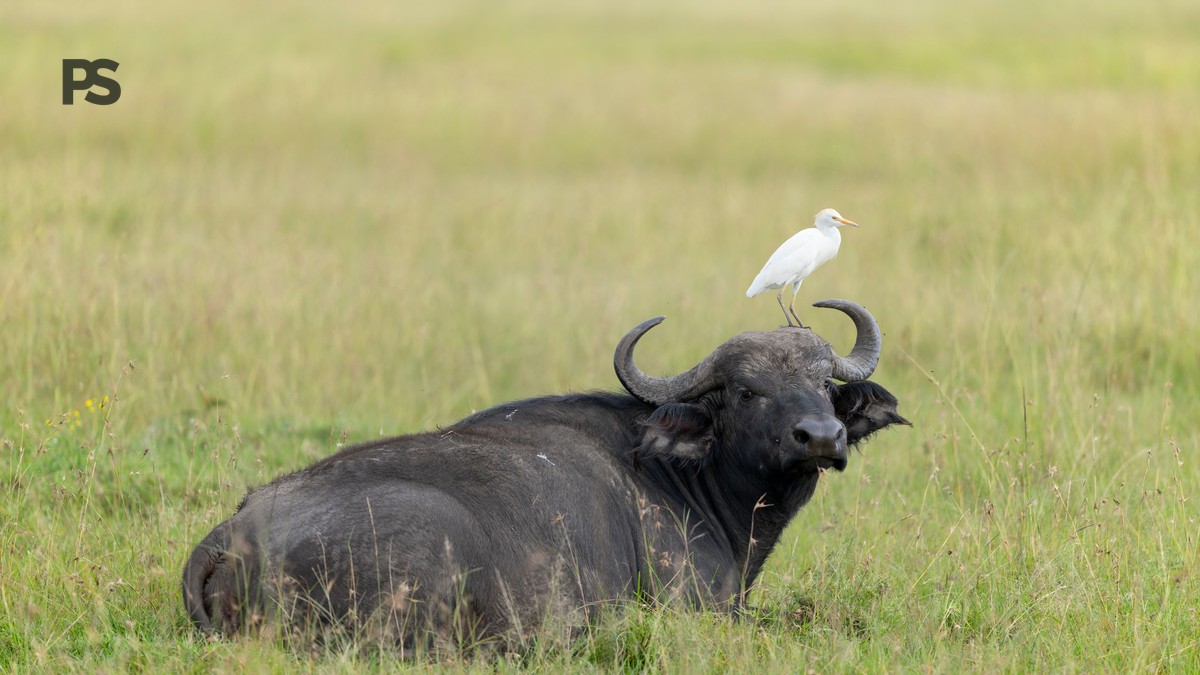
Footwear for Cold Mornings
Closed shoes matter more at dawn than people assume, since feet get cold fast in an open vehicle. A pair of light hiking shoes or trainers with socks works for the drive. If your circuit includes a walking safari, as many Laikipia conservancies offer, pack proper closed hiking boots with ankle support.
What Camps Actually Provide
This is worth knowing before you overpack. Most mid-range and upmarket camps in the Mara, Laikipia, and Samburu hand out fleece blankets in the vehicle each morning, and a good number now offer hot water bottles tucked under the blanket too. Some, particularly in the Mara conservancies, provide ponchos for the rare cold rain shower during the November short rains.
Ask your camp directly what they supply before you buy anything bulky. A fleece blanket the camp already has means you don’t need to pack a second heavy jacket just for the vehicle.
What Not to Bring
Skip the full ski jacket. It’s overkill for Kenya, hard to pack down once the day warms up, and unnecessary given what most camps already provide. Skip heavy cotton hoodies too, since they’re slow to dry and bulky in a duffel bag with a weight limit, often 15kg on light aircraft transfers between camps.
Quick Packing Checklist
- 2 base layer tops, 1 base layer bottom
- 1 fleece or wool mid-layer
- 1 packable down jacket
- Thin gloves, wool beanie, scarf or buff
- Closed walking shoes, hiking boots if walking safaris are planned
- Neutral colours throughout, avoiding black and white
FAQ
How cold does it get on a Kenya safari morning? Expect 5 to 12°C at dawn in most regions during June to September, colder in Laikipia and the Aberdare.
Do I need gloves and a hat for safari? Yes, for the early morning game drive. Both pack down small and you’ll only need them for an hour or two.
Are jackets or blankets provided on safari vehicles? Most camps provide fleece blankets, and many now add hot water bottles. Confirm with your specific camp.
Is it colder in Laikipia than the Maasai Mara? Generally yes, by 2 to 4 degrees, because of the higher plateau altitude.
Does it get cold at night as well as in the morning? Yes, night temperatures often run close to the pre-dawn low, so a fleece is useful at dinner too, especially at higher-altitude camps.
If you’re still working out the basics of a first trip, our guide to first-time Kenya safari packing basics covers the wider list beyond clothing, from malaria tablets to camera gear.
The Plain Safaris Difference
We build every itinerary around the actual conditions of the camps and conservancies we use, not a generic Kenya average. When we brief guests before departure, we tell them exactly what their specific camp provides each morning, whether that’s a hot water bottle at Kicheche Laikipia or a wool blanket in the Mara North Conservancy, so nobody over-packs or gets caught out at 6am. We’ve sat behind the wheel on these tracks enough mornings to know which conservancies keep vehicle numbers low and which routes catch the worst of the wind chill.
Plan Your Trip
Not sure how a cold morning game drive fits into your wider Kenya itinerary? Get in touch through our contact page and we’ll help you plan a circuit, camp by camp, that matches what you actually want to see and feel.