
Short answer: yes, you can go on safari in the rain. Most game drives in Kenya run through light rain and brief showers. What changes is the pace, the driving surface, and how your guide reads the bush. The long rains from late March through May are not the same as a 40 minute afternoon shower in November. At Plain Safaris, we do not pretend rain always improves a safari. It can, but it can also slow you down. The useful question is not just can you safari in rain. The useful question is which rain you are dealing with and what it means for your day.
Can You Safari in Rain? What Happens When It Rains
Yes, in almost all cases. Light rain and short showers rarely stop a drive. Guides keep going, close the roof or side flaps, and use the wet weather to their advantage. Heavy rain is different. A guide may pause the drive, move to higher ground, or wait out a downpour under a tree with clear views. That pause can last 20 to 40 minutes.
Camps and lodges do not cancel a full day because of light or moderate rain. They adjust the plan. Your morning drive may start a little later. Your afternoon drive may be shorter. The midday rest at camp may become a chance to dry off and recharge. The key is that you are in a proper safari vehicle with a guide who knows the tracks, not a minivan sitting idle.
What Happens to a Game Drive During Rain
A good guide treats rain as a routing problem. The animal sightings still happen, but the roads may not cooperate. In conservancies like Mara North and Naboisho, guides can use private internal tracks that public vehicles cannot. That gives you more options when a main track turns slick.
Your guide may choose a shorter loop near camp so the vehicle does not cut up the road. Or they may stick to gravel and higher, sandier lines while the black cotton soil dries. On open plains, rain can flatten the light and make animals easier to spot against green grass. In thick bush, the same rain can hide a leopard in wet leaves. For a drive-by-drive breakdown of what changes, read our guide to whether rain ruins a safari game drive in Kenya.
When Kenya’s Rainy Seasons Actually Occur
Kenya has two wet periods. The long rains run from late March through May, with April and May the wettest months in most safari areas. The short rains usually run from late October through December, and they can spill into early January. The driest months in many parks are January and February, then June through September.
The long rains are the bigger concern. They bring steady rain, grey skies, muddy roads, and some seasonal camp closures. The short rains are often gentler. They arrive as afternoon or evening showers, with good spells of sun in between. If you are new to safari, you need to know which one your dates fall into before you decide.
How Rain Changes Wildlife Sightings
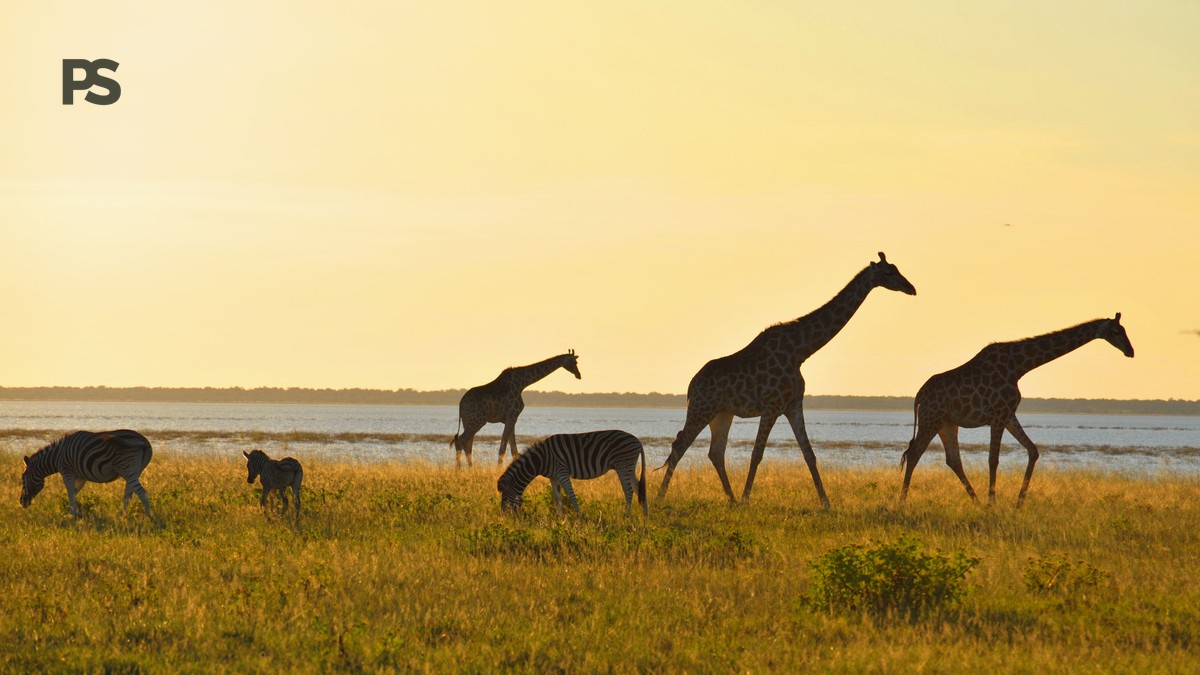
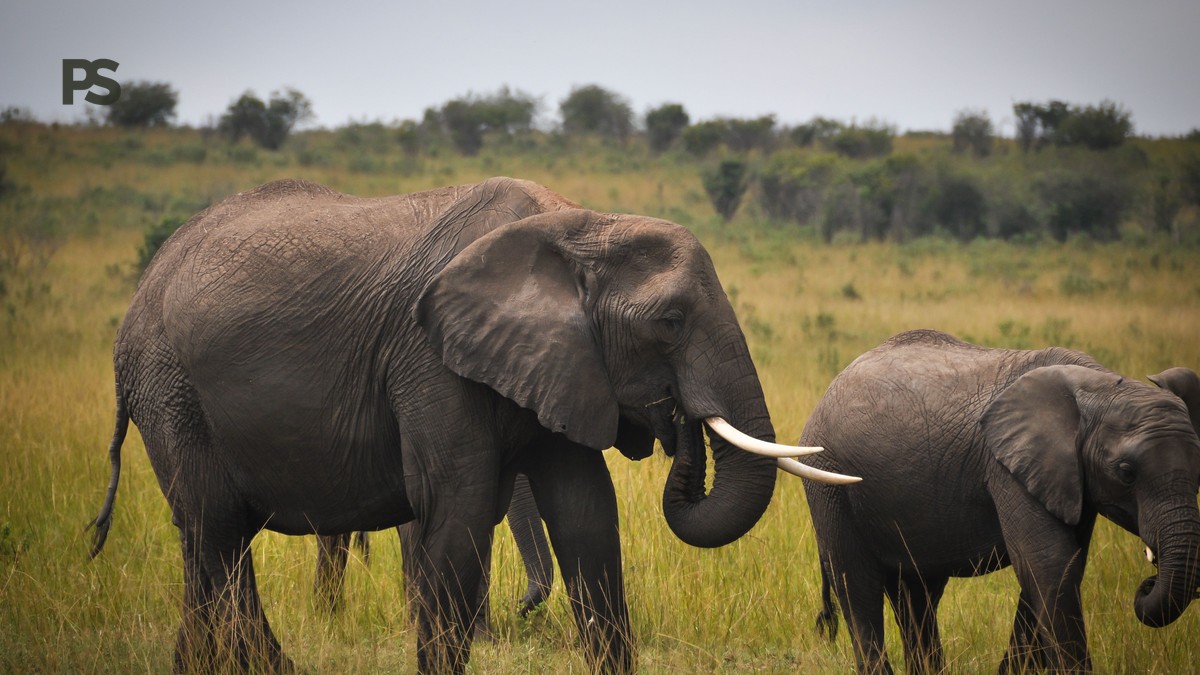
Rain does not make animals appear on cue. It does change behavior. Cooler, overcast days often mean predators are active later into the morning. You may see lions walking long after sunrise, not collapsed under a bush. Elephants and buffalo often enjoy the mud and stay out feeding.
The trade-off is visibility. Long rains bring thicker grass. In the Mara and Amboseli, that can make smaller animals harder to find. Herbivores also spread out because there is water everywhere. They do not need to gather at permanent rivers or waterholes. Sightings can feel less concentrated, but they can also feel more private because fewer vehicles are around.
Dry Season vs Rainy Season: What You Pay and How You Get There
Rainy season travel is usually cheaper and quieter. Masai Mara National Reserve is a good example. It is run by Narok County, not KWS. Its non-resident fee is USD 100 per adult per day from January to June. It rises to USD 200 per adult per day from July to December. Travel in the April or May long rains often means the lower fee, fewer vehicles, and greener scenery. The trade-off is mud and thicker vegetation.
| Park or conservancy | Non-resident adult fee | Approx road distance from Nairobi | Typical dry-season drive time | Rainy-season note |
|---|---|---|---|---|
| Masai Mara National Reserve | USD 100 Jan to Jun, USD 200 Jul to Dec | 250 km to Sekenani Gate | 5 to 6 hours | Green and quieter in Apr-May, but some tracks get slick |
| Amboseli National Park | USD 90 | 240 km to Kimana Gate | 4 to 5 hours | Wet approach roads possible, park itself is open and flat |
| Lake Nakuru National Park | USD 90 | 160 km to main gate | 3 to 3.5 hours | Mostly tarmac, lake road can flood in very heavy rain |
| Tsavo West National Park | USD 80 | 280 km to Mtito Andei Gate | 5 to 6 hours | Black cotton soil turns slick, some routes close |
| Mara North or Naboisho Conservancy | USD 80 to 150 per person per night, bundled | 270 km to conservancy gate | 6 hours plus transfer | Fewer vehicles, guides can switch to internal tracks |
The savings are real, but they come with a time cost. A 6 hour road transfer to the Mara can become 7 or 8 hours after heavy rain. If you are wondering how much all this will cost, start with the real cost of a Kenya safari.
When Rain Disrupts Roads, Crossings, and Camps
The long rains matter most in April and May. Black cotton soil in parts of Tsavo and sections of the Mara becomes sticky and impassable. Some seasonal camps close for these weeks. Most permanent lodges and camps stay open, but they may shift to game drives around the edges of the reserve.
River crossings are a separate issue. In the Mara, the great wildebeest river crossings are a dry-season spectacle, usually July through September. Rain does not stop the Mara River flowing. Heavy rain in the wrong catchment can flood access tracks near crossing points. Guides will not push through fast-moving water, and neither should you. In short rains, crossings are generally not the focus anyway.
Small airstrips can also get muddy. Scheduled flights may be delayed or rescheduled. If you are flying into the Mara or Amboseli, build in a buffer day or choose a camp with a longer all-weather airstrip.
What to Pack and Wear for a Rainy Safari
Wet weather comfort comes down to layers. Mornings can be cold, even in the tropics. A waterproof outer layer, a fleece or softshell mid layer, and quick-dry pants will serve you better than one heavy jacket. Closed shoes or lightweight waterproof boots are better than sandals. The floor of a safari vehicle gets wet and muddy.
Pack a small dry bag for passports, medication, and batteries. Bring a packable rain jacket in your day bag, not in your duffel. If your feet get wet, a spare pair of socks in the vehicle can save the afternoon. Before you start piling gear, check what size duffel bag to take on safari so you do not overpack.
How to Protect Cameras and Electronics
A camera can survive a lot, but not a continuous soak. Use a rain sleeve or a simple plastic cover with a lens opening. Keep a microfiber cloth in a dry pocket. Do not change lenses while the rain is blowing sideways. Wait for a lull, then angle your back to the weather.
Silica gel packets inside your camera bag help with humidity. Spare batteries should live in a dry bag, not in an open seat pocket. Many safari vehicles have charging sockets, but they can be unreliable on wet days. Charge everything at camp overnight.
Safety and Vehicle Considerations
Safari vehicles in Kenya are usually high-clearance four-wheel-drive Land Cruisers with a closed body and a pop-up roof or a canvas cover. That is what you want in rain. A low-clearance van will struggle on muddy tracks. Your guide knows which water crossings are safe and which are not.
Lightning is rare on safari, but it does happen. The safest place is inside the vehicle, with the roof closed if possible. Do not stand under the tallest lone tree. Heavy rain in steep areas can cause flash flooding. A good guide will not drive through a flowing stream. That is where experience matters more than any itinerary.
The Plain Safaris Difference
We plan around rain from the first message. We tell you which months are likely to be wet. We tell you what the park fees actually are in that month, and how long transfers take when roads are soft. We choose camps with all-weather access during the long rains. We avoid routes known to flood. We keep each day flexible enough that a downpour does not wreck the whole trip.
We also tell you the truth. Rain can make a safari greener, quieter, and cheaper. It can also make tracks slower and sightings harder. A good plan handles both. An afternoon storm may mean an earlier return to camp and a longer first-light drive the next morning. That is how you make wet weather work.
If you have your dates, we can tell you what to expect. If you are still deciding when to go, we can help. We compare the same route in dry season and rainy season, so you see the difference before you pay for it.
Plan around the rain, not against it. Tell us your dates and budget, and we will build a route that works in wet or dry weather. Start planning with Plain Safaris.