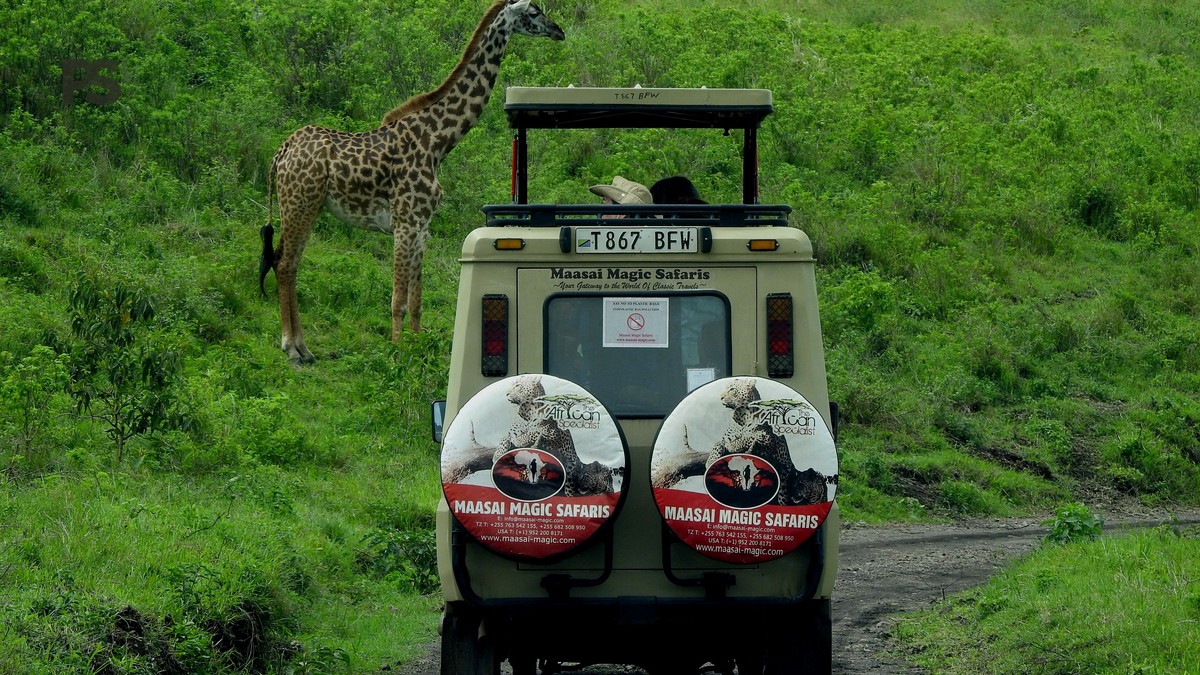
Can pregnant travelers join game drives? For many healthy, low-risk pregnancies, the answer is yes, with planning, a doctor’s approval, and a route that limits rough roads, heat, and distance from medical care. This guide covers how to plan a Kenya safari while pregnant, what to change in your itinerary, and when to skip an activity.
Can pregnant travelers join game drives?
Many travelers with healthy, low-risk pregnancies can join game drives after their obstetrician or midwife approves the full itinerary. Choose a private vehicle, a supportive seat belt, smooth routes, frequent comfort stops, and drives of roughly two to three hours. Do not treat general travel advice as medical clearance for your pregnancy.
The real question is not whether a game drive is safe for every pregnancy, but whether your pregnancy can handle the terrain, heat, and distance to a hospital. On a Masai Mara morning drive, a smooth loop through a conservancy feels very different from a rattling hour along a dry riverbed.
I adjust the route whenever I know a client is pregnant, before we even leave camp. That is easier to do in a private vehicle.
The safest window: second trimester safari
The second trimester, roughly weeks 13 to 27, is usually the most comfortable window for a safari. Early nausea and fatigue often ease, and late-pregnancy travel restrictions are less likely to apply. Timing still depends on individual health, destination, malaria exposure, transfer distances, and your clinician’s approval.
The second trimester is popular for good reason. Morning sickness often settles, energy returns, and airlines are less restrictive before 28 weeks. But the calendar only helps so much. Corrugations on the track from Sekenani Gate into the Mara shake even an empty vehicle, and no trimester makes a fast driver comfortable.
Adapting the drive: private vehicles, shorter routes, comfort stops
Plan shorter morning or afternoon drives instead of full-day outings. Request smoother tracks, sit where jolting is minimized, and stop whenever you need water, food, or a bathroom. A private 4WD gives the guide flexibility to return early, change routes, add rest time, and avoid the roughest sections.
That flexibility matters more than the vehicle brand. A shared vehicle with six other guests runs on a fixed schedule, so if you need to turn back after an hour, everyone goes back. A private booking lets the guide stop for shade, find a bathroom, or call camp and return early without asking permission. Small-group safaris work this way when the group is your own family, but for pregnancy, a private vehicle is safer still. At Plain Safaris, we recommend a private 4WD for any pregnancy safari, even for small groups.
Use a cushion or rolled jacket under the seat belt, and keep the lap strap low across the hips, not over your belly. Ask the guide to avoid dry riverbeds, rocky hills, and deep ruts; most guides will take a longer, smoother route if you ask before the drive starts.
Here is how the main Kenya destinations compare for a pregnancy safari.
| Destination | Road transfer from Nairobi | Typical transfer time | Entrance fee, non-resident | Notes for pregnancy |
|---|---|---|---|---|
| Nairobi National Park | 7 km | 20-40 min | USD 80/day | Easy half-day, close to Nairobi hospitals. |
| Lake Nakuru National Park | 150 km | 2.5-3 hours | USD 90/day | Shorter transfer, lodge near the gate. |
| Amboseli National Park | 240 km | 4-5 hours by road; 40 min flight | USD 90/day | Fly in to avoid a long bumpy drive. |
| Masai Mara National Reserve | about 270 km | 5-6 hours by road; 1 hour flight | USD 100 Jan-Jun; USD 200 Jul-Dec | World-class wildlife, but long transfers. |
| Naboisho or Mara North Conservancy | fly to Mara airstrip, then short drive | 30-60 min | USD 80-150/person/night, bundled | Low vehicle numbers, flexible private drives. |
The Mara National Reserve is run by Narok County, so its fee is set by the county, not by Kenya Wildlife Service. The KWS parks above use current KWS rates. Conservancy fees are bundled into lodge rates and are not gate fees.
A safari while pregnant is a medical question as well as a holiday. Amboseli’s open plains make animals easy to spot, but the road from the gate to many lodges can be washboard-rough. Ask your operator which route the lodge uses before booking.
Activities and routes to skip on a Kenya safari pregnancy
Avoid walking safaris, horseback riding, long bumpy overland transfers, and activities with hard landings unless your healthcare provider and operator explicitly approve them. Night drives and remote routes deserve extra caution because fatigue, rough terrain, limited facilities, and distance from medical care can outweigh the wildlife experience.
Walking safaris look gentle in photos, but mean uneven ground, heat, and no quick way back. Horseback riding can strain your hips and back. Night drives mean reversed schedules and more time from a clinic if something changes. A game drive while pregnant is often the easiest activity to adapt.
Road conditions change quickly in the rainy season. If a route floods, a camp may only be reachable by a longer detour. Check what happens if safari roads close before you depend on a particular track. Leaving the vehicle is only allowed in designated areas; read when safari guests can safely leave the vehicle so you know the rules before your guide stops.
Malaria, medical access, flights, and insurance
Pregnancy planning must cover malaria prevention and medication, nearby hospitals or clinics, evacuation and pregnancy-related insurance, airline documentation, and the operator’s cancellation terms. Ask your doctor about the destination before booking, then confirm airline and bush-flight rules; many carriers require a medical letter later in pregnancy and restrict travel near term.
Kenya’s low-altitude parks, including the coast, Lake Nakuru, and parts of the Mara, carry higher malaria risk than Nairobi and the central highlands. Your doctor can prescribe an antimalarial that is safe in pregnancy. Do not rely on advice from a travel forum.
Medical access varies. A Nairobi hotel is 10 minutes from a good hospital. A Masai Mara camp is often 40 minutes or more from the nearest clinic, with a flight or a long road transfer to Narok or Nairobi for serious care. Ask every lodge for its emergency plan before booking.
Flight rules matter, too. Most airlines require a doctor’s letter after 28 weeks and restrict travel after 32 weeks. Bush flights in Kenya operate on schedules, and weather can delay departure. Build slack into your itinerary and know what to do if safari weather cancels flights.
Insurance is the part travelers skip most often. Many policies exclude pregnancy-related care unless you add a specific rider. Read the fine print and ask whether it covers evacuation from a remote camp.
Plan the route around your comfort
So can pregnant travelers join game drives? Often yes. The better question is whether your route, vehicle, and camp are built around your comfort.
Plain Safaris plans routes this way by default. We keep vehicles to small groups, choose camps with shorter transfers, and let guides change plans when a traveler needs it. We also ask about your doctor’s advice before sending a final itinerary, because the plan that suits one pregnancy may not suit another.
If you are weighing a Kenya safari pregnancy, start with the small questions: How far is the camp from the nearest clinic? Is the last road smooth? Will the guide turn around without being asked twice? Those answers will tell you more than any checklist.
When you are ready, write to us through the contact page. Tell us your dates and what your clinician advised. We will build a route that keeps the wildlife close and the bumps small.