
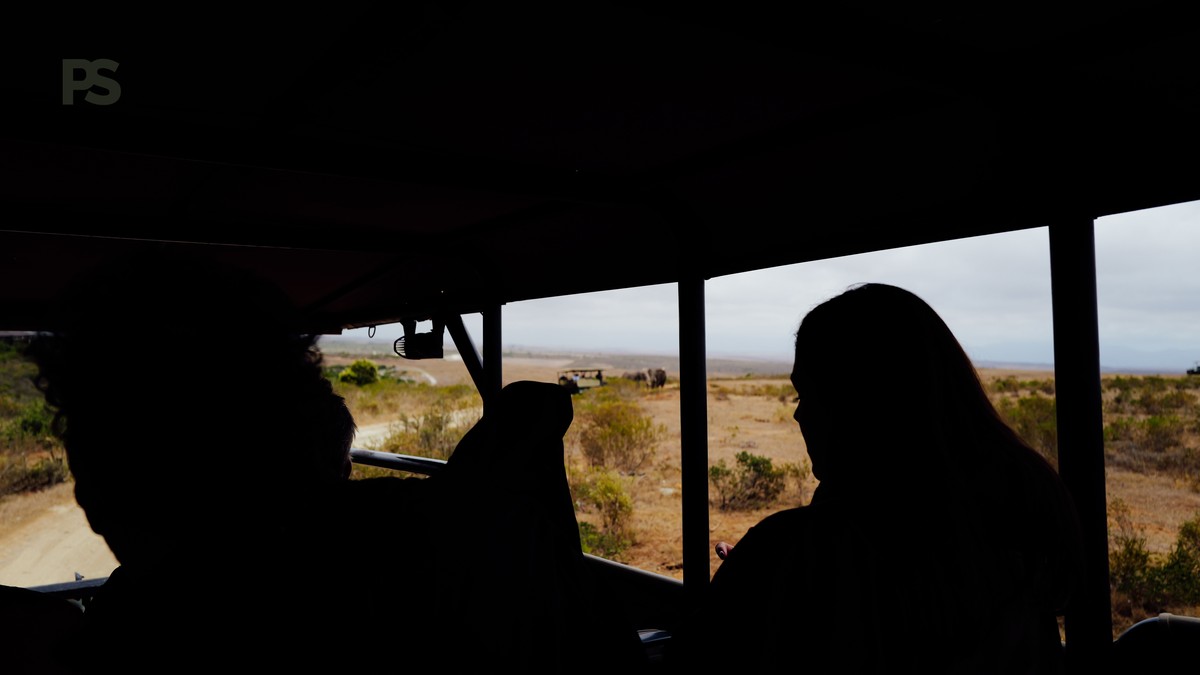
I have sat in a vehicle at Naboisho at 6:15 a.m. watching mist burn off the grass while a lion pride still lay flat from the night’s hunt. That kind of light and that kind of stillness only happen with dry ground under the tires and low humidity in the air. That is the real case for a dry season photography safari kenya trip, not just easier game viewing.
June through October is Kenya’s dry season. Rain stops, grass shortens, and animals gather near the rivers and waterholes that still hold water. For a photographer, that means predictable subjects, clear light, and roads you can actually drive at 5:30 a.m. without getting stuck. But dry season is not one flat block of good conditions. Each month inside it trades something for something else, and the difference matters if you are planning around golden hour, not just a checklist of animals.
Why a Dry Season Photography Safari Kenya Trip Wins for Photographers
Three things change when the rains stop.
First, visibility. Grass in the Mara can reach a meter high in April. By July it is grazed down to ankle height in most conservancies, so cats are not hiding in cover and you get clean, uncluttered frames.
Second, dust. Dry dirt roads throw up fine orange dust that hangs in low light. It sounds like a nuisance, and for your gear it is, but for images it adds warmth and depth to backlit shots, especially around elephant herds at Amboseli where that dust catches the last hour of sun before it drops behind Kilimanjaro.
Third, concentration. Water gets scarce outside the Mara River, the Ewaso Ng’iro in Samburu, and a handful of permanent springs in Amboseli and Tsavo. Animals stop spreading out and start queuing at the same few points, day after day. That predictability is what lets a guide position your vehicle before the light gets good instead of chasing it after the fact.
Month by Month Inside the Dry Season
Competitors lump June to October into one recommendation. That misses real trade-offs.
June is the transition month. Grass is still partly green in the Mara, mornings are cool enough for mist, and camps are not yet full. The wildebeest herds are still in the Serengeti, so this is a quieter month for photographers who want space over spectacle.
July and August bring the Great Migration river crossings at the Mara River, usually around Sand River and Lookout Hill in the Mara Triangle. Light is harsh by 9 a.m. and vehicle numbers at popular crossing points can run into the dozens on the public reserve side. It is the busiest and dustiest stretch of the year.
September and October quiet down as migration crowds thin. Grass is fully cured to gold, skies stay mostly clear, and afternoon light turns warm earlier because the sun sits lower. Camps drop rates slightly after the July to August peak. This is often the sweet spot for photographers who want strong light without elbow to elbow vehicles. It pairs well with a Kenya safari in July peak season if you want to compare both windows before booking.
Best Parks for Dry Season Light
Maasai Mara delivers the highest cat density in Kenya and the migration itself from roughly July through October. Private conservancies like Naboisho and Mara North cap vehicle numbers per sighting, usually five or fewer, which matters if you want a clean frame without three other roofs in it.
Amboseli is the place for wide, atmospheric shots. Elephant herds move against Kilimanjaro’s backdrop, and dry season dust plus low afternoon sun makes for strong silhouette work near Enkongo Narok swamp.
Samburu sits north of the equator in drier country year round, so it holds its own character even in a wet June elsewhere. Reticulated giraffe, Grevy’s zebra, and the Ewaso Ng’iro River give a different palette than the Mara’s green-gold grass.
Tsavo East and West offer red-dust elephants and wide open country with far fewer vehicles than the Mara. Good for photographers who want solitude and are comfortable working longer stretches without a guaranteed sighting.
For photographers who want landscape work alongside wildlife, a landscape photography safari in Chyulu Hills fits well between Amboseli and Tsavo, with rolling green hills that stay photogenic even in dry months.
Parks, Distance, and Fees at a Glance
| Park or Reserve | Distance from Nairobi | Drive Time | Fly Time (Wilson Airport) | Non-Resident Fee (2026) |
|---|---|---|---|---|
| Maasai Mara National Reserve | ~270 km | 5 to 6 hrs | ~45 min | USD 100/day (Jan-Jun), USD 200/day (Jul-Dec) |
| Amboseli National Park | ~240 km | 4 to 5 hrs | ~35 min | USD 90/day |
| Samburu National Reserve | ~325 km | 6 to 7 hrs | ~50 min | Indicative USD 70-100/day (county-run, confirm at booking) |
| Tsavo East National Park | ~250 km | 4 hrs | ~30 min | USD 80/day |
| Chyulu Hills National Park | ~230 km | 4 hrs | ~35 min | USD 40/day |
| Naboisho / Mara North Conservancy | Within Mara ecosystem | n/a | Same as Mara | USD 80-150/person/night, bundled into lodge rate |
Drive times assume the Nairobi-Narok-Mara road or Nairobi-Namanga-Amboseli road in normal dry season condition. Add an hour in the first weeks of June if late rains have softened the murram sections.
Gear and Camera Settings for Dust and Harsh Light
Dry season light is strong and unforgiving by mid-morning. A few adjustments help.
Shoot in shutter priority or manual with a fast shutter, 1/1000s or faster, for action at river crossings or hunts. Dust in the air scatters light and can trick your meter, so check your histogram rather than trusting the LCD preview in bright sun.
Pack a rain cover even in dry season. It doubles as dust protection for your body and lens when the vehicle kicks up a cloud on a dirt track. Change lenses inside a bag or vehicle, never in the open, since dust on a sensor is far harder to fix in the field than a stuck memory card.
Golden hour runs roughly 6:15 to 7:15 a.m. and 5:45 to 6:45 p.m. in dry season months, shifting slightly earlier as the year moves toward October. For deeper detail on aperture and ISO choices across these conditions, see our guide to the best camera settings for Kenya game drives.
Vehicles and Guide Positioning
A private vehicle matters more for photographers than for general travelers. Shared vehicles mean compromise on angle, and a guide who does not know photography will park nose-in instead of giving you a side profile.
Look for a pop-up roof hatch rather than a fixed roof, since it lets you shoot standing without a window frame cutting your composition. Ask your guide in advance about positioning for backlight versus front light, and build in time to wait at a sighting rather than moving on after five minutes. Patience is what separates a photography-focused itinerary from a standard game drive.
Dry Season vs Green Season
Green season, roughly November through May, brings dramatic skies, newborn animals, and far fewer vehicles. But grass is tall, roads can be muddy, and the migration herds are out of Kenya entirely from November to June. Dry season trades that solitude for reliable light, concentrated wildlife, and passable roads, at the cost of more dust and, in July and August, more crowds at the famous crossing points.
Planning Your Trip: Duration and Pricing
Plan for at least 7 days to cover two ecosystems properly, for example Mara and Amboseli, with 3 nights in each and a travel day between. A 10 to 12 day circuit adds Samburu or Tsavo without feeling rushed.
Photography-focused trips with a private vehicle and experienced guide typically run from USD 450 to USD 900 per person per night depending on camp category, before international flights. Book September and October dates by March if you want specific camps near river crossing zones, since those rooms fill first.
The Plain Safaris Difference
We build dry season itineraries around light, not just a species list. That means placing you in camps like those bordering Naboisho or the Mara Triangle, close enough to reach a crossing point or a cat sighting before the sun clears the treeline, and choosing private conservancy access where vehicle numbers stay capped. Our guides know which waterhole draws elephants at 4 p.m. in August and which Samburu riverbank holds shade for a midday break between shoots. We plan drive times honestly, including the extra hour a soft June road can cost you, so your schedule matches reality instead of a brochure estimate.
Quick Answers
When is the best time for a photography safari in Kenya? September and October usually give the best mix of strong light, thinned crowds, and dry roads. July and August offer the migration crossings but come with more vehicles and harsher midday sun.
Is the Great Migration the best time for photography, or is it too crowded? It depends on your priority. Crossing scenes are dramatic but crowded at the main points in the Mara Triangle. Conservancies like Naboisho give quieter cat and landscape shots during the same weeks.
Do you need a private vehicle for a photography safari? Yes, if you want control over positioning and timing. Shared game drives compromise on angle and dwell time at a sighting.
How many days do you need for a good wildlife photography safari? Seven days covers two ecosystems well. Ten to twelve days lets you add a third park without rushing between camps.
Ready to Plan Your Dry Season Trip
If you want a dry season photography safari built around your camera bag and not a generic tour template, get in touch through our contact page and tell us which months and parks you are weighing. We will help you match camps, light, and crowd levels to what you actually want to shoot.