
Black rhino tracking Laikipia Kenya trips split into two kinds: walking with an armed ranger, or watching from a vehicle. Most pages that mention black rhino tracking in Kenya are really describing Sera or Saruni Rhino, over in Samburu. That is a real and different experience. If you want black rhino tracking in Laikipia specifically, you need to know which conservancies actually put you on the ground with an armed ranger, and which ones keep you in a vehicle for good reason.
This guide sorts that out, conservancy by conservancy, with real distances, real fee ranges, and a plain statement up front: no rhino sighting is guaranteed, on foot or otherwise. For more on that, see our note on why wildlife sightings are never fully guaranteed.
What Black Rhino Tracking on Foot Actually Involves
True foot tracking means walking with a guide and at least one armed ranger, following spoor, dung, and radio updates from other ranger teams already in the field. Most conservancies also fit collared rhinos with GPS units, so trackers often know a rough location before anyone laces up boots.
A typical outing runs two to four hours. You walk in single file, stop often, and keep well back once a rhino is spotted, usually 30 to 50 meters, more if the wind or the animal’s mood calls for it. Black rhinos have poor eyesight but sharp hearing and smell, and they startle easily. Guides read body language constantly and will pull the group back at the first sign of stress.
This is not the same as a game drive that happens to pass a rhino. Vehicle sightings are quicker, less physically demanding, and involve no walking risk. Foot tracking is slower, more expensive, and depends on fitness and patience.
Black Rhino Tracking Laikipia Kenya: Conservancy by Conservancy
Laikipia holds one of the largest black rhino populations left in Kenya, spread across a handful of private conservancies. They are not interchangeable.
Lewa Wildlife Conservancy and Borana Conservancy sit side by side and manage their rhinos as one landscape, the Lewa-Borana Landscape. Both offer genuine walking safaris with rangers, and rhino tracking on foot is part of the guest experience at both, arranged through your camp.
Ol Pejeta Conservancy, the largest black rhino sanctuary in East Africa, mostly tracks by vehicle. Ol Pejeta carries a large, valuable rhino population and manages liability accordingly, so guest walks near rhinos are limited and closely controlled. If a page promises open foot tracking at Ol Pejeta, treat that claim carefully.
Loisaba Conservancy reintroduced black rhinos in September 2021, after roughly 50 years without them, using founder animals moved from Lewa and Ol Pejeta. The Loisaba Rhino Sanctuary is still young and growing, so tracking there leans more on vehicles while the population and the ranger routines mature.
Segera is not currently a dedicated rhino tracking destination. It is worth visiting for other wildlife and its conservation work, but do not book it expecting a rhino tracking product.
| Conservancy | Foot Tracking | Black Rhino Population (indicative) | Distance from Nanyuki | Tracking Fee (indicative, on top of conservancy fee) |
|---|---|---|---|---|
| Lewa Wildlife Conservancy | Yes, with armed ranger | 70-90 | ~90 km, 1.5-2 hrs | USD 50-100 per person |
| Borana Conservancy | Yes, with armed ranger | 40-50 | ~100 km, 1.5-2 hrs | USD 50-100 per person |
| Ol Pejeta Conservancy | Mostly vehicle-based | 140-160 | ~10 km | Included in guided drive rate |
| Loisaba Conservancy | Limited, mostly vehicle | 20-30 (growing) | ~100 km | USD 40-80 per person |
| Segera | Not a core offering | Low / not a tracking focus | ~140 km | Not applicable |
All population and fee figures above are indicative ranges. Confirm exact numbers with the conservancy or your camp before booking, since rhino counts shift with births, transfers, and security incidents.
Black Rhino Conservation Status and Population
Black rhinos are listed as Critically Endangered by the IUCN. Kenya’s national population has recovered from a low point in the 1980s, when poaching nearly wiped the species out, to just over 1,000 animals today, with Laikipia holding a large share of that number.
Every rhino in Laikipia’s conservancies is monitored, many with ear notches and some with GPS collars, and protected by dedicated ranger units. Tracking fees you pay as a visitor go directly toward funding that protection, not just toward the walk itself.
Best Time of Year for Rhino Tracking
Rhino tracking runs year round, since rhinos do not migrate. Weather still matters for the experience itself.
The dry months, January to March and June to October, keep ground firmer and vegetation lower, which makes spoor easier to read and visibility better for photography. The long rains, April and May, thicken the bush and can make walking harder underfoot, though camps rarely close and rates often drop.
For photographers, the dry season also brings clearer light and dust that catches the early morning sun, useful for the low golden hour shots that make a rhino photo stand out from a standard daylight frame.
Where to Stay by Conservancy
Camp choice decides how close you are to first light. Staying inside the conservancy where you plan to track cuts your pre-dawn drive to a few minutes instead of an hour or more.
At Lewa, camps like Lewa Safari Camp and Lewa House sit inside the conservancy boundary. At Borana, Borana Lodge sits on a ridge with views over the whole landscape. At Ol Pejeta, options range from Kicheche Laikipia to Sweetwaters Serena, both inside the conservancy fence. At Loisaba, Loisaba Tented Camp and Loisaba Star Beds put you close to the young rhino sanctuary area.
Booking inside the conservancy also means shorter drives back after dark and less time lost to gate logistics each morning.
Getting to Laikipia
Most visitors fly into Nanyuki or one of the private conservancy airstrips from Nairobi’s Wilson Airport, a flight of roughly 45 to 55 minutes on scheduled carriers. Driving from Nairobi to Nanyuki covers about 200 km and takes three to three and a half hours on a paved road. For a full breakdown of how far Laikipia is from Nairobi and other parks, it helps to plan drive days against flight days before you book.
Kenya requires an Electronic Travel Authorization (eTA) for most visitors, applied for online before arrival. Fees and rules change occasionally, so confirm current requirements close to your travel date rather than relying on older information.
Safety, Rangers, and How Tracking Works
Every foot tracking outing at Lewa and Borana includes at least one armed ranger alongside your guide. Rangers carry radios and stay in contact with other patrol teams, who often report a rhino’s rough location before your walk even starts.
Guides brief every group beforehand on how to behave: stay quiet, stay in line, and follow instructions immediately if told to move back. Children under a set minimum age, usually around 12 to 15 depending on the camp, are often not permitted on tracking walks, so check with your specific lodge if traveling with kids.
Fitness matters more than most guests expect. Walks cover uneven ground for two to four hours, sometimes at altitude above 1,800 meters, so a reasonable base level of fitness makes for a far better outing.
Other Wildlife Seen While Tracking
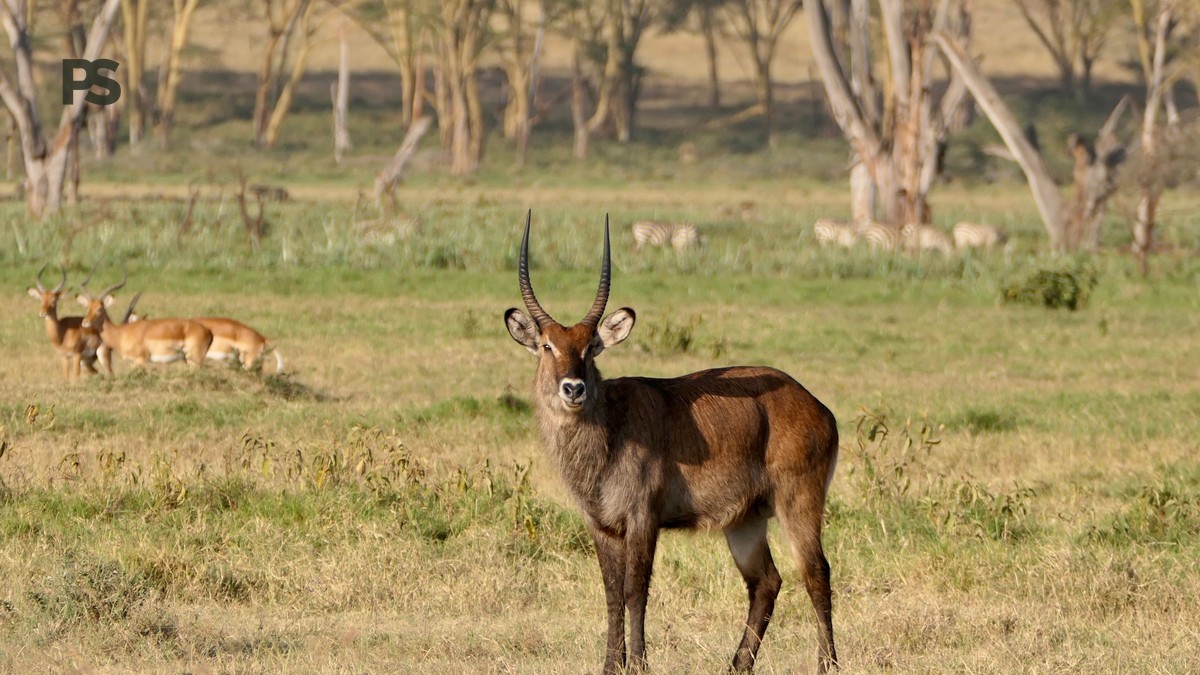
Rhino tracking rarely delivers only rhinos. Laikipia’s conservancies also hold healthy numbers of Grevy’s zebra, found almost nowhere else in East Africa, along with reticulated giraffe, elephant, and resident lion and leopard. Walks often turn up smaller sightings too, like dik-dik, warthog, and a wide range of birdlife, which keeps a slow morning interesting even before you find your rhino.
Booking Advice and Lead Time
Book tracking excursions through your camp at least a few weeks ahead during the busier dry season months. Ranger teams and guest numbers on any given walk are limited by design. Some camps cap the number of guests per tracking group at four to six people, which keeps the experience quieter but means slots fill early.
If you are weighing Laikipia against the Maasai Mara for this trip, it helps to think about building an itinerary that skips the Maasai Mara for Laikipia rather than trying to force both into one short visit.
The Plain Safaris Difference
We tell you plainly which conservancy actually offers foot tracking and which one is mostly a vehicle experience with a rhino theme. We have driven these roads between Nanyuki, Lewa, and Borana, and we know which camps sit close enough to the boundary to save you an hour of driving before sunrise.
We build itineraries around your fitness level and your patience for slow mornings, not around a generic checklist. If photography matters to you, we place you at camps positioned for early light, not just proximity to a gate.
Ready to Plan Your Laikipia Trip
If black rhino tracking on foot is the centerpiece you want for your Kenya trip, we can build a Laikipia itinerary around Lewa and Borana, with Ol Pejeta added for its vehicle-based encounters and Grevy’s zebra. Get in touch through our contact page and tell us your travel dates, and we will put together a route that matches your fitness, your budget, and your camera bag.