
November confuses a lot of first-time safari planners. A Kenya safari in November comes down to weather and wildlife trade-offs: you’ve read that it’s rainy season, so you assume the parks are a washout. Then you see the low prices and wonder what the catch is. Here’s the honest picture, from someone who has actually driven these roads in November mud.
Kenya Safari in November: Weather and Wildlife Basics
Kenya’s short rains fall from roughly late October through December. They are not a monsoon. Most days bring a few hours of rain, usually a sharp afternoon or early evening storm, followed by clear skies. Mornings are often dry and bright, which is exactly when you want to be out on a game drive anyway.
Rainfall totals vary a lot by region. The Mara sees the heaviest showers, often 80 to 120mm across the month. Amboseli and Tsavo, further south and drier by nature, usually get less, closer to 40 to 70mm. Samburu, in the north, tends to stay drier still.
Temperatures stay comfortable everywhere. Nairobi runs about 12°C at night to 24°C by day. The Mara sits in a similar range, maybe a degree or two warmer. Amboseli, at lower elevation, gets warmer afternoons, often 28°C to 30°C, with Kilimanjaro visible on clear mornings before cloud builds up.
Does It Rain Every Day?
No. Expect rain on maybe half the days, and even then, it’s rarely an all-day event. Roads inside the parks are murram or dirt, so a heavy storm can turn a track soft for a few hours. Camps that keep their own graders, which most established Mara and Amboseli lodges do, clear the main routes fast. Airstrips stay usable throughout November; flight schedules rarely change.
Wildlife Viewing: What Actually Happens in November
This is where park choice matters more than most blogs admit. The wildebeest migration herds that fill the Mara from July through October start moving back into the Serengeti in Tanzania during November, following the rain south. They don’t vanish overnight, some stragglers linger into early December, but the huge river-crossing drama is over. If a Mara river crossing is your main goal, November isn’t it.
That doesn’t mean the Mara goes quiet. Resident lion prides, leopards, and the Mara’s year-round elephant population are all still there. But grass grows fast once the rains start, and long grass makes cats harder to spot from a vehicle.
Amboseli and Tsavo tell a different story. Both parks sit near permanent swamps and rivers, so animals don’t need to chase seasonal water. Amboseli’s elephant herds, including Amboseli’s super tusker elephants, stay close to the Enkongo Narok and Olokenya swamps right through November. Tsavo’s Galana River keeps big cats, buffalo, and elephant concentrated along its banks even after rain scatters game elsewhere. For a first safari built around reliable sightings, Amboseli and Tsavo hold their ground better than the Mara this month.
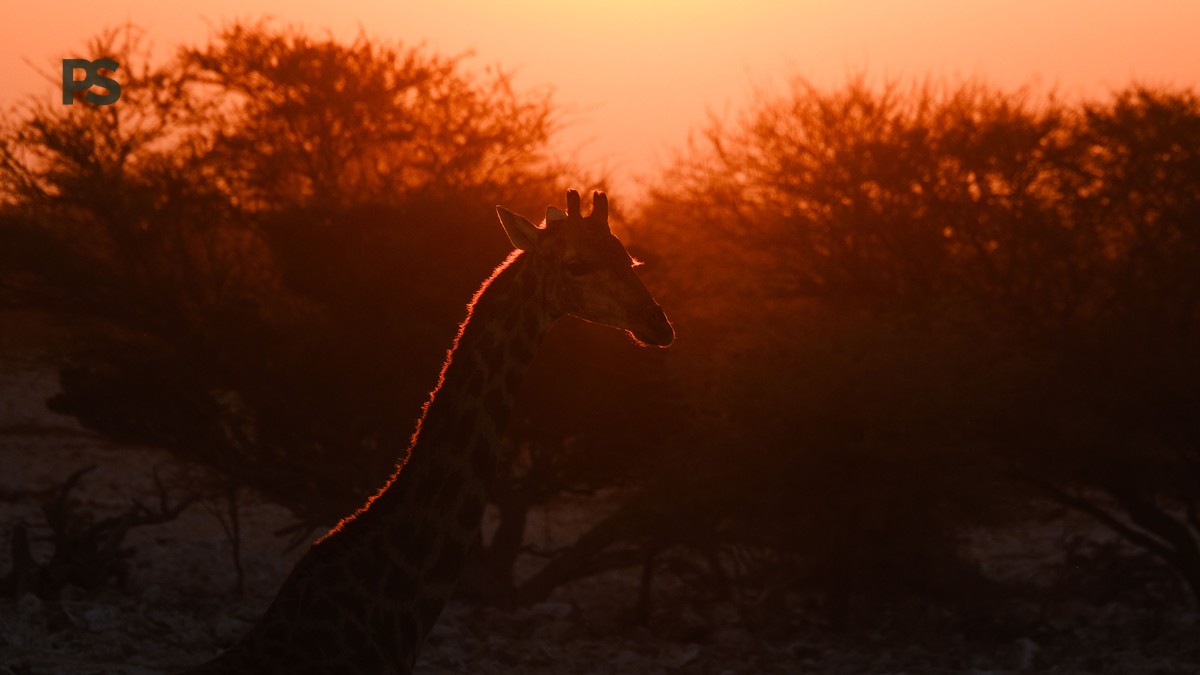
November also means newborns. Impala, warthog, and many antelope drop young once fresh grass comes in, which draws predators into more active hunting behavior, especially at dawn.
Park-by-Park Comparison
| Park/Reserve | Nov Rainfall | Non-Resident Entry Fee | Drive Time from Nairobi | November Outlook |
|---|---|---|---|---|
| Masai Mara National Reserve | Heaviest, 80-120mm | USD 200/adult/day (Jul-Dec rate) | 5-6 hrs by road, or 45-min flight | Migration herds departing; resident predators still present, grass tall |
| Amboseli National Park | Moderate, 40-70mm | USD 90/adult/day | 4 hrs (240km) by road | Strong; elephants stay near permanent swamps |
| Tsavo West / East | Light-moderate, 30-60mm | USD 80/adult/day | 4 hrs (240km) via Mombasa Road | Strong; wildlife holds along Galana River |
| Samburu National Reserve | Lighter, drier north | USD 70-100/adult/day (indicative) | 5-6 hrs (325km) by road | Good; drier climate keeps game near Ewaso Nyiro River |
| Lake Nakuru National Park | Moderate | USD 90/adult/day | 2.5-3 hrs (160km) | Good for rhino and flamingo, less rain-affected |
Naboisho and Mara North conservancies, the private reserves bordering the Mara, run their own vehicle limits and typically bundle conservancy fees into nightly lodge rates, usually USD 80-150 per person per night on top of accommodation.
Birding Season Highlights
November rewards anyone who packs binoculars. Migratory birds from Europe and Asia start arriving to escape their winter, overlapping with Kenya’s resident species right as insect life explodes after the rains. The Mara, Lake Nakuru, and the Kerio Valley all see strong activity this month. If you want a target list before you go, Plain Safaris has Kenya’s Birding Big Six checklist worth checking against your route.
Pricing: How Much You Actually Save
November sits in Kenya’s low season for most camps outside the Mara, where the July to December conservancy and reserve fee stays at peak level regardless of rain. Outside the Mara, expect camp rates 20% to 35% below the June to October and December-January high season. A mid-range Amboseli tented camp that runs USD 350 to 450 per person per night in peak months often drops to USD 250 to 320 in November. Tsavo and Samburu see similar discounts. Because the Mara reserve fee itself doesn’t drop, Mara camps discount less, often just 10% to 15%.
Beyond Game Drives
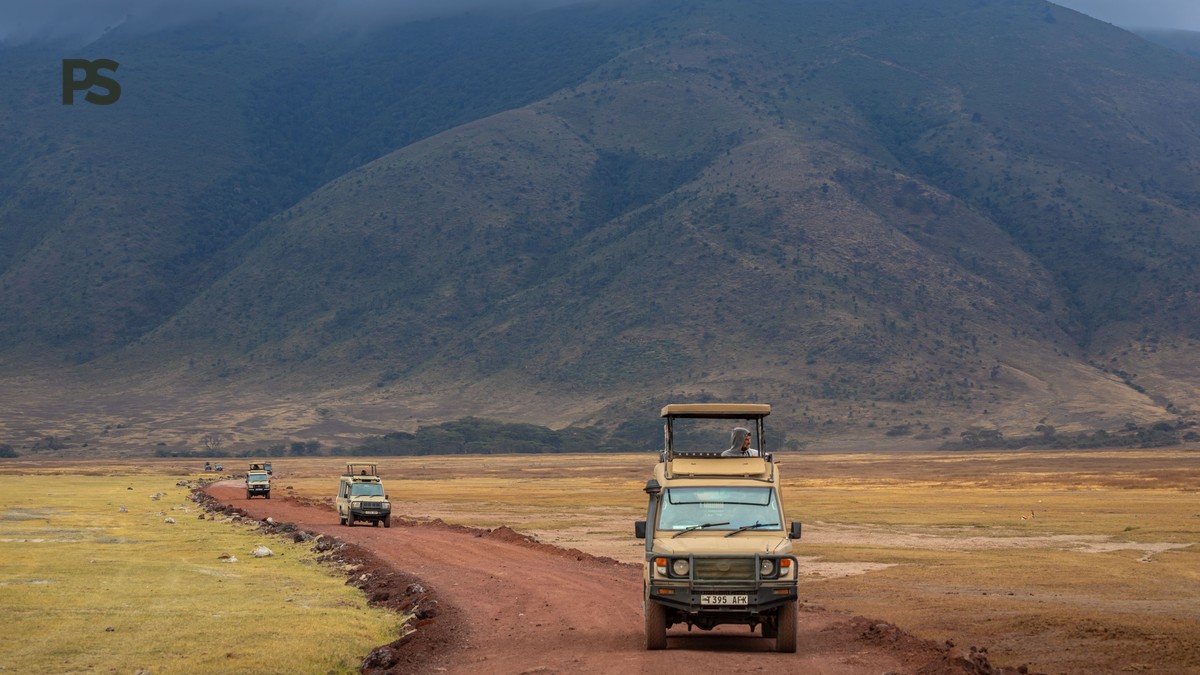
Overcast light after a storm makes for strong photography, softer shadows and dramatic skies over the plains. Amboseli in particular is known for this kind of light against Kilimanjaro’s backdrop. Cultural visits to Maasai and Samburu communities run as normal in November, and most lodges keep guided walks and night drives (where permitted, mainly in conservancies) on the schedule year-round.
Packing for November
Bring a light rain jacket, not a heavy one. Layers matter more than waterproofing, since mornings are cool and afternoons warm up fast between showers. Pack quick-dry clothing, closed shoes for muddy tracks, and a dry bag for camera gear during transfers. A basic insect repellent matters more this month, since standing water after rain brings out mosquitoes.
November vs. August: Which Should You Pick?
If you want to compare it to Kenya’s dry-season conditions in August, the short version is this: August gives you the migration at its peak in the Mara, dust, crowds, and top-tier prices. November gives you fewer vehicles at sightings, lower rates outside the Mara, and strong elephant and predator activity in Amboseli and Tsavo, traded against tall grass and lighter migration numbers up north. Neither month is wrong. It depends on whether river crossings or quiet, good-value game viewing matters more to you.
FAQ
Is a Kenya safari in November a good idea? Yes, especially for Amboseli and Tsavo, where wildlife stays near permanent water regardless of rain.
Is November low season or peak season? Low season for most camps, though Mara conservancy and reserve fees stay at their July-December peak rate.
Do the short rains push the migration back to Tanzania? Yes. Most herds move south into the Serengeti during November, though some stragglers remain into early December.
Are roads and camps accessible during the short rains? Generally yes. Storms are short, and established camps maintain their own tracks and airstrips.
The Plain Safaris Difference
We plan November trips around water, not weather forecasts. That means building your circuit around Amboseli’s swamps and Tsavo’s Galana River when the Mara’s grass gets tall, or timing a short Mara add-on for the resident prides that never leave. We know which conservancy gates keep vehicle counts low this time of year, how far each lodge sits from its nearest river crossing, and what a family with young kids needs on a multi-day circuit between parks. You get straight answers on cost and logistics before you commit, not a generic itinerary.
Plan Your November Safari
November rewards travelers who go in with the right expectations and the right route. If you’d like help building a circuit around Amboseli, Tsavo, and a well-chosen Mara conservancy, get in touch through our contact page and we’ll put together options that match your dates and budget.