
The best time Kenya safari Italian speakers choose depends on what you want to see, how you handle heat, and your budget. For Italian speakers, there is another layer: you want a guide who explains things in your language. You want prices in euros that make sense. You want a safari that feels like yours, not a bus tour.
I have driven these roads for years and know which gates open early and which conservancies keep vehicle numbers low. This guide gives you the honest month-by-month picture, with real distances, real fees, and real camp names.
The Best Time Kenya Safari Italian Speakers Should Book
For most photographers and first-time safari goers, the best months are June to October. This is the dry season, when grass is low, animals gather at water sources, and the Great Migration fills the Masai Mara.
For Italian travelers who want to combine safari with the coast, January to February is a strong second choice, with dry weather, thinner crowds, and a perfect beach.
Avoid April and May. The long rains turn roads into mud, many camps close, and wildlife viewing drops sharply.
Dry Season vs. Rainy Season: What It Really Means
Kenya has two rainy seasons and two dry seasons. The long rains run from April to June, and the short rains run from November to December. The dry months are January to March and July to October.
The dry season is not just about avoiding rain. It is about visibility. In the Masai Mara, grass stands chest-high after the rains, and a lion ten meters away can go unseen. In July, the grass is shorter, animals are easier to spot, and the light is cleaner for photography.
The green season has its own appeal. From November to March, the landscape is lush, tourists are fewer, and prices drop by 20 to 30 percent. Birds are spectacular, especially for a birdwatching safari in Kenya for Italian speakers.
The Great Migration: When and Where
The Great Migration is the biggest draw. Over 1.5 million wildebeest move between Tanzania’s Serengeti and Kenya’s Masai Mara.
The river crossings in the Mara usually peak from July to October, but they are not guaranteed on any given day. I have seen weeks with multiple crossings and weeks with none. For the best odds, plan for mid-August to mid-September.
The Masai Mara National Reserve charges USD 200 per adult per day from July to December. That is steep, so consider a private conservancy like Mara North or Naboisho, where vehicle numbers are capped and you can drive off-road. The fee is bundled into your lodge rate, typically USD 80 to 150 per person per night, which includes guiding, game drives, and meals.
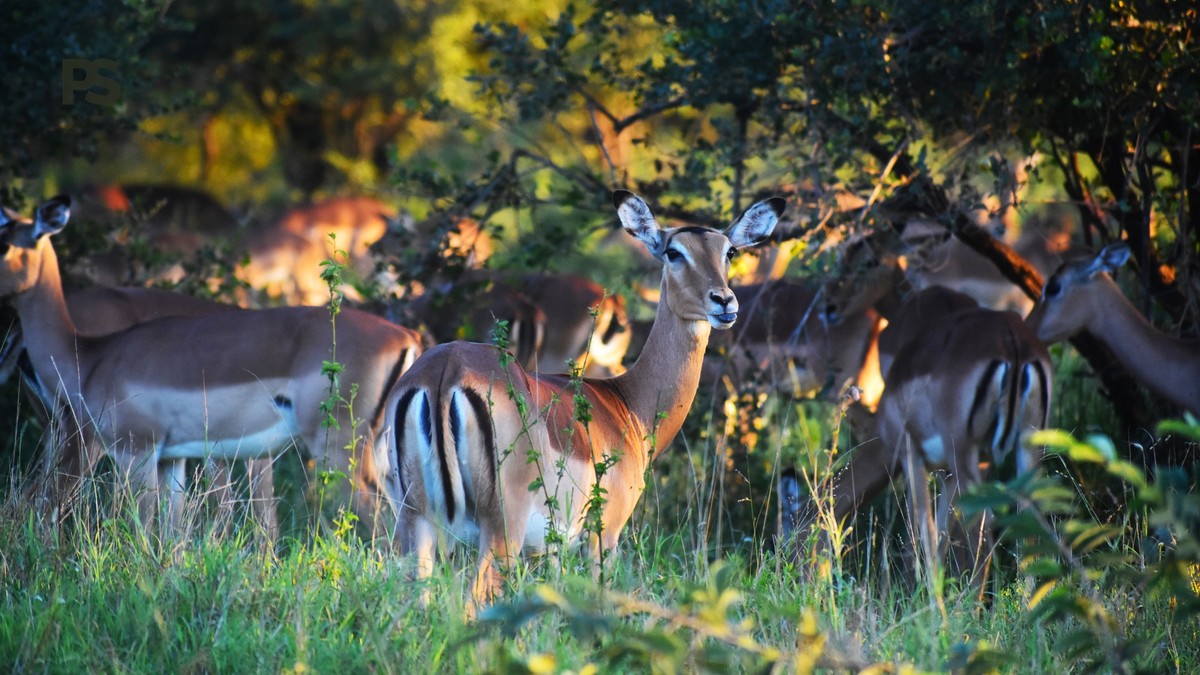
Month-by-Month Table
| Month | Season | Wildlife Highlights | Crowds | Price Level | Park Fee Notes (Masai Mara) |
|---|---|---|---|---|---|
| Jan | Dry | Calving season in Serengeti, big cats in Mara | Low | Moderate | USD 100/day |
| Feb | Dry | Excellent general game, dry grass, clear light | Low | Moderate | USD 100/day |
| Mar | Dry (start of rains late month) | Good, then green season starts | Low | Lower | USD 100/day |
| Apr | Long rains | Many camps closed, poor roads | Very low | Lowest | USD 100/day (but avoid) |
| May | Long rains | Same as April, some camps reopen mid-month | Very low | Lowest | USD 100/day (mostly avoid) |
| Jun | Start of dry | Grass thinning, migration enters Mara | Moderate | High | USD 100/day (rises to 200 in July) |
| Jul | Dry | Migration in northern Mara, river crossings | High | High | USD 200/day |
| Aug | Dry | Peak migration, best crossing odds | Very high | Highest | USD 200/day |
| Sep | Dry | Migration still in Mara, excellent photography | High | High | USD 200/day |
| Oct | Dry | Migration starts heading back south | Moderate | High | USD 200/day |
| Nov | Short rains | Green season, birds, fewer tourists | Low | Lower | USD 200/day |
| Dec | Short rains easing | Green and lush, good for beginners | Moderate | Moderate | USD 200/day |
Park-by-Park Timing
Masai Mara National Reserve and Conservancies
The Mara is the heart of Kenyan safari. From June to October, it is the place to be. From November to May, the wildlife is still there, just more spread out.
For photographers, I recommend the private conservancies over the main reserve. In the Mara North Conservancy, you rarely see more than three vehicles at a sighting, versus twenty in the reserve. Camps like Kicheche Mara Camp and Saruni Mara sit inside these conservancies and position vehicles for golden hour light.
Amboseli National Park
Amboseli is famous for elephants and views of Mount Kilimanjaro. The best time is the dry season from June to October. The grass is low, and the elephants are a spectacle. But the park can be busy in August.
The wet season from November to March is underrated, with dramatic skies and good light over the swamp. Entry fee is USD 90 per adult per day. The park is about 240 kilometers from Nairobi, four to five hours by road.
Samburu and the North
Samburu National Reserve sits in the arid north, home to species you cannot see in the Mara: Grevy’s zebra, reticulated giraffe, and Somali ostrich. The best time is the dry season from June to October, when the Ewaso Ng’iro River becomes a lifeline for wildlife.
Samburu is about 340 kilometers from Nairobi. A drive takes five to six hours. You can also fly from Wilson Airport to Kalama Airstrip in about an hour. The landscape is rocky and stark, and at first light the shadows run long.
Tsavo East and West
Tsavo is the largest park complex in Kenya, less famous than the Mara but wilder. The dry months from June to September are best, when red dust and baobab trees give a different photographic palette.
Tsavo East is about 320 kilometers from Nairobi. Entry is USD 80 per adult per day. The Yatta Plateau and Galana River are the main features, and you can spend two days here without seeing another vehicle.
Months to Avoid
April and May are the months to skip for most travelers. The long rains make most dirt roads impassable. Many camps in the Mara and Amboseli close completely. The coast still works, but inland safaris are risky.
If you can handle mud, late May can be a bargain, with camps reopening at rates 40 percent lower.
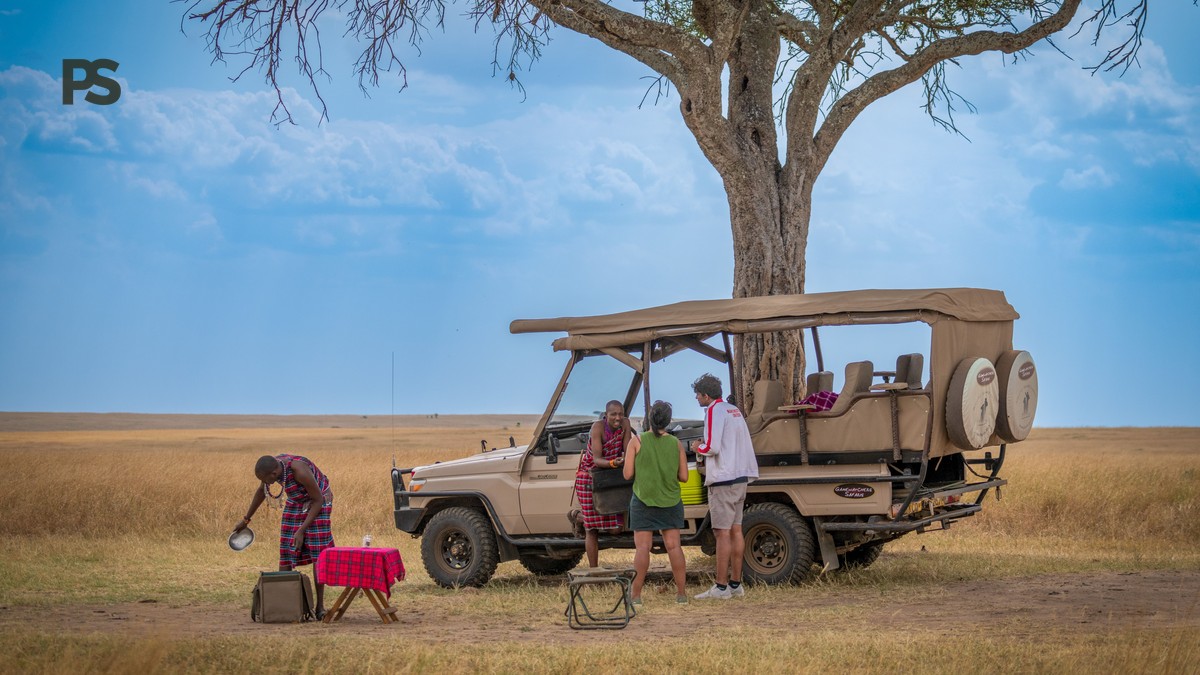
Safari and Mare: The Combo
Many Italian travelers want a week of safari plus a week on the coast, a great plan. The best seasons for both are January to February and September to October.
The coast around Diani Beach, Watamu, and Malindi is hot and humid year-round. The long rains in April and May affect it too, but less than the highlands. The ocean stays warm, around 27°C.
For the combination, fly from the Mara airstrip to Mombasa or Ukunda Airstrip, about an hour and a half. Do not drive the 700 kilometers from the Mara to the coast. It takes two full days and the roads are rough.
Italian-Speaking Guides: How to Book Directly
This is where most tour operators fail, selling a generic package with an English-speaking guide. For Italian speakers, the experience is richer when you understand every nuance.
Book directly with a boutique operator that employs Italian-speaking guides. Many grew up in Kenya but studied Italian in Italy or at the University of Nairobi, and they know the cultural references and photography terms you care about.
Ask for a guide by name, how many years they have driven in the Mara, and whether they know the private conservancy gates. A good guide charges more, typically USD 120 to 180 per day on top of the camp rate. It is worth every euro.
The Plain Safaris Difference
At Plain Safaris, we do not sell bus tours. We build itineraries around your pace and your lens. If you are a wildlife photographer, we tell you which camp sits closest to the best river crossing and how far the lodge is from the gate. We also tell you which morning the light will hit the escarpment just right.
We know the drive times because we drive them. From Oloolaimutia Gate to Kicheche Valley Camp in the Naboisho Conservancy, expect roughly 45 minutes over rough track, depending on conditions. Angama Mara sits on the opposite side of the reserve, on the Oloololo Escarpment above the Mara Triangle. Driving from Oloolaimutia Gate to Angama Mara can take three to four hours across rough terrain. We often book guests on a short flight between Mara airstrips instead.
We also handle the logistics that trip up Italian travelers: flights between airstrips, eSIM cards, tipping guidelines in euros, and the visa process. You can get your eTA online, but we guide you through it step by step.
For a honeymoon, we build in private sundowners and a hot air balloon ride over the Mara. Our honeymoon safari in Kenya for Italian speakers is a good starting point.
Practical Costs: What to Budget
A mid-range safari for two people costs between USD 350 and 600 per person per day, including lodging, meals, park fees, and guided game drives in a private 4×4.
Luxury camps like Angama Mara or Mahali Mzuri run USD 1,000 to 1,800 per person per night, including premium wines and sundowners.
Budget tips of USD 10 to 15 per person per day for your guide and USD 5 for camp staff. Bring cash in US dollars, small bills, since most camps have no ATMs.
What to Pack for a Safari
Pack light, but think in layers. Mornings in the Mara can be 10°C, afternoons reach 28°C.
- Neutral clothing: khaki, olive, beige. No bright colors.
- A fleece jacket for dawn game drives.
- A wide-brimmed hat and high-SPF sunscreen.
- Binoculars, a good pair costs USD 150 and changes everything.
- A 100-400mm lens and a beanbag, which beats a tripod in a vehicle.
- Insect repellent with DEET and a power bank, since camp solar charging can be slow.
Is Kenya Right for a First Safari?
Yes. Kenya is a strong choice for a first safari. The infrastructure is solid, the parks are accessible, and Italian-speaking guides work in all the major camps.
Choose a mix of two contrasting areas: four nights in the Mara plus three in Amboseli gives you big cats, elephants, and Kilimanjaro.
Your Next Step
The best time for your safari is the time that fits your calendar and your goals. Book August for migration crossings, February for quiet trails and green hills, or late January for a honeymoon with zero crowds.
We can build the trip around you. Tell us your dates, your budget, and whether you want a photographer-focused safari or a relaxed family adventure. We will match you with an Italian-speaking guide who knows the right gate to use and the right corner of the conservancy at dawn.
Plan your Kenya safari today with Plain Safaris and get a custom itinerary with direct EUR pricing and a named guide.
More safari planning resources
- Best time to visit Kenya map from SafariPure
- Best time to visit Kenya from Trunktrails Safaris
- Best time to visit Kenya month-by-month map from Valley Safaris
- Best time to visit Kenya on Touring Insights
Related guides: Frasi Swahili per il Safari: Guida per Italiani.