
If you keep asking, “Quel est le meilleur mois pour faire un safari au Kenya?” the honest answer is that it depends on what you want to see, spend, and accept. This is the best month by month safari calendar French speakers need to compare seasons, prices, crowds, and migration timing. Kenya runs on two main seasons, not four. The Maasai Mara National Reserve entry fee currently costs USD100 per adult per day from January to June, then USD200 from July to December. Amboseli National Park charges USD90. Lake Nakuru National Park charges USD90. Tsavo East and Tsavo West each charge USD80. Private conservancies such as Naboisho and Mara North bundle conservation fees of roughly USD80 to 150 per person per night into lodge rates. Those numbers matter more than safari adjectives.
When is the best time to visit Kenya for a safari?
There is no single best month. Book August or September if river crossings are your priority. Choose June, late October, or January to February if you want lower lodge rates, fewer vehicles, and still strong wildlife. The best month by month safari calendar for French speakers is about trade-offs, not magic dates.
Kenya safari seasons: dry season, long rains, and short rains
Kenya has a dry season, long rains, and short rains. Dry months run January to February and June to October. Long rains arrive late March and continue through May. Short rains fall in November and early December. During the long rains, roads turn to sticky black cotton soil and some tented camps close. But a green-season safari is still possible. Read more about safaris in Kenya during the rainy season. The main benefit is lower cost, not zero rain risk.
Best month by month safari calendar French speakers: January to December
| Month | Weather and roads | Wildlife and migration | Price and crowd level | Where to focus |
|---|---|---|---|---|
| January | Hot, dry, green after short rains | Big Five, elephants in Amboseli, flamingos in Nakuru | Moderate after the holiday peak | Amboseli, Maasai Mara, Lake Nakuru |
| February | Hot, dry, short grass | Excellent big cat viewing, elephants in Tsavo East | Moderate to high | Amboseli, Tsavo East, Maasai Mara |
| March | Heat builds, long rains possible late | Good predator viewing, birding improves | Lower | Maasai Mara, Samburu, Lake Nakuru |
| April | Long rains, muddy roads | Some camps close, wildlife spreads out | Lowest | Nairobi National Park, Lake Nakuru, Ol Pejeta |
| May | Rain continues, lush grass | Few vehicles, good birding | Lowest | Nairobi National Park, Ol Pejeta, Tsavo West |
| June | Rain clears, grass still high | Migration arrives in western Mara | Shoulder season, good value | Maasai Mara, Amboseli, Lake Nakuru |
| July | Dry, cool mornings | Herds gather, first crossings from late July | High fee starts, crowds build | Maasai Mara, Naboisho Conservancy |
| August | Dry, dusty | Peak river crossings, big cats near water | Peak prices and crowds | Maasai Mara Reserve, Mara North Conservancy |
| September | Dry, short grass | Crossings continue, herds spread across the Mara | Peak prices persist | Maasai Mara Reserve, Naboisho Conservancy |
| October | Dry until late | Migration still present, fewer vehicles | High park fee but lodge rates soften | Maasai Mara, Amboseli, Tsavo West |
| November | Short rains, green | Herds start moving south, birding peaks | Lower lodge rates, Mara fee still USD200 | Lake Nakuru, Nairobi National Park, Amboseli |
| December | Short rains taper, hot | Good birding, holiday crowds, green landscapes | Peak festive rates | Maasai Mara, Amboseli, Diani Beach |
Quick park and fee reference
| Park or reserve | Non-resident fee per adult per day | Typical drive from Nairobi | Best for |
|---|---|---|---|
| Maasai Mara National Reserve | USD100 Jan to Jun, USD200 Jul to Dec | 250 km, 5 to 6 hours | Great Migration, big cats |
| Amboseli National Park | USD90 | 240 km, 4 to 5 hours | Elephants, Kilimanjaro views |
| Lake Nakuru National Park | USD90 | 160 km, 3 hours | Rhino, flamingos |
| Tsavo East / Tsavo West | USD80 | 300 to 350 km, 5 to 7 hours | Elephants, wild landscapes |
| Naboisho / Mara North Conservancies | USD80 to 150 per person per night bundled | Drive via Mara, 5 to 6 hours, or fly | Low vehicle density, night drives |
The Maasai Mara fee is set by Narok County, not KWS. For other parks, the fee is a KWS non-resident rate. These are current August 2026 figures and may change.
Great Migration timing in the Maasai Mara
The Great Migration is a moving event. In most years the herds cross from Tanzania into the Maasai Mara from July and stay through October. River crossings at the Mara and Talek rivers are most likely in August and September. August offers strong odds but heavy demand. Late September and early October keep solid crossings with fewer vehicles. Stay in Mara North or Naboisho for lower vehicle density. You can fly from Wilson Airport in about 45 minutes or drive 250 km in five to six hours.
Best months for Big Five wildlife viewing
Dry months concentrate wildlife around water. June through October and January through March are best for lion, leopard, elephant, buffalo, and rhino. Amboseli is the place for elephant families. Lake Nakuru holds rhino. The Maasai Mara delivers big cats. In green season, tall grass can hide smaller animals, but elephants and rhino stay visible.
Best months for photography and birdwatching
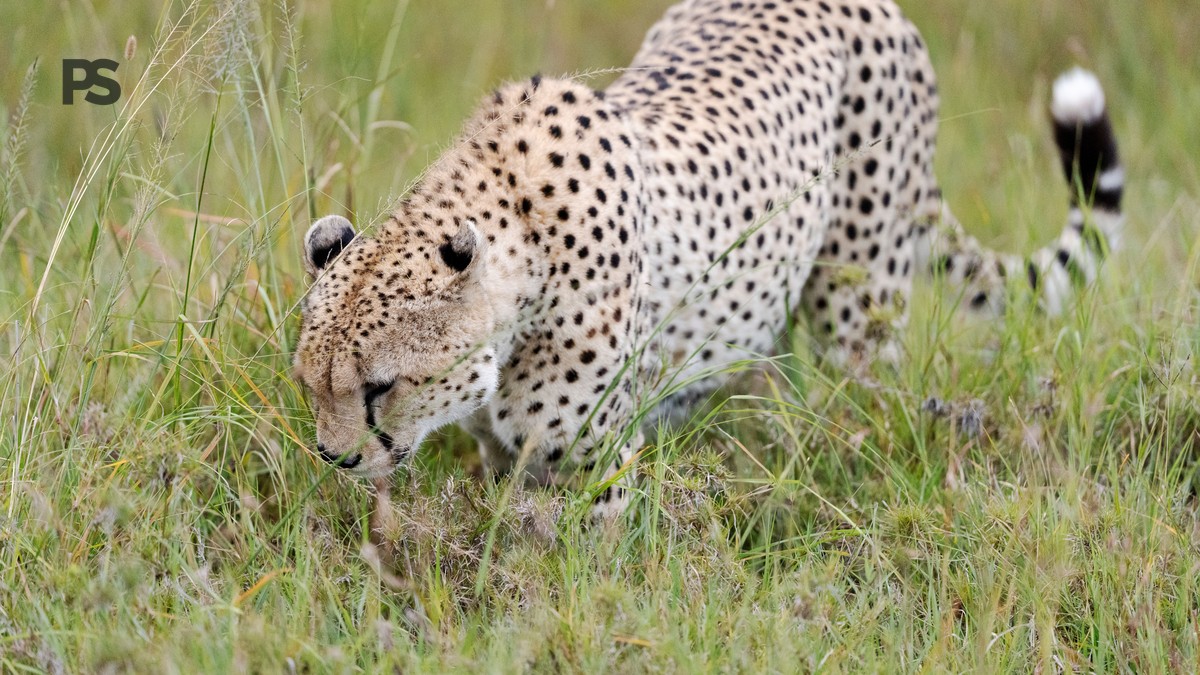
Photographers want soft light, short grass, and fewer vehicles. June and February are strong. October has dusty golden light. Birding peaks November through April when migrant birds arrive. Lake Nakuru and Lake Bogoria sit on the flamingo circuit. See the best time to see flamingos in Kenya before choosing a lake stop. If you visit during the rains, bring lens covers and patience. The greener backdrop can be worth it.
Best months for a safari and beach combination
Combine the Mara or Amboseli with Diani Beach or Mombasa. The cleanest windows are late December to March and July to October. November can bring short rains to the coast. You can fly from the Mara to Diani in about two to three hours with a stop at Wilson Airport. You can also drive from Tsavo East to Mombasa in under two hours if you prefer road transfers.
Best months for budget safaris and lower crowds
April, May, early November, and late October have the lowest lodge rates and fewest vehicles. The government park fee does not drop for most parks, so the saving comes from accommodation and air transfers. As an indicative range, mid-range all-inclusive Kenya safaris run roughly USD350 to 550 per person per night in the lowest months. The same style of trip may cost USD600 to 900 per person per night in August and September, if you can find room. Budget tented camps can start lower, but verify what is included. For private conservancies, add USD80 to 150 per person per night.
Weather, road conditions, and camp closures during the rains
Long rains in April and May are the main challenge. Some seasonal camps close. Roads in the Maasai Mara and Tsavo become slick. Short rains in November are lighter and often last an hour or two. Read more about safaris in Kenya during the rainy season for a realistic view. A safari during the rains can work if you choose a lodge that stays open and use a 4×4 with a patient guide.
Crowds, accommodation availability, and peak-season pricing
August, September, and the Christmas to New Year period fill first. For those months, book 8 to 12 months ahead. June, October, late January, and February allow shorter lead times. Sort out your Kenya safari visa requirements and timing before final payments. Most francophone travelers also want a French-speaking guide. Request this at booking, as not every lodge has one.
How far in advance to book a Kenya safari
A good rule is six months for normal dates and nine to twelve months for August or December. Domestic flights from Wilson Airport have limited seats during peak season. Lodges inside conservancies like Naboisho and Mara North sell out early. If you need a specific family tent or a French-speaking guide, do not wait. Flights from Paris, Brussels, Geneva, or Montreal usually connect through Nairobi. The visa timeline affects your booking, so check the requirements early.
The Plain Safaris Difference
Plain Safaris plans drives with real distances, not padded itineraries. We tell you how long a transfer takes between Nairobi, Amboseli, the Mara, and the coast. We check which conservancies keep vehicle numbers low, such as Naboisho and Mara North, and which camps stay open in April and May. We quote park fees at current non-resident rates. If you are traveling with children, we plan shorter drives and lodges with family tents. The goal is a clear plan, in French or English, with no surprise costs.
Plan your Kenya safari by month
Tell Plain Safaris your travel dates, language preference, and budget range. Contact Plain Safaris and we will build a month-by-month plan around the migration, your budget, and the parks that fit.