
This Amboseli super tusker elephants guide is for the repeat visitor who has already done the Mara circuit and wants something with more history behind it. Amboseli’s elephants deliver that. This is where the last of Africa’s true super tuskers still walk, tusks long enough to scrape the volcanic soil, Kilimanjaro rising behind them. But the roster has changed fast this year, and a lot of what you will read elsewhere is out of date.
What Is a Super Tusker, Exactly?
A super tusker is a bull elephant whose tusks each weigh at least 45kg (about 100 pounds), or that are long enough to drag or touch the ground. Fewer than 30 elephants alive today are believed to qualify, and Amboseli holds one of the last concentrated populations. The genetics come from a mineral-rich ecosystem and decades of protection by the Amboseli Trust for Elephants, one of the longest-running elephant research projects on the continent.
Regular big bulls carry tusks in the 20 to 30kg range. Super tuskers are a different scale entirely, and Amboseli’s swamps have produced more of them than almost anywhere else in East Africa.
Amboseli Super Tusker Elephants Guide: Who’s Still Out There in 2026
This is the part where a lot of blog posts get it wrong. Two of Amboseli’s most famous bulls have died this year, and several sites still list them as alive.
Craig, one of the most photographed elephants in Kenya, died on January 3, 2026. One Ton, another long-tusked icon known for his time around Ol Tukai and the swamp edges, died on July 5, 2026. Both deaths were confirmed by conservationists working in the ecosystem, and neither elephant should still be showing up in a “who to look for” list.
Tolstoy, one of the oldest surviving bulls, has been Amboseli’s senior statesman for years and continues to be tracked moving between the park and the Kimana corridor. Bulls like these carry radio collars fitted by Big Life Foundation, so rangers and researchers know roughly where they are most weeks.
The honest answer for a 2026 trip is this: ask your guide or camp manager for the current sighting log before you arrive. The roster shifts, and any guide working the swamps daily will know more than a listicle written six months ago.
Where to See Them
Three spots do most of the work for tusker sightings in Amboseli.
Enkongo Narok swamp holds water and green grass even in the dry months, which pulls big bulls in from the surrounding bush. Early morning and late afternoon are best, when the heat has not pushed the elephants into deeper cover.
Observation Hill gives you the wide view. Climb it and you can often spot elephant groups moving across the plains before you drive to them, which saves time on a short stay.
Kimana corridor, just outside the park’s eastern boundary, is the migration route elephants use to move between Amboseli and the Chyulu Hills and Tsavo ecosystems. Kimana Sanctuary, a community-run conservancy along this route, sees regular tusker traffic and runs far fewer vehicles than the park itself.
Super tuskers do leave the park. They range across an area that includes Tsavo West, the Chyulu Hills, and Tanzania’s Enduimet Wildlife Management Area. Amboseli is the reliable core of that range, not a fence around it.
Best Time of Year
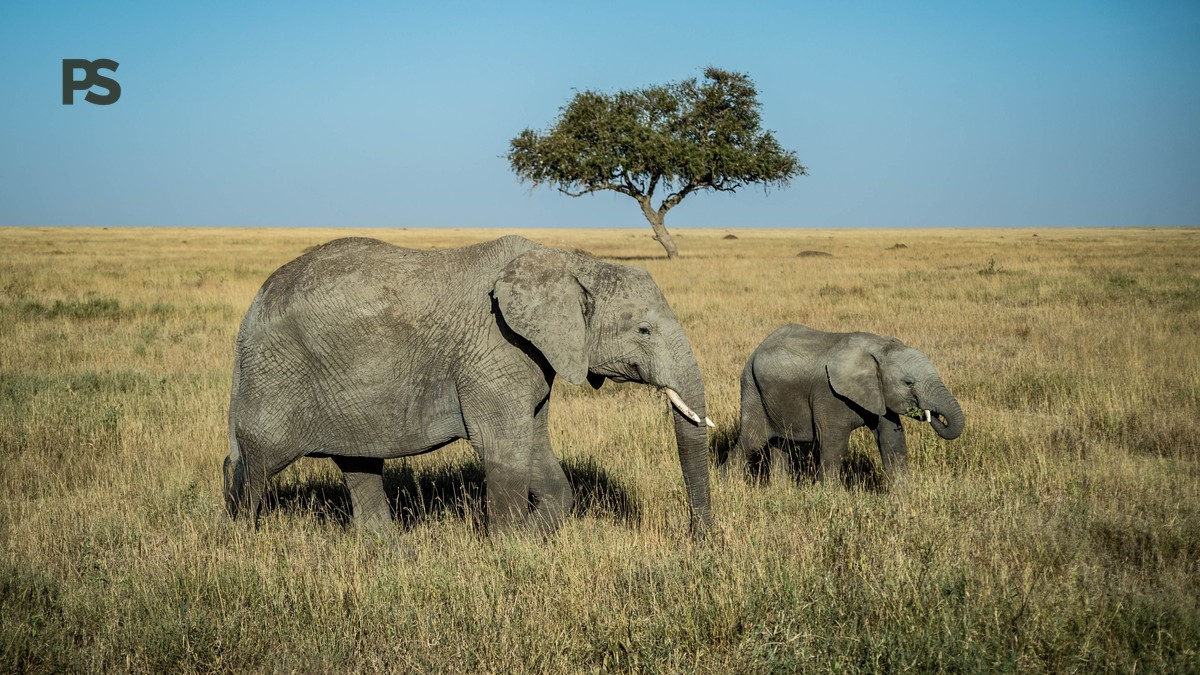
The dry season, from late June through October, concentrates elephants around the swamps because it is the only reliable water for miles. January to February, a shorter dry spell, is also good and comes with fewer vehicles than peak July and August. The long rains from March to May scatter elephants across a wider area and make some roads difficult, so sightings become less predictable.
For photographers specifically, the clear skies of the dry months also give you the best odds of a snow-capped Kilimanjaro backdrop, which is half the reason people fly into Amboseli in the first place. We cover this in more detail in our guide to the best months for photographing Amboseli’s elephants.
Where to Stay
Camps split naturally by which side of the Kimana corridor they sit on, and that matters more than most people realize when booking.
| Lodge/Camp | Location | Distance to Kimana Gate | Indicative Rate (per person/night) |
|---|---|---|---|
| Tortilis Camp | Park boundary, south | 12km | USD 650-900 |
| Ol Tukai Lodge | Inside park, central | 18km | USD 300-450 |
| Satao Elerai | Private conservancy, southeast | 6km | USD 400-600 |
| Kibo Safari Camp | Park boundary, east | 8km | USD 180-260 |
| Kimana Sanctuary tented camps | Kimana corridor | 0-3km | USD 250-400 |
Camps near the Kimana corridor put you closest to the migration route itself, useful if you want a chance at tuskers moving between ecosystems rather than only inside the park. Camps inside the park, like Ol Tukai, put you closer to the swamps and Observation Hill.
Entry Fees and Practical Planning
Amboseli National Park, run by Kenya Wildlife Service, charges USD 90 per adult per day for non-residents. That fee is separate from any conservancy or community land fees, which apply if you stay at Kimana Sanctuary or similar private areas outside the park boundary. Those conservancy fees are usually bundled into your camp’s nightly rate rather than paid separately at a gate.
Most visitors pair two to three nights in Amboseli with time elsewhere. If you are building a longer trip, our piece on combining Amboseli with a Maasai Mara safari walks through routing and flight connections between the two.
Amboseli Versus the Quieter Alternatives
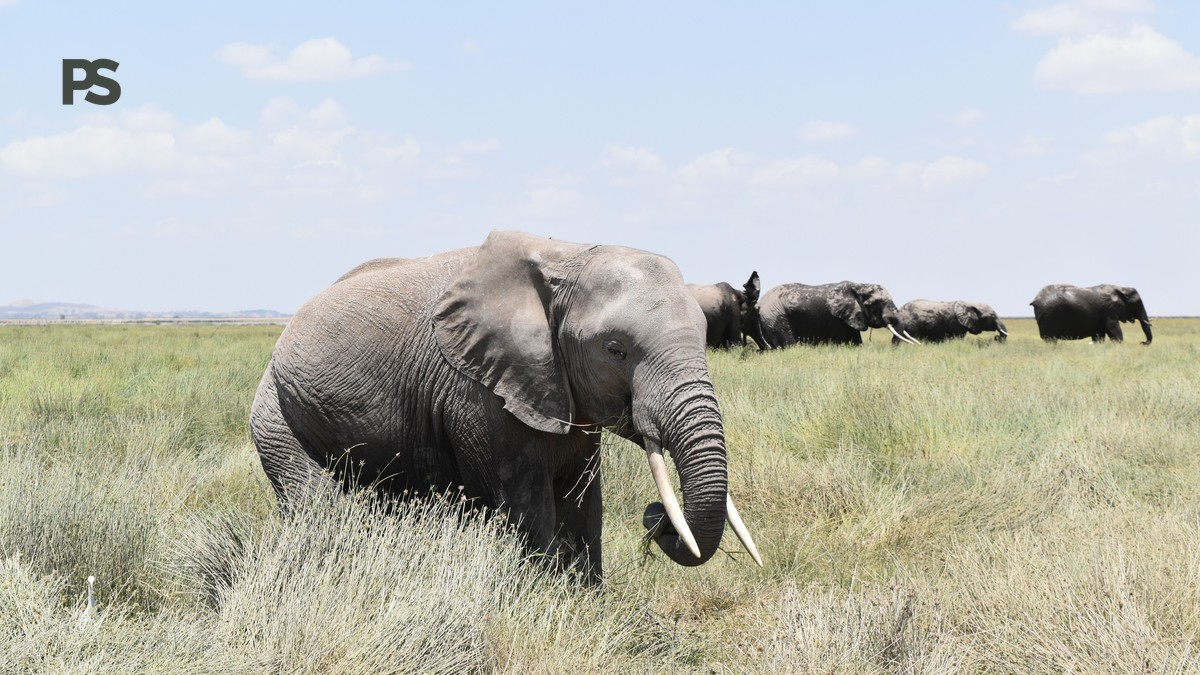
Amboseli’s swamp-edge viewing is about as reliable as elephant sightings get anywhere in Africa. The tradeoff is vehicle density. During peak months, popular viewpoints near Enkongo Narok can get crowded by mid-morning.
Chyulu Hills, part of the same elephant range, offers a much emptier landscape and a real chance at solitude, but sightings of specific named tuskers are less predictable since the terrain is thicker and the population moves more freely. We break down that tradeoff fully in how Amboseli compares to Chyulu Hills for tusker sightings. For a first tusker sighting, Amboseli wins on odds. For a quieter, few-vehicles feel, Chyulu Hills wins on atmosphere.
How They’re Protected
Big Life Foundation runs a ranger network across the Amboseli-Chyulu-Tsavo ecosystem, with over 300 rangers covering roughly 800,000 hectares. They track collared bulls, respond to poaching threats, and work with Maasai communities on human-wildlife conflict, which is now a bigger threat to these elephants than poaching in most years. The Amboseli Trust for Elephants has individually identified and monitored elephants here since 1972, which is part of why we know so much about specific bulls like Tolstoy and the elephants who came before him.
The Plain Safaris Difference
We do not send guests to Amboseli off a script written a year ago. Our guides check current sighting logs from Big Life Foundation contacts and camp managers before every trip, so you are not chasing an elephant that is no longer there. We also route trips to put you near the Kimana corridor when tusker viewing is the priority, not just inside the park boundary because that is the default booking. If you want the swamp reliability of Amboseli paired with a quieter add-on like Chyulu Hills, we build that combination often and know which camps make the logistics work without long transfer days.
Plan Your Amboseli Trip
The super tusker roster will keep changing, and the best way to see what is left is to go with people who check before you arrive rather than after. Get in touch through our contact page and we will help you plan a trip built around current sightings, the right camps, and a season that gives you the best odds.