
Najin and Fatu are the last northern white rhinos at Ol Pejeta Conservancy, and on Earth. Both are female. Both live behind round-the-clock armed guards on a 700-acre patch of Laikipia grassland, about three hours north of Nairobi. If you have already done the Mara circuit and want something with more weight to it, this is one of the few wildlife encounters left in Kenya that is genuinely once-in-a-species.
I want to be straight with you before you book anything. This is not a wild rhino sighting. You will not stumble on Najin and Fatu browsing near a river crossing. You will visit a guarded enclosure, with a keeper narrating their story, on a fixed time slot. It is closer to visiting a very well-run sanctuary than tracking game. Once you know that going in, it is one of the most moving wildlife experiences in East Africa.
Meet Najin and Fatu, the Last Northern White Rhinos at Ol Pejeta
Najin was born in 1989 at Dvur Kralove Zoo in the Czech Republic. Fatu, her daughter, was born there in 2000. In 2009, conservationists flew both rhinos, along with two males, Sudan and Suni, back to Kenya. The idea was that a natural savanna environment and Kenyan daylight hours might trigger breeding that captivity had failed to produce.
It did not work in the way anyone hoped. But the relocation is why these two rhinos are alive and reachable today, rather than sitting in a European zoo enclosure that most travelers will never see.
How the Species Ran Out of Time
Suni died in 2014 of natural causes. Sudan, the last male northern white rhino on Earth, died at Ol Pejeta in March 2018 at age 45, after age-related complications. His death made global headlines and left Najin and Fatu as the only two northern white rhinos left anywhere.
Neither female can carry a pregnancy. Najin has weak hind legs that make her unsuitable for breeding or a surgical egg retrieval under general anesthesia. Fatu has a uterine condition that rules out natural pregnancy. That is what “functionally extinct” means here: two living animals, zero path to a calf through natural means.
BioRescue and the Science of Bringing Them Back
A consortium called BioRescue has been harvesting eggs from Fatu since 2019. The team is led by the Leibniz Institute for Zoo and Wildlife Research in Germany, working closely with Ol Pejeta and Kenya Wildlife Service. They fertilize the eggs with frozen sperm from deceased males, including Suni.
The resulting embryos are stored in liquid nitrogen. The plan is to implant them into a southern white rhino surrogate, a close relative that can carry a northern white pregnancy to term. As of 2026 the team has produced more than 30 viable embryos and continues to refine the surrogate program. Scientists are also working on stem-cell techniques that could one day generate eggs and sperm from stored tissue. That work would matter even after Najin and Fatu are gone.
None of this guarantees a calf. But it is real, ongoing science, not a symbolic gesture, and it is happening on the same ground you would visit.
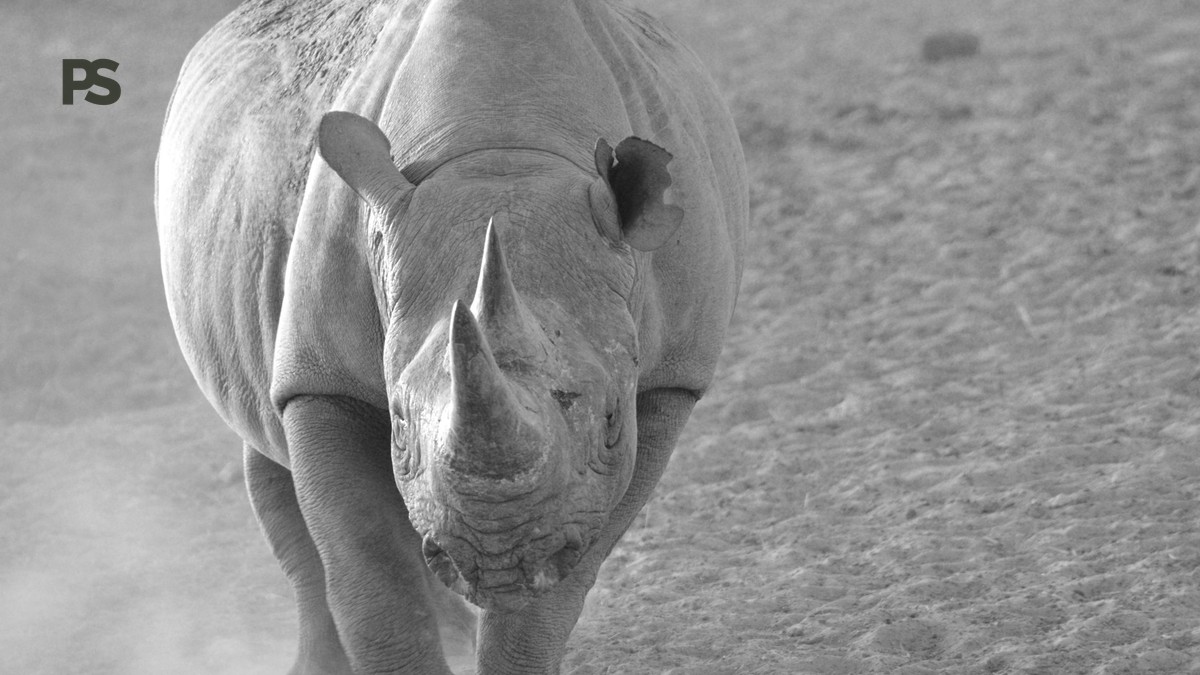
The Ethics Question Worth Sitting With
Not everyone in conservation agrees with spending millions on IVF for two animals. Some argue that money would do more good protecting thousands of southern white rhinos or black rhinos still breeding naturally. Others argue that letting a species vanish without trying sets a bad precedent. Human activity, poaching for horn and habitat loss, caused the collapse in the first place.
I don’t think a safari blog needs to settle that argument. But if you visit, it’s worth thinking about while you’re standing at the fence.
Inside the 700-Acre Enclosure
Najin and Fatu live in a dedicated, guarded sanctuary within Ol Pejeta. It is fenced separately from the conservancy’s black rhino population and monitored by armed rangers 24 hours a day. Poaching pressure on rhino horn is still real in this part of Kenya. Ol Pejeta treats these two animals as a national security matter, not just a wildlife one.
Visitors are walked or driven to a viewing point a short, safe distance from the rhinos. A keeper who has usually worked with them for years leads the visit. You’ll hear their individual habits, what they eat, how the security team operates, and where the BioRescue program stands that month.
Where to Stay Near Ol Pejeta
Ol Pejeta sits in Laikipia, roughly 200 km and a 3 to 4 hour drive from Nairobi. It’s about 25 km (40 minutes) from Nanyuki town and its airstrip, which most fly-in itineraries use.
| Camp | Location | Drive to rhino enclosure | Indicative price range (per person/night, full board) |
|---|---|---|---|
| Sweetwaters Serena Camp | Inside Ol Pejeta | About 10-15 minutes | USD 350-550 |
| Porini Rhino Camp | Inside Ol Pejeta | About 15-20 minutes | USD 400-600 |
| Ol Pejeta Bush Camp | Inside Ol Pejeta | About 20 minutes | USD 300-450 |
| Kicheche Laikipia Camp | Adjacent conservancy, outside main gate | About 30-40 minutes | USD 450-650 |
Prices vary by season and are indicative only; confirm current rates when booking. Staying inside Ol Pejeta means you can fit the rhino visit around game drives without losing a travel day. That matters if you’re combining this with black rhino tracking on foot in Laikipia, also run out of Ol Pejeta and nearby conservancies.
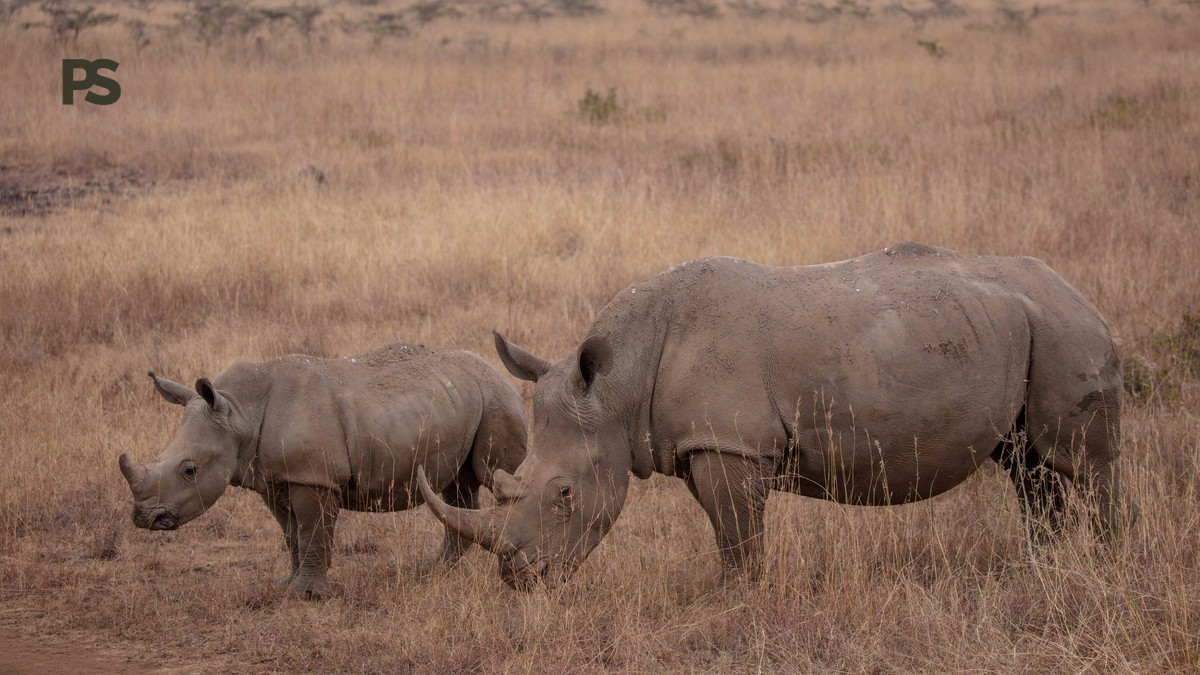
What the Visit Actually Costs and When to Book It
Ol Pejeta charges a general conservancy entrance fee on top of the specific rhino experience. As of 2026, budget roughly USD 110 per non-resident adult for conservancy entry. Add USD 70 per adult (around USD 35 for children) for the 45-minute Meet the Northern White Rhinos experience itself. That puts the realistic all-in cost at close to USD 180 per non-resident adult for the day, before accommodation. These figures move periodically, so confirm them when you book.
The rhino experience runs in four fixed daily slots:
- 8:30am to 9:30am
- 11am to 12pm
- 3pm to 4pm
- 4:30pm to 5:30pm
Slots fill fast in July, August, and December, Kenya’s busiest safari months. If you’re building a longer circuit that includes Ol Pejeta, it’s worth reading up on how far ahead you should book a Kenya safari. That way, the rhino slot doesn’t become the bottleneck for your whole itinerary.
Is Ol Pejeta Worth It for the Rhinos Alone?
For a repeat visitor who has already done a standard Mara circuit, yes. Ol Pejeta pairs the rhino visit with genuinely good black rhino and lion density, a chimpanzee sanctuary, and low vehicle numbers compared to the Mara. It works well as one of the best second-safari destinations after the Mara, especially combined with Samburu or Meru for a Laikipia-northern Kenya loop.
The Plain Safaris Difference
We’ve sat in that viewing spot at Ol Pejeta more times than we can count. We still tell clients the same thing every time: go in knowing this is a conservation visit, not a wildlife encounter, and it lands better. We build itineraries that pair Najin and Fatu with black rhino tracking, chimp sanctuary time, and a night drive for the conservancy’s healthy leopard population. That way, the day earns its place on a longer Laikipia route rather than standing alone. We also book rhino slots directly with Ol Pejeta ahead of peak months, so clients aren’t stuck with a 4:30pm slot that eats into a game drive.
Frequently Asked Questions
How many northern white rhinos are left in the world? Two: Najin and Fatu, both female, both living at Ol Pejeta Conservancy in Kenya.
Are northern white rhinos extinct? Not officially, since two individuals survive, but the subspecies is considered functionally extinct because neither can reproduce naturally.
What happened to Sudan, the last male northern white rhino? Sudan died at Ol Pejeta in March 2018 at age 45 from age-related health complications.
How old are Najin and Fatu? As of 2026, Najin is around 37 and Fatu is around 26.
Can the species be saved or brought back? Possibly, through the BioRescue program, which uses IVF and stored embryos with a southern white rhino surrogate. Stem-cell research is also underway as a longer-term backup.
What is the difference between northern and southern white rhinos? They are distinct subspecies. Southern white rhinos number over 16,000 and breed successfully in reserves across southern and East Africa. Northern white rhinos are down to two, both non-breeding.
Can you visit the northern white rhinos at Ol Pejeta? Yes, through a scheduled 45-minute experience booked separately from general conservancy entry.
How much does it cost? Roughly USD 110 conservancy entry plus USD 70 for the rhino experience per non-resident adult, close to USD 180 all-in. Confirm current rates before booking.
Where else can you see white rhinos in Kenya? Southern white rhinos live at Lake Nakuru National Park, Nairobi National Park, and several private conservancies, but Ol Pejeta is the only place with northern white rhinos.
When is the best time to visit for the rhinos? Any time of year works, since the enclosure is fixed and year-round. Book slots early for July, August, and December.
Plan Your Laikipia Visit
If you want to see Najin and Fatu as part of a wider Laikipia route, with black rhino tracking, a chimp sanctuary stop, and camps chosen for drive-time to the enclosure, we can put that itinerary together with you. Get in touch through our contact page and we’ll start mapping the route.