
Ask five people about the Nairobi to Meru transfer time and you will get five different answers. Three hours. Four hours. Six to eight hours. None of them are lying. They are just answering different questions.
Most of that confusion comes down to one thing: nobody says whether they mean Meru town or Meru National Park. They are not the same trip. Meru town sits on the A2, a reasonably fast paved run out of Nairobi. The park gates are another hour or two past that, on roads that slow you down. If you are planning a stay at Elsa’s Kopje or Rhino River Camp, the town number will leave you badly wrong about your arrival time.
I have driven both legs more than once, and flown in when the schedule made more sense. Here is the honest version, route by route.
Meru Town vs Meru National Park: Why the Numbers Don’t Match
Planning the trip itself? See Plain Safaris’s Nairobi to Diani Flight Time, Cost, and Booking Tips for current prices, dates and what is included.
Meru town is about 225 km from Nairobi on the A2 through Thika, Embu, and Chuka. In light traffic, that is a 3.5 to 4 hour drive. This is the number most transport sites quote, and it is accurate for the town, not for a safari.
The park itself is another matter. Murera Gate, the main entrance, sits roughly 350 km from Nairobi once you route around via Nanyuki. Door to gate, that is closer to 6 to 7 hours. Add the drive from the gate to your camp, often 30 to 60 minutes on park tracks, and you understand why some sources say 6 hours and others say 8. They are counting different endpoints.
If a page tells you Meru is “4 hours from Nairobi,” ask yourself whether it means the park or the town with a shrug at the difference. This guide always tells you which.
Driving to Meru: Two Real Routes, Two Different Days
There are two sensible road options, and they suit different travelers.
Via Nyeri, Nanyuki, and Murera Gate. This route runs up the A2 through Nyeri and Nanyuki, then cuts east toward the park’s western boundary. It is longer on paper but the tarmac holds up well past Nanyuki, and you get a good look at Mount Kenya’s northern slopes along the way. Expect 6 to 7 hours of driving, more if you stop in Nanyuki for fuel or lunch, which most people do.
Via Embu and Ura Gate. This route stays on the A2 through Embu, then swings toward Meru town before dropping south to the park’s eastern side. It is shorter in distance, around 290 km, but the last stretch to Ura Gate runs on murram that turns slow and rutted after rain. Budget 5.5 to 6.5 hours, not the 2.5 hours some route calculators show. That figure ignores the unpaved final leg entirely.
Neither route is dramatically faster once you account for the Nairobi exit. Leaving the city after 8am on a weekday can add 45 minutes to an hour just clearing Thika Road traffic. Leave by 6:30am if you want the numbers below to hold.
| Route | Distance | Realistic drive time | Road surface | Best for |
|---|---|---|---|---|
| Nairobi to Meru town only (A2) | ~225 km | 3.5-4 hours | Fully paved | Town stopovers, not park camps |
| Nairobi via Nyeri/Nanyuki to Murera Gate | ~350 km | 6-7 hours | Paved to Nanyuki, graded murram after | Elsa’s Kopje, camps near Mughwango Hill |
| Nairobi via Embu to Ura Gate | ~290 km | 5.5-6.5 hours | Paved to Meru town, murram to gate | Rhino River Camp, camps on the park’s east side |
Should You Fly Instead?
If six hours in a vehicle does not appeal, flying is a real option, and it changes the trip entirely.
AirKenya runs scheduled service from Wilson Airport to Kinna Airstrip inside the park, most days of the week. Direct flying time is short, often well under an hour, though scheduled flights sometimes route through Nanyuki or Lewa Downs to pick up other passengers, which can stretch the total to closer to 1 hour 45 minutes door to door. One-way fares generally sit in the USD 250 to 350 range, and prices move with season and booking window, so treat that as an indicative range rather than a fixed quote.
Private charter is the faster, pricier alternative. A charter can fly you straight to Kinna, Mughwango Hill, or the strip nearest your camp with no stops. Costs vary by aircraft size and operator, but a small charter for two to four people often runs USD 700 to 1,200 one way, again an indicative range worth confirming at booking.
For a family with young kids, or anyone who has already spent long days on Kenyan roads visiting the Mara, flying buys back a full day. That day is worth something on a shorter trip.
Which Airstrip for Which Camp
This is the part most transport pages skip entirely, and it matters more than the flight schedule itself.
| Camp | Nearest airstrip | Drive from strip to camp |
|---|---|---|
| Elsa’s Kopje | Mughwango Hill airstrip | About 5 minutes |
| Elsa’s Kopje (alternate) | Kinna Airstrip | About 45 minutes |
| Rhino River Camp | Kinna Airstrip | Roughly 30-40 minutes (indicative) |
| Meru Wilderness Camp | Kinna Airstrip | Roughly 40-50 minutes (indicative) |
Always confirm your exact strip with the camp before booking a flight. Scheduled AirKenya service typically lands at Kinna, so guests headed to Elsa’s Kopje sometimes get a longer road transfer than a charter passenger flying direct to Mughwango Hill.
Self-Drive: Road Conditions and What You Actually Need
Self-drive to Meru is doable, but it is not the same as self-driving to Nairobi National Park for an afternoon. You want a proper 4×4, not a sedan with high clearance. The murram sections near both Murera and Ura Gates get slick and rutted in the long rains, roughly April through June, and again in the shorter November rains.
Rental 4x4s in Nairobi run from about USD 60 to 120 per day depending on vehicle age and whether you take a driver-guide, which most first-time self-drivers to Meru should. Fuel for the round trip, plus game drives inside the park, typically adds USD 80 to 120. A driver-guide who knows the Murera and Ura routes is worth the extra cost if this is your first time north of Nanyuki.
Bus and Matatu: The Budget Option, With Limits
Buses and matatus run daily from Nairobi to Meru town, with operators like Tahmeed, Nyayo, and Kukena covering the route from stages near the city center. Fares run roughly KES 800 to 1,500, and the journey takes 4.5 to 6 hours depending on stops.
Here is the catch nobody mentions: public transport gets you to Meru town, not the park. There is no scheduled bus or matatu service into Murera or Ura Gate. From town, you would need a private taxi or a prearranged transfer, and few taxi drivers know the internal park roads well. For a serious safari, budget travel by road usually means a private vehicle for the whole route, not a bus ticket plus a gamble on the last leg.
Where to Stay: Lodge and Camp Pricing Tiers
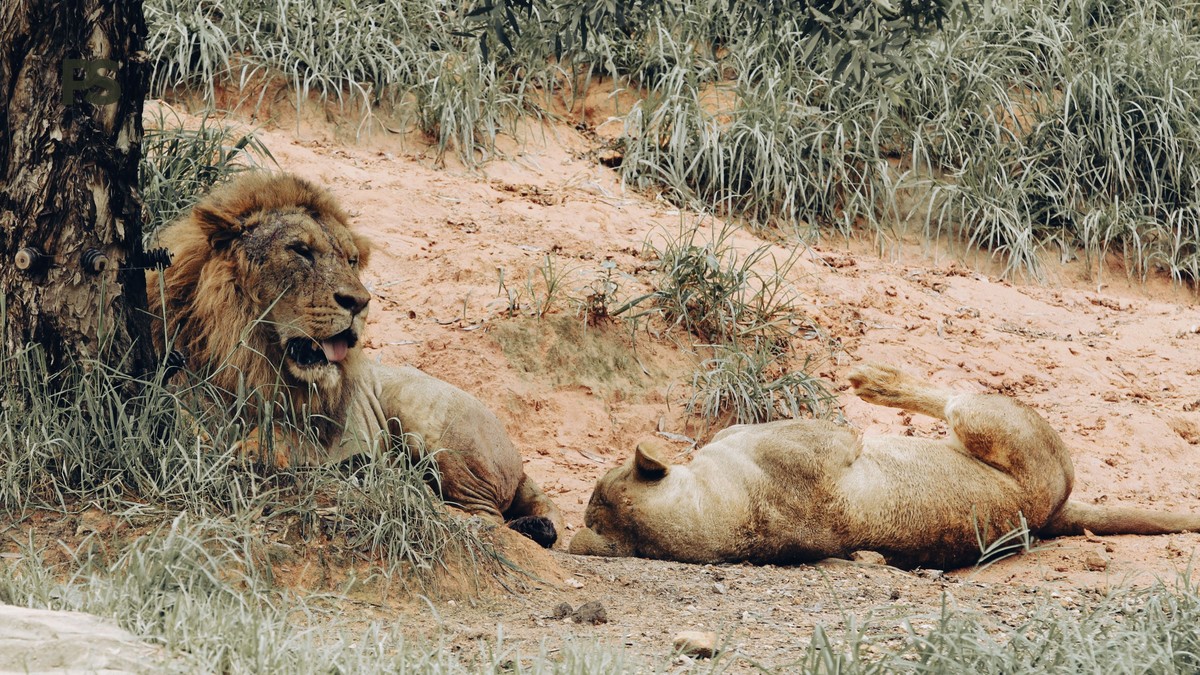
Meru’s camps split into two clear tiers. Elsa’s Kopje, built into the same kopje where Joy Adamson raised Elsa the lioness, sits at the top end, with all-inclusive rates typically in the USD 600 to 900 per person per night range in high season. This is an indicative range, since rates shift by season and room category.
Rhino River Camp and Meru Wilderness Camp run simpler and more affordable, generally USD 250 to 450 per person per night all-inclusive, also indicative. Both put you inside or beside the rhino sanctuary, with far fewer vehicles at a sighting than you would ever see in the Mara.
Combining Meru with Samburu or Mount Kenya
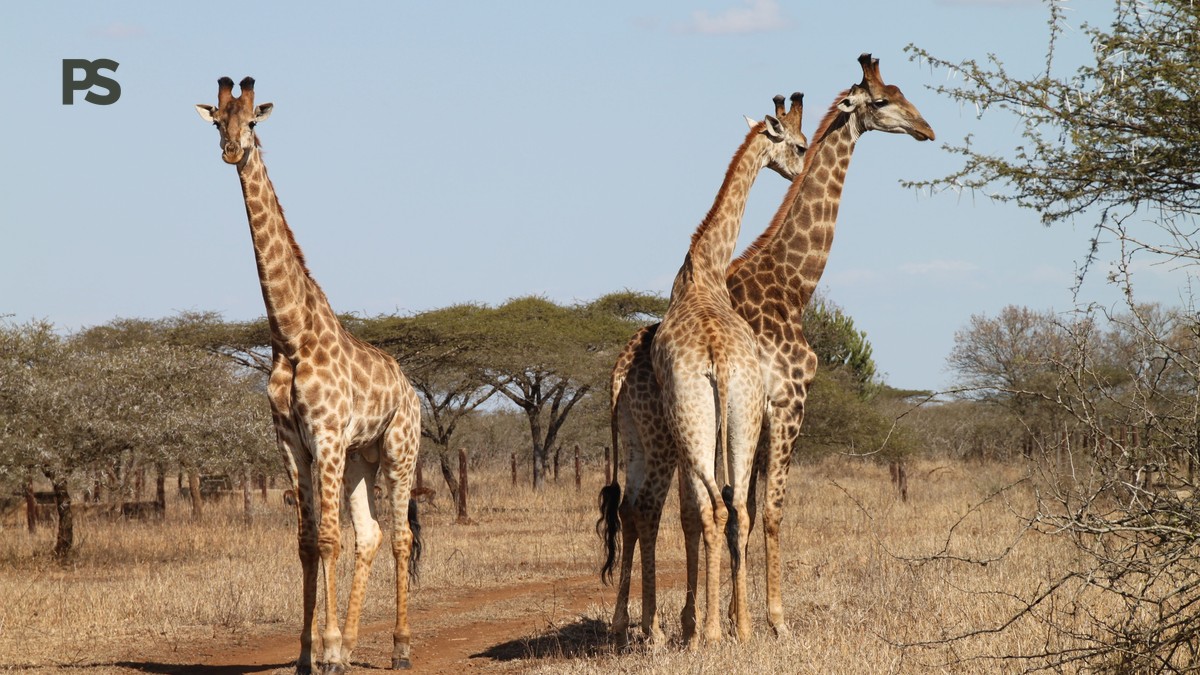
If you have already done the Mara circuit, Meru pairs naturally with Samburu, Shaba, or a Laikipia stay. A light aircraft hop from Meru to Samburu takes well under an hour, and the two parks share a similar dry, riverine landscape with different wildlife you will not have seen on a standard circuit, including the reticulated giraffe and Grevy’s zebra found north of the equator.
For readers weighing where else to add days, it helps to see how Nairobi transfer times compare for Amboseli or check our fly-or-drive breakdown for the Maasai Mara before deciding how to split a two-week trip. Many repeat visitors also look at combining Meru with a Laikipia conservancy stay, which keeps road transfers short between the two.
Visa and Entry Requirements
Kenya replaced its e-visa system with an Electronic Travel Authorization, or ETA, for most nationalities. Reported fees vary by source, generally in the USD 30 to 51 range for a single entry, so confirm the current figure on Kenya’s official ETA portal before you travel. Apply at least a few days ahead of your flight to Nairobi.
The Plain Safaris Difference
We do not send you to Meru with a single number and hope it holds up. We tell you which gate fits your camp, what the road looks like that week, and whether flying makes sense for your dates and group size. We have driven both the Nanyuki and Embu routes ourselves, in both dry and wet conditions, and we plan transfer windows around what actually happens on those roads, not what a route calculator assumes.
For repeat visitors moving past the Mara, we also know which camps in Meru, Samburu, and Laikipia keep vehicle numbers low at a sighting, and how to string them into one circuit without wasting a day in transit.
Nairobi to Meru Transfer Time: Plan Yours With Us
If you are ready to trade the Mara crowds for Meru’s quiet rivers and rhino sanctuary, we can build the route around your dates, your camp, and how much time you want to spend on the road versus in the air. Get in touch through our contact page and we will map out the transfer that actually fits your trip.