
Every safari brochure promises the Big Five. This big five checklist Kenya safari guide tells you what they don’t: no single Kenyan park hands you all five animals on one game drive. I have sat behind the wheel on these roads long enough to know which sightings are near certain and which ones need a second park, a second flight, or a bit of luck.
This is the checklist I wish every first-time traveler got before they booked. Real odds, real distances, real fees. No vague promises.
What the Big Five Actually Means
The term comes from old hunting language, not wildlife spotting. Lion, leopard, elephant, buffalo, and rhino earned the name because they were the five most dangerous animals to hunt on foot, not because they are the five most beautiful or the five easiest to find. Safari operators kept the phrase after trophy hunting faded, and now it works as a shorthand for a strong wildlife trip.
Knowing the origin matters because it resets expectations. These five were grouped by danger, not by how often you will see them. Buffalo and elephant show up constantly. Rhino and leopard do not, and treating all five as equally likely is where most first-time travelers get disappointed.
Ranking the Five by Difficulty
Buffalo. The easiest of the five. Herds of a few hundred graze in open grassland across almost every park in Kenya. You will likely see buffalo in your first hour.
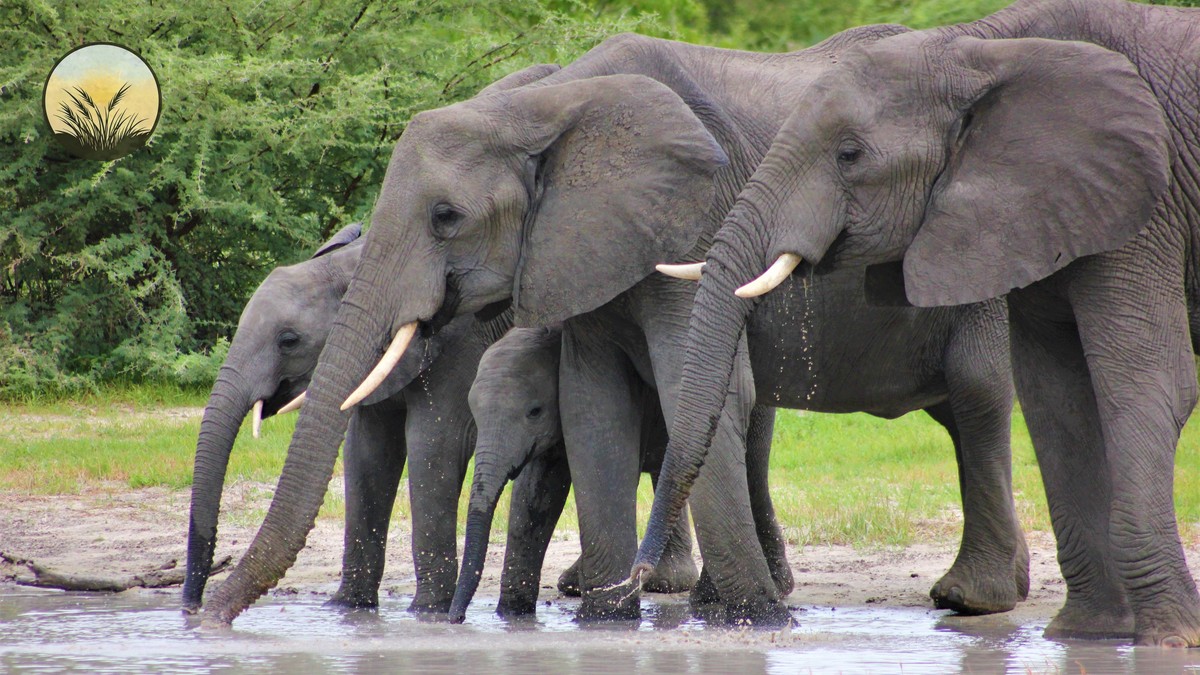
Elephant. Nearly as easy. Amboseli National Park is the standout, with matriarchal herds crossing the swamps below Mount Kilimanjaro most mornings.
Lion. Common in Masai Mara National Reserve, where several resident prides hold territory near the Mara and Talek rivers. Guides track individual prides by name, which tells you how reliable the sightings are.
Rhino. This is the real limiter. Both black and white rhino were hunted to near extinction in Kenya through the 1970s and 80s, and today’s populations live mostly inside fenced or heavily patrolled sanctuaries. Masai Mara has none you can reliably find. You need a dedicated rhino park.
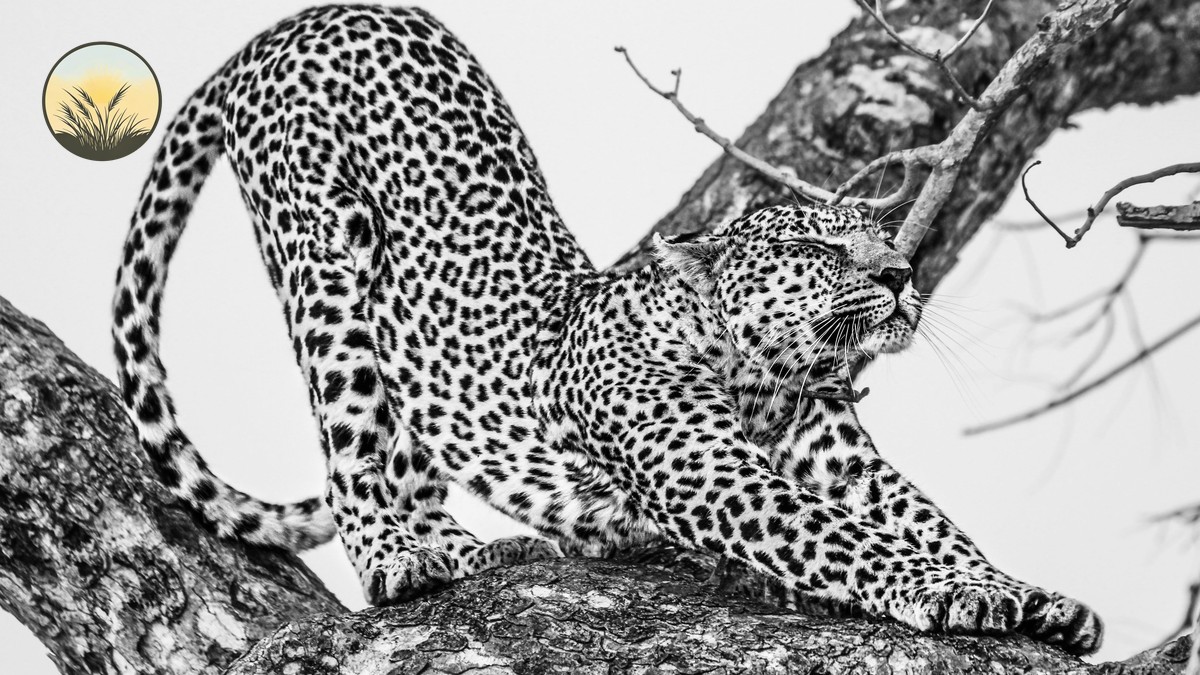
Leopard. The hardest of the five. Leopards are solitary, mostly active at night, and spend daylight hours resting in thick cover or up in trees. Spotting one takes patience, a sharp guide, and often a conservancy with low vehicle numbers and permission to drive off-track. The Mara conservancies known for leopard density consistently outperform the main reserve for this reason alone.
The Big Five Checklist Kenya Safari: Sighting Odds by Park
This is built from actual guide logs and repeat trips, not marketing copy. Treat “Excellent” as near certain over three nights, “Good” as likely, “Fair” as possible with effort, and “Poor” as a long shot.
| Park or Conservancy | Lion | Leopard | Elephant | Buffalo | Rhino | Distance from Nairobi | Non-resident entry fee |
|---|---|---|---|---|---|---|---|
| Masai Mara National Reserve | Excellent | Good | Good | Excellent | Poor to none | 270 km, 5-6 hrs by road or 45 min flight | USD 200/day (Jul-Dec), USD 100/day (Jan-Jun) |
| Naboisho & Mara North Conservancies | Excellent | Excellent | Good | Good | Poor to none | Same access routes as the Mara | USD 80-150/person/night, bundled into lodge rates |
| Amboseli National Park | Fair | Poor | Excellent | Good | None | 240 km, about 4 hrs by road | USD 90/day |
| Ol Pejeta Conservancy, Laikipia | Good | Fair | Good | Good | Excellent | 200 km, about 3.5 hrs by road | Indicative range USD 85-95/day, confirm with lodge |
| Lake Nakuru National Park | Fair | Fair | Poor | Fair | Good | 160 km, about 2.5-3 hrs by road | USD 90/day |
| Tsavo East / Tsavo West | Fair | Fair | Good | Fair | Fair (Tsavo West sanctuary) | 240-330 km, 4-5 hrs by road | USD 80/day |
Note the fee jump for Masai Mara. It is run by the Narok County Government, not the Kenya Wildlife Service, and the county doubles the daily rate for the July to December migration season. Amboseli, Lake Nakuru, and Tsavo are KWS parks and hold steady year-round.
Why No Single Park Gets You All Five
Rhino is the animal that breaks the “one park” plan. Masai Mara’s open grassland made it easy for poachers decades ago, and the population never recovered there. If you want a real shot at rhino, you need Lake Nakuru’s fenced sanctuary, Ol Pejeta’s patrolled conservancy in Laikipia, or the rhino sanctuary inside Tsavo West.
Ol Pejeta holds the largest black rhino population in Kenya, and its rangers track individual animals daily, which is why the odds there sit at “Excellent” rather than “Good.” Lake Nakuru is smaller and more compact, so drives are shorter, but the bush is denser and sightings take a bit more patience.
This is the honest trade-off nobody puts in writing: adding a rhino leg means another park fee, another drive or flight, and at least one more night away from the Mara’s lion and cat action. It is worth it if rhino matters to you. It is a fair thing to skip if you have already seen rhino elsewhere or your trip is short.
Best Time of Year for Big Five Sightings
Dry season, from late June through October, is best for game viewing overall. Grass is shorter, water sources shrink, and animals cluster around the rivers and remaining waterholes. This overlaps with the wildebeest migration in the Mara, which pushes that park’s fee to USD 200/day from July.
January through March is the shoulder option. Fees drop to USD 100/day in the Mara, crowds thin out, and newborn animals are common, though grass is taller and leopard spotting gets harder.
Rhino sightings at Ol Pejeta and Lake Nakuru hold steady year-round since both are compact and fenced. Season matters far less there than it does for the open plains game.
A Real Itinerary: Mara Plus Ol Pejeta in 6 Nights
Here is a combination that actually delivers all five animals without rushing.
- Nights 1-3, Masai Mara or a bordering conservancy. Fly into an airstrip like Keekorok or Musiara, or drive the 5 to 6 hours from Nairobi. Three nights gives your guide time to find resident lion prides and, in the conservancies, leopard.
- Travel day. Fly from the Mara to Nanyuki, near Ol Pejeta, in about 45 minutes rather than driving back through Nairobi.
- Nights 4-6, Ol Pejeta Conservancy. Two full days is enough for rhino tracking, plus a chance at the reserve’s other resident predators.
That is six nights minimum for a realistic Big Five trip, not the three or four nights some agencies quote. Families with young kids should budget an extra rest day in the middle, since two flights and two camp changes in one week is a lot for anyone under ten.
If you would rather stay north instead of doubling back, Laikipia’s private conservancies sit close to Ol Pejeta and add wild dog sightings to the same leg of the trip. Travelers chasing a wider list beyond the classic five should also look at Samburu’s Special Five, a separate set of species found in Kenya’s drier north.
What to Expect on a Game Drive
Drives start early, usually before 6:30am, when temperatures are cool and predators are still active from their nighttime hunts. A typical morning drive runs three to four hours, followed by brunch back at camp. Afternoon drives run from about 4pm until sunset, when parks close their gates.
Vehicles seat six to seven guests with pop-up roof hatches for standing photos. In private conservancies like Naboisho, guides can leave the marked tracks to follow a leopard into thicker bush, something not allowed inside the national reserve itself. That single rule is a big part of why conservancy leopard odds run higher than the reserve’s.
Bring layers. Mornings in the Mara can dip to 12°C before sunrise and climb past 28°C by midday.
The Plain Safaris Difference
We build itineraries around realistic odds, not brochure promises. When a client wants all five animals, we say plainly whether their chosen parks and nights can deliver that, and we suggest the extra leg when it is needed rather than letting them find out on day four.
Our guides know which conservancy gates keep vehicle numbers low, which lodges sit closest to a river crossing, and which routes save a family an unnecessary extra hour in the car. We would rather tell you a rhino sighting needs six nights instead of four than promise something the parks cannot deliver.
Plan Your Big Five Trip
If you want a Kenya itinerary built around real sighting odds instead of guesswork, our team can put together a Mara and Ol Pejeta circuit, or adjust the route to fit the time you have. Take a look at our Kenya safari packages or get in touch to start planning.